
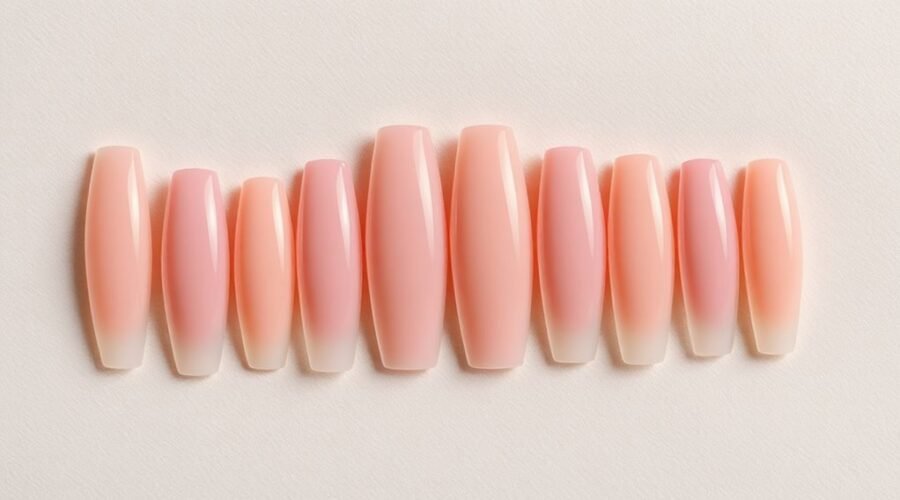
The seven classic acrylic nail shapes—round, oval, squoval, square, almond, coffin (ballerina), and stiletto—affect durability, typing comfort, and maintenance just as much as style. Round, squoval, and oval hold up best for short nails and active hands, while almond, coffin, and stiletto create an elongating or bold look that requires medium-to-long extensions and regular 2- to 3-week fills.
Most Popular Acrylic Nail Shapes Compared
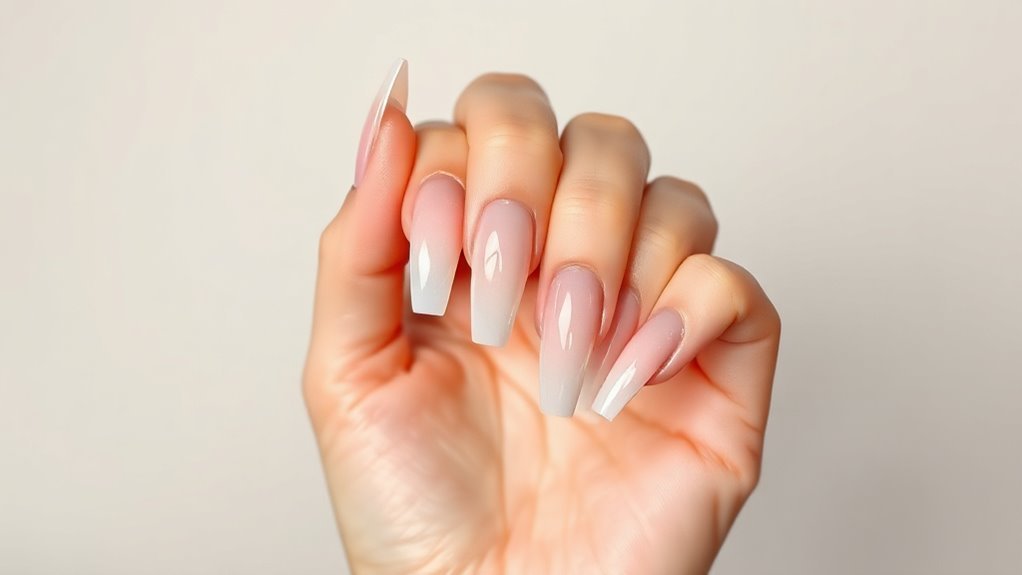
Every nail silhouette distributes stress differently across the sidewalls and free edge. Use this comparison chart to match a shape to your natural nail bed, preferred length, and daily routine.
| Shape | Tip Profile | Best Length | Durability | Best Hand & Nail Bed Match |
|---|---|---|---|---|
| Round | Mirrors natural fingertip curve | Short | Highest (no corners) | Short fingers, wide nail beds, active hands |
| Squoval | Flat edge with softened corners | Short to medium | Very high | Universally flattering; great for typing |
| Oval | Gently tapered sides, rounded tip | Short to medium | High | Short or wide nail beds wanting subtle elongation |
| Square | Straight sidewalls, crisp 90° corners | Short to medium | Moderate (corners can snag) | Long, narrow nail beds |
| Almond | Slim tapered sides, soft rounded point | Medium to long | Moderate | Wide or short fingers wanting a slender look |
| Coffin / Ballerina | Tapered sides, flat squared tip | Medium to long | Moderate-low | Longer extensions and statement nail art |
| Stiletto | Extreme taper to a sharp point | Long | Lowest (thin tip) | Special occasions and dramatic styling |
Everyday Shapes: Round, Squoval, Oval, and Square
If you type all day, work with your hands, or prefer low-maintenance fills, start with one of the four classic everyday silhouettes:
- Round: Follows the curve of your fingertip with no corners to catch on fabric or chip. It is the strongest shape for short extensions and brittle natural nails.
- Squoval: Combines the crisp width of a square tip with lightly rounded corners. Many nail technicians recommend squoval as the safest all-around choice because it keeps square’s clean look without snagging.
- Oval: Extends the round silhouette slightly past the fingertip with gently tapered sides, making shorter fingers look longer without sacrificing much strength.
- Square: Features straight parallel sidewalls and a flat tip with sharp corners. It looks modern on narrow nail beds, though sharp corners are more likely to chip if worn long.
Tapered and Statement Shapes: Almond, Coffin, and Stiletto
Tapered shapes visually lengthen the hand and give nail artists more surface area, but narrowing the sidewalls concentrates impact along the stress zone—meaning they need proper acrylic apex structure to stay intact.
- Almond: Narrows smoothly to a soft, rounded peak. It flatters almost every hand type—especially wide nail beds—and is far more practical for daily life than stiletto while still reading sleek.
- Coffin (Ballerina): Tapers inward from the base like a stiletto, then finishes with a flat, squared-off tip. Coffin needs at least medium length so the taper is visible.
- Stiletto: Files down to a sharp, dramatic point. Because most of the free-edge width is removed, stiletto is the most fragile acrylic shape and makes everyday tasks like buttoning shirts or handling contact lenses trickier.
If you are learning how to do acrylic nails at home, start with squoval or oval before attempting long coffin or stiletto sets, since maintaining even sidewalls and a centered apex takes practice.
How to Match Acrylic Nail Shapes to Your Hands
You do not have to follow rigid rules, but matching your nail bed geometry helps extensions look balanced as they grow out:
- Short or wide nail beds: Oval and almond draw the eye lengthwise and create a slimmer proportion. Avoid wide, flat square tips if you want a softer look.
- Long, narrow nail beds: Square, squoval, and coffin complement narrow fingers without making them look overly thin.
- Deeply curved natural nails: Squoval or almond usually sits more naturally than a sharp flat square.
- Active hands or heavy typing: Keep free-edge length short to medium—every extra millimeter adds leverage that increases break risk.
How to Ask Your Nail Tech for the Exact Shape
Shape names are often interpreted differently from salon to salon—one technician’s “squoval” can look like another’s “square.” Bring a clear reference photo and specify three details before filing starts:
- Exact shape name: State whether you want crisp square corners, softened squoval edges, a tapered coffin tip, or a soft almond point.
- Target length: Describe length relative to your fingertip (for example, just past the finger pad vs. medium extension) so the taper fits proportionally.
- Sidewall finish: Let your tech know if you prefer straight sidewalls or a subtle inward taper.
Pros, Limitations, and Maintenance Tips
- Pros of acrylic shapes: Acrylic monomer-and-polymer overlays are rigid enough to support long sculpted shapes like coffin and stiletto that natural nails cannot hold on their own.
- Limitations: Requires fills every 2 to 3 weeks (see how long acrylic nails last), exposes nails to filing and acetone during removal, and carries higher breakage risk at extreme lengths.
To protect your natural nails under any shape, apply cuticle oil daily, wear gloves when washing dishes or using household cleaners, never use acrylic tips to pry open cans, and always soak off acrylics with 100% acetone rather than peeling them off. If you are also considering dip manicures instead of sculpted acrylics, review the side effects of dip powder nails to compare sanitation and chemical sensitivities.
Frequently Asked Questions
Which acrylic nail shape is the strongest for everyday wear?
Round, squoval, and oval are the strongest everyday acrylic nail shapes because they have no sharp corners or extreme tapers where impact concentrates. Short lengths further reduce leverage and breakage.
What is the difference between coffin and ballerina acrylic nails?
Coffin and ballerina refer to the same basic silhouette—tapered sidewalls ending in a flat, squared-off tip. Some nail technicians file ballerina nails with slightly softer, curved sidewalls while keeping coffin sidewalls straighter.
What acrylic nail shape makes short or wide fingers look longer?
Almond and oval acrylic nail shapes are the most elongating for short or wide fingers because their tapered sides draw the eye vertically and visually slim the nail bed.
How often do acrylic nails need to be filled?
Most acrylic sets need a fill every 2 to 3 weeks as your natural nail grows out. Keeping up with fills maintains the structural apex and prevents lifting or painful snaps.
Which acrylic nail shapes are easiest for typing?
Short round, short squoval, and short oval shapes are easiest for everyday typing because their smooth, low-profile tips minimize miskeys and corner snags.
[…] length or specific silhouettes and are weighing alternatives, comparing dip overlays with our acrylic nail shapes guide can help you decide which enhancement style fits your maintenance […]