If your baby’s tummy seems a little off during teething, you might wonder whether the teeth are to blame. The evidence says teething doesn’t directly cause diarrhea, though you may notice looser stools at the same time. You can expect swollen gums, drooling, and fussiness, but diarrhea often points to something else. Before you dismiss it as teething, there are a few signs that deserve closer attention.
Can Teething Cause Diarrhea?
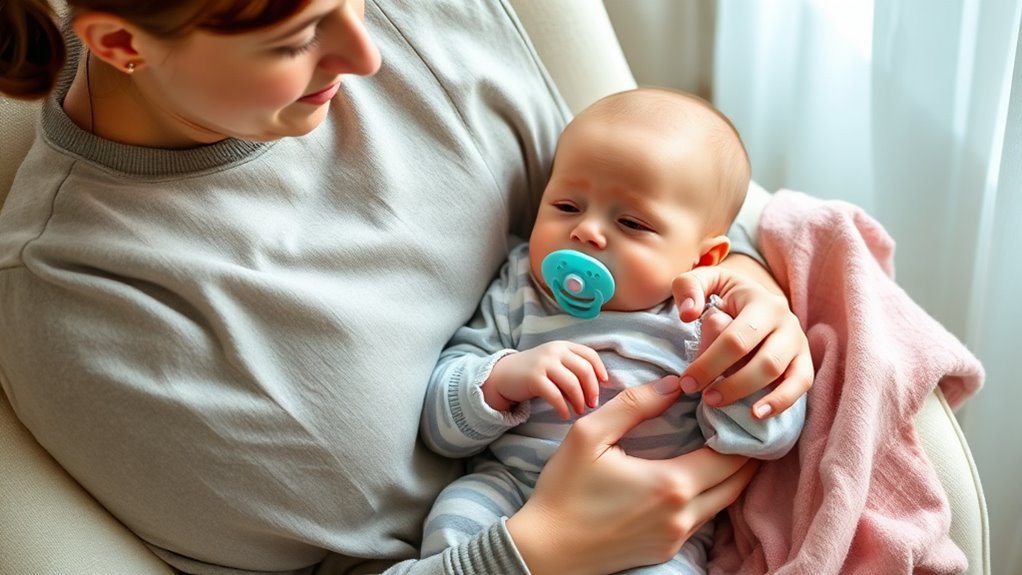
Teething itself doesn’t directly cause diarrhea, although many parents notice looser stools around the same time. You can let go of teething myths that blame every stool change on new teeth.
Research hasn’t shown a strong biological link between teething and true diarrhea. Instead, baby digestion can shift for other reasons: changes in diet, swallowed saliva, mild viral infections, or temporary exposure to new foods.
If your baby is otherwise well, a brief change in stool consistency usually isn’t alarming. You should focus on hydration and watch for signs that point beyond teething, such as frequent watery stools, fever, vomiting, blood, or fewer wet diapers.
Those signs need medical advice. Trust your instincts, but don’t assume teething explains everything. Your baby deserves accurate care, and you deserve clear answers.
What Teething Symptoms Are Normal?
Even when babies are fussy during teething, several symptoms are common and usually mild: swollen or tender gums, extra drooling, a strong urge to chew, irritability, and slightly disrupted sleep.
You may also notice your baby rubbing the gums, biting objects, or wanting extra comfort. These teething signs usually reflect local gum pressure, not illness.
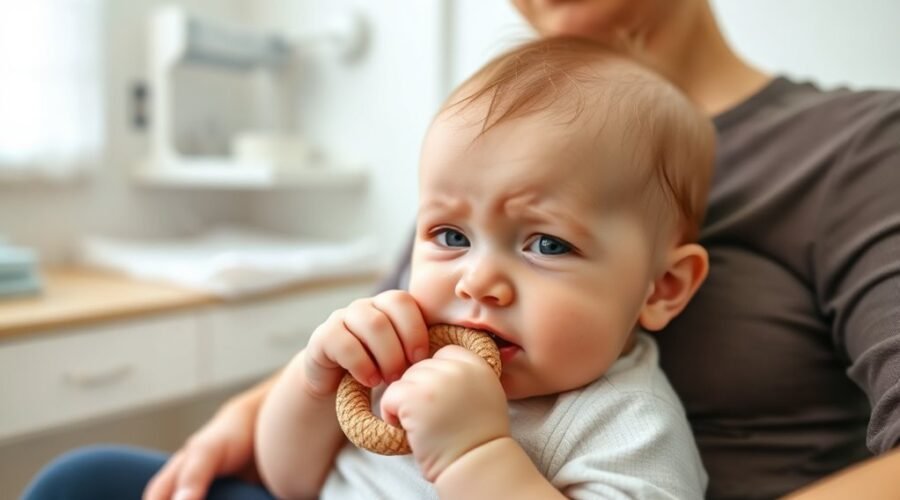
Baby discomfort often comes and goes over a few days as teeth move through the gums. You can support your baby with chilled teething rings, clean fingers for gentle gum massage, and calm routines that reduce stress.
Avoid teething gels unless your clinician recommends them. If you see fever, rash, vomiting, or signs of dehydration, don’t assume teething is the cause. Seek medical advice, because those symptoms need a closer look.
In general, normal teething should be annoying but manageable, and you don’t have to accept it as mysterious or overwhelming.
Why Diarrhea Usually Isn’t From Teething?
Although teething can make a baby uncomfortable, it usually doesn’t cause diarrhea. When you look at the evidence, you’ll see that tooth eruption affects the gums, not the intestines. That’s why many teething myths persist: babies often drool more, chew harder, and seem unsettled, while another cause may be disturbing digestive health.
You can think of it like this:
- A swollen gum, not an irritated bowel, is the source of teething discomfort.
- Extra drool may loosen stools slightly, but it doesn’t explain true diarrhea.
- Timing can mislead you when normal teething overlaps with common stomach bugs.
If you stay grounded in facts, you can avoid blaming teething for every loose stool. Trust the pattern, not the myth, and you’ll make calmer, more informed choices for your child.
When Baby Diarrhea Means Something Else?
When your baby has diarrhea along with fever, vomiting, blood or mucus in the stool, signs of dehydration, or symptoms that last more than a day or two, it may point to something other than teething. Those signs can suggest infection, food intolerance, or another gastrointestinal illness.
You don’t need to guess from old myths; focus on clear warning signs and current evidence. Other diarrhea causes include recent antibiotic use, changes in formula or diet, and viral gastroenteritis.
If your baby seems unusually sleepy, has fewer wet diapers, a dry mouth, or a sunken soft spot, get medical advice promptly.
Trust your judgment and protect baby health by seeking care when diarrhea looks severe, persistent, or different from your child’s usual pattern. A clinician can assess the cause and guide next steps without judgment, so you can make informed, confident decisions for your family.
How Can You Soothe Teething and Prevent Dehydration?
To soothe teething discomfort, you can offer a chilled teething ring, a clean cool washcloth, or gentle gum massage with a clean finger. You should avoid teething gels that contain benzocaine or lidocaine unless your clinician specifically recommends them.
These natural remedies can calm sore gums without masking important symptoms. Keep your baby well hydrated by offering breast milk, formula, or age-appropriate fluids more often, especially if drooling or loose stools seem to reduce intake.
Watch for fewer wet diapers, dry mouth, lethargy, or a sunken soft spot, because these can signal dehydration and need prompt care.
- A baby chewing a cool washcloth in a sunlit kitchen.
- Small sips from a bottle after a brief nap.
- A calm parent checking wet diapers and moist lips.
Use these hydration tips to support comfort and freedom from worry. If diarrhea is persistent, bloody, or paired with fever, call your clinician.
Frequently Asked Questions
When Do Babies Usually Start Teething?
You’ll usually see your baby’s first teeth emerge around 6 months, though teething can start as early as 3 months or as late as 12 months.
You may notice teething symptoms like drooling, gum swelling, or fussiness. These signs are normal and self-limited.
For baby comfort, offer a chilled teether or clean finger massage.
If your baby has fever, poor feeding, or significant distress, contact your pediatrician.
How Long Does Teething Pain Typically Last?
Teething pain typically lasts a few days to about a week for each tooth.
You may notice teething symptoms like drooling, chewing, and irritability before the tooth breaks through.
If discomfort lingers longer, or your baby has fever, rash, or poor feeding, you should contact a clinician.
For pain relief, you can offer a chilled teether or gentle gum massage, and you don’t need to accept suffering as inevitable.
Can Teething Cause Fever in Babies?
No—teething doesn’t send baby temperatures soaring like a furnace. You may see teething symptoms such as drooling, fussiness, and gum chewing, but fever causes usually lie elsewhere, like viral or bacterial infections.
If your baby’s temp is 100.4°F (38°C) or higher, you should contact your pediatrician. You deserve clarity, and your baby deserves relief, so trust evidence, not myths, when you’re deciding what’s normal.
Are Teething Toys Safe for Newborns?
Yes, some teething toys can be safe for newborns, but you should choose them carefully.
You’ll want products made for infants, with no small parts, BPA-free materials, and a size that can’t fit fully in your baby’s mouth.
Cool, firm teethers may support baby comfort, but newborns often don’t need them yet.
For teething safety, you should avoid liquid-filled, rubbery, or breakable toys and always supervise use closely.
When Should I Call a Pediatrician for Teething?
You should call your pediatrician if teething symptoms seem severe, if your baby has a fever, if you notice diarrhea, rash, vomiting, or poor feeding, and if discomfort isn’t easing with basic care.
You can watch, soothe, and clean, but you shouldn’t ignore signs that suggest illness.
Good dental care starts early, and your clinician can tell you what’s normal, what’s not, and when you need help.
Conclusion
Teething can feel like a storm, but it usually isn’t the cause of diarrhea. You may see drooling, gum swelling, and fussiness, while loose stools often point to something else, like diet changes or a mild infection. Keep an eye on hydration and trust the pattern: if diarrhea lasts, worsens, or comes with fever or vomiting, you should call your child’s doctor. Evidence, not assumption, should guide your next step.