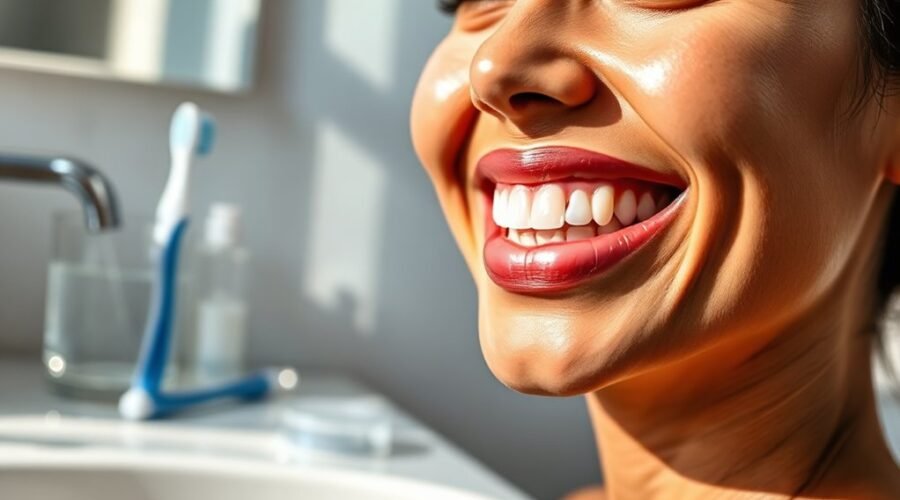
You might notice, almost by chance, that your teeth start looking dull again just when you’re getting used to your brighter smile. How long whitening lasts depends on the method you choose, your daily habits, and how well you maintain it. In-office results can last months to years, while at-home kits usually fade sooner. The key is knowing what speeds fading up and when you’ll likely need a touch-up.
How Long Does Teeth Whitening Last?
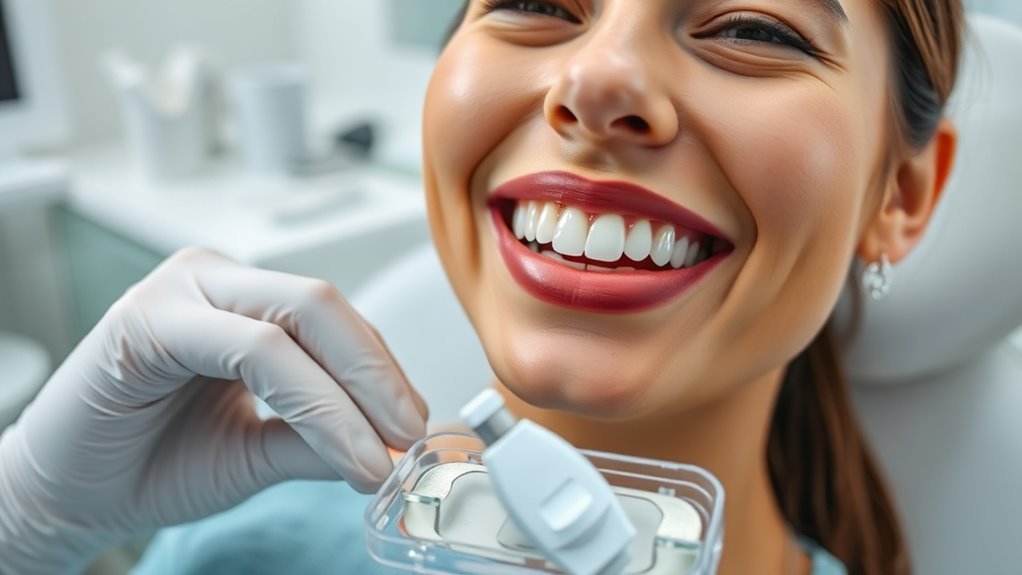
How long teeth whitening lasts depends on the type of treatment you choose, your habits, and how well you maintain your results.
In-office whitening often gives you brighter teeth for six months to two years, while take-home kits may last several months to a year. Your results can vary, but you can extend them with consistent oral care and periodic touch-ups.
If you notice teeth sensitivity, tell your dentist, because they can adjust the plan without undermining your progress.
Don’t let whitening myths shape your expectations; whitening isn’t permanent, but it can deliver lasting confidence when you use it wisely.
Whitening isn’t permanent, but with wise choices, it can deliver lasting confidence.
You deserve a smile that reflects your freedom, not one trapped by confusion or unrealistic promises.
Choose a treatment that fits your goals, then protect it with steady care.
What Makes Teeth Whitening Fade Faster?
Whitening fades faster when daily habits keep staining the enamel, especially frequent coffee, tea, red wine, tobacco, and other darkly pigmented foods and drinks.
You’ll also see quicker fading if you brush too aggressively, use abrasive products, or skip regular cleaning, because plaque and surface stain build up.
Acidic foods and drinks can weaken enamel health, making color changes show sooner.
Dry mouth, medications that reduce saliva, and teeth grinding can also dull your results faster by leaving your teeth less protected.
If you already have teeth sensitivity, you may avoid brushing thoroughly, but gentle, consistent care matters most.
Protect your brightness by rinsing after staining foods, using a soft brush, and choosing toothpaste that supports enamel health without harsh abrasion.
Small, steady choices give you more control over how long your whitening lasts, and they help you keep a cleaner, brighter smile on your terms.
How Long Professional Whitening Lasts
Professional whitening usually lasts longer than over-the-counter options because it uses stronger bleaching agents and is tailored to your teeth and habits.
In many cases, you can expect results to hold for about six months to three years, depending on your diet, oral care, and lifestyle. When you choose professional techniques, your dentist can target stains more effectively and reduce uneven color, giving you a brighter smile with greater staying power.
This option also offers more control, so you’re not left guessing about strength or safety. If you want whitening options that support your freedom to smile confidently, professional treatment gives you a solid foundation.
You can extend results by limiting stain-causing foods and drinks, brushing consistently, and attending routine cleanings. Still, your daily habits matter most, so the brighter your choices, the longer your results can last.
How Long At-Home Whitening Lasts
At-home whitening usually lasts anywhere from a few weeks to several months, depending on the product you use and how well you maintain your results. Your whitening effectiveness often depends on concentration, application time, and consistency. With at-home kits, you may see gradual change, and the results can be easier to control than with one-time treatments.
At-home whitening can last weeks to months, with results shaped by product strength, timing, and consistency.
- Strip-based systems often fade sooner.
- Tray-based systems may hold longer.
- Pen and gel touch-ups extend brightness.
- Sensitive teeth may limit frequency.
You can maximize longevity by following directions exactly and avoiding overuse, which can damage enamel and reduce payoff.
If you want steady, visible improvement without relying on a clinic visit, at-home whitening gives you flexibility and autonomy. Still, your results won’t last forever, so periodic maintenance matters. Choose a product that matches your goals, and you’ll get the most from your effort.
Foods and Drinks That Stain Teeth
Even the best whitening results won’t last as long if you keep exposing your teeth to stain-causing foods and drinks. You can protect your smile by knowing which items leave pigment behind.
Coffee, black tea, red wine, cola, and dark juices are common staining beverages because their color compounds cling to enamel. Berries, tomato sauce, soy sauce, curry, and balsamic vinegar can also dull brightness.
When you pair these with acidic foods, you increase enamel roughness, which can make stains settle more easily. You don’t have to avoid every favorite, but you should enjoy them with awareness.
Drinking water alongside meals, using a straw for dark beverages, and rinsing your mouth after eating can help reduce buildup. A balanced approach lets you keep your routine, your choices, and your whitening results working together instead of against you.
Habits That Make Whitening Fade
Certain habits can make your whitening results fade faster, especially if you drink coffee or tea often.
These beverages can stain enamel over time and gradually dull your smile.
Smoking and tobacco use also leave deep discoloration that can quickly reduce the brightness of your teeth.
Coffee And Tea Stains
Coffee and tea can stain your teeth faster than you might expect, especially if you drink them often throughout the day. Their pigments cling to enamel, and coffee acidity can weaken the surface, making stains settle more easily.
Tea tannins also bind to teeth, deepening discoloration over time. You can protect your whitening results by changing how you drink these beverages:
- Use a straw when possible
- Rinse with water after each cup
- Limit sipping over long periods
- Brush 30 minutes later
These habits help you keep control over your smile without giving up the drinks you enjoy.
If you want longer-lasting brightness, consistency matters more than perfection. Small choices add up, and they let you preserve a cleaner, freer-looking result.
Smoking And Tobacco Use
Smoking and tobacco use can undo whitening results quickly because smoke and tar cling to enamel and leave yellow or brown buildup that’s hard to remove. You’re also exposed to tobacco effects that weaken your smile’s brightness over time. The longer your smoking duration, the faster stains return, even after professional treatment.
| Habit | Effect | Result |
|---|---|---|
| Cigarettes | Tar deposits | Faster discoloration |
| Cigars | Heavy smoke | Deep surface stains |
| Chewing tobacco | Pigment contact | Brown buildup |
| Vaping with nicotine | Residue | Duller enamel |
If you want lasting results, quit or cut back and clean your teeth consistently. Your freedom from tobacco protects your whitening investment and keeps your smile clear, confident, and bright.
How to Keep Teeth Whitening Results Longer
You can help your whitening last longer by avoiding foods and drinks that stain, such as coffee, tea, red wine, and dark sauces.
Brush and floss daily to remove plaque and surface stains before they build up.
You should also schedule touch-up treatments as needed to maintain your results.
Avoid Staining Foods
To help your whitening results last longer, limit foods and drinks that easily stain enamel, such as coffee, tea, red wine, dark berries, soy sauce, curry, and tomato-based sauces.
These staining beverages can quickly dull your smile, especially when you sip them often. Acidic foods also weaken enamel, making pigments easier to absorb.
- Choose water instead of dark drinks.
- Rinse with water after meals.
- Use a straw for staining beverages.
- Pair colorful foods with neutral options.
You don’t have to eliminate every bold flavor; you just need to control exposure.
When you reduce frequent contact with stain-causing items, you protect your brighter smile and keep your results looking fresh longer.
Brush And Floss Daily
Daily brushing and flossing help preserve whitening results by removing plaque, surface stains, and food particles before they settle into enamel.
You protect your smile best when you keep oral hygiene consistent twice a day and clean between teeth once daily. Use a soft-bristled toothbrush and fluoride toothpaste, then floss gently to clear tight spaces where discoloration starts.
This simple dental care routine limits buildup that can dull your brighter shade over time. You’re also less likely to trap pigments from everyday meals when your mouth stays clean.
Treat brushing and flossing as nonnegotiable maintenance, not an extra step. That discipline helps you keep your teeth looking brighter, longer, with less effort and more freedom.
Schedule Touch-Up Treatments
Even with strong brushing and flossing habits, whitening results still fade over time, so touch-up treatments help maintain your shade. You can preserve a brighter smile by planning whitening maintenance with your dentist or at-home kit. The right touch up frequency depends on your enamel, diet, and the original treatment strength.
- Schedule a refresh every 3 to 12 months.
- Use custom trays for controlled application.
- Avoid overusing whitening strips or gels.
- Track staining from coffee, tea, wine, and tobacco.
Consistent touch-ups keep you in control of your smile instead of letting stains dictate it. Ask your dentist to adjust timing if sensitivity appears, because safer whitening works better long term.
With a clear plan, you’ll extend results and keep your teeth looking liberated and clean.
When to Touch Up Teeth Whitening
You should touch up teeth whitening when you notice the brightness fading or stains starting to return, which can happen anywhere from a few months to a couple of years depending on your habits and the whitening method used. Your whitening frequency should match your lifestyle, so coffee, tea, wine, and smoking may shorten results. Track touch up timing with a simple routine and let your dentist guide safe intervals.
| Factor | Impact | Action |
|---|---|---|
| Diet | Dark foods can dull results | Limit exposure |
| Oral care | Consistent brushing helps | Maintain daily habits |
| Method | In-office lasts longer | Plan accordingly |
Stay proactive, not reactive. Touch up on a schedule that protects your freedom to smile confidently without overdoing treatment. If you want lasting results, choose timing that fits your needs and keeps enamel care central.
Signs You Need Another Whitening Treatment
If your smile looks less bright than it did after treatment, it may be time for another whitening session. You can also watch for subtle changes that show stain buildup before your next appointment. Consider these signs:
- Yellowing returns along the edges of your teeth
- Coffee, tea, or wine stains become harder to remove
- Your whitening sensitivity signs fade, but color loss keeps increasing
- You notice discoloration warning signs in photos or natural light
When these patterns appear, you don’t need to settle for a dimmer smile. A touch-up can help you reclaim a cleaner, brighter look and keep your results aligned with your goals.
If you’ve maintained good brushing habits but still see dullness, your enamel may simply need another boost. Check with your dentist before retreating to any at-home kit, especially if sensitivity has changed.
Good brushing habits help, but lingering dullness may mean your enamel needs another whitening boost.
They can confirm whether you’re due for treatment and recommend the safest option for lasting clarity and confidence.
Frequently Asked Questions
Is Teeth Whitening Safe for Sensitive Teeth?
Yes, teeth whitening can be safe for sensitive teeth if you choose the right method and manage sensitivity carefully.
You should look for gentle formulas, lower peroxide levels, and shorter treatment times. Sensitivity management matters, so ask your dentist before starting.
For product recommendations, choose sensitivity-focused whitening gels or strips with potassium nitrate or fluoride.
You can still brighten your smile without forcing discomfort or sacrificing control.
Can Whitening Toothpastes Extend Results?
Yes, whitening toothpastes can help extend your results, but you shouldn’t expect dramatic upkeep alone. They can remove surface stains and support whitening maintenance tips, especially if you brush consistently and avoid stain-causing foods and drinks.
Their toothpaste effectiveness depends on the formula and your habits, so choose one with gentle abrasives or mild whitening agents.
For lasting brightness, pair it with flossing, regular cleanings, and smart daily choices.
Does Whitening Work on Crowns or Veneers?
Don’t judge a book by its cover: whitening usually won’t change crowns or veneers.
You’ll see little to no whitening effectiveness because these are a dental restoration, not natural enamel.
If your restorations look darker, discolored, or mismatched, you’ll need replacement or polishing from your dentist.
You can whiten surrounding teeth to improve harmony, but the restoration itself won’t lighten.
Ask for options that fit your smile and your freedom.
How Soon Can I Eat After Whitening?
You can usually eat right after whitening, but you should wait 30 to 60 minutes if your provider used in-office gel or trays.
Choose soft, light-colored foods first, and avoid coffee, red wine, berries, and spicy sauces for 24 to 48 hours. This protects your enamel while it settles and helps reduce teeth sensitivity.
Good whitening maintenance means you keep your results longer and keep control over your smile.
Can Smokers Whiten Their Teeth Effectively?
Yes, you can whiten your teeth effectively, but smoking effects can dull results faster.
You’ll get better outcomes if you combine whitening techniques with quitting or cutting back on tobacco use. In-office treatments and custom trays often work well, yet nicotine and tar can stain enamel again quickly.
You should maintain good oral hygiene, avoid smoking after treatment, and follow your dentist’s guidance to keep your smile brighter longer.
Conclusion
So, how long does teeth whitening last? It depends on the method you choose and how well you protect your results. For example, if you get professional whitening and then sip coffee daily without rinsing, your smile may fade much faster than expected. You can extend whitening by avoiding stain-causing foods, brushing well, and scheduling touch-ups when needed. With the right care, you’ll keep your teeth brighter for months or even years.