Making your own DIY cuticle oil takes less than five minutes and lets you combine fast-absorbing cold-pressed jojoba oil with soothing sweet almond oil and antioxidant vitamin E at a fraction of salon prices. By blending 70% jojoba oil, 25% sweet almond or argan oil, and 5% vitamin E oil (with an optional 0.5%–1% lavender essential oil dilution), you create a lightweight barrier treatment that softens dry proximal nail folds, prevents painful hangnails, and keeps natural or polished nails flexible.
What Is DIY Cuticle Oil and How Does It Protect Nails?
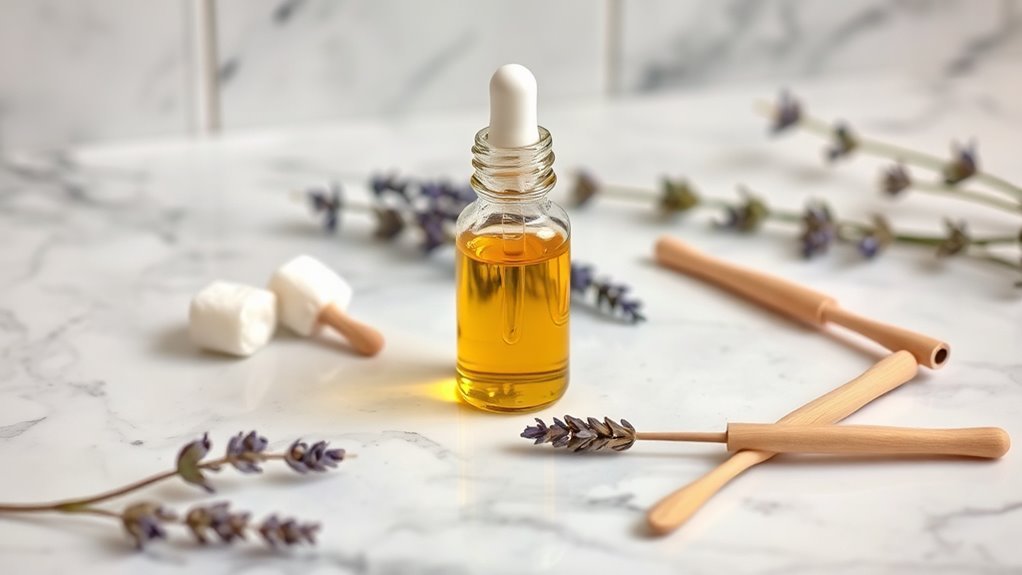
Cuticle oil is a water-free lipid conditioning blend applied to the proximal nail fold, lateral sidewalls, and exposed nail plate. Frequent handwashing, alcohol sanitizers, cold weather, and acetone removers strip natural lipids from the nail perimeter, leaving the tissue stiff and prone to splitting. A daily drop of cuticle oil replenishes surface lipids and forms a breathable occlusive seal that slows transepidermal water loss.
If you frequently wear enhancements or soak off manicures, applying oil immediately after our warm baggie method for removing dip powder nails at home restores lost moisture, and understanding why you should avoid super glue on damaged nails helps protect your natural keratin layers long term.
Best Carrier Oils and Ratios for DIY Cuticle Oil
Not all plant oils absorb at the same speed. Heavy culinary oils like olive or unfractionated coconut oil tend to sit on top of the skin, whereas liquid wax esters and light mono-unsaturated carrier oils sink in within 60 seconds.
| Ingredient | Recommended Ratio | Primary Function & Skin Benefit | Typical Shelf Life |
|---|---|---|---|
| Cold-Pressed Jojoba Oil | 60% – 70% (Base) | Liquid wax ester that mimics human sebum for rapid absorption | 2+ years |
| Sweet Almond or Argan Oil | 20% – 30% (Conditioner) | Rich in oleic and linoleic fatty acids to soften rough skin edges | 12 – 18 months |
| Pure Vitamin E Oil (Tocopherol) | 5% (2–3 drops per 10 mL) | Deep skin conditioning + antioxidant that slows oil rancidity | 2+ years |
| Grapeseed or Fractionated Coconut | Optional Summer Swap (25%) | Ultra-light, non-greasy slip for humid weather or daytime desk use | 12 – 24 months |
| Essential Oil (Lavender / Frankincense) | 0.5% – 1% (1–3 drops per 10 mL) | Optional gentle aroma; keep below 1% to prevent contact irritation | 1 – 3 years |
Step-by-Step: How to Make DIY Cuticle Oil (10 mL Roller or Brush Pen)
Using a 10 mL (2-teaspoon) amber glass roller bottle, dropper bottle, or twist-up brush pen keeps your formula portable and shields the oils from UV oxidation.
- Sanitize and Dry Your Bottle: Rinse a 10 mL dark amber glass bottle and mini funnel with 70% isopropyl alcohol, then allow every part to air-dry completely—even one drop of trapped water can cause microbial spoilage.
- Measure the Jojoba Base (7 mL): Pour 7 mL (roughly 1.5 teaspoons) of cold-pressed golden jojoba oil into the bottle using a mini funnel or graduated pipette.
- Add the Conditioning Oil (2.5 mL): Add 2.5 mL (about 1/2 teaspoon) of sweet almond oil, argan oil, or avocado oil for deeper softening around calloused nail folds.
- Add Vitamin E and Optional Essential Oil: Squeeze in 3 to 4 drops of pure vitamin E oil. If you want a scent, add at most 2 drops of lavender or frankincense essential oil (never exceed 1% concentration, and avoid unrectified citrus oils before sun exposure due to phototoxicity).
- Cap, Shake, and Label the Batch Date: Snap the rollerball or dropper cap securely into place, roll the bottle between your palms for 15 seconds, and stick a date label on the side. To learn how to spot oxidation over time, read our guide on whether cuticle oil expires and how to store it.
3 Custom DIY Cuticle Oil Recipe Variations
- Fast-Absorbing Daytime Desk Blend (No-Greasy-Keyboard Formula): 75% jojoba oil + 20% grapeseed or fractionated coconut oil + 5% vitamin E oil (unscented).
- Overnight Intensive Winter Repair Blend: 50% jojoba oil + 30% avocado or argan oil + 15% sweet almond oil + 5% vitamin E oil + 1 drop lavender essential oil per 10 mL.
- Nut-Allergy-Safe Botanical Blend: 70% jojoba oil + 25% sunflower seed or apricot kernel oil + 5% vitamin E oil (skip sweet almond oil if you have a tree-nut sensitivity).
How to Apply and Store Homemade Cuticle Oil
Dispense one tiny dot of oil onto the base of each fingernail right after washing and drying your hands, and especially before bedtime. Massage the oil in gentle circles across the proximal nail fold, sidewalls, and underside of the free edge for 30 to 60 seconds. Store your bottle upright in a cool drawer away from bathroom steam and sunny windowsills.
Frequently Asked Questions
What is the best carrier oil base for DIY cuticle oil?
Cold-pressed jojoba oil is the best primary base because it is composed of liquid wax esters that closely mimic human skin sebum, allowing fast absorption into the proximal nail fold without a heavy, greasy film.
How much essential oil is safe to add to homemade cuticle oil?
Keep total essential oil dilution between 0.5% and 1% for leave-on nail and cuticle care—which equals 1 to 2 drops of essential oil per teaspoon (5 mL) of carrier oil, or 2 to 3 drops per 10 mL roller bottle.
How long does homemade cuticle oil last before expiring?
A water-free DIY cuticle oil blend stored in a dark amber glass dropper or roller bottle away from heat and sunlight typically stays fresh for 6 to 12 months, or the shelf life of its shortest-lived carrier oil.
Can you apply DIY cuticle oil over gel, dip powder, or regular nail polish?
Yes, applying a small drop of cuticle oil daily over finished regular polish, gel, or dip powder nails keeps the surrounding skin and underlying nail plate flexible, reducing brittle lifting and cracking.
Does adding vitamin E oil make cuticle oil last longer?
Yes, pure vitamin E (tocopherol) acts as both a conditioning emollient for dry skin and a natural antioxidant that slows lipid oxidation (rancidity) in plant carrier oils.