The safest shaving cream for pubes is a fragrance-free, dye-free, and alcohol-free moisturizing cream or clear shave gel formulated for sensitive skin and external use only. Pubic skin is thinner and far more reactive than the skin on your legs, while pubic hair is coarser and curlier—meaning harsh scents, menthol, or poor lubrication quickly trigger razor burn and ingrown hairs.
How to Choose a Safe Shaving Cream for Pubes

Whether you shop for a dedicated bikini/intimate shave gel or a gentle sensitive-skin cream, the ingredient label matters much more than the marketing on the front of the bottle. Dermatologists advise sticking to simple, soothing formulas that soften coarse hair without disrupting delicate skin pH or triggering contact dermatitis.
| Look For (Skin-Friendly) | Avoid (Common Irritants) |
|---|---|
| Fragrance-free & dye-free (not merely “unscented” with masking scents) | Added fragrance / parfum, even in “natural” products |
| Humectants: Glycerin, hyaluronic acid | Drying alcohols: Ethanol, denatured alcohol, isopropyl alcohol |
| Soothing agents: Pure aloe vera, colloidal oatmeal, panthenol, allantoin | Essential oils & cooling agents: Menthol, peppermint, eucalyptus, tea tree, citrus oils |
| Gentle emollients: Squalane, jojoba oil, dimethicone (non-greasy slip) | Harsh sulfates or exfoliating acids (high-strength AHA/BHA) inside a shave lather |
Critical safety rule: Apply shaving cream strictly to external hair-bearing skin only. Keep all creams, gels, and razors away from internal mucous membranes to avoid stinging, irritation, or disrupting normal flora. To understand how lubricants protect the skin barrier, see our breakdown of what shaving cream does during a shave.
Rich Cream vs. Clear Shave Gel for Intimate Shaving
- Rich fragrance-free cream: Offers extra cushioning on flat areas like the upper pubic mound and bikini line, helping soften coarse stubble.
- Clear fragrance-free shave gel: Lets you see skin folds, contours, and hair direction clearly, reducing accidental nicks in tricky spots.
If you run out of dedicated shave cream, a plain, fragrance-free hair conditioner or pure alcohol-free aloe vera gel can work in a pinch on external skin—see our full list of safe shaving cream alternatives.
How to Shave Pubic Hair Safely (6-Step Routine)
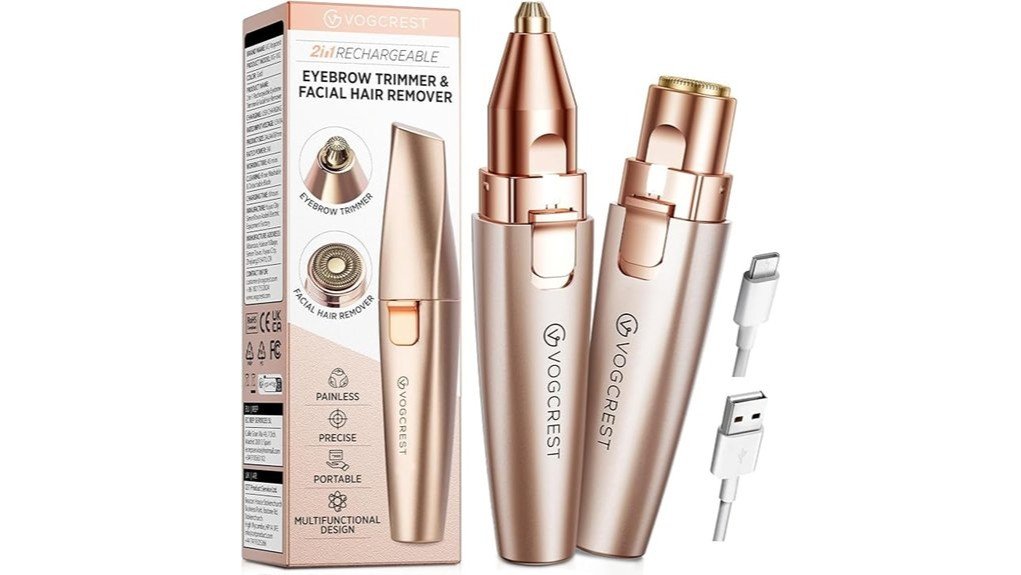
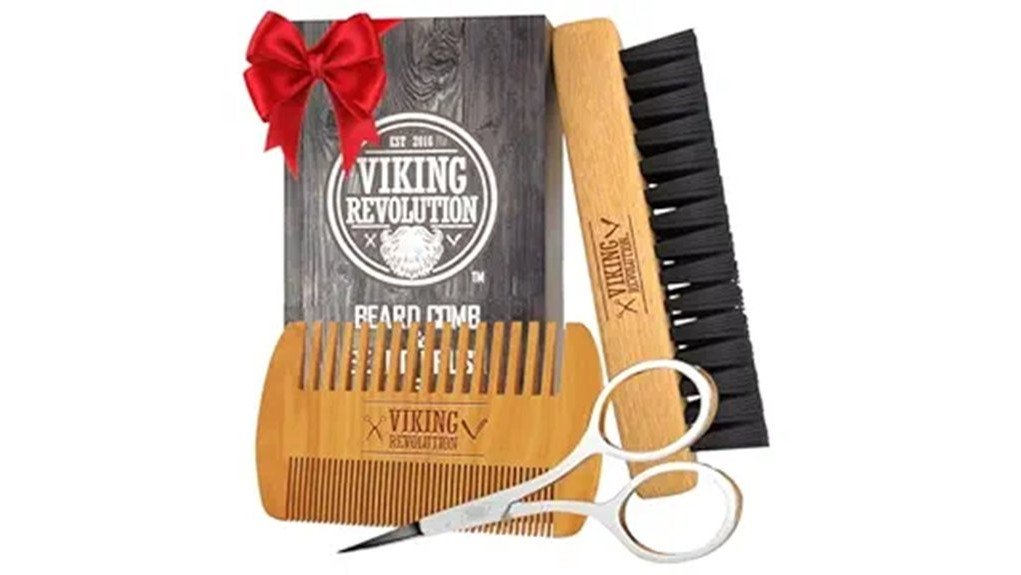
- Trim long hair first: Use clean grooming scissors or an electric trimmer with a short guard to take hair down to about 1/4 inch (6 mm) so the razor does not tug or clog.
- Cleanse and soften with warm water: Wash external skin gently in a warm shower for 2 to 3 minutes so coarse hair absorbs water and becomes easier to cut cleanly.
- Apply a thin, even layer of fragrance-free cream or gel: Coat the external area evenly and wait 30 to 60 seconds before starting.
- Hold skin taut and shave with the grain: Use a clean, sharp razor (a single-blade or sensitive 1–2 blade razor often causes fewer ingrowns than 5-blade cartridges—see whether safety razors are better for sensitive skin). Take short, light strokes in the direction of hair growth, rinsing the blade after every stroke.
- Avoid repeat passes against the grain: Chasing baby-smooth closeness by going against the grain dramatically raises the risk of razor bumps and ingrown hairs.
- Rinse cool and moisturize externally: Rinse thoroughly with cool water, pat dry with a clean towel (never rub), and apply a thin layer of plain, fragrance-free moisturizer or pure aloe gel to external skin.
Aftercare Checklist to Prevent Razor Bumps and Ingrown Hairs
- Wear loose, breathable cotton underwear for the first 24 hours to minimize sweat and waistband friction.
- Skip heavy workouts, hot tubs, and scented lotions for 24 hours after shaving while follicles calm down.
- Exfoliate gently between shaves (not right before): A soft washcloth a day or two after shaving helps keep dead skin from trapping regrowing hairs.
- Never share or store a wet razor in a puddle: Rinse your razor thoroughly and store it dry outside direct shower spray to limit bacterial growth.
When to Pause Shaving and Seek Medical Care
If your skin develops persistent burning, open nicks, or clusters of raised bumps, stop shaving for at least 48 to 72 hours (or until completely healed) and use only lukewarm water and a bland barrier ointment on external skin. Consult a healthcare professional if you notice pus-filled lesions, spreading warmth or redness, swelling, worsening pain, or fever, as these can signal a skin infection (folliculitis) or another condition that needs proper treatment.
Frequently Asked Questions
Can you use regular facial or body shaving cream on pubic hair?
Only if it is fragrance-free, alcohol-free, and dye-free—and even then, keep it strictly on external skin away from internal mucous membranes. Standard scented or mentholated shaving foams frequently cause stinging, redness, and irritation in the groin and bikini area.
Is trimming safer than shaving pubic hair?
Yes. Trimming with a clean electric trimmer and guard avoids direct blade-to-skin scraping, which greatly lowers your risk of razor burn, nicks, and painful ingrown hairs.
Should you shave pubic hair before or after a warm shower?
Shave during or right after a warm shower. Warm water softens coarse pubic hair and cleanses away sweat and surface bacteria, letting the razor glide with far less tugging.
How often should you replace a razor used for pubic shaving?
Replace the blade every 5 to 7 shaves, or immediately if you notice any tugging, rust, or increased redness. Dull blades drag across delicate skin and raise the risk of bumps and micro-cuts.
Can you use shaving cream on freshly waxed pubic skin?
No. Waxing temporarily sensitizes the skin barrier and leaves follicles open. Wait at least 48 hours—or until all redness and tenderness have completely resolved—before applying shaving products or shaving.