

If you are asking are safety razors better than cartridge razors, the answer is yes for most people who struggle with razor burn, ingrown hairs, high refill costs, or plastic waste. A double-edge safety razor uses one sharp steel blade that cuts hair cleanly at skin level with less friction, though it requires a brief learning curve to master the 30-degree blade angle and light-pressure technique.
Are Safety Razors Better Than Cartridge Razors? Side-by-Side Comparison

Both tools can give you a smooth shave, but they work very differently against your skin. Comparing them across irritation, cost, maintenance, and convenience shows where each one wins.
| Factor | Double-Edge Safety Razor | Multi-Blade Cartridge Razor |
|---|---|---|
| Blades per pass | 1 sharp double-edge blade | 3 to 5 stacked blades |
| Skin irritation & ingrown hairs | Lower risk when used properly; cuts hair at skin level | Higher risk on sensitive or curly hair due to lift-and-cut action and repeat friction |
| Clogging & rinsing | Open blade gap rinses clean easily | Narrow spaces between blades trap hair and thick lather |
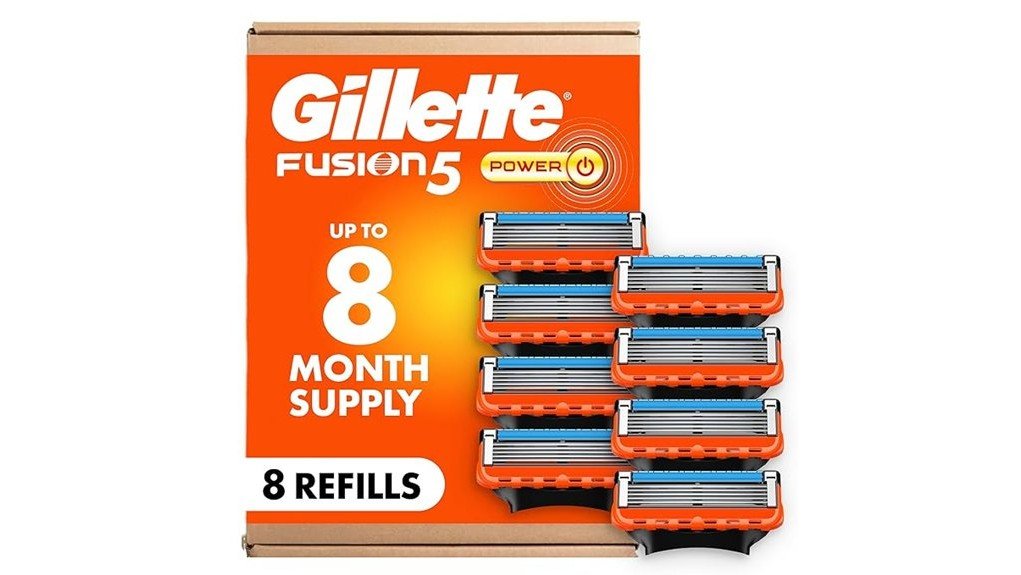
| Upfront vs. ongoing cost | Higher initial handle purchase, very low ongoing blade refill cost | Low handle cost, significantly higher recurring cartridge refill cost |
| Plastic waste | Metal handle lasts years; steel blades are recyclable in a blade bank | Plastic cartridge heads are discarded every few shaves |
| Learning curve & speed | Short learning curve (30° angle, no pressure); slightly slower at first | Pivoting head forgives angle errors; fast for rushed routines |
| Carry-on air travel | Empty handle allowed; loose blades must go in checked bags | Allowed in carry-on luggage |
Why Safety Razors Often Reduce Irritation and Razor Bumps
Every time a five-blade cartridge sweeps across your cheek or neck, five separate edges scrape the outer skin barrier on a single stroke. Dermatologists frequently recommend switching to a single-blade or double-edge razor for people prone to razor burn or razor bumps (pseudofolliculitis barbae) because one clean edge minimizes mechanical friction.
- Cuts at skin level: Multi-blade cartridges are designed so the first blade pulls a hair slightly out of the follicle while trailing blades cut it below the skin line, which can cause coarse or curly hairs to grow inward. A single blade severs the hair flush with the skin.
- Less temptation to reuse dull blades: Because double-edge replacement blades are inexpensive, you are more likely to swap in a fresh, sharp blade every 5 to 7 shaves instead of dragging a worn cartridge across your face.
- Cleaner rinses: Hair and cream flush out easily, so the edge stays clear and cuts consistently without tugging.
Pairing a safety razor with a slick, moisturizing lather makes an even bigger difference—learn what shaving cream does to cushion your skin before your next shave.
The 30-Degree Safety Razor Technique (Step by Step)
Most beginner nicks come from using cartridge-razor habits—specifically pressing too hard or holding the handle at the wrong angle. Follow these five steps for a calm, close shave:
- Hydrate and lather thoroughly: Shave after a warm shower or warm towel compress, then apply a rich, wet shaving cream or soap. (If you ever run out, check what to use besides shaving cream so you never shave dry.)
- Find the ~30-degree blade angle: Place the rounded top cap against your skin with the handle sticking straight out, then slowly tilt the handle down until the blade touches your beard—about a 30-degree angle from the skin surface.
- Use zero added pressure: Let the weight of the metal razor glide downward on its own. Pressing into the skin does not make the shave closer; it causes razor burn.
- Take short strokes with the grain: Shave in the direction your hair grows first, rinsing the head frequently. Relather before making an optional second pass across the grain.
- Rinse cool and dry your blade: Rinse your face with cool water, apply a fragrance-free moisturizer, and shake out and air-dry the razor outside a steamy shower.
For a deeper walkthrough of grain mapping, blade selection, and loading your handle safely, read our full guide on how to use a safety razor.
Pros and Limitations: When a Cartridge Razor Still Makes Sense
- Choose a safety razor if: You get razor burn or ingrown hairs from multi-blade cartridges, shave regularly and want lower long-term blade costs, prefer less plastic waste, or enjoy a deliberate wet-shaving routine.
- Stick with a cartridge razor (or keep one as backup) if: You frequently travel carry-on only without checking bags, want a pivoting head for fast blind strokes in the shower, or have limited hand steadiness where a fixed-angle blade feels uncomfortable.
Safe Blade Storage and Disposal Checklist
- Never wipe the sharp edge with a towel: Wiping dulls the micro-edge and risks cutting your fingers; simply rinse under warm water and let it air-dry.
- Use a rigid blade bank: Drop used double-edge blades into a sealed metal tin or dedicated blade disposal bank—never loose in the trash.
- Start mild: Beginners should pick a mild closed-comb safety razor and try a blade sampler pack, since blade sharpness and coating feel different across skin and hair types.
Frequently Asked Questions
What angle should you hold a safety razor?
Hold the blade at roughly a 30-degree angle to your skin. A quick way to find it is to place the top cap flat against your cheek, then tilt the handle downward until the blade just makes contact with your stubble.
How often should you replace double-edge safety razor blades?
Most wet shavers replace a double-edge blade every 5 to 7 shaves, or sooner if you have very coarse hair or feel any tugging, chatter, or increased redness.
Are safety razors better for razor bumps and ingrown hairs?
Often yes. Multi-blade cartridges can pull hair slightly upward and cut it below the skin surface, which encourages curly or coarse hair to curl back into the skin. A single sharp blade cuts cleanly at skin level with fewer passes over the same spot.
Can beginners learn to use a safety razor without cutting themselves?
Yes. Most beginners get comfortable within 3 to 5 shaves by starting with a mild closed-comb razor, using plenty of slick lather, maintaining a 30-degree angle, and letting the weight of the metal handle do the work with almost no hand pressure.
Are safety razors allowed in carry-on luggage?
Under TSA rules in the United States, the empty safety razor handle is allowed in carry-on luggage, but loose double-edge blades are prohibited in carry-on bags and must be packed in checked luggage (or bought at your destination).

[…] burn or weepers. If you are still deciding whether to switch from cartridges, our comparison on whether safety razors are better than cartridge razors breaks down cost, closeness, and skin […]
[…] you are weighing a switch from multi-blade refills to a traditional metal handle, our breakdown of whether safety razors are better than cartridge razors compares long-term skin comfort, refill expenses, and plastic waste side by […]
[…] you are still deciding between a double-edge handle and multi-blade disposables, our comparison of whether safety razors are better than cartridge razors breaks down blade economics and ingrown-hair rates. You can also explore blade coatings and […]
[…] alike—if you are deciding which razor hardware best matches a slick lather, see our breakdown of whether safety razors are better than cartridge razors. One practical trade-off of dense white foam is reduced visibility around sharp beard or mustache […]