

If you have ever wondered what does shaving cream do, it performs three essential jobs during wet shaving: it locks water into hair shafts to soften tough stubble, creates a slick lubricating film so the razor glides with less friction, and cushions the skin barrier to reduce nicks, tugging, and razor burn. It also acts as a visual map so you can see where you have already shaved and avoid unnecessary repeat passes.
What Does Shaving Cream Do for Your Skin and Hair?

Dry facial and body hair is surprisingly tough—similar in resistance to fine copper wire of the same thickness—and scraping a sharp blade directly across dry skin strips away protective surface lipids. A well-formulated shaving cream protects your skin in four practical ways:
- Hydrates and softens hair: Water-rich lather penetrates the outer cuticle of each hair shaft, making stubble swell and bend more easily so the blade slices cleanly instead of tugging at the follicle.
- Reduces blade friction: Slip agents coat the skin with a low-resistance film that lets the razor glide using light pressure.
- Cushions the skin barrier: Creamy lather disperses blade contact and lowers the risk of micro-abrasions, redness, and stinging.
- Tracks your strokes: Visible lather shows exactly which areas you have already cleared, helping prevent over-shaving the same spot.
When you run out of lather mid-routine, you still need a skin-safe lubricant—see our guide on what to use besides shaving cream for safe household backups.
Key Ingredients That Make Shaving Cream Effective
Not all shaving creams protect equally. Reading the ingredient label helps you separate protective, moisturizing formulas from drying aerosol foams.
| Ingredient Group | Common Examples | What It Does |
|---|---|---|
| Humectants | Glycerin, propylene glycol | Draws and holds water against the hair shaft and skin during the shave. |
| Lubricants & Emollients | Stearic acid, myristic acid, shea butter, jojoba oil, dimethicone | Creates slick razor glide and leaves skin soft rather than tight. |
| Mild Surfactants | Sodium cocoyl isethionate, potassium cocoate | Lifts surface oil so water can penetrate hair and helps lift debris cleanly. |
| Soothing Agents | Aloe vera, colloidal oatmeal, allantoin, panthenol | Calms sensitive skin and helps minimize post-shave redness. |
| Ingredients to Limit | Denatured alcohol, strong synthetic fragrance, heavy menthol | Can dry out the barrier or sting sensitive and freshly shaved skin. |
Shaving Cream vs. Gel vs. Aerosol Foam
The best texture depends on your hair coarseness, skin sensitivity, and whether you need clear visibility for edging.
| Product Type | Lather & Cushion | Visibility | Best For |
|---|---|---|---|
| Traditional Tube / Bowl Cream | Rich, dense, high cushion | Low (opaque) | Coarse facial hair, dry or sensitive skin, and safety razors |
| Shaving Gel (Foaming or Clear) | Medium cushion, very slick | High (clear) to medium | Beard edging, sideburns, and precise line-ups |
| Aerosol Canned Foam | Airy, fast, lower moisture | Low (opaque) | Quick convenience shaves on resilient skin |
If you shave with a single-blade handle, richer tube creams or shaving soaps generally outperform airy canned foams—see our comparison on whether safety razors are better than cartridge razors for matching lather to blade type.
How to Apply Shaving Cream Properly (5 Steps)
- Wet the area with warm water first: Shave right after a shower or hold a warm, damp washcloth over the skin for 2 to 3 minutes so hair absorbs water before lather goes on.
- Apply a thin, even coat: Spread a quarter-sized amount of cream across damp skin using clean fingers or a damp shaving brush in gentle circular motions to lift hairs.
- Wait 30 to 60 seconds: Giving the cream a brief pause lets water and emollients soften coarse bristles before the first pass.
- Shave with the grain using light pressure: Use short strokes in the direction of hair growth, rinsing the blade under warm water after every stroke or two. Reapply a light layer before any second pass—never shave bare skin.
- Rinse cool and moisturize: Rinse off all residue with cool water, pat dry with a clean towel, and apply an alcohol-free, fragrance-free moisturizer or balm.
Choosing Shaving Cream for Sensitive or Delicate Skin
Dermatologists at the American Academy of Dermatology recommend moisturizing, fragrance-free shaving creams for anyone prone to razor burn or razor bumps. Skip formulas heavy in alcohol, dyes, or cooling menthol, which can trigger stinging after blade contact.
Delicate zones such as the bikini line or groin need extra care—our guide to choosing shaving cream for pubic hair covers gentle ingredients and bump-prevention steps in detail.
What Shaving Cream Cannot Fix Alone
- Dull blades: Even the richest lather cannot prevent tugging if your razor blade is worn out (replace blades every 5 to 7 shaves, or sooner if they drag).
- Heavy pressure or against-the-grain first passes: Pressing hard scrapes the top layer of skin and pushes hair below the surface, increasing ingrown hair risk.
- Skipped hydration: Applying cream to completely dry skin cuts its softening effect sharply.
Frequently Asked Questions
Can you shave with just water instead of shaving cream?
You can in an emergency, but water evaporates quickly and offers very little lubrication. Dry or water-only shaving increases blade drag, tugging, micro-nicks, and razor burn—especially on coarse hair or sensitive skin.
How much shaving cream should you use per shave?
Use enough to coat the entire shaving area in a thin, even, opaque layer—typically about a quarter-sized dollop for the face and neck, or more for larger body areas. Overloading thick foam does not improve glide and can clog multi-blade cartridges.
Does shaving cream work with electric shavers?
Only if your electric shaver is explicitly rated for wet/dry use. Many foil and rotary electric shavers are designed for dry shaving and can be damaged or perform poorly with thick lather, so check your manual first.
Can shaving cream expire or go bad?
Yes. Most pressurized cans and tubes last 1 to 3 years unopened, or about 12 months after opening. Discard shaving cream if it separates into watery liquid, smells sour, changes color, or stops producing a smooth lather.
Is shaving cream safe for body and sensitive areas?
Yes, provided you pick a fragrance-free, alcohol-free moisturizing formula for delicate areas. Avoid heavily scented or mentholated creams on sensitive zones like the bikini line or underarms.

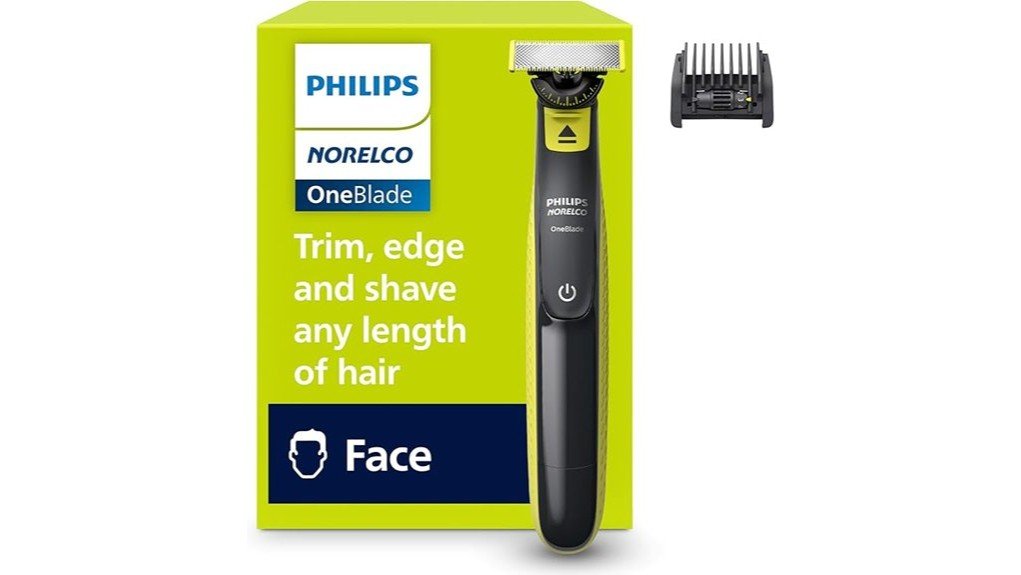

[…] waterproof electric shaver helps when dry passes leave your neck warm, red, or bumpy. Understanding what shaving cream does for facial hair and skin explains why: warm water and light lather hydrate tough hair cuticles so blades cut with less […]
[…] metal and skin. If you are curious about the science behind that cushion, see our breakdown of what shaving cream does for your skin. When that cushion is missing, your skin relies entirely on water hydration, blade sharpness, and […]
[…] shaver, product viscosity determines whether the cutters glide smoothly or bog down. Understanding how shaving cream lubricates skin helps you pick a thin formula that cushions without choking the […]