This beard oil usage frequency guide shows you how to adapt your conditioning schedule for real-world variables—humid summers, dry winter heating, hard-water showers, gym workouts, and swimming—instead of following a rigid one-size-fits-all routine. While once daily works as a baseline, dialing back in high humidity and adding a light post-rinse touch-up after chlorine, saltwater, or dry winter wind keeps facial hair soft without grease or breakouts.
Quick Answer
Scale beard oil down to a lighter dose (or every other day) in hot, humid weather; keep once-daily morning use plus an optional light evening touch-up in dry winter climates; and always rinse fresh water through your beard before reapplying a half-dose after heavy workouts or swimming.
Beard Oil Usage Frequency Guide by Climate and Activity
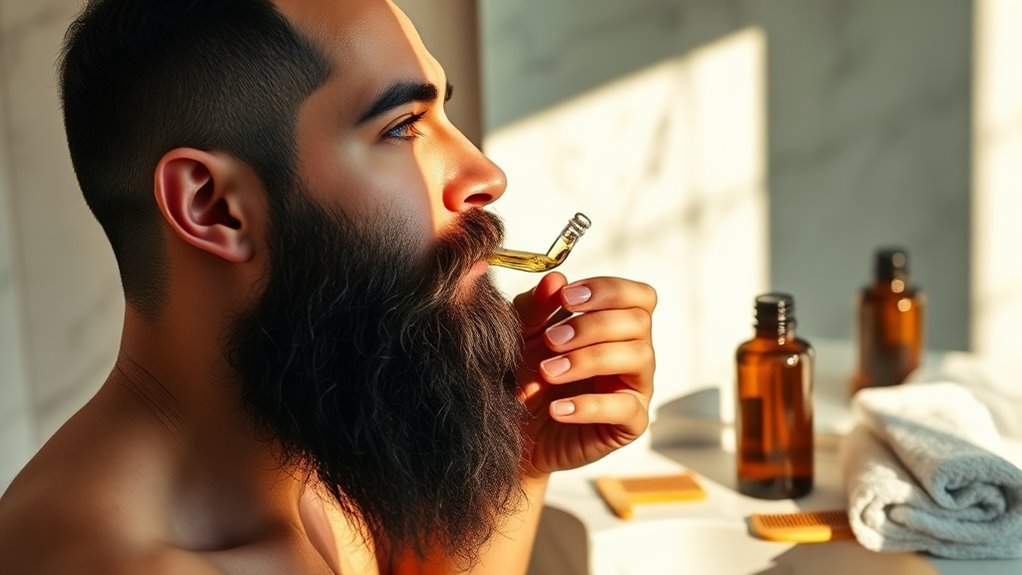
If you only need a standard baseline drop count by beard length, start with our guide on how often to apply beard oil. Once you know your baseline, use the matrix below to adjust frequency and dose when weather, water quality, or daily activities shift.
| Condition / Activity | Recommended Frequency | Practical Adjustment |
|---|---|---|
| Humid / Tropical Climate | Every other day or light 1×/day | Cut 1–2 drops, choose lightweight oils, wait 5 minutes indoors before going out |
| Dry Winter / Indoor Heating | 1×/day + optional light PM touch-up | Apply on damp beard after shower; layer a small dab of beard balm to slow moisture loss |
| Hard-Water Washing | 1×/day after damp pat-dry | Wash with mild cleanser 2–3×/week (not harsh soap daily); remove mineral buildup before adding extra oil |
| Gym & Heavy Sweating | Light reapplication after post-workout rinse | Rinse away salt and sweat first; apply half your normal drop count to damp hair |
| Pool Chlorine / Ocean Swim | Before/after swim rinse + post-swim oil | Wet beard with fresh water before swimming; rinse immediately afterward and replenish oil |
Humid Summer vs. Dry Winter Climate Adjustments
Ambient humidity changes how quickly moisture evaporates from facial hair and skin:
- High humidity and summer heat: Sweat and moist air already soften whiskers, so heavy doses sit on the hair shaft, look glossy, and feel sticky outdoors. Trim your drop count by 25% to 40%, favor fast-absorbing carrier oils (such as jojoba or grapeseed), and let the oil settle indoors for five minutes before heading into humid air.
- Dry winters, arid regions, and forced-air heating: Low indoor humidity pulls water rapidly from the skin beneath your beard, triggering tightness, static frizz, and dry flakes. Apply your normal dose right after a lukewarm—not scalding hot—shower, and consider adding 1 to 2 drops in the evening or sealing the outer hair with a light beard balm.
If you blend your own formulas to switch between lighter summer oils and richer winter blends, see our DIY beard oil recipe guide for carrier-oil weights and safe essential-oil ratios.
Managing Hard-Water Washing Without Over-Oiling
Hard tap water contains dissolved calcium and magnesium salts that bind to soap residue and coat hair cuticles. The result feels deceptively like dryness—stiff, wiry whiskers and dull shine—which tempts many men to double their beard oil frequency.
- Avoid daily harsh bar soap: Wash with a gentle, pH-balanced beard wash 2 to 3 times a week and rinse with plain lukewarm water on off-days.
- Consider a shower filter: Reducing mineral load and chlorine at the showerhead improves softness more than piling on extra oil.
- Apply promptly while damp: Pat your beard with a clean towel and massage your regular drop count into the skin while hair is still slightly damp. For the exact skin-first technique, review our step-by-step guide on how to apply beard oil.
Gym, Sweat, and Swimming Reapplication Protocol
Exercise and water sports stress facial hair in different ways, but both call for rinsing before reapplying oil:
- After gym sessions: Dried sweat leaves salt crystals that irritate skin under a beard. Never layer fresh oil over a sweaty beard—rinse with lukewarm water (or cleanse gently after heavy cardio), pat damp, and apply half your usual drop count if your beard feels stripped.
- Before and after swimming: Chlorine and ocean saltwater strip protective lipids fast. Wet your beard thoroughly with fresh tap water right before entering the pool or ocean (saturated hair absorbs less chlorinated or salty water), rinse immediately afterward, wash gently, and reapply beard oil while damp.
Morning vs. Nighttime Beard Oil Routine
Choosing morning, night, or a split schedule depends on when you shower and how dry your skin runs:
- Morning routine (best for most men): Applying after a morning shower tames bedhead, reduces comb snagging, and gives subtle daytime conditioning. Wait a couple of minutes before layering beard balm for hold.
- Nighttime routine (best for dry winters or long beards): If you shower at night or wake up with wiry, parched whiskers, apply a light leave-in dose 15 to 20 minutes before bed so it absorbs cleanly without staining your pillowcase.
- Twice-daily split (only when needed): Reserve morning-and-night applications for long, coarse beards in dry climates or days with a mid-day swim or workout—and cut back immediately if your skin feels slick or breaks out.
Dermatology Note: Increasing beard oil frequency will not fix every itchy or flaky beard. Per the American Academy of Dermatology, acne-prone skin often tolerates a non-comedogenic beard conditioner better than oil, and persistent redness with greasy scales may signal seborrheic dermatitis requiring a medicated cleanser rather than extra oil.
Pros and Limitations of Adjusting Beard Oil Frequency
- Pros: Prevents summer greasiness and clogged pores, keeps winter beards soft through indoor heating, and protects whiskers from chlorine, saltwater, and gym-sweat dehydration.
- Limitations: Requires paying attention to how your skin feels week to week rather than following a fixed drop number, and cannot compensate for harsh shampoos, hard-water buildup, or untreated skin conditions.
Frequently Asked Questions
Should you reapply beard oil after working out or swimming?
Yes, after rinsing and patting dry. Sweat, pool chlorine, and ocean salt strip natural oils from facial hair. Rinse with fresh water right after swimming or exercising, towel-dry until slightly damp, and apply a light half-dose of beard oil rather than layering oil over unwashed sweat.
How should I adjust beard oil frequency in humid summer weather?
Cut back by 1 to 2 drops per application, switch to a lighter carrier oil such as jojoba or grapeseed, or apply every other day if your beard looks glossy or feels sticky outdoors. Allow at least 5 minutes indoors for absorption before stepping into heavy humidity.
Does hard water mean I need to use beard oil more often?
Hard water minerals can leave whiskers feeling stiff and dry, but adding extra oil on top of mineral buildup rarely fixes the problem. Instead, use a gentle beard wash 2 to 3 times a week, consider a shower filter, and apply your normal oil dose while your beard is still damp.
Is it better to apply beard oil in the morning or at night?
Both work well depending on your environment. Morning application after a shower softens hair for daytime grooming, while a light nighttime application helps long beards or dry winter skin recover overnight—just apply 15 to 20 minutes before bed to avoid transferring oil to your pillowcase.
Can applying beard oil twice a day cause breakouts?
It can if your skin is oily or acne-prone, or if you apply heavy doses over sweat and buildup. If you notice clogged pores or new bumps, drop back to once daily or switch to a lightweight, non-comedogenic beard conditioner as recommended by the American Academy of Dermatology.