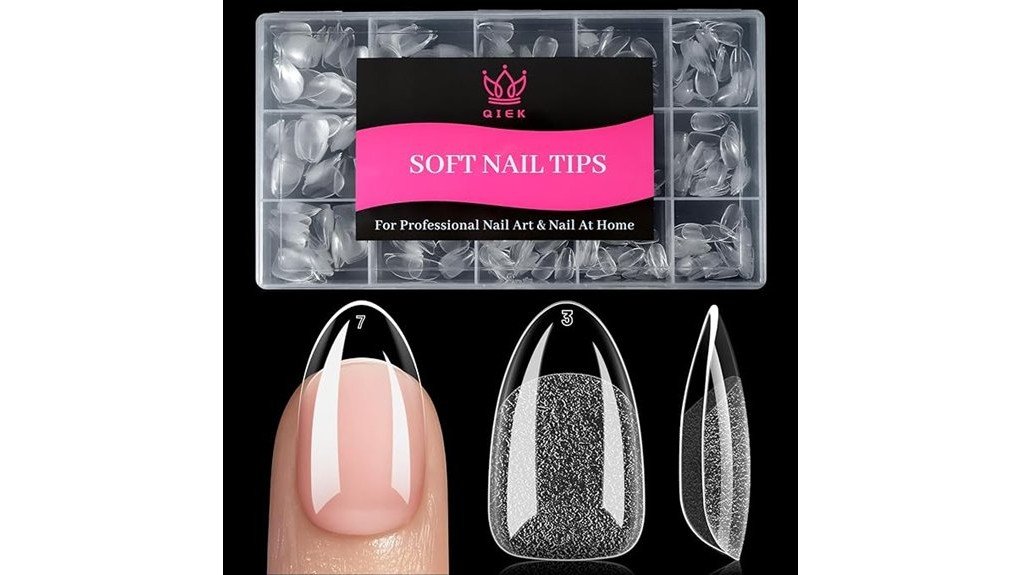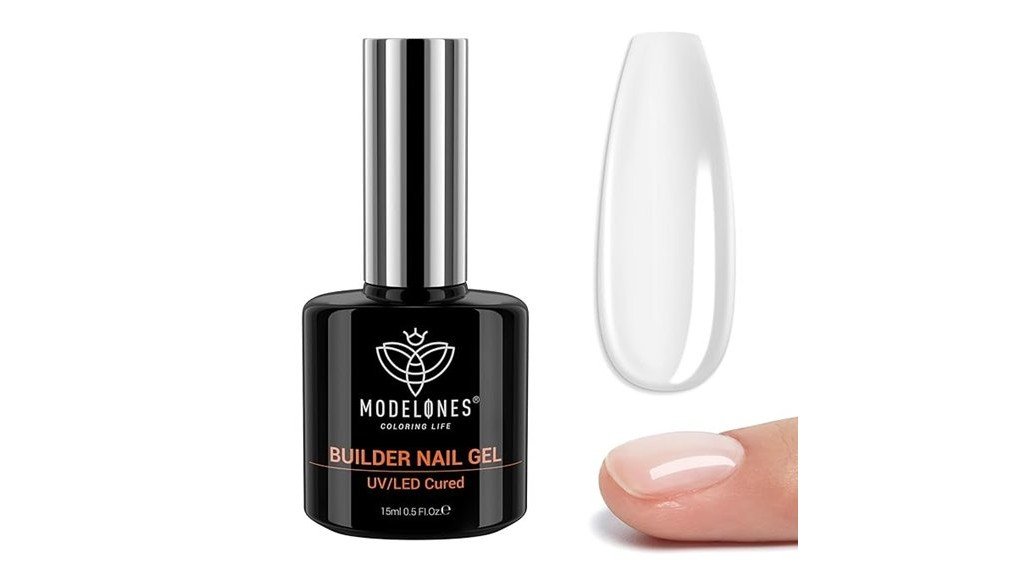
If you are wondering is polygel the same as builder gel, the direct answer is no: while both are UV/LED-cured nail enhancement formulas, polygel is an acrylgel hybrid blending acrylic powder polymers into a putty-like gel base (requiring slip solution to sculpt), whereas builder gel (including BIAB and hard gel) is a 100% oligomer gel formula with a self-leveling honey-like viscosity.
If you’re wondering whether polygel and builder gel are the same, the short answer is no. They both strengthen nails and need curing, but they behave very differently in your hands. Polygel stays put for more controlled shaping, while builder gel self-levels and creates a smoother surface. The way you apply each one can change the final result quite a bit, and that difference matters more than you might think.
What Is Polygel?

Polygel is a hybrid nail enhancement that combines the flexibility of gel with the strength of acrylic, giving you a lightweight, moldable product that cures under a UV or LED lamp.
You can shape it before curing, so you control thickness, apex, and length with precision. It doesn’t self-level as quickly as liquid gel, which gives you more working time and reduces rush.
During application techniques, you’ll usually use a slip solution or similar medium to move the product without sticking. Its putty-like consistency helps you build structure with less runoff, so your work stays cleaner and more intentional.
Use a slip solution to shape polygel smoothly, keeping control, structure, and a cleaner application.
After you finish shaping, the curing methods lock the material into a durable finish. You’ll still need proper prep, controlled pressure, and even lamp exposure to avoid weak spots.
When you want strength without giving up freedom of design, polygel gives you that balance.
What Is Builder Gel?
Builder gel is another type of nail enhancement product, but it comes in a thicker gel formula designed to add structure, strength, and length with a smoother, more self-leveling finish. You can use it to reinforce natural nails or create extensions, depending on the service you want. It cures under a UV or LED lamp, giving you a controlled, salon-ready result.
| Feature | Builder Gel | Purpose |
|---|---|---|
| Formula | Thick gel | Adds structure |
| Use | Overlay or extension | Supports nail enhancements |
| Cure | UV/LED light | Hardens the product |
Understanding these product differences helps you choose the right system for your clients or personal routine. You get a versatile option that balances flexibility and support without excess bulk. When you want polished, durable nail enhancements, builder gel gives you a professional base that works with your technique and frees you to shape the final look with precision.
Polygel vs Builder Gel: Texture, Strength, and Wear
You’ll notice that polygel has a thicker, putty-like texture that stays in place, while builder gel is smoother and more self-leveling.
Polygel usually offers more flexibility, whereas builder gel tends to feel firmer and can provide greater structural support.
These differences can also affect wear time, since proper application and curing determine how well each product resists lifting, breakage, and daily stress.
Texture And Consistency
Although both products aim to build durable nail enhancements, their texture and consistency set them apart right away.
You’ll notice polygel has a thick, putty-like feel that stays in place until you shape it, while builder gel flows more smoothly and self-levels with less manipulation.
That difference affects your application techniques, because polygel usually needs a spatula, brush, and slip solution, whereas builder gel responds more like a traditional gel.
The product ingredients also influence the finish: polygel blends acrylic powder with gel resin, and builder gel uses a denser gel formula.
If you want more control, polygel gives you a hands-on sculpting experience.
If you prefer a softer, more fluid product, builder gel feels more workable and less resistive during application.
Strength And Flexibility
When it comes to wear, both polygel and builder gel offer strong enhancements, but they don’t behave identically under pressure.
You’ll notice polygel feels firmer and slightly more rigid, which can boost structural support on long extensions or sculpted shapes. Builder gel, by contrast, usually provides a more elastic response, letting the enhancement move with the natural nail.
In this durability comparison, polygel often suits you when you want crisp architecture, while builder gel may feel more forgiving if your nails flex more during daily tasks.
Your flexibility analysis should focus on your nail plate, lifestyle, and desired finish.
Neither product is inherently better; each gives you a different balance of strength, control, and freedom to choose what supports your nails best.
Wear Time Differences
Wear time depends less on the product name and more on how each formula handles stress, prep, and maintenance.
In your wear time comparison, polygel often feels lighter, but builder gel can resist daily impact better when applied correctly. Your durability factors include nail prep, apex placement, curing, and exposure to water or chemicals.
- Polygel may flex more under pressure.
- Builder gel often holds shape longer.
- Proper prep reduces lifting for either system.
- Regular fills extend safe wear and stability.
If you want longer wear, choose the system that matches your lifestyle, not marketing claims.
You can keep either service strong by protecting your nails, avoiding excessive force, and booking timely maintenance.
How Polygel Is Applied to Nails
Before you start, a nail technician prep cleans, lightly buffers, and dehydrates the natural nail, then applies a base layer that helps the polygel bond.
You then use the application technique to squeeze a small bead from the tube, place it near the cuticle, and guide it with a brush dipped in slip solution.
Because polygel stays put, you can sculpt the apex and free edge with control, without rushing. This gives you room to create a shape that feels clean, strong, and fully yours.
Next, the curing process locks the product in place under an LED or UV lamp for the manufacturer’s recommended time.
After curing, you may need a brief cleanse to remove any tacky layer, then refine the surface with light filing.
The result is a structured enhancement that supports length, style, and personal expression with precision and ease.
How Builder Gel Is Applied to Nails
You start by preparing the nails with proper sanitation, cuticle cleanup, light buffing, and dehydration to create a clean, balanced surface.
Next, you apply a thin base layer of builder gel and cure it before building the apex and structure with controlled brush strokes.
You then refine the shape, cure each layer as directed, and finish with filing and top coat for a smooth, durable result.
Nail Prep Steps
To apply builder gel correctly, start with thorough nail prep so the product can adhere properly and wear longer.
You’ll begin by sanitizing your hands, then gently push back cuticles with essential tools and remove any nonliving tissue from the nail plate.
File the free edge into shape, then lightly buff the surface to eliminate shine without thinning the nail.
Clean away dust with a lint-free wipe and a dehydrating cleanser so no oils remain.
This nail preparation step protects your results and supports clean, controlled application.
- Sanitize hands and tools
- Push back cuticles carefully
- Buff the nail surface lightly
- Remove dust and oils completely
Gel Application Process
Now that the nail is prepped, apply builder gel in thin, controlled layers to create strength and structure without flooding the cuticle area.
You’ll usually float the first coat over the natural nail, then build the apex with a second pass, using precise application techniques to guide the product where support is needed most.
Keep your brush light and avoid overworking the gel, since excess movement can cause uneven leveling. Cure each layer fully under the manufacturer’s recommended lamp.
If you’re comparing product differences, remember builder gel stays self-leveling and firm, while polygel needs more manual shaping.
Finish by refining the surface, then seal it with top coat for durable, liberated wear that supports length, balance, and clean architecture.
Which Lasts Longer on Natural Nails?
On natural nails, longevity usually depends more on application quality and nail prep than on the material itself, though builder gel often edges out polygel in wear time when both are applied correctly.
In a durability comparison, builder gel typically resists lifting and flexes with your nail plate more evenly. Polygel can still last well, but its thicker structure may feel slightly less forgiving on very bendy nails.
Your user preferences matter too: if you want a lighter feel and easier shaping, polygel may suit you; if you want maximum retention, builder gel often performs better.
If you want a lighter feel and easier shaping, polygel may suit you; for maximum retention, builder gel often performs better.
- Dehydrated, dust-free nails improve adhesion
- Thin, even product layers reduce stress points
- Proper curing supports long-term wear
- Cuticle sealing limits early lifting
Either option can give you dependable, self-directed wear when you follow prep and maintenance with care.
Which Is Better for Nail Extensions?
For nail extensions, builder gel usually has the edge if you want a stronger, more structured enhancement with a smoother apex and better support for length.
You’ll notice it self-levels well, so you can refine the shape with fewer corrective passes and less bulk at the free edge.
Polygel still works beautifully, especially when you want more control during sculpting, but its thicker texture demands more hands-on shaping.
In a durability comparison, builder gel often resists flex and daily stress better on longer extensions.
Your application techniques matter too: with builder gel, you can overlay forms or tips more efficiently, while polygel rewards you when you need precise placement and less runoff.
If you’re prioritizing a sleek architectural finish and dependable reinforcement, builder gel’s performance usually feels more empowering.
If you want lighter tactile control, polygel can still deliver.
How to Choose Between Polygel and Builder Gel
Choosing between polygel and builder gel comes down to how you like to work and what kind of result you need. If you want more control and less self-leveling, polygel may suit your application techniques. If you prefer a smoother spread and a traditional sculpting flow, builder gel can feel more intuitive.
Consider how much freedom you want during shaping, because both products support strong enhancements, but they behave differently under the brush.
- Choose polygel for firmer handling and easy pinch control.
- Choose builder gel for seamless leveling and refined apex building.
- Compare cure time, filing effort, and product durability.
- Match the formula to your skill level and service goals.
When you select the right system, you work faster, reduce stress, and create nails that reflect your standards.
Neither product limits you; the better choice is the one that supports your method, protects your time, and delivers the finish you want.
Related Nail Enhancement Guides
- How to Do Home Acrylic Nails: Safe EMA Beginner Guide
- Can You Use Super Glue on Nails? Safety Risks & Fixes
- How to Remove Dip Powder Nails at Home: Warm Baggie Method
Frequently Asked Questions: Is Polygel the Same as Builder Gel?
Is polygel the same as builder gel for natural nail overlays?
No. Builder gel (especially soak-off BIAB) self-levels smoothly over natural nails for thin, flexible strength, whereas polygel is a thicker putty hybrid better suited for sculpting medium-to-long extensions with dual forms or paper forms.
Which is stronger: polygel or builder gel?
Polygel delivers higher rigid surface strength and impact resistance for long nail extensions because of its suspended acrylic powder polymers, while builder gel provides superior flexibility that bends with natural nail plates without cracking.
Is builder gel or polygel easier for beginners to apply?
Polygel is often easier for first-time DIY users because its zero-run putty consistency stays exactly where placed until cured under an LED lamp, whereas builder gel flows and requires quick self-leveling brush control.
Can you soak off both polygel and builder gel with acetone?
Soft builder gel (BIAB) and most polygels can be soaked off in 100% pure acetone after filing off the top seal, though polygel usually benefits from filing down 80% of the bulk first. Hard builder gel cannot be soaked off and must be filed down.
Can you use builder gel and polygel together on the same manicure?
Yes. Many nail technicians apply a thin cured rubber or builder gel base coat for superior natural nail adhesion before sculpting the free-edge extension with polygel.