
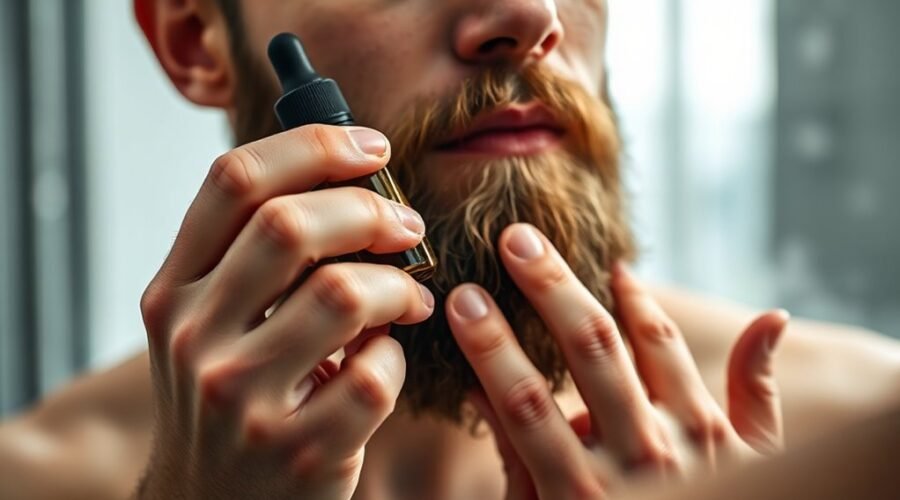
To master how to apply beard oil without a greasy finish, wash your beard in a warm shower, pat it until slightly damp, warm 2 to 10 drops between your palms (based on beard length), massage the oil into the skin underneath first, and comb it outward to the tips. Reaching the skin beneath the hair—not just coating the outer strands—prevents dryness, beard itch, and roughness.
Quick Answer
Apply beard oil right after a warm shower on a clean, towel-damp beard. Rub a small amount across your palms, work your fingertips down to the skin along your cheeks, chin, and jawline, smooth the remaining oil through the beard hair, and finish with a wide-tooth comb or boar-bristle brush.
Why Applying Beard Oil to a Damp Beard Works Best
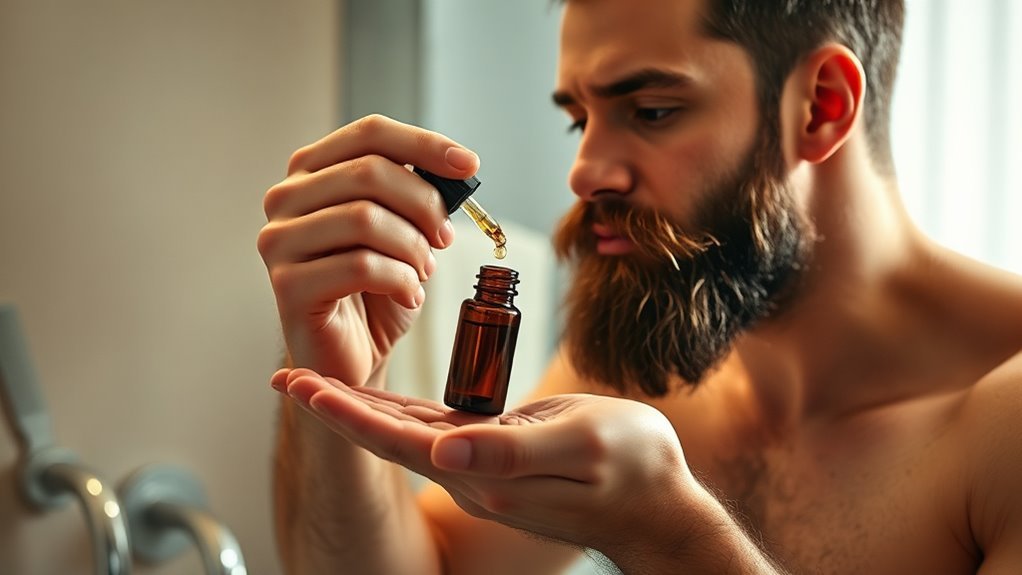
Beard oil does not add water on its own; instead, plant carrier oils such as jojoba, argan, sweet almond, or grapeseed coat the hair shaft and skin surface to slow moisture evaporation. Applying oil within a few minutes of stepping out of a warm shower—after gently patting away dripping water—traps light hydration while clean, softened hair lets a small amount spread evenly.
Your skin type matters just as much as your beard length. According to the American Academy of Dermatology (AAD), beard oil suits normal to dry skin best, whereas acne-prone skin often does better with a lightweight, non-comedogenic beard conditioner and sensitive skin benefits from a fragrance-free moisturizer.
How to Apply Beard Oil Step by Step
Follow this six-step sequence for stubble, short beards, or full-length beards:
- Wash gently: Cleanse your beard and face with lukewarm water and a mild beard wash or facial cleanser to clear sweat, sebum, and old product.
- Pat until damp, not dripping: Blot with a clean towel. Excess water makes oil slide off, while bone-dry whiskers require more drops and feel heavier.
- Measure into your palm: Drop the starting amount into one palm rather than directly onto your face so you control dosage.
- Spread across palms and fingertips: Rub your hands together for a few seconds to create a thin, even film.
- Massage the skin first: Push your fingertips beneath the beard along your cheeks, chin, and under-jawline using gentle circular motions—never scratch with fingernails.
- Coat hair and comb through: Draw your palms downward over the outer beard and mustache, then use a wooden wide-tooth comb or boar-bristle brush to distribute the oil evenly and detangle knots.
How Much Beard Oil to Use (Drop Guide by Length)
Always start at the bottom of your length range and add a single drop only if dry patches remain after combing. Your beard should feel supple—not slick or shiny.
| Beard Length | Starting Amount | Application Focus |
|---|---|---|
| Stubble / Short (< 1 inch) | 2–3 drops | Massage mostly into skin; avoid glossy surface buildup |
| Medium (1–3 inches) | 4–6 drops | Work roots along chin and sides, then comb toward ends |
| Long or Dense (3+ inches) | 7–10 drops | Part dense sections with fingers; finish dry tips and mustache last |
Once your application technique feels natural, dial in your daily schedule with our guide on how often to apply beard oil, or adjust for winter air, humidity, and workouts in our climate and activity beard oil frequency guide.
Common Application Mistakes and Skin Safety
- Skipping the skin underneath: Coating only the outer hair leaves dry, tight skin underneath and does little for itchiness.
- Applying over sweat or buildup: Layering oil onto an unwashed beard traps debris and increases pore congestion.
- Using too many drops at once: Heavy application weighs facial hair down and transfers onto shirt collars and pillowcases.
- Treating seborrheic dermatitis with extra oil: Ordinary dry flakes respond to conditioning, but persistent redness, greasy yellow scales, or an itchy rash may indicate seborrheic dermatitis, which requires a medicated cleanser rather than more oil (per AAD seborrheic dermatitis self-care guidance).
Patch-Test Warning: Even natural essential oils can trigger contact dermatitis. Before using a new scented blend daily, apply a drop to a small test area on your inner arm or jawline twice daily for 7 to 10 days (per AAD product-testing advice) and stop immediately if redness, burning, or swelling appears.
If you prefer full control over carrier oils and safe 1% to 2% essential-oil dilution ratios, see our DIY beard oil recipe guide.
Pros and Limitations of Beard Oil
- Pros: Softens coarse facial hair immediately, eases dry-skin itchiness, reduces comb snagging and breakage, and layers cleanly under beard balm.
- Limitations: Does not stimulate new hair follicles or fill genetic patches, provides almost no styling hold on its own, and can worsen breakouts on acne-prone skin if overapplied or heavily fragranced.
Frequently Asked Questions
Should you apply beard oil to a wet or dry beard?
Apply beard oil to a clean, slightly damp beard—ideally right after a warm shower once you have patted away dripping water with a towel. Damp hair cuticles spread oil more evenly and help trap residual moisture without leaving a heavy, greasy sheen.
How many drops of beard oil should I use?
Start with 2 to 3 drops for stubble or a short beard, 4 to 6 drops for a medium beard, and 7 to 10 drops for a long or dense beard. Always begin at the low end of the range and add one extra drop only if dry spots remain after combing.
Can beard oil cure beard dandruff?
Beard oil helps soothe flaking caused by ordinary dry skin, but it does not cure seborrheic dermatitis—a common cause of greasy yellow scales, redness, and persistent itching. If flaking continues or worsens, see a dermatologist for a medicated cleanser such as ketoconazole shampoo.
Does beard oil make facial hair grow faster or fill in patches?
No. Beard oil conditions existing hair shafts and moisturizes the skin underneath so your beard feels softer and looks neater, but it cannot create new hair follicles or override genetic growth patterns.
Should I apply beard oil before or after beard balm?
Always apply beard oil first to condition the skin and hair roots, comb it through evenly, and then layer a small amount of beard balm on top if you need extra hold or flyaway control.
Can beard oil cause breakouts on acne-prone skin?
Yes, heavy or heavily fragranced oils can clog pores or irritate reactive skin. The American Academy of Dermatology recommends a lightweight, non-comedogenic beard conditioner for acne-prone skin and a fragrance-free moisturizer for sensitive skin.

[…] Apply your finished blend right after a warm shower or face wash while your beard is towel-dried and slightly damp. Warm 2 to 4 drops between your palms for a short beard (or 5 to 8 drops for a longer beard), massage it into the skin beneath first, then smooth the rest through the hair shafts and comb through evenly. For a complete schedule by beard length and season, check our guide on how often to apply beard oil, or see our step-by-step beard oil application guide. […]