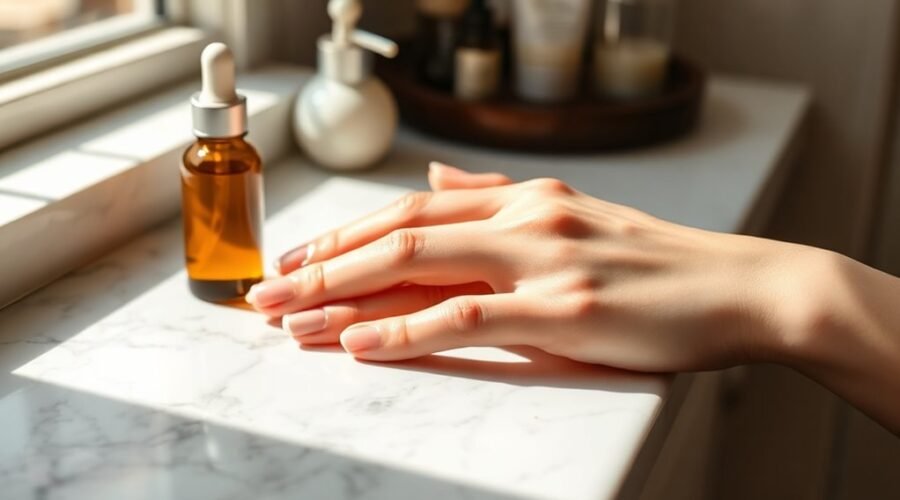
If you are wondering what is cuticle oil for, its main job is hydrating the dry skin and proximal nail fold around your nails to prevent cracking, hangnails, and brittle, peeling nail plates. Lightweight plant oils like jojoba and sweet almond mimic natural skin sebum so they absorb quickly and help manicures last longer.
What Is Cuticle Oil For and How Does It Work?
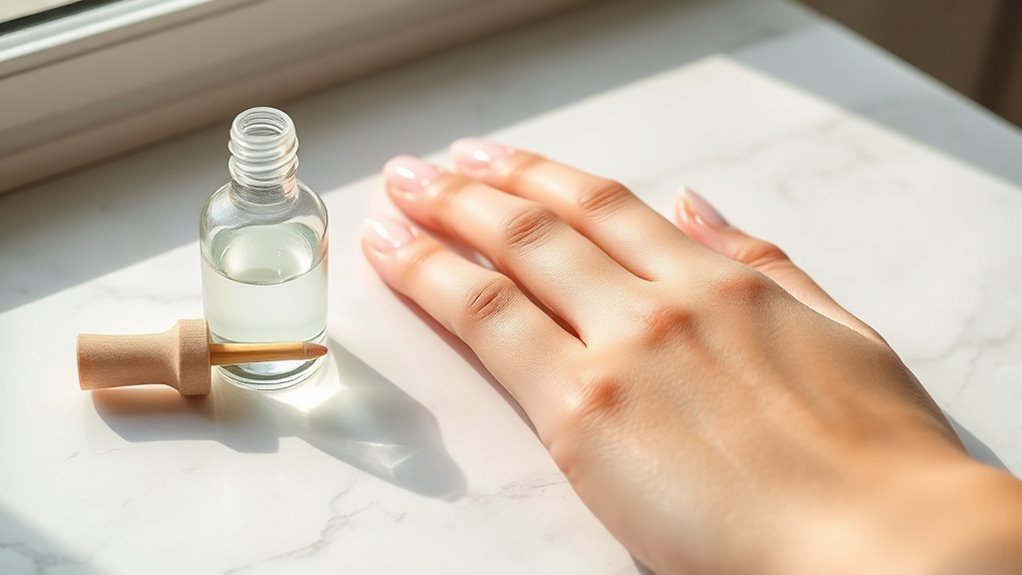
Cuticle oil helps condition the skin around your nails by sealing in moisture and reducing dryness, cracking, and peeling. You apply it to the cuticle area to support nail health by softening the proximal nail fold and improving moisture retention.
The oil forms a light occlusive layer that slows water loss from the surrounding skin, which helps maintain flexibility and comfort. Use it when your cuticles feel tight, rough, or exposed to frequent washing, solvents, or cold air.
A light occlusive layer helps slow water loss, keeping cuticles flexible, comfortable, and protected.
Massage a small amount into each nail unit, then let it absorb before you touch tools or polish. Consistent use can reduce ragged skin and help your nails look smoother and more controlled.
You don’t need heavy pressure; gentle application works best. With regular use, cuticle oil gives you a simple, direct way to protect the nail environment and keep your hands free from avoidable damage.
Why Cuticle Oil Helps Dry Nails
When your nails and surrounding skin are dry, cuticle oil helps by restoring surface lipids and reducing transepidermal water loss, which lets the nail unit retain moisture more effectively.
You support nail health by strengthening the flexible barrier that shields the nail plate and proximal folds from cracking. The oil’s emollients fill microscopic gaps, so the surface feels smoother and less brittle.
You also gain hydration benefits because the formulation slows evaporation and helps water stay bound in the outer layers. This matters when washing, sanitizing, or exposure to cold air strips away natural oils.
With consistent use, you can reduce peeling, roughness, and hangnail formation without relying on heavy occlusion. That gives you a simple, portable way to protect your nails on your terms.
For best results, choose a nonirritating oil rich in fatty acids and antioxidants, and use it regularly.
How to Apply Cuticle Oil Correctly
Start with clean, dry nails so the oil can absorb evenly. Dispense one small drop per nail, then place it at the base of each nail plate. Use the applicator or your fingertip to spread it across the cuticle line and sidewalls. Massage in small circles for 20 to 30 seconds; this increases penetration and keeps the area flexible.
| Step | Action | Purpose |
|---|---|---|
| 1 | Clean nails | Remove barrier |
| 2 | Apply drop | Target the cuticle |
| 3 | Massage | Boost absorption |
Choose a lightweight formula when choosing cuticle oil; it should glide without leaving a heavy film. The best cuticle oil benefits come from consistent, even coverage, not excess product. Wipe away surplus only if it pools on the skin. Finish by letting your hands rest for a minute so the oil settles. This precise routine supports healthy, liberated hands with minimal effort.
When to Use Cuticle Oil
Apply cuticle oil after every hand wash, at bedtime, and any time your nails or surrounding skin feel dry, tight, or brittle. This routine keeps your nail care consistent and supports cuticle health by replacing lipids stripped away by water, soap, and solvents.
Use it after showering, after swimming, after sanitizing, and before exposure to cold or low-humidity air. If you type, clean, garden, or work with chemicals, reapply during the day to maintain flexibility and reduce cracking.
Before a manicure, use oil to condition the plate and surrounding skin; after a manicure, use it to restore moisture. You don’t need to wait for visible damage.
Regular timing protects the barrier, improves comfort, and keeps your nails resilient. Treat cuticle oil as a daily maintenance tool, not a rescue step, so your hands stay functional, free, and ready for whatever you choose.
Cuticle Oil Mistakes to Avoid
Even the best cuticle oil won’t help if you use it incorrectly. You shouldn’t flood the nail fold; excess oil sits on skin, traps debris, and reduces absorption.
Apply a thin film, then massage it into the cuticle area and sidewalls. Don’t assume more frequent application always means better results; cuticle oil myths often exaggerate benefits, while common misconceptions ignore skin saturation and residue.
You also shouldn’t apply oil to dirty hands or nails, because surface contaminants block penetration. Skip harsh rubbing, which can inflame tissue and weaken the barrier you’re trying to restore.
Avoid using oil as a cure for infection, cracking, or swelling; those signs need proper care. For best results, use oil after washing, before bed, and before manicures.
Consistent, targeted application gives your nails the freedom to stay flexible, protected, and polished without dependency on heavy products.
Related Guides
- How to Use Cuticle Oil: Daily Application & Timing Guide
- How to Use Gel Nail Polish at Home (Step-by-Step Guide)
- How to Remove Gel Nail Polish at Home (Safe Soak-Off Guide)
Frequently Asked Questions
Can Cuticle Oil Help Strengthen Brittle Nails?
Yes, cuticle oil can help strengthen brittle nails by improving nail health and boosting moisture retention.You apply it to the cuticle and surrounding nail plate, and the oils reduce water loss, support flexibility, and lower splitting.It won’t replace treatment for deficiencies or trauma, but it can reduce brittleness and breakage when you use it consistently.Choose a formula with jojoba, vitamin E, or squalane for best results.
Is Cuticle Oil Safe for Acrylic or Gel Nails?
Yes, cuticle oil’s safe for acrylic or gel nails when you apply it correctly.Like a quiet ally in your beauty ritual, it boosts cuticle oil benefits by hydrating skin and keeping the nail plate flexible.For acrylic nail care, massage a small amount around the cuticles, not under the enhancement, and avoid over-saturating fresh applications.Use it daily to support adhesion, reduce dryness, and preserve a polished, liberated look.
How Often Should I Replace My Cuticle Oil Bottle?
Replace your cuticle oil bottle every 6 to 12 months, or sooner if the formula changes color, smells rancid, or separates.You should track the expiry date and keep the cap sealed to preserve cuticle oil benefits.For consistent cuticle oil application, avoid contamination by not touching the dropper to skin or nails.If you use it daily, you’ll get better results from fresh oil and protect your nail freedom.
Can Cuticle Oil Cause Allergic Reactions?
Yes, cuticle oil can trigger allergic reactions if you’re sensitive to fragrances, preservatives, or essential oils.You may notice redness, itching, burning, swelling, or peeling—classic allergy symptoms. If you have skin sensitivity, test a small amount on your inner forearm first and wait 24 hours.Stop use immediately if irritation appears. Choose fragrance-free, hypoallergenic formulas, and if symptoms persist, seek medical evaluation for dermatitis or contact allergy.
What Ingredients Should I Look for in Cuticle Oil?
Look for natural oils like jojoba, almond, and vitamin E; they absorb well and help restore flexibility.You might think thicker formulas work better, but they can just sit on top. Choose products with minimal fragrance and no harsh alcohols if you’re sensitive.For best results, apply with precise application techniques: place one drop per nail, massage into the cuticle, and repeat twice daily for steady hydration and protection.
Conclusion
Cuticle oil is like a shield for your nails, helping them stay hydrated and resilient. You use it to soften dry cuticles, reduce cracking, and support healthier nail growth. Apply a small drop to clean, dry nails, then massage it in so it absorbs well. Use it regularly, especially after washing your hands, to lock in moisture. Avoid overapplying or using it on dirty nails, because that can limit absorption and effectiveness.