You can make a gentle DIY shaving cream at home in about 15 minutes by melting 1/4 cup shea butter with 1/4 cup carrier oil, cooling until semi-solid, and whipping in 2 to 3 tablespoons of mild liquid castile soap. Homemade blends let you skip synthetic fragrances and propellants, though they require warm-water blade rinsing to prevent razor clogs and a non-slip mat to avoid oily shower-floor slip hazards.
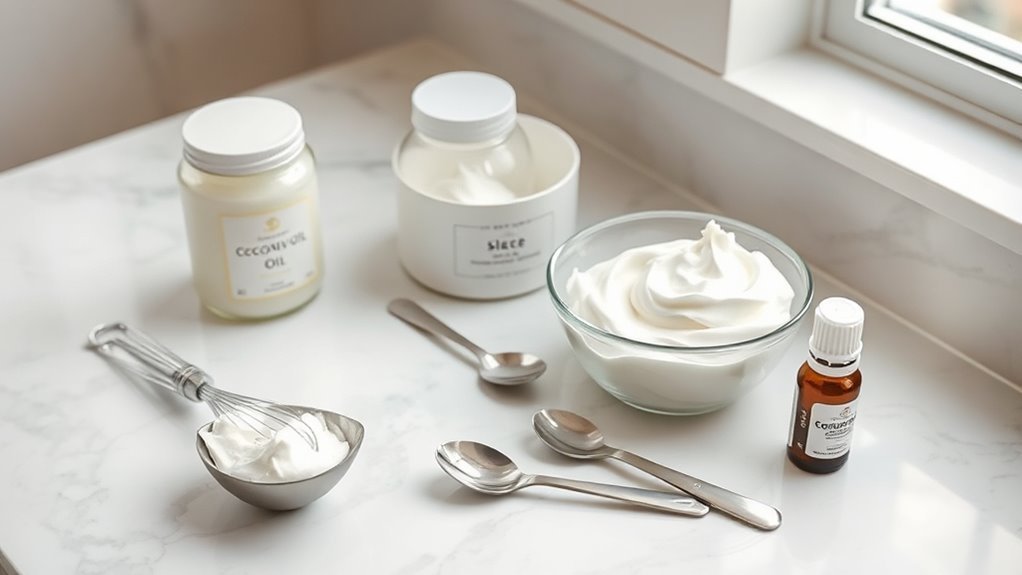
Measured DIY Shaving Cream Ingredients
A balanced homemade shave cream combines a moisturizing butter for cushion, a carrier oil for glide, and liquid castile soap for light cleansing and easier rinsing. If you want to understand how each layer protects your skin barrier, read our overview of what shaving cream does during a shave.
- 1/4 cup unrefined shea butter: Adds rich cushion and helps the mixture whip into a soft cream.
- 1/4 cup carrier oil: Use liquid sweet almond, jojoba, or grapeseed oil for cleaner rinsing, or coconut oil if you prefer a firmer balm (note that solid coconut oil clogs razors and drains faster).
- 2 to 3 tablespoons mild liquid castile soap: Breaks up surface oil and creates light slip so the blend rinses away more cleanly.
- Optional: 1 tablespoon vegetable glycerin or pure aloe vera gel: Boosts hydration (note that adding water-based aloe shortens shelf life).
- Optional: 5 to 8 drops skin-safe essential oil: Lavender or chamomile for light scent—omit completely for sensitive, reactive, or eczema-prone skin.
How to Make DIY Shaving Cream Step by Step
- Sanitize your gear: Wash and thoroughly dry a heat-safe glass bowl, spatula, hand mixer beaters, and a clean airtight jar or wide-mouth pump container.
- Melt the butter and oil gently: Combine the shea butter and carrier oil in a heat-safe bowl set over a saucepan of simmering water (double boiler). Stir on low heat until completely melted, then remove from heat.
- Chill until opaque and semi-solid: Place the bowl in the refrigerator for 20 to 30 minutes until the edges solidify and the center is soft like room-temperature butter—not rock-hard.
- Whip to soft peaks: Beat on medium speed with a hand mixer for 2 to 3 minutes until light, airy, and creamy, scraping down the sides once.
- Fold in castile soap and optional add-ins: Drizzle in the liquid castile soap (plus glycerin or essential oil, if using) and whip for another 30 to 60 seconds until smoothly emulsified.
- Transfer and label: Scoop into your clean container using a dry spatula and write the batch date on the lid.
Critical Safety Tips: Razor Clogs and Slippery Shower Floors
Homemade oil-and-butter shave creams behave very differently from aerated store-bought foam. Keep these three practical safeguards in mind:
- Shower-floor slip hazard: Shea butter and plant oils leave an invisible slick residue on wet tubs and tile. Always use a textured non-slip bath mat, apply only a pea-to-dime-sized film per section, and wash the tub floor with warm soapy water afterward.
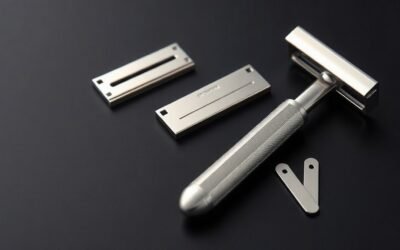
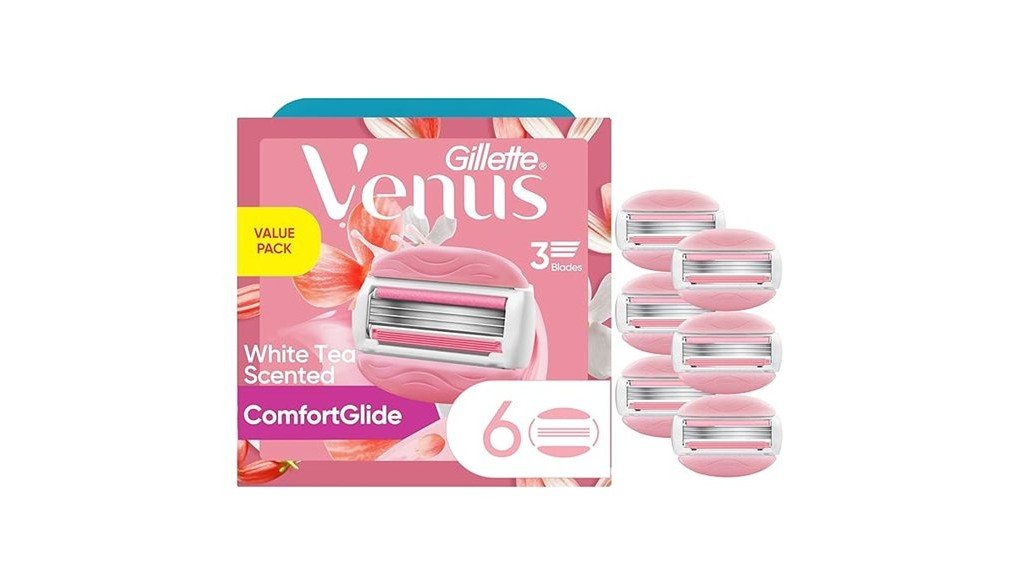
- Preventing clogged razors and drains: Solidifying fats like coconut oil and heavy shea butter quickly pack between tight multi-blade cartridges and can accumulate in cool plumbing. Rinse your razor vigorously under hot running water after every 1 to 2 strokes, or pair DIY cream with a single-blade handle—see our guide on how to use a safety razor for easy-rinse open-channel shaving.
- Patch-test before shaving: Essential oils (especially peppermint, citrus, or tea tree) can sting freshly shaved skin. Test a dab on your inner wrist for 24 hours before full use.
Ingredient Swaps and Troubleshooting Table
| Issue or Skin Goal | Recommended Adjustment | Why It Works |
|---|---|---|
| Razor clogs too fast | Swap coconut oil for jojoba or grapeseed oil; add 1 tsp extra castile soap | Liquid oils stay fluid in cool water and rinse cleanly |
| Sensitive or eczema-prone skin | Skip all essential oils; use unscented baby-mild castile soap | Removes common fragrance and botanical irritants |
| Cream feels grainy | Re-melt gently and chill faster in the fridge before whipping | Prevents shea butter fatty acids from crystallizing slowly |
| Too stiff or waxy | Whip in 1 tablespoon extra liquid carrier oil | Softens spreadability for a thinner glide film |
| Need an instant no-prep option | Use a ready-made substitute like hair conditioner or aloe gel | Zero melting or whipping required |
How to Apply and Store Homemade Shaving Cream
Wet your skin with warm water for 2 to 3 minutes, spread a thin, even layer of DIY shaving cream over damp skin, and shave with the grain using light strokes. Finish with a cool water rinse and a light moisturizer. If you ever run out mid-week and do not have time to whip a new batch, check our guide on safe shaving cream substitutes you already own.
Store your batch in a cool, dry cabinet away from direct shower steam, and scoop it out with a clean, dry spoon rather than wet fingers to minimize bacterial growth. Oil-and-castile blends typically keep for 2 to 4 weeks; batches containing water or fresh aloe vera gel should be refrigerated and used within 7 to 10 days. Discard immediately if the texture separates with an off smell or visible spots.
Frequently Asked Questions
Does DIY shaving cream clog razors or bathroom drains?
Yes, oil- and butter-heavy recipes—especially those with solid coconut oil—can clog multi-blade cartridges and coat drains when cooled. Rinse your razor frequently under warm water, swap coconut oil for lighter liquid jojoba or sweet almond oil, or use a single-blade safety razor that rinses clean easily.
Why does homemade shaving cream make the shower floor slippery?
Shea butter and carrier oils leave a slick lipid film when they rinse onto wet tub or tile surfaces. Always stand on a textured non-slip bath mat, apply only a thin layer of cream, and rinse the tub floor with warm soapy water after shaving.
How long does DIY shaving cream last?
Because homemade batches contain no broad-spectrum cosmetic preservatives, oil-and-castile blends kept dry in a pump bottle or clean jar typically stay fresh for 2 to 4 weeks. If you add water or fresh aloe vera gel, store it in the refrigerator and use it within 7 to 10 days, discarding immediately if you notice odor, discoloration, or mold.
Is homemade shaving cream safe for eczema-prone or sensitive skin?
It can be gentle if you leave out essential oils and fragrances entirely and use pure unrefined shea butter with mild unscented castile soap. Always patch-test a small dab on your inner forearm for 24 hours before shaving, and stop if stinging or redness occurs.
Will DIY shaving cream work on coarse beard hair or legs?
Yes, it works on both legs and facial hair when paired with warm-water prep and a sharp blade. Because whipped oil-and-soap creams are denser than canned foam, apply a very thin layer so the blade glides cleanly without bogging down.