

Does beard oil help your beard grow? No—beard oil does not create new hair follicles, override genetics, or speed up biological hair growth. What it actually does is condition existing facial hair and moisturize the skin beneath it, which reduces dryness, itch, and mechanical breakage so the beard you already grow stays intact and looks noticeably fuller.
Does Beard Oil Help Your Beard Grow? Conditioning vs. Follicle Science
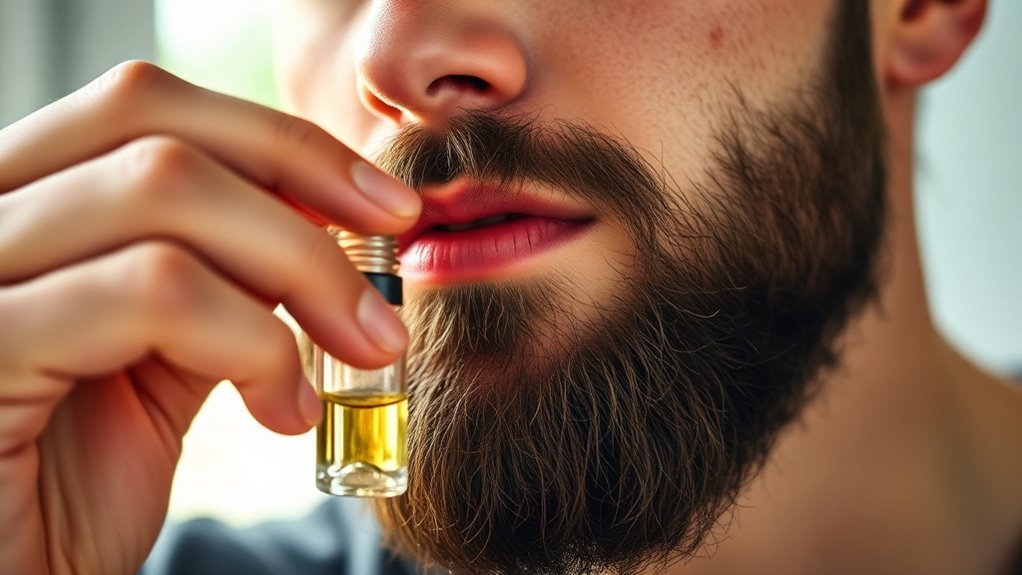
To understand why beard oil improves how a beard looks without speeding up follicle output, it helps to separate two different processes: follicular growth (what happens under the skin) and length retention (what happens to the hair shaft after it emerges).
Hair growth originates inside the dermis, where follicle cells divide in response to genetics and androgen hormones like dihydrotestosterone (DHT). Topical carrier oils sit on the outer epidermis (stratum corneum) and along the dead keratin cuticle of each hair strand—they do not alter follicular DNA or create follicles on bare skin. For a deeper look at biological growth drivers versus myths (including genetics, nutrition, and off-label minoxidil), read our companion breakdown on beard oil growth myths vs. real growth factors.
| Claim or Goal | Can Beard Oil Do This? | Why (The Science) |
|---|---|---|
| Create new hair follicles | No | Follicle count and pattern are set genetically before adulthood. |
| Speed up monthly growth rate | No | Carrier oils do not accelerate cell division inside the hair bulb. |
| Reduce dryness, flaking & itch | Yes | Emollient oils slow transepidermal water loss and reinforce the skin barrier. |
| Prevent split ends & breakage | Yes | Lubricating the outer cuticle reduces combing friction and brittle snapping. |
| Make a beard look fuller & neater | Yes (cosmetically) | Conditioned hairs lie smoothly, retain length, and cover thin spots better. |
How Breakage Reduction Creates the Appearance of Better Growth
Many men feel like their beard “stopped growing” at a certain length when the real problem is breakage and scratching. Facial hair is naturally coarser and drier than scalp hair, and as a beard grows longer, your skin’s natural oil (sebum) cannot easily travel down the full length of each strand.
- Less snapping from dry cuticles: Dehydrated beard strands lose elasticity and break off during towel-drying, brushing, or collar friction. Regular conditioning coats the hair shaft so you keep more of the length your follicles produce.
- Fewer itch-driven setbacks: Dry, flaky skin under a growing beard triggers unconscious scratching, which inflames follicles and causes many men to shave off their beard before slower-growing cheek hairs fill in.
- Better visual alignment: Lightly oiled strands tame flyaways and frizz, creating a denser, more uniform silhouette even when follicle density has not changed.
Carrier Oils vs. Essential Oils: What Actually Conditions Hair
The heavy lifting in any beard oil comes from its carrier oils (typically 98% to 99% of the bottle), not its fragrance. Essential oils only add scent and can irritate facial skin if over-concentrated.
| Ingredient Type | Common Examples | Conditioning Role & Skin Tolerance |
|---|---|---|
| Lightweight Carrier Oils | Jojoba, grapeseed, squalane | Closely mimic natural sebum; absorb fast with low pore-clogging risk for oily or acne-prone skin. |
| Rich Carrier Oils | Argan, sweet almond, avocado | Deeply soften coarse, wiry, or curly beards and reduce rough texture. |
| Essential Oils (Optional) | Cedarwood, sandalwood, lavender | Scent only; should stay diluted to 0.5%–1% for sensitive skin (2% max) to avoid contact dermatitis. |
If you want complete control over your carrier base and fragrance level, you can mix your own using our DIY beard oil recipe and dilution guide.
How to Apply Beard Oil for Better Length Retention
- Wash gently and towel-dry: Cleanse with a mild beard wash or gentle facial cleanser and leave your beard slightly damp so the oil locks in hydration.
- Measure by beard length: Start with 2 to 4 drops for stubble or a short beard, 4 to 6 drops for a medium beard, and 6 to 8 drops for a long, dense beard.
- Press into the skin first: Warm the oil between your palms and massage your fingertips into the skin beneath your beard before smoothing the remainder down the hair shafts.
- Comb gently: Use a wide-tooth comb or boar-bristle brush to distribute the oil evenly without yanking knots.
Not sure whether once or twice a day fits your climate and skin type? See our schedule breakdown on how often to apply beard oil.
How to Tell Your Beard Oil Is Working (and When to Switch)
- Good signs within 1–2 weeks: Noticeably less itching, fewer white dry-skin flakes on dark shirts, softer strands, and less hair snapping on your comb.
- Signs to adjust or stop: Persistent redness, stinging, new breakouts under the jawline, or a greasy film that lingers for hours—switch to an unscented, lighter carrier blend (like pure jojoba or squalane) and cut back your drop count.
Frequently Asked Questions
Does beard oil activate dormant hair follicles?
No. Beard oil is a cosmetic leave-in conditioner made primarily of plant carrier oils. It cannot create new hair follicles, awaken inactive follicles, or change your genetically determined growth rate.
Why does my beard look fuller after using beard oil?
Beard oil coats dry, brittle hair shafts, reduces frizz and split ends, and helps prevent breakage during combing or daily wear. Retaining healthy length and keeping hairs smooth and aligned makes existing coverage look noticeably fuller and more even.
Should you use beard oil on short stubble or a new beard?
Yes. Applying 2 to 3 drops daily during the early stubble phase moisturizes the skin beneath, softens sharp newly cut tips, and helps calm the classic early-stage beard itch that causes many men to shave off their beard prematurely.
Can beard oil cause acne or clogged pores?
It can if you use heavy, comedogenic oils (like unrefined coconut oil) or apply too much product. If you are acne-prone, choose lightweight, low-comedogenicity bases like jojoba, squalane, or grapeseed oil, stick to a few drops, and choose fragrance-free formulas.
Can beard oil replace beard balm or beard butter?
Not completely. Beard oil absorbs quickly to hydrate the skin and soften hair shafts, whereas beard balm (which includes waxes and butters) sits on the surface to lock in moisture and provide light styling hold for medium to long beards.



[…] For a deeper look at the biology behind facial hair growth and why marketing claims exaggerate oil benefits, read our breakdown on whether beard oil helps your beard grow. […]