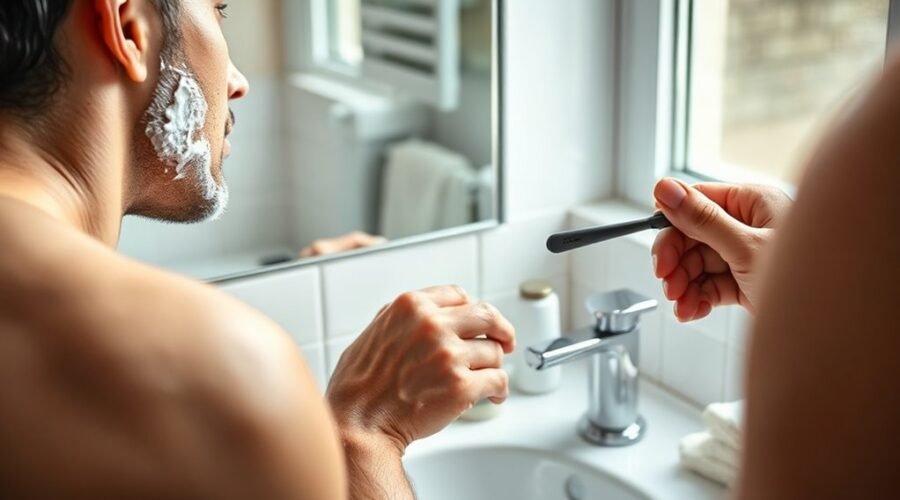
To learn how to shave without shaving cream safely when you are caught short, rely on three technique fundamentals: 2 to 3 minutes of warm shower steam to soften hair, a continuous film of water for hydroplane lubrication, and short, zero-pressure passes strictly with the grain using a sharp blade. Skipping foam does not automatically cause razor burn if you slow down and eliminate dry friction.
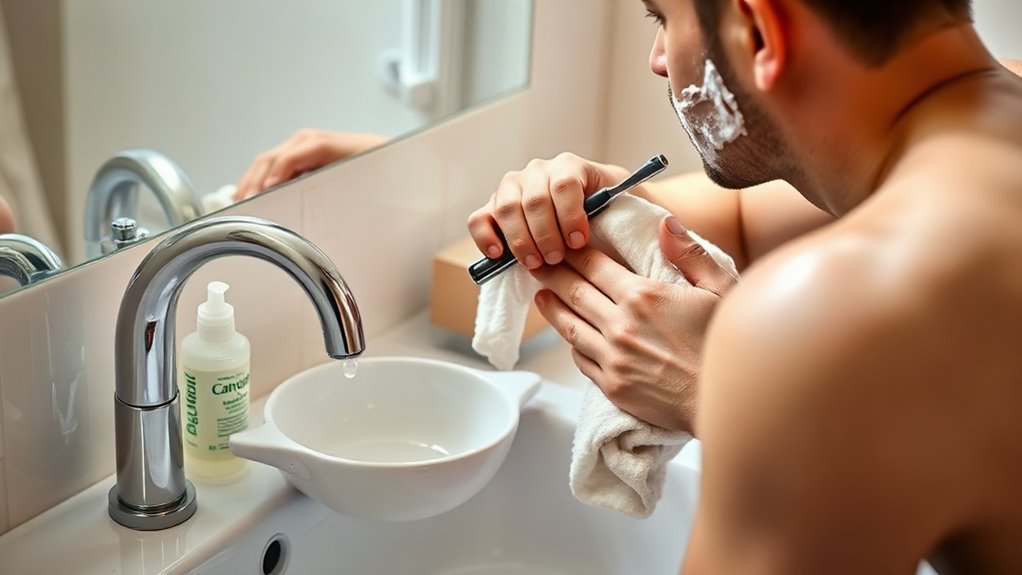
Why Technique Matters More When You Have No Cream
Commercial lather performs two jobs: it traps moisture inside the hair shaft and creates a slippery cushion between metal and skin. If you are curious about the science behind that cushion, see our breakdown of what shaving cream does for your skin. When that cushion is missing, your skin relies entirely on water hydration, blade sharpness, and controlled strokes to prevent scraping.
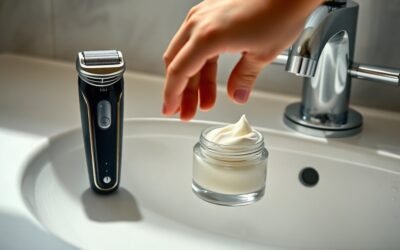
If you have pantry or bathroom staples handy—such as hair conditioner, aloe vera gel, or body oil—our separate guide on what to use besides shaving cream compares the best household substitutes. This guide focuses specifically on the shaving technique itself when you are traveling, in the shower, or working with little more than warm water.
How to Shave Without Shaving Cream Step by Step
- Steam and soak for 2 to 3 minutes: Shave near the end of a warm shower or press a warm, wet washcloth over the area. Hydrated hair swells and softens, requiring far less force to cut cleanly.
- Cleanse away surface oil: Wash gently with warm water and a mild, non-stripping cleanser to clear sweat, sunscreen, and dead skin cells that clog blades. Avoid harsh bar soap, which dries out the skin barrier.
- Maintain a hydroplane water film: Keep the skin visibly wet—not merely damp—so a thin layer of warm water acts as a hydroplane cushion under the razor head. Re-wet the area before every stroke.
- Map your grain direction: Run your fingertips lightly across the stubble to feel which direction feels smooth. That is the direction of hair growth (with the grain).
- Use short, feather-light passes: Make 1- to 2-inch strokes strictly with the grain using almost no downward pressure. Let a fresh edge do the cutting.
- Rinse after every stroke: Flush hair and skin debris from the razor head under warm running water after each swipe so the edge never drags.
- Skip repeat passes over bare skin: Never go over the same dry or unlubricated patch twice. If you missed a spot, re-wet it thoroughly first.
- Cool rinse and moisturize: Splash with cool water to calm the skin, pat dry with a clean towel, and apply a fragrance-free moisturizer or soothing balm immediately.
No-Cream Shaving Technique Checklist
| Factor | Safe No-Cream Approach | What to Avoid |
|---|---|---|
| Water Temperature | Warm water (2–3 min soak) before; cool rinse after | Cold water prep or scalding hot water |
| Lubrication | Continuous warm water film (hydroplaning) or thin slick gel | Dry skin or drying deodorant bar soap |
| Blade Choice | Fresh single-blade safety razor or 2–3 blade cartridge | Dull blades (>5–7 uses) or clogged 5-blade heads |
| Grain Direction | Single pass with the grain (WTG) | Against-the-grain (ATG) passes without lather |
| Pressure & Strokes | Zero downward pressure; short 1–2 inch strokes | Pressing hard or long sweeping passes |
Choosing the Right Razor When Shaving Without Cream
Blade count and sharpness matter far more when you have minimal slip. A dull blade forces you to press harder, which scrapes the top layer of skin and causes immediate redness. Dermatologists advise replacing cartridge or disposable blades every 5 to 7 shaves—and swapping immediately if you feel any tugging.
Fewer blades also mean less friction. A five-blade cartridge drags five metal edges across the same strip of skin on every stroke, multiplying irritation when there is no foam buffer. A sharp single-blade double-edge razor—or a clean two-blade cartridge with an intact lubricating strip—cuts cleanly in fewer passes. If you use a single-blade handle, review our guide on how to use a safety razor to keep your 30-degree angle steady.
Sensitive Areas and Post-Shave Recovery
Contours like the neck, jawline, ankles, and knees are the easiest places to nick when you lack a visual lather map. Gently pull loose skin flat with your free hand—without stretching it tightly—and slow down to half-inch strokes over bony areas.
Because shaving without cream removes slightly more surface lipid protection, post-shave hydration is non-negotiable. Rinse with cool water, pat dry gently instead of rubbing, and smooth on an alcohol-free moisturizer containing glycerin, aloe vera, or ceramides. Skip exfoliating acids, retinoids, and fragranced aftershaves for the rest of the day while your skin barrier settles.
Frequently Asked Questions
Can you shave with just warm water and no shaving cream?
Yes, you can shave with warm water alone in a pinch, provided you soak the hair for at least 2 to 3 minutes first, use a sharp blade, and shave strictly with the grain. Keeping a continuous film of warm water on the skin reduces friction, though a dedicated lubricant still offers better cushioning.
Is dry shaving without water or cream safe?
Dry shaving with a manual blade razor significantly raises the risk of razor burn, nicks, and ingrown hairs because dry hair is much stiffer than hydrated hair. If you have no water available, an electric dry shaver is far safer than dragging a manual blade over dry skin.
Which razor is safest when you do not have shaving cream?
A sharp single-blade safety razor or a fresh two- or three-blade cartridge with a lubrication strip causes less friction than a dull or five-blade cartridge. Fewer blades mean fewer edge passes scraping across lightly lubricated skin.
How often should you replace blades when shaving without cream?
Dermatologists generally recommend replacing disposable razors or cartridges every 5 to 7 shaves, or sooner if you feel any tugging. Without shaving cream to cushion the blade, a dull edge will irritate skin immediately.
Does shaving against the grain work without shaving cream?
Avoid shaving against the grain when you do not have shaving cream. Without a dense lather barrier, going against the grain increases tugging, micro-cuts, and razor bumps; stick to one careful with-the-grain pass instead.