Choosing the right Snoo sleep sack size can feel like threading a needle in the dark. You’ll want to focus on weight, not age, because a snug fit supports safety and comfort while keeping the neck and arm openings secure. If your baby’s between sizes, the smaller one often works better. But a few easy checks can save you from common sizing mistakes—and one detail matters more than most parents expect.
What Size Snoo Sleep Sack Fits Your Baby?
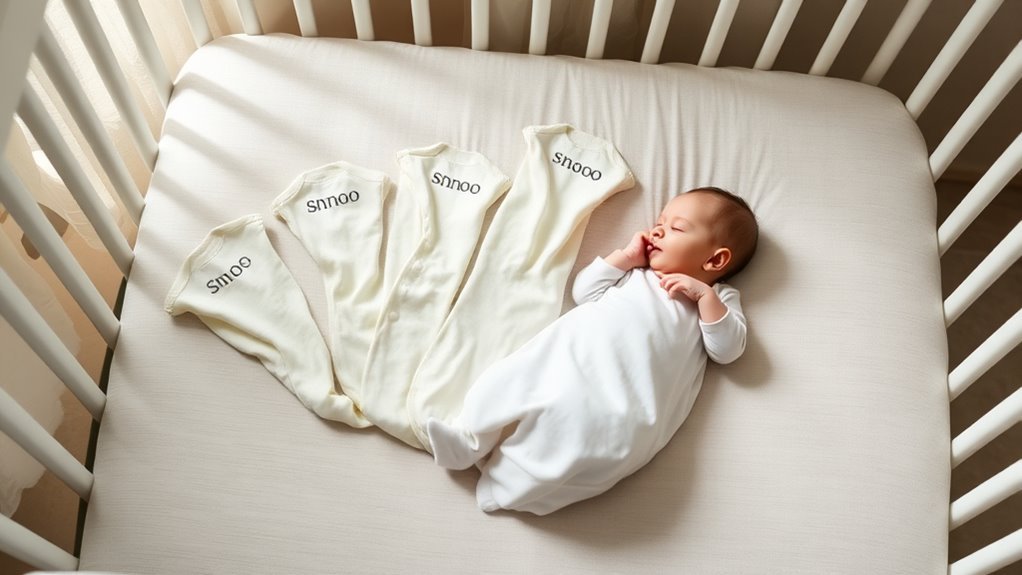
What size Snoo Sleep Sack fits your baby depends mainly on weight, not age, so start by checking your baby’s current pounds against the brand’s size chart.
You want a snug but not tight fit that supports baby sleep and protects sleep safety. If your baby sits near the lower end of a size, the sack should still close comfortably without pressing into the shoulders or hips.
If it looks restrictive, size up rather than forcing it. You can also check that the neck opening stays secure and that the arm slots don’t gape.
A proper fit helps your baby settle with less fuss and gives you peace of mind. Trust the measurements you see today, not the month on the calendar, because growth changes fast.
When in doubt, compare your baby’s weight with the chart and choose the option that lets them rest safely and freely.
How Snoo Sleep Sack Sizes Work
Snoo sleep sack sizes work by matching your baby’s current weight range, so the label should be read like a fit guide rather than an age guide. That means you’re choosing a sack that helps the swaddle sit close enough for safe soothing, while still giving your baby room to move naturally.
You don’t need to guess based on months alone; you can check the manufacturer’s guidance and your baby’s body shape, then adjust as growth changes.
Different Snoo material types and sleep sack fabrics can also affect feel and stretch, so a softer knit may fit differently from a firmer weave.
When you understand sizing this way, you gain more control and less stress. You’re not trapped by rigid rules—you’re using simple, evidence-based cues to support comfort, sleep, and your baby’s changing needs.
Snoo Sleep Sack Size Chart by Weight
A simple weight chart makes Snoo sizing easier because you can match the sleep sack to your baby’s current pounds rather than their age.
Use the weight range on the label as your first filter: smaller babies usually fit the smaller sack, while bigger babies need the larger option. That keeps the fit secure without feeling restrictive.
The snoo sleep sack benefits include steadier positioning, easier swaddling, and less guesswork for you.
Check the snoo sleep sack materials too; breathable fabric and a soft inner layer help support comfort through the night.
If your baby falls between two ranges, measure again after a few days and keep the chart handy.
A clear fit plan gives you confidence and lets you spend less time second-guessing gear, so bedtime feels calmer and more independent for both of you.
When Should You Size Up?
You should size up when your baby’s growth spurt starts to make the Snoo sleep sack feel snug, especially around the chest, hips, or shoulders.
Check the fit often: your baby should move comfortably without the sack looking tight or restricting arm and leg movement.
If your baby is nearing or has passed the listed weight limit, it’s time to move to the next size.
Growth Spurts Signs
During a growth spurt, your baby may suddenly seem hungrier, fussier, or harder to settle. Those changes can make a sleep sack feel too snug faster than expected.
Watch for growth spurt signs like more frequent feeds, shorter naps, early wakeups, and a temporary shift in baby sleep patterns. If your baby seems restless after a recent spurt in length or weight, it’s reasonable to check the size sooner rather than later.
You don’t need to wait for a problem; proactive sizing up can keep routines calmer and more predictable. Trust your observations, not the label alone.
Babies grow on their own timetable, and you deserve a sleep setup that adapts with them, not one that limits you.
Fit And Mobility
Fit and mobility are the clearest clues that it’s time to size up. If the sack looks snug across the chest, hips, or shoulders, or if baby movement seems restricted when you fasten it, your baby may need more room.
You want a fit that lets your baby bend and stretch a little while still staying secure, because that balance supports sleep safety. Check for red marks, twisting fabric, or a top edge that rides up toward the neck.
If your baby can’t open the legs comfortably or seems frustrated during swaddled sleep, the current size may be too tight. Trust what you see: a properly fitted sleep sack should feel snug, not confining, so your baby can rest safely and move with ease.
Weight Limit Changes
Weight gain is another clear sign that it may be time to move up a size. You should check the manufacturer’s weight chart often, because weight considerations matter more than age alone.
When your baby approaches the upper limit, the sack can feel snug, which may reduce comfort and affect movement. That matters for safety implications, since a proper fit helps keep sleep support consistent and secure.
- Compare your baby’s current weight with the label
- Watch for tightness across the chest or hips
- Check whether snaps or zippers strain
- Size up before the limit is exceeded
- Reassess after growth spurts or illness
Trust your observations: when the sack starts restricting natural motion, you’re ready for the next size.
How to Tell If the Snoo Fits Properly
To check whether the Snoo fits properly, look for a snug but not restrictive swaddle that keeps your baby’s shoulders positioned correctly and allows the arms to rest naturally at their sides.
You should see proper snugness across the chest and torso, with no slack that lets the fabric bunch up. Use the Snoo’s adjustable features to fine-tune the fit as your baby grows, so the sack supports steady, centered positioning.
The neckline should sit close without pressing, and the leg area should let your baby move comfortably while staying contained.
If you can slide more than a finger-width under the chest area, the fit may be too loose; if breathing or movement looks limited, ease it slightly.
Trust what you observe: a well-fitted Snoo helps your baby settle securely while giving you more freedom to rest, move, and care with confidence.
Common Snoo Sleep Sack Sizing Mistakes
You can avoid most Snoo sleep sack sizing problems by checking three things: room, weight, and the size chart.
If you choose too much room, ignore the weight limits, or read the chart too loosely, the sack may not fit as intended.
A quick review of your baby’s current measurements can help you choose a safer, more accurate size.
Choosing Too Much Room
Picking a Snoo sleep sack with too much extra room can seem harmless, but loose fabric can reduce the snug fit the Snoo is designed to provide and may make swaddling less effective.
You want a size that hugs your baby without gaps, because room safety and sleep quality both improve when the fit stays secure and consistent. Choose the smallest size that matches your baby’s current measurements, not the size you hope they’ll grow into.
- Check shoulder placement
- Test for shifting fabric
- Guarantee a close torso fit
- Avoid bunching at the neck
- Reassess after growth spurts
Ignoring Weight Limits
Even if the sleep sack looks like it fits, ignoring the manufacturer’s weight limit can compromise how well the Snoo swaddles and functions.
You may think a snug feel is enough, but weight affects how the clips, straps, and motion respond during baby sleep. Staying within the listed range helps the system keep your baby secure without adding unnecessary pressure.
If your baby is below the minimum or above the maximum, pause and check the label before using it again. That small step can reduce safety concerns and keep you confident in your routine.
Trust the specs—they’re there to support safer sleep, not to box you in. When you follow them, you protect comfort, freedom, and peace of mind for both of you.
Misreading Size Charts
Misreading the size chart is one of the easiest Snoo sleep sack mistakes to make, especially when a baby seems close to the next size.
You can avoid size chart confusion by checking both weight and shoulder fit, not just age or appearance. Common misconceptions often push you to size up too soon, but a loose sack can reduce snugness and comfort. Trust the chart’s ranges, then match them to your baby’s current measurements.
- Measure after feeding, when your baby’s posture is relaxed.
- Compare current weight to the exact manufacturer range.
- Check whether shoulders sit securely without gaps.
- Re-read the chart before buying a backup sack.
- If you’re between sizes, verify fit against the smaller option first.
Frequently Asked Questions
Can I Use a Snoo Sleep Sack for Naps Outside the Bassinet?
Yes, you can use a Snoo sleep sack for naps outside the bassinet, but you should only do so when your baby is safely supervised and the sack isn’t connected to the SNOO.
You’ll still get Snoo sleep sack benefits like snug comfort and easier calming.
Keep your naptime routines simple, and place your baby on a firm, flat surface.
If you’re unsure, check your pediatrician’s guidance first.
Are Snoo Sleep Sacks Safe for Babies With Reflux?
Yes, you can use a Snoo sleep sack for many babies with reflux, but you should watch their reflux symptoms closely and follow your pediatrician’s advice.
You can’t raise the sleep position in the Snoo, since safe sleep means flat on the back. The sack won’t treat reflux, but it may help keep your baby secure.
If spit-up, choking, or discomfort gets worse, stop and get medical guidance.
How Many Snoo Sleep Sacks Should I Buy?
Buy two to four Snoo sleep sacks; that’s the sweet spot for most families. You’ll want at least two so you can swap one while the other’s washing, and three or four if you want extra backup during leaks or blowouts.
Snoo sleep sack benefits include easier sleep routines, while Snoo sleep sack durability usually holds up well with regular use, making a small rotation practical, reassuring, and freeing.
Can I Wash Snoo Sleep Sacks in a Regular Washing Machine?
Yes, you can usually wash Snoo sleep sacks in a regular washing machine if you follow the care instructions.
Check the label first, because fabric types can vary and some need gentler cycles.
You’ll want cold or warm water, mild detergent, and low heat or air-dry settings.
Avoid bleach and fabric softener.
This keeps the sack clean, soft, and safe, so you can care for it without extra hassle or worry.
Do Snoo Sleep Sacks Shrink After Repeated Washing?
Yes, they can shrink a little if you wash them often or use high heat.
You’ll protect the fit by following the care label, using gentle detergent, and washing in cold water.
Keep washing frequency moderate, and air-dry or tumble dry low to reduce stress on the fabric.
Good fabric care helps your sleep sack stay soft, secure, and usable, so you keep your routine simple and stress-free.
Conclusion
In the end, you’ll get the best fit by focusing on your baby’s weight, not age, and checking the Snoo size chart often. A snug sleep sack should feel like a gentle hug—secure, not tight—so the neck opening and arm slots stay safe and comfortable. If you’re between sizes, choose the smaller one for a better fit. Reassess after growth spurts, and you’ll help keep sleep safer, calmer, and more restful.