If your skin could use a quieter kind of reset, retinol A may be worth your attention. You apply it to your face, and over time it can speed cell turnover, smooth texture, fade dark spots, and help keep pores from clogging. It can also soften fine lines, but the first weeks often bring trade-offs you’ll want to understand before you start.
What Is Retinol A?
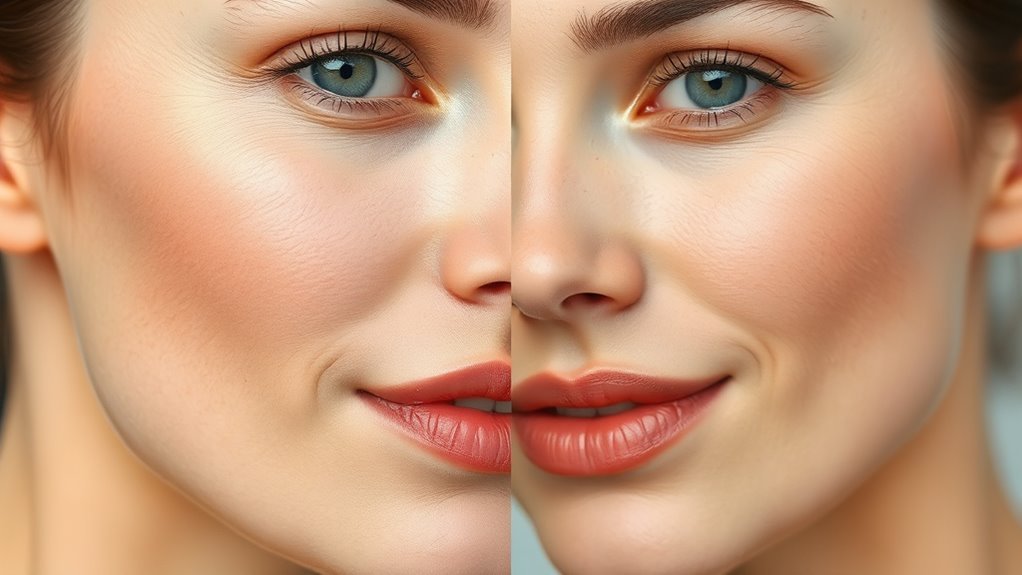
Retinol A is a vitamin A derivative used in skincare to improve visible signs of photoaging and acne. You can think of it as one member of the retinoid family, a group of compounds that influence skin cell turnover and keratinization.
In practice, you’ll encounter different retinol types, including retinol, retinaldehyde, and prescription retinoids, each with distinct potency and conversion steps.
Product formulations matter because they affect stability, penetration, and irritation risk; creams, serums, and encapsulated systems don’t deliver the same way. You should read labels closely, since concentration, vehicle, and packaging shape clinical performance more than marketing claims do.
Formulations matter: stability, penetration, and irritation vary, so read labels closely before trusting marketing claims.
If you want evidence-based care, choose a formulation that fits your tolerance and goals, not social pressure or trend cycles. Understanding what retinol A is helps you make informed, autonomous decisions about skin treatment.
What Retinol A Does for Your Face
Retinol A supports skin renewal by accelerating cell turnover, which can help reveal fresher, smoother skin.
You may also see fewer acne lesions as it helps keep pores clear and reduces comedone formation.
Over time, it can improve skin texture by softening roughness and refining the surface.
Skin Renewal Benefits
Your skin naturally sheds old cells and replaces them with fresh ones, but this process slows with age, sun exposure, and environmental stress. Retinol A supports renewal by signaling your epidermis to turn over cells more efficiently, helping you reclaim a smoother, more even surface.
It can also strengthen your skin barrier over time, which supports moisture retention and reduces visible dryness.
- Promotes faster exfoliation of dead surface cells
- Encourages healthier-looking new cell emergence
- Supports a more resilient, hydrated barrier
Because you’re not stuck with stalled skin, retinol gives you a science-backed way to interrupt decline and restore function.
Use it consistently, and your skin can look clearer, fresher, and more refined without excess effort.
Acne And Texture
When cell turnover improves, clogged pores are less likely to linger, which can help reduce the buildup that contributes to breakouts and rough texture.
You may notice fewer comedones because retinol encourages exfoliation inside the pore and supports more even desquamation. That can make acne treatments work more efficiently by reducing the obstruction that blocks them from reaching your skin.
Over time, you may see smoother tone and less unevenness from post-acne marks and microbumpiness.
Retinol can also temporarily affect skin hydration, so you should pair it with a bland moisturizer and introduce it gradually. This lets you pursue clearer skin without sacrificing barrier support.
Consistent use gives you a practical, evidence-based path toward better texture and more controlled acne.
How Retinol A Helps Smooth Fine Lines
By increasing cell turnover and stimulating collagen production, retinol A helps reduce the appearance of fine lines over time. You’ll usually notice smoother texture first, then softer crease depth with continued use. This effect depends on consistent, low-dose exposure, not aggressive use.
Prioritize application timing: apply retinol at night to minimize breakdown and irritation. Use a moisturizer pairing to support barrier function and limit dryness, which can otherwise make lines look more visible.
- Start with a pea-sized amount for the whole face.
- Increase frequency only if your skin tolerates it well.
- Use daily sunscreen to protect the results you’re building.
Retinol doesn’t erase expression lines overnight, but it can improve visible firmness and surface smoothness. If you choose this active with discipline, you’re exercising control over how your skin ages.
Begin slowly, track tolerance, and keep your routine simple.
Why Retinol A Fades Dark Spots
Retinol A can fade dark spots by accelerating cell renewal, which helps shed pigmented surface cells more quickly.
It also supports melanin turnover, so you can see gradual fading of post-inflammatory marks and sun-related discoloration. As this process continues, pigment disperses more evenly across new skin cells.
Melanin Turnover Boost
Because retinol increases epidermal cell turnover, it helps move melanin-rich keratinocytes to the surface faster, where they shed more quickly. You’re not bleaching skin; you’re reducing visible pigment persistence, which can support a more even skin tone over time.
By limiting how long pigmented cells remain in the outer layers, retinol can visibly soften post-inflammatory marks and sun-induced spots.
- It helps redistribute surface pigment more efficiently.
- It can make dark spots look less pronounced.
- It supports steadier melanin production signaling in affected areas.
This process doesn’t erase color overnight, but it does help you challenge uneven pigmentation with measurable, biologically plausible action.
If you use it consistently, you may notice gradual brightening and greater clarity without surrendering control of your routine.
Cell Renewal Action
Cell turnover is one of retinol’s main ways of fading dark spots. When you apply retinol, you speed the replacement of older, pigmented surface cells with newer cells. That cell turnover reduces the visibility of post-inflammatory marks and uneven tone over time.
You also support skin rejuvenation by encouraging a smoother, more uniform epidermal surface, which improves light reflection and overall clarity. Clinical use depends on consistency: you’ll usually need regular application for weeks before results become visible.
Because retinol works gradually, you get measurable change without aggressive procedures. Use it as directed, protect your skin barrier, and pair it with sunscreen so new cells aren’t re-darkened by UV exposure.
Pigment Dispersal Effects
As your skin sheds and renews, retinol helps redistribute excess pigment so dark spots look less concentrated and less obvious. You benefit from faster epidermal turnover, which moves melanin-rich cells upward and off the surface more evenly. Over time, this supports pigment regulation and helps normalize skin tone without bleaching the surrounding tissue.
- It can reduce post-inflammatory hyperpigmentation.
- It may soften the contrast between spots and nearby skin.
- It works best with consistent use and daily sunscreen.
You’re not erasing your skin’s history; you’re guiding it toward more even light reflection. Clinical studies show gradual improvement, usually over weeks to months, as long as you tolerate the product and avoid irritation, which can worsen discoloration.
How Retinol A Clears Pores and Breakouts
Retinol A helps clear pores and reduce breakouts by normalizing skin-cell turnover, which limits the buildup of dead cells and sebum inside follicles. You get targeted pore cleansing because it helps prevent microcomedones from forming, the earliest stage of acne. This supports breakout prevention without relying on harsh scrubs or stripping cleansers.
| Action | Effect |
|---|---|
| Normalizes shedding | Less follicular clogging |
| Reduces comedone formation | Fewer inflammatory lesions |
| Supports controlled turnover | Improved acne management |
You may see initial dryness or mild irritation, but that usually reflects adaptation, not damage. Use it consistently at night, start slowly, and pair it with sunscreen by day, since retinoids increase photosensitivity. With steady use, you can reclaim clearer skin through a mechanism that’s direct, measurable, and clinically supported. Retinol doesn’t force your skin into submission; it helps restore order so your pores stay open and your breakouts stay limited.
How Retinol A Improves Skin Texture
Smoother skin texture comes from retinol A’s ability to accelerate cell turnover and promote more even shedding across the surface. You see fewer rough patches because newer cells replace older, compacted ones more efficiently. This process can refine the look of enlarged pores, soften fine lines, and improve uniformity without masking your skin’s natural structure.
- It helps reduce superficial buildup that makes skin feel uneven.
- It supports a more refined surface by improving desquamation.
- It can complement skin hydration when your barrier stays balanced.
Clinical data show that consistent use improves tactile smoothness and visible clarity over time. You don’t need to chase perfection; you need a routine that works with your skin’s biology.
Smart product pairing matters, too, because supportive moisturizers and gentle cleansers help you maintain results while preserving comfort. Over time, your skin can look more even, feel less coarse, and reflect light more uniformly.
How to Start Using Retinol A Safely
Now that you understand how retinol A can improve texture, the next step is using it in a way your skin can tolerate.
Start with product selection: choose a low-strength formula, ideally 0.1% to 0.3%, and a simple cream or lotion if you want slower release.
Choose a low-strength retinol formula, ideally 0.1% to 0.3%, for a gentler, slower-release start.
Follow dosing guidelines by applying a pea-sized amount to dry skin at night, two times weekly for 2 weeks, then increase to every other night if you tolerate it.
Use it after cleansing and before moisturizer, or mix with moisturizer if you prefer a gentler start.
Keep the rest of your routine minimal and use daily sunscreen, because retinol A can make sun protection nonnegotiable.
Track response over 8 to 12 weeks, since benefits build gradually.
Your goal isn’t punishment; it’s controlled adaptation, so you can claim clearer, smoother skin without unnecessary disruption.
Retinol A Side Effects and Irritation Signs
Because retinol A speeds cell turnover, mild irritation is common at first and doesn’t always mean you need to stop. You may notice dryness, peeling, or stinging, especially during the first weeks. These side effects usually reflect skin adjustment, not harm, but you should monitor intensity and duration.
Irritation signs include:
- persistent redness or burning
- tight, flaky, or rough patches
- swelling, crusting, or marked tenderness
If your skin feels only mildly uncomfortable, you can usually continue while watching for escalation. If symptoms become severe, spread beyond the treated area, or interfere with normal skin function, pause use and seek clinical advice.
A precise response protects your barrier while letting you keep the benefits on your terms. Avoid combining with other strong actives if your skin’s already reactive.
How to Get Better Results From Retinol a
To get better results from retinol A, use it consistently, start with a low concentration, and increase frequency only as your skin tolerates it.
You should apply it at night to clean, dry skin, then wait a few minutes before moisturizing to reduce irritation and improve adherence. Use a pea-sized amount for the entire face; more won’t accelerate results.
Pair it with daily broad-spectrum sunscreen, because retinol increases photosensitivity and UV exposure can undermine progress.
Good application tips include avoiding the eyelids, corners of the nose, and lips unless your clinician advises otherwise.
Resist retinol myths that promise overnight transformation or claim stronger formulas always work better. Instead, let evidence guide you: gradual exposure supports barrier adaptation and lowers discontinuation rates.
If you’re seeking clearer, smoother skin, steady use gives you the freedom to improve texture and tone without unnecessary discomfort or waste.
Related Skincare Guides: Layer actives safely with our how to apply serum on face guide and always follow with daily SPF using how long sunscreen lasts.
Frequently Asked Questions
Can Retinol a Be Used Around the Eyes Safely?
Yes, you can use Retinol A around your eyes, but you should do it cautiously because eye sensitivity is common.You’ll want to use application techniques that minimize irritation: apply a pea-sized amount, stay on the orbital bone, and avoid the lash line.Start slowly, every 2–3 nights, and increase only if your skin tolerates it.If you get redness, burning, or peeling, pause and consult a clinician.
Should Retinol a Be Applied Before or After Moisturizer?
You should usually apply retinol A before moisturizer, like laying a foundation before walls.On clean, dry skin, use a pea-sized amount, then wait a few minutes and seal it with moisturizer to reduce irritation. This order maximizes absorption while supporting barrier function.For sensitive skin types, you can buffer by applying moisturizer first, then retinol.Your application techniques should match tolerance, goals, and clinical response.
Can I Use Retinol a With Vitamin C Products?
Yes, you can use retinol A with vitamin C products, but you should separate them to reduce irritation and improve tolerance.You’ll get retinol benefits from nighttime use and vitamin C antioxidant support in the morning. This vitamin C interaction can be irritating if layered together, especially if your skin’s sensitive.Start slowly, monitor dryness, and use sunscreen daily.With a disciplined routine, you can protect your skin and keep control.
Is Retinol a Safe During Pregnancy or Breastfeeding?
No, you shouldn’t use Retinol A during pregnancy, and you should avoid it while breastfeeding unless your clinician says otherwise.You need to prioritize retinol safety because topical retinoids may pose fetal risk, and data on lactation exposure aren’t reassuring.For pregnancy skincare, choose proven alternatives like azelaic acid, niacinamide, or vitamin C.You deserve care that protects you and your baby without sacrificing evidence-based, effective skin treatment.
How Long Should I Wait Before Seeing Retinol a Results?
You’ll usually see retinol A results in 6 to 12 weeks, though your retinol effectiveness timeline can vary.You may notice smoother texture and fewer breakouts first, then gradual improvement in fine lines and pigmentation.Your skin type considerations matter: sensitive skin often needs slower progress, while oilier skin may respond sooner.Use it consistently, start low, and protect your barrier.Expect steady change, not overnight transformation.
Conclusion
In short, Retinol A can help you smooth fine lines, fade dark spots, clear pores, and improve overall texture by speeding cell turnover and supporting collagen. But it’s not magic: you’ll get the best results when you start slowly, use it consistently, and protect your skin with sunscreen. If your skin stings, peels, or turns red, listen to it. The right routine can turn a small step into a visible change.