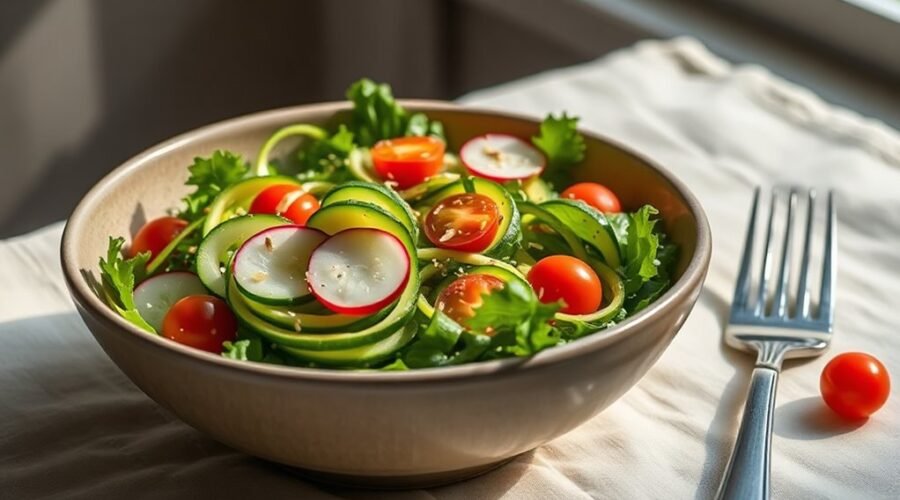
This viral retinol salad recipe with cucumber combines thinly shaved raw carrots and crisp cucumber ribbons in a light, savory-citrus oil dressing—ready in about 10 minutes. While social media calls it a “retinol salad,” carrots actually supply beta-carotene (a plant precursor your body converts into vitamin A) rather than preformed retinol, and pairing them with healthy fat from olive or sesame oil boosts absorption while cucumbers add cool, hydrating crunch.
The Science Behind “Retinol Salad”: Beta-Carotene vs. Topical Retinol
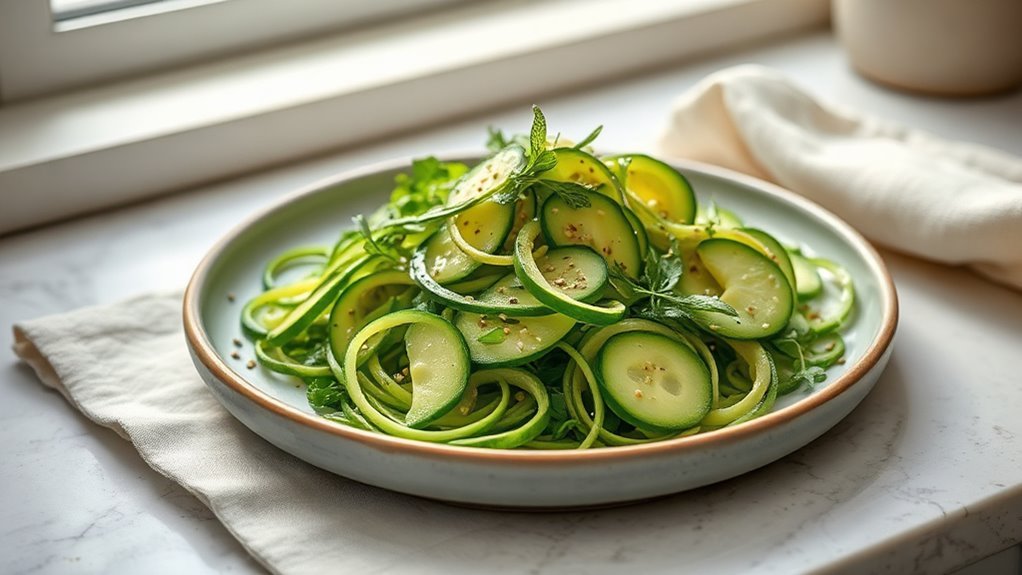
Before making the recipe, it helps to separate nutrition facts from viral skincare hype:
- Plants contain provitamin A, not preformed retinol: Preformed vitamin A (retinol) occurs in animal foods and topical skincare. Carrots provide beta-carotene, which your body converts into vitamin A as needed (per the NIH Office of Dietary Supplements, 12 mcg of dietary beta-carotene equals 1 mcg RAE of retinol).
- Healthy fat is essential for absorption: Because beta-carotene is fat-soluble, adding olive oil, sesame oil, avocado, or seeds helps your body absorb it far more effectively than eating plain raw carrots.
- Cucumber adds hydration and crunch: Cucumbers are roughly 95% water and contribute refreshing texture, vitamin K, and potassium—making the salad lighter and easier to eat, though carrots provide the bulk of the beta-carotene.
- It complements—but does not replace—skincare: Dermatologists emphasize that dietary carotenoids support general skin health and antioxidant defense, but eating salad will not replicate the targeted cell-turnover effects of topical retinoids. For topical guidance, see our explainer on how retinol works on skin.
Retinol Salad Recipe With Cucumber: Ingredients (2 Servings)
Use firm English or Persian cucumbers (thin skin, fewer seeds) and fresh whole carrots rather than dry pre-shredded bags for the best texture.
| Component | Ingredient | Amount | Role in the Salad |
|---|---|---|---|
| Base | Large whole carrots, peeled into thin ribbons | 2 medium (~150 g) | Primary source of beta-carotene & crunch |
| Base | English or Persian cucumber, thinly sliced or ribboned | 1 cup (~120 g) | Cooling hydration & crisp bite |
| Aromatics | Fresh green onions or dill/cilantro, finely chopped | 2 tablespoons | Bright herbal flavor |
| Dressing (Fat) | Extra-virgin olive oil or toasted sesame oil | 1.5 tablespoons | Improves fat-soluble beta-carotene absorption |
| Dressing (Acid) | Fresh lemon juice or rice vinegar | 1.5 tablespoons | Balances sweetness and adds vitamin C |
| Seasoning | Low-sodium soy sauce (or sea salt), grated garlic, black pepper | 1 tsp soy sauce (or 1/4 tsp salt), 1/2 clove garlic | Savory depth |
| Optional Crunch | Toasted sesame seeds, pumpkin seeds, or diced avocado | 1 tablespoon | Extra healthy fats, zinc, and texture |
Step-by-Step Instructions (10 Minutes)
- Wash and prep produce: Rinse carrots and cucumbers thoroughly and pat dry so excess water does not dilute the dressing.
- Shave into ribbons: Use a Y-peeler or mandoline (with a finger guard) to shave carrots and cucumbers lengthwise into thin, delicate ribbons.
- Lightly salt cucumber (optional): If prepping ahead, toss cucumber slices with a tiny pinch of salt for 5 minutes and blot dry to keep the salad crisp.
- Whisk the dressing: In a small bowl, whisk together the olive or sesame oil, lemon juice or rice vinegar, soy sauce (or salt), grated garlic, and pepper.
- Toss and rest 5 minutes: Combine carrot and cucumber ribbons in a mixing bowl, pour over the dressing, toss gently, and let sit for 5 minutes so the carrots soften slightly and absorb flavor.
- Garnish and serve: Top with chopped herbs and toasted sesame or pumpkin seeds just before serving.
Two Quick Dressing & Meal-Prep Variations
- Mediterranean lemon-herb version: Use extra-virgin olive oil, fresh lemon juice, Dijon mustard (1/2 tsp), chopped dill, and a pinch of flaky salt—pairs well with grilled fish or chickpeas.
- Savory Asian-inspired version: Use toasted sesame oil, rice vinegar, 1 tsp soy sauce, a pinch of chili flakes, cilantro, and toasted sesame seeds.
If you are pairing skin-supportive nutrition with an evening topical routine, see our guides on applying moisturizer with retinol and hydrating sheet mask benefits.
Pros, Limitations & Nutrition Safety Notes
- Pros: Quick 10-minute prep, budget-friendly, naturally vegan (when made without honey/dairy), rich in fiber, potassium, and provitamin A carotenoids without the irritation of topical actives.
- Limitations: Cannot match clinical topical retinol for acne, dark spots, or wrinkles; dressed cucumber ribbons turn watery if stored past 24 hours.
- Safety note: Whole-food beta-carotene is safe for most people—including during pregnancy—because the body limits conversion to active vitamin A (unlike high-dose preformed vitamin A supplements, which should be avoided in excess during pregnancy). Very heavy daily carrot intake may temporarily tint skin slightly orange (carotenemia), which fades when intake is reduced.
Frequently Asked Questions
Does a carrot and cucumber retinol salad actually contain retinol?
No. Plant foods like carrots and cucumbers do not contain preformed retinol (which comes from animal foods or topical skincare). Carrots are rich in beta-carotene, a provitamin A carotenoid that your body converts into vitamin A as needed.
Can eating a retinol salad replace topical retinol skincare?
No. Dermatologists note that while dietary beta-carotene, vitamin C, and antioxidants support overall skin health, eating carrot salad will not match the targeted collagen, fine-line, or acne results of topical retinol or prescription retinoids.
Why should you add oil or healthy fat to a carrot and cucumber salad?
Beta-carotene is fat-soluble. Tossing shredded carrots with a small amount of extra-virgin olive oil, toasted sesame oil, avocado, or seeds helps your digestive tract absorb significantly more beta-carotene than eating dry raw carrots alone.
How long does cucumber and carrot salad stay fresh in the fridge?
Undressed ribbons stay crisp for 2 to 3 days in an airtight container. Once dressed, cucumbers release water quickly, so it tastes best eaten the same day or within 24 hours.
Can you eat too much beta-carotene from carrot salads?
Beta-carotene from whole vegetables does not cause vitamin A toxicity the way high-dose preformed vitamin A supplements can, because your body regulates conversion. However, eating very large amounts of carrots daily can cause harmless, temporary yellowing of the palms and soles called carotenemia.