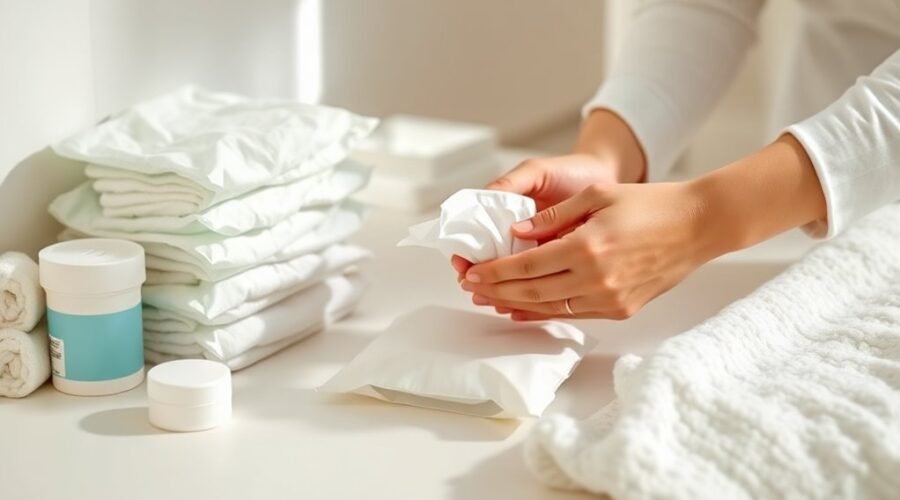
If you are wondering how many baby wipes do I need, plan on roughly 20 to 35 wipes per day for a newborn (about 600 to 1,000 wipes per month) and 12 to 20 wipes per day for an older infant (about 360 to 600 wipes per month). Across the entire first year, most families go through roughly 6,000 to 9,000 wipes once you factor in 8 to 12 daily newborn diaper changes, multi-wipe stool cleanups, and sticky hands and faces after starting solids.
How Many Baby Wipes Do I Need by Age? (Daily & Monthly Chart)
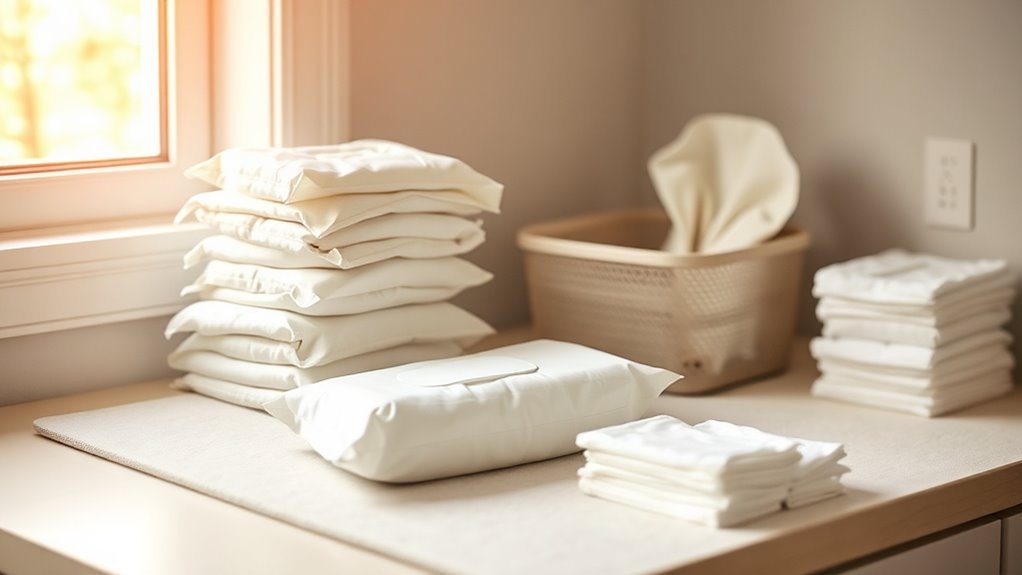
A common mistake when estimating how many baby wipes do I need is counting only 1 wipe per diaper change. In reality, wet-only diapers take 1 to 2 wipes, while newborn meconium, frequent breastfed or formula stools, and solid-food blowouts often take 3 to 5 wipes per change.
| Baby Age Stage | Typical Changes / Day | Avg. Wipes / Change | Daily Wipes Needed | Monthly Wipes Needed |
|---|---|---|---|---|
| Newborn (0–1 Month) | 8–12 changes | 2–3 wipes | 20–35 wipes/day | 600–1,050 wipes/mo |
| Infant (2–5 Months) | 7–9 changes | 2–3 wipes | 15–25 wipes/day | 450–750 wipes/mo |
| Starting Solids (6–12 Months) | 5–7 changes + meals | 2–3 wipes | 12–20 wipes/day | 360–600 wipes/mo |
| Toddler (12–24+ Months) | 4–6 changes + hands | 1–2 wipes | 8–15 wipes/day | 240–450 wipes/mo |
How Many Boxes of Wipes Should You Stockpile Before Birth?
Unlike diapers—which babies outgrow by weight every few weeks—baby wipes are one-size-fits-all. Even so, you should avoid buying a full year’s supply of a single brand before your baby arrives, because some newborns develop contact redness from specific preservatives or textures.
| Stockpile Stage | Recommended Quantity | Total Wipe Count | Why This Amount Works Best |
|---|---|---|---|
| Starter Trial (Before Birth) | 2–3 small multi-packs | 180–360 wipes | Lets you test 2 different sensitive/water-based brands on newborn skin |
| First-Month Buffer | 1–2 bulk club cases | 600–1,200 wipes | Covers the first 4–6 weeks without emergency midnight store runs |
| Ongoing Monthly Restock | 1 bulk case / month | 540–800 wipes | Matches steady infant usage once you confirm your preferred brand |
What Affects Your Daily Wipe Count?
- Sheet thickness and texture: Thicker, textured wipes clean messy stools in 1 to 2 folded passes, whereas thin value wipes often tear or require pulling 3 to 4 sheets at once.
- Dispenser design: Pop-top lids and weighted countertop holders feed one sheet at a time instead of chaining 4 or 5 wipes together during a frantic one-handed change.
- Feeding transitions: Newborns pass frequent loose stools in the first 6 weeks, and babies starting solid foods at 6 months add high-chair hand and face wipe-downs to your daily total.
- Skin sensitivity: If your baby develops diaper rash, rinsing with warm water at the sink or patting gently with extra-moist 99% water wipes changes how quickly you go through packs.
How to Make Your Baby Wipes Last Longer
- Use the diaper front first: During a messy change, use the clean inner front half of the diaper to sweep away bulk stool before pulling your first wet wipe.
- Fold each wipe in half: Wipe once with the flat sheet, fold it cleanly over itself, and make a second pass so one thick sheet does the work of two.
- Store unopened pouches upside down: In water-based wipes, moisture settles toward the bottom; flipping the pack keeps the top wipes damp and prevents wasted dried-out sheets.
- Snap flip-top lids shut immediately: Leaving a pouch open during a 3-minute change dries out the top two sheets fast—or transfer soft packs into a silicone-sealed dispenser box.
Pros and Limitations of Buying Baby Wipes in Bulk
Advantages of Bulk Boxes
- Lowers your per-wipe cost compared to buying single 60-count drugstore packs
- One-size-fits-all design means your baby will never “outgrow” unopened wipe boxes
- Keeps backup flip-top pouches ready for the nursery, living room caddy, car, and diaper bag
Limitations to Watch For
- If your newborn reacts to a brand’s preservative or lotion, returning opened bulk cases is difficult
- Adhesive-flap pouches (without rigid plastic flip lids) can dry out if stored in hot cars or sunny rooms
- Pure water wipes without synthetic emulsifiers typically need to be used within 4 weeks once opened
Safety and Skin-Care Notes for Parents
Always choose fragrance-free, alcohol-free (ethanol-free) wipes for newborns and babies with eczema-prone skin. Pat or air-dry the diaper area before applying barrier ointment so moisture is not trapped against irritated skin. Keep plastic outer wrappers and wipe pouches out of your baby’s reach to prevent suffocation or choking hazards, and never flush baby wipes down the toilet.
Compare Top Baby Wipes and Dispensers
- WaterWipes Sensitive+ Review — Minimal 2-ingredient (99.9% purified water + fruit extract) wipes accepted by the National Eczema Association.
- Pampers Ultra Clean Baby Wipes Review — 100% plant-based, plastic-free 99% water wipes with a 1-wipe pop-top dispenser.
- Huggies Skin Essentials Baby Wipes Review — Extra-thick 99% water, pH-balanced wipes that help cut down wipes per change.
- Seposeve Wipes Dispenser Review — Silicone-sealed countertop wipe holder that stops open packs from drying out.
Frequently Asked Questions
How many baby wipes do I need for the first month?
Expect to use roughly 600 to 1,000 baby wipes in the first month (about 20 to 35 wipes per day across 8 to 12 newborn diaper changes). Buying one bulk case of 600 to 800 wipes is the safest starter amount until you know which brand suits your baby's skin.
How many baby wipes should I register for before birth?
Register for 2 to 3 bulk boxes (around 1,500 to 2,400 wipes total), ideally split across two fragrance-free, sensitive-skin brands so you are not stuck with thousands of wipes if your newborn reacts to one formula.
Are fragrance-free wipes better for newborns?
Yes. Pediatric dermatology guidelines recommend fragrance-free, alcohol-free wipes (or plain warm water and soft cloths) for newborns to minimize contact irritation and diaper rash risk.
Can baby wipes expire or dry out in storage?
Unopened baby wipes typically last 2 to 3 years from the production date when stored in a cool, dry closet. Store unopened packs upside down so moisture distributes evenly, and keep flip-top lids snapped shut after opening.
Are flushable wipes safe for babies and plumbing?
No. Standard baby wipes must never be flushed, and even wipes labeled "flushable" are intended for older potty-training toddlers and can still clog older household pipes or septic systems.