
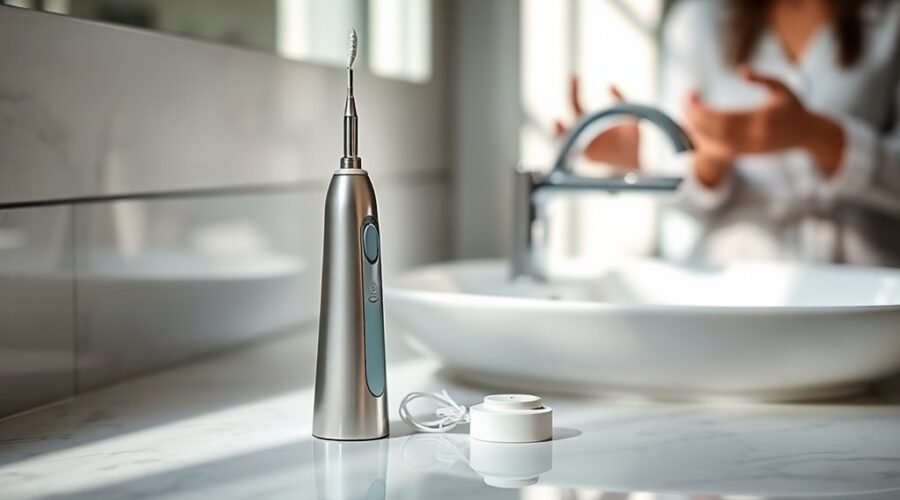
Are water flossers as good as flossing? Yes—for reducing plaque and gingivitis, a water flosser that carries the American Dental Association (ADA) Seal of Acceptance is a proven, effective way to clean between teeth once a day. That said, water flossers and traditional string floss clean slightly differently: string floss excels at physically scraping sticky biofilm from tight tooth contacts, while water flossers excel around braces, bridges, sensitive gums, and hard-to-reach back teeth.
Dental disclaimer: This article provides general oral hygiene information and is not a substitute for personalized dental care. Consult your dentist or hygienist for recommendations tailored to your teeth, gums, or dental work.
Are Water Flossers as Good as Flossing? What the ADA Says

According to the ADA MouthHealthy water flossing guide, water flossers use steady, pulsating streams of water to flush food particles and plaque from between and around teeth. Models that have earned the ADA Seal of Acceptance have been independently evaluated to be safe and effective at removing plaque and helping reduce gingivitis (the early stage of gum disease).
The ADA emphasizes that the core goal is cleaning between your teeth once a day alongside brushing twice daily for two minutes and scheduling regular dental checkups. For many patients who find string floss uncomfortable or awkward, switching to a water flosser dramatically improves daily consistency—and a tool you use every day beats one that stays in the drawer.
Water Flosser vs. String Floss: Side-by-Side Comparison
Both tools target interdental spaces that toothbrush bristles cannot reach, but each has distinct strengths and trade-offs:
| Feature | Water Flosser (Oral Irrigator) | Traditional String Floss |
|---|---|---|
| How It Cleans | Pulsating water stream flushes food debris and loosens plaque along the gumline | Direct mechanical friction scrapes sticky plaque biofilm off tooth enamel |
| Tight Tooth Contacts | Rinses around contacts, but may not scrape firmly attached plaque between tightly crowded teeth | Slides directly into narrow contacts and hugs each tooth in a C-shape |
| Braces, Bridges & Implants | Much faster and easier to maneuver around wires, brackets, and fixed bridges | Requires floss threaders or superfloss and takes more time |
| Gum Comfort | Adjustable pressure; gentler for tender gums or limited hand dexterity | Can snap or irritate gums if forced between tight teeth |
| Cost & Portability | Higher upfront cost, needs counter space/power or charging, requires tip replacements | Inexpensive, pocket-sized, requires no electricity or water |
If you are weighing upfront cost, counter space, and maintenance before buying a unit, our breakdown on whether a water flosser is worth it covers the practical trade-offs in detail.
Pros and Limitations of Water Flossers
Where Water Flossers Excel
- Orthodontic appliances and dental work: Easily flushes trapped food around brackets, archwires, permanent bridges, crowns, and dental implants.
- Sensitive or inflamed gums: Lets you start on a gentle pressure setting with lukewarm water instead of dragging string against tender tissue.
- Limited hand dexterity: Much easier to hold and guide for people with arthritis, hand tremors, or grip challenges.
- Consistency: Takes about 60 seconds once you get the hang of it, making daily interdental cleaning easier to stick with.
Limitations to Keep in Mind
- Less direct scraping on tight contacts: Because water does not physically hug the enamel like string floss, sticky plaque wedged between tightly spaced teeth may still benefit from occasional or daily string flossing.
- Countertop mess while learning: Until you learn to lean over the sink and keep your lips partially closed around the tip, water can spray onto the mirror.
- Ongoing maintenance: Reservoirs need regular emptying and cleaning to prevent mineral buildup or mildew, and jet tips should be replaced every 3 to 6 months.
How to Use a Water Flosser Effectively (Step by Step)
- Fill with lukewarm water: Cold water can trigger tooth sensitivity; lukewarm water is usually most comfortable.
- Start on the lowest pressure setting: Gradually increase pressure over several days as your gums adjust.
- Lean over the sink and close your lips slightly: Keep your lips loosely around the tip so water drains cleanly into the sink without splashing.
- Aim at a 90-degree angle to the gumline: Start with your back molars and trace slowly along the gumline, pausing briefly between each tooth on both the outer and inner surfaces. (If you want to map which teeth are hardest to reach, our teeth chart beginner’s guide makes it easy to identify every quadrant.)
- Empty and dry the reservoir: After finishing, turn the unit off before removing the tip from your mouth, empty leftover water, and let the tank air-dry.
How to Choose the Best Interdental Routine
You do not have to treat water flossing and string flossing as an all-or-nothing choice. Many dental professionals recommend choosing based on your mouth and habits:
- Choose a water flosser if you have braces, bridges, implants, arthritis, or simply know you will not use string floss consistently. Look for the ADA Seal of Acceptance on the box.
- Choose string floss if your teeth sit very tightly together, you travel frequently, and you have no trouble curving floss gently around each tooth.
- Combine both if you want the most thorough routine—use string floss to disrupt sticky plaque at tight contacts, then rinse away loosened debris along the gumline with a water flosser. Pairing daily interdental cleaning with the right brush also matters; see our guide on whether electric toothbrushes are better to round out your routine.
Frequently Asked Questions
Can a water flosser completely replace string floss?
For many people—especially those who skip string floss or have braces, bridges, or limited hand dexterity—an ADA-Accepted water flosser is an effective daily interdental cleaner. However, many dentists still view string floss as better for physically scraping sticky plaque from very tight contacts, and recommend using both together for the most thorough clean.
Can water flossers be used with braces, implants, or bridges?
Yes. The American Dental Association notes that water flossers are especially helpful for cleaning around braces and permanent or fixed bridges where threading string floss is difficult. Always follow your orthodontist’s or dentist’s specific hygiene instructions for implants and appliances.
Are water flossers safe for sensitive or bleeding gums?
Water flossers are generally gentle when you start on the lowest pressure setting and use lukewarm water. Mild bleeding can happen when gums are inflamed from early gingivitis, but if bleeding, pain, or swelling persists for more than a week or two, see a dentist to check for gum disease or recession.
How often should you replace a water flosser tip?
Most manufacturers recommend replacing standard jet tips every 3 to 6 months, and orthodontic or plaque-seeker tips with bristles roughly every 3 months—or sooner if the tip cracks, loosens, or sprays unevenly.
Should you water floss before or after brushing?
You can water floss either before or after brushing, as long as you clean between your teeth once a day and brush twice a day for two minutes with fluoride toothpaste. Many people prefer water flossing before brushing so loosened debris is swept away and fluoride toothpaste can reach between teeth more easily.
[…] Wear braces or have dental restorations: Powered bristles help clear plaque around brackets, crowns, and tight molar surfaces. Pairing your brush with an oral irrigator can help even more—see our guides on whether a water flosser is worth it and whether water flossers are as good as string flossing. […]
[…] flossing can replace or supplement string floss in your daily hygiene plan, see our breakdown on whether water flossers are as good as string flossing before choosing a handheld or countertop […]