
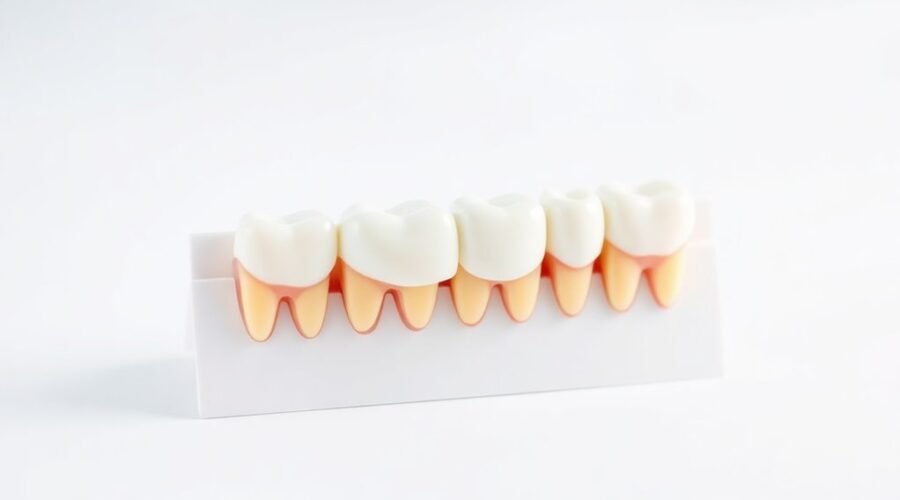
A teeth chart is a standardized dental diagram that maps every tooth in your mouth by number, letter, quadrant, and type. In the United States, dentists most commonly use the American Dental Association (ADA) Universal Numbering System, which labels the 32 permanent adult teeth from 1 to 32 and the 20 primary (baby) teeth from A to T. Knowing how to read your chart helps you understand dental treatment plans, X-rays, and insurance claims without guesswork.
Medical note: This guide is for educational purposes and does not replace an in-person dental examination. Always consult a licensed dentist for diagnosis or treatment of tooth pain, decay, or gum concerns.
What Is a Teeth Chart?

A teeth chart (also called a dental chart or odontogram) is a visual map of the upper arch (maxilla) and lower arch (mandible) divided into four quadrants. Dentists and hygienists view the chart as if they are looking directly at your face, which means the left side of the diagram represents the right side of your mouth.
During an exam, your dental team records existing fillings, crowns, root canals, missing teeth, cavities, and gum pocket depths directly onto the chart. Having a standardized map ensures that any dentist, specialist, or insurer reviewing your file knows the exact tooth being discussed.
How to Read a Teeth Chart Step by Step
Most U.S. patients encounter the Universal Numbering System on treatment estimates and claim forms. Unlike quadrant-based international systems that count from the center outward, the Universal system runs in a single clockwise loop as viewed by your dentist:
- Start at the upper right back tooth (#1): Count forward across the upper right quadrant (#1–#8) to your upper right central incisor (#8).
- Continue across the upper left (#9–#16): Move from your upper left central incisor (#9) back to your upper left wisdom tooth (#16).
- Drop down to the lower left back tooth (#17): Count forward across the lower left quadrant (#17–#24) to your lower left central incisor (#24).
- Finish across the lower right (#25–#32): Count from your lower right central incisor (#25) back to your lower right wisdom tooth (#32).
Primary (baby) teeth follow the exact same clockwise loop using uppercase letters A through T, starting at the upper right second molar (A) and ending at the lower right second molar (T).
| Quadrant (Patient’s Perspective) | Universal Adult | Universal Primary | FDI Adult (International) |
|---|---|---|---|
| Upper Right (Maxillary Right) | 1–8 (back to front) | A–E (back to front) | 11–18 (front to back) |
| Upper Left (Maxillary Left) | 9–16 (front to back) | F–J (front to back) | 21–28 (front to back) |
| Lower Left (Mandibular Left) | 17–24 (back to front) | K–O (back to front) | 31–38 (front to back) |
| Lower Right (Mandibular Right) | 25–32 (front to back) | P–T (front to back) | 41–48 (front to back) |
Universal vs. FDI vs. Palmer Notation
If you travel, see an orthodontist, or read international dental records, you may see one of two other numbering systems:
- FDI Two-Digit System (ISO 3950): Widely used outside the U.S. The first digit identifies the quadrant (1–4 for adult, 5–8 for primary) and the second digit counts from the midline outward (1 = central incisor through 8 = wisdom tooth). For example, upper right central incisor is 11.
- Palmer Notation: Common in orthodontics and oral surgery. It uses a quadrant bracket symbol paired with numbers 1–8 (adult) or letters A–E (primary), counting from the center midline outward.
The Four Types of Teeth on a Teeth Chart
A complete adult mouth contains 32 permanent teeth—or 28 if the four wisdom teeth have been removed, as explained in our guide on how many teeth a grown up has. Every tooth falls into one of four anatomical groups, each shaped for a specific role in chewing and speech:
| Tooth Type | Primary Role | Adult Count (Universal #) | Primary Count |
|---|---|---|---|
| Incisors | Biting and slicing food | 8 (#7–10, #23–26) | 8 |
| Canines (Cuspids) | Gripping and tearing tougher foods | 4 (#6, #11, #22, #27) | 4 |
| Premolars (Bicuspids) | Crushing and shearing food | 8 (#4–5, #12–13, #20–21, #28–29) | 0 (none in baby set) |
| Molars (incl. Wisdom Teeth) | Grinding food thoroughly before swallowing | 12 (#1–3, #14–16, #17–19, #30–32) | 8 |
Your pointed corner teeth play a key role in guiding your bite; you can read more about their anatomy and common issues in our guide to canines teeth.
Adult vs. Baby Teeth Charts
Children develop 20 primary (baby) teeth, typically erupting between about 6 months and 3 years of age. Unlike adults, children have no premolars and only two sets of molars per quadrant (first and second primary molars).
Most kids begin shedding baby teeth around age 6 as permanent incisors and first molars erupt, continuing into their early teens. For a full shedding timeline, see our breakdown of how many milk teeth you lose. Pediatric dental organizations generally recommend scheduling a child’s first dental visit by their first birthday or within six months of the first tooth appearing.
Common Symbols and Abbreviations on Dental Charts
Alongside tooth numbers, dentists use standardized markings and surface abbreviations to record findings quickly:
- Missing or extracted teeth: Often marked with a large X or shaded out completely.
- Existing fillings vs. needed work: Many digital charts color-code existing restorations in blue or silver and proposed treatment or active decay in red.
- Crowns, bridges, and implants: Drawn as outlined caps over the crown, connected pontics across a gap, or screw-shaped roots for dental implants.
- Tooth surface codes: Dentists note which side of a tooth needs a filling using letters—M (mesial, toward the midline), D (distal, away from the midline), O (occlusal, chewing surface of back teeth), I (incisal, biting edge of front teeth), B/F (buccal/facial, cheek or lip side), and L (lingual, tongue side).
Why Understanding Your Teeth Chart Helps
Knowing how to read your teeth chart makes it much easier to follow along during dental consultations, verify insurance pre-authorizations (which list specific tooth numbers and surface codes), and track changes in sensitive areas over time. If you ever see a symbol or code on your treatment plan that looks unfamiliar, ask your dentist or hygienist to walk through it with you before approving care.
Frequently Asked Questions
How often should a teeth chart be updated?
Dentists typically review and update your teeth chart at every routine exam, cleaning, or restorative visit. If you notice new pain, a chipped tooth, or gum bleeding between checkups, schedule an exam so your dental record stays accurate.
Do teeth charts differ between countries?
Yes. Most U.S. dental offices use the Universal Numbering System (1–32 for adults, A–T for primary teeth), while many other countries use the FDI two-digit system. Orthodontists also frequently use Palmer notation, which numbers each quadrant 1–8 from the midline outward.
Are wisdom teeth included on every teeth chart?
A standard full adult teeth chart includes all four wisdom teeth (third molars: #1, #16, #17, and #32 in the Universal system). If your wisdom teeth are impacted, unerupted, or extracted, your dentist marks those positions accordingly on your chart.
What tools do dentists use to create a teeth chart?
Dental teams combine a visual exam using a mouth mirror, explorer, and periodontal probe with dental X-rays (radiographs) and sometimes intraoral cameras. Findings are recorded in electronic dental charting software or on a standardized paper diagram.
Can I use a teeth chart at home?
You can use a teeth chart at home as a reference to track a child’s teething milestones or note which tooth feels sensitive before calling your dentist. However, a home visual check cannot replace a professional exam and X-rays for diagnosing decay or gum disease.




[…] Cuspid teeth sit between your lateral incisors and first premolars in a permanent adult mouth (or between lateral incisors and first baby molars in primary teeth). To see how they are numbered alongside every other tooth in your mouth, check our beginner’s teeth chart guide. […]
[…] developing underneath. If you want to see how molars map onto standard dental numbering, our beginner’s teeth chart guide breaks down every quadrant and tooth […]