If you’re trying to smooth a thick, wavy blowout before work, a hair dryer concentrator can make the difference between frizz and control. You direct airflow exactly where you need it, so you dry sections faster and shape them with less effort. The right attachment also protects your hair from unnecessary heat and bad technique. Here’s how it works, which hair types benefit most, and the mistakes that can quietly ruin your result.
What Does a Hair Dryer Concentrator Do?
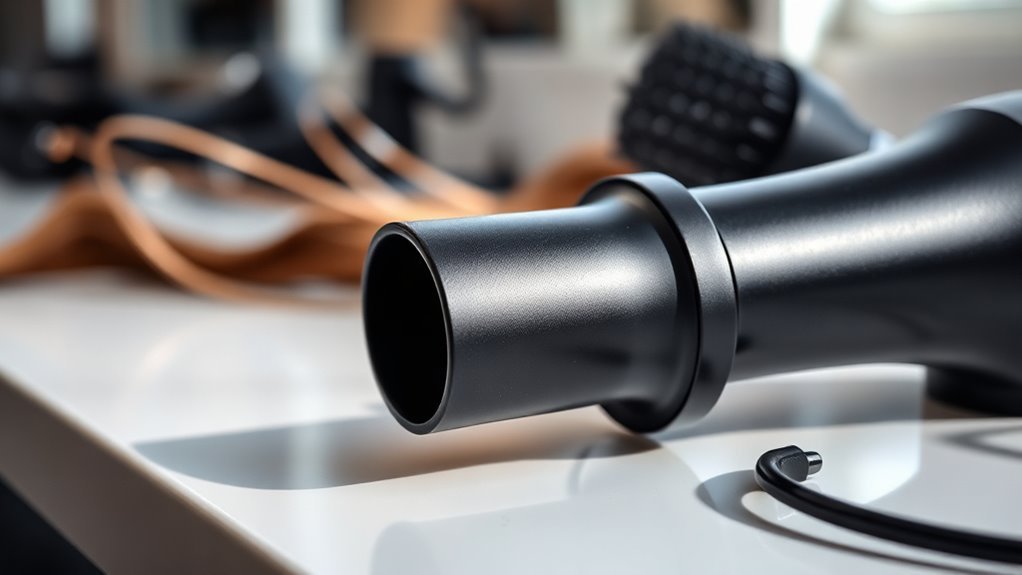
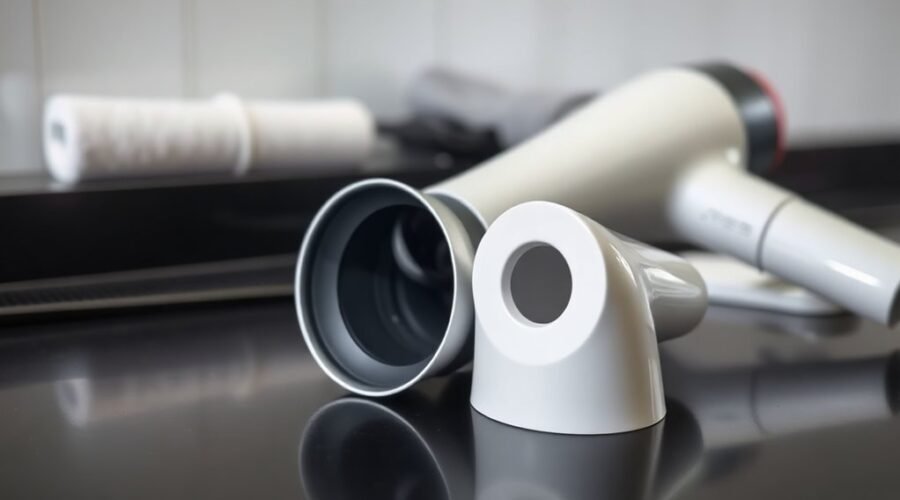
A hair dryer concentrator is a narrow nozzle attachment that channels airflow into a focused stream, so you can direct heat exactly where you need it. You use it to shape sections with control, smooth frizz, and refine the finish of your look.
It helps you lift roots, stretch curls, and guide strands into sleeker lines without sacrificing movement. When you rely on it, you gain precision for styling techniques that demand accuracy, especially around bangs, layers, and hairlines.
It also supports blowout methods by letting you work section by section, so each pass looks intentional and polished. Instead of blasting hair everywhere, you target one area at a time and keep your style under command.
That means less guesswork, more consistency, and a result that feels clean, strong, and free.
Hair Dryer Concentrator Nozzle Sizes Compared
| Concentrator Nozzle Width | Airflow & Heat Profile | Best Hair Type & Styling Goal |
|---|---|---|
| Ultra-Narrow (4 mm – 6 mm) | High-velocity, tightly focused air ribbon | Thick, curly, or coarse hair; maximum brush tension & root straightening |
| Standard Styling (7 mm – 8 mm) | Balanced air speed and section coverage | Medium, wavy, or layered hair; everyday round-brush blowouts |
| Wide Smoothing (9 mm – 12 mm) | Broader, gentler directional airflow | Long or fine hair; faster section drying with less localized heat |
How a Hair Dryer Concentrator Works
A hair dryer concentrator directs airflow into a tighter stream, so you can aim heat exactly where you need it.
Its narrow nozzle reduces the spread of air, which helps you smooth sections and control flyaways with more precision.
Airflow Direction
Think of the concentrator as a nozzle that reins in your hair dryer’s otherwise broad stream of air. You direct that airflow straight where you want it, so you can shape, smooth, and dry with intent instead of battling random turbulence.
By steering the air along one controlled path, you improve airflow patterns and make your drying techniques more efficient. Hold the nozzle close to the section you’re working on, then move it slowly from roots to ends to keep the hair aligned and reduce frizz.
You’ll get more control, less waste, and faster results because the dryer works with your technique, not against it. That focused direction helps you claim precision, freedom, and consistency in every blow-dry.
Narrow Nozzle Effect
The concentrator’s narrow nozzle compresses the dryer’s broad airflow into a tighter, faster stream, which lets you aim heat and air with far greater precision.
You control where every puff goes, so you can smooth one section without disturbing the rest. That focused stream delivers clear narrow nozzle benefits: cleaner partings, sharper bend control, and less frizz from scattered airflow.
It also supports styling techniques like tension drying, root lifting, and brush-guided smoothing, because you can direct air exactly where your hands need it.
Instead of battling wild dispersion, you shape hair with intention and speed. You get more command over the result, less wasted motion, and a styling process that feels deliberate, efficient, and freeing.
Heat Concentration
When a concentrator narrows airflow, it also concentrates heat into a smaller target area, so the warm air reaches the section you’re styling with more intensity and less spillover. You control that focus with your dryer’s heat settings, choosing enough warmth to speed drying without frying texture.
Use lower settings for fine or damaged hair, and raise heat only when you need extra power for thicker strands. Direct the nozzle along the hair shaft to smooth the cuticle, then move steadily to avoid hot spots.
These styling techniques help you dry with precision, reduce frizz, and protect your hair’s natural movement. With the right angle, tension, and distance, you can shape each section efficiently and keep your routine clean, intentional, and free from wasted effort.
Why a Hair Dryer Concentrator Reduces Frizz
A hair dryer concentrator reduces frizz by directing airflow exactly where you need it, so you smooth sections without blasting hair in every direction.
That focused stream helps press the cuticle flat, which leaves your hair sleeker and less prone to flyaways.
It also speeds up drying, so your hair spends less time exposed to heat and humidity, both of which can trigger frizz.
Direct Airflow Control
By narrowing the stream of air, a hair dryer concentrator sends heat exactly where you want it, so you can smooth the hair cuticle instead of blasting strands in every direction.
You gain airflow precision, which helps you guide each section with control and keep roots, mids, and ends aligned. That focused path also gives you styling versatility, because you can aim the nozzle for sleek blowouts, volume at the crown, or a clean bend at the ends.
- a tight ribbon of air over a round brush
- hair moving in one controlled direction
- fewer flyaways lifting in the breeze
- sectioned strands held firm under tension
- polished shape forming without chaos
Use the concentrator to work faster, waste less heat, and style on your terms.
Cuticle Smoothing Effect
That focused airflow doesn’t just aim heat better; it also helps flatten the hair cuticle so strands lie smoother and reflect light more evenly.
When you direct air through a concentrator, you reduce rough lifting along the hair’s outer layer, which helps frizz stay in check. You keep control, so each section gets precise tension and less disruption.
That matters for cuticle health because a smoother surface locks in a sleeker finish without forcing your hair into submission.
Use deliberate smoothing techniques: point the nozzle downward, follow the brush, and keep the dryer moving in steady passes. You’ll get cleaner alignment, less puffiness, and a finish that looks polished, not overworked.
Faster Drying Time
A concentrator speeds drying by narrowing the airflow, so you move more air over a smaller section instead of wasting it in every direction. That focused stream pushes moisture off the hair shaft faster, which means you spend less time exposing strands to heat and friction.
Less chaos means less frizz, and you keep more control over the finish. Use low to medium heat settings and steady drying techniques to guide each section from roots to ends.
- A sleek nozzle tracing a parted section
- Water beads disappearing in a controlled sweep
- A brush lifting hair into a smooth arc
- Warm air hitting one precise ribbon at once
- A polished finish forming without flyaways
You dry faster, protect texture, and claim freedom from overworked hair.
How to Use a Hair Dryer Concentrator
Start with clean, towel-dried hair and attach the concentrator nozzle so the flat opening points in the direction you want to smooth the hair.
Section your hair into manageable panels, then hold the dryer a few inches away and aim the airflow down the shaft. Keep the nozzle moving to prevent heat buildup, and follow each pass with a brush or comb for control.
For sleek results, direct the air from roots to ends; for volume, lift at the roots before smoothing the lengths. Use medium heat and medium speed, then lower both as your hair dries.
These styling techniques help you shape your look without fighting your texture. Choose product recommendations like heat protectant, smoothing cream, or lightweight serum to reduce frizz and add shine.
Finish with a cool shot to seal the cuticle and lock in your style.
How to Choose the Right Concentrator
Which concentrator you choose should match your hair type, styling goals, and dryer compatibility. Start by checking the fit: a secure attachment prevents slipping and lets you direct airflow with confidence.
Then compare concentrator materials, because heat-resistant plastic feels lightweight, while metal can hold warmth longer. Choose nozzle sizes based on control: a narrow opening gives sharper precision, and a wider one moves faster through larger sections. Look for smooth edges, since they reduce snagging and support sleek results.
- A slim nozzle for crisp, polished tension
- A medium nozzle for balanced airflow
- A wide nozzle for quicker drying
- A heat-safe body that won’t warp
- A snug clasp that clicks into place
When you select deliberately, you claim more command over every stroke. The right concentrator helps you work cleaner, faster, and with less frustration, so your routine feels freer and more intentional.
Best Hair Types for a Concentrator
Concentrators work best when your hair needs control, tension, and a smoother finish, especially if your strands are medium to long, thick, frizzy, or naturally wavy. You’ll get the most payoff when you want to direct airflow and shape the cuticle while keeping the blowout polished.
If you have curly hair, a concentrator helps you stretch each section, reduce puffiness, and define a sleeker pattern without flattening all your texture. For fine hair, it can add lift at the roots and keep the dryer focused so you don’t overwork delicate strands.
You’ll also benefit if your hair is dense, because the nozzle lets you work in cleaner, smaller sections with more precision. Use it when you want smoothness, movement, and control that feels intentional, not forced.
For straight hair, it still helps refine shine and create a sharp, finished look.
Common Hair Dryer Concentrator Mistakes
Even a great concentrator can work against you if you use it the wrong way. You’ll see faster, sleeker results when you avoid the common misconceptions that make styling harder.
Don’t blast wet hair with max heat; you’ll create frizz and slow your blowout. Don’t point the nozzle randomly, either. Good usage techniques mean directing airflow from roots to ends, keeping tension with your brush, and moving methodically.
A cramped setup, poor sectioning, or holding the dryer too close can trap heat and leave your hair dull.
- Air darting sideways into tangled strands
- A nozzle pressed almost against the scalp
- Thick sections hiding moisture at the center
- Hot air lingering in one spot like a torch
- Brushing without guiding the airflow
Choose control over chaos. Start with towel-dried hair, use medium heat, and let the concentrator sharpen your shape, not fight it.
Related Hair Care & Styling Guides
Explore more step-by-step hair care guides on ReviewZN:
- How to Apply Oil to Hair: Pre-Wash & Post-Blowout Guide
- How to Apply a Hair Mask for Maximum Hydration
- Do You Apply Concealer Before or After Foundation?
Frequently Asked Questions
Can a hair dryer concentrator attachment damage fine hair?
A concentrator nozzle only risks heat damage if held stationary against the hair shaft on maximum heat. Keep the nozzle 2 to 3 inches from the brush, angle airflow downward from roots to ends on low-to-medium heat, and apply a heat protectant first.
Do all hair dryers accept universal concentrator nozzles?
No. Hair dryer barrels vary in outer diameter (typically 1.6 to 2.2 inches) and mounting style (snap-on collar, twist-lock, or magnetic ring). Always match the nozzle to your exact dryer model or measure the barrel diameter before buying a universal collar attachment.
How often should I clean a concentrator nozzle?
Wipe your concentrator nozzle every 1 to 2 weeks after unplugging and cooling the dryer. Removing styling spray and dust buildup keeps the narrow slot clear for smooth laminar airflow.
Should I use a concentrator on dripping-wet hair or damp hair?
Rough-dry dripping-wet hair without the nozzle (or with a wide nozzle) until it is about 70% to 80% dry, then attach the hair dryer concentrator for section-by-section brush smoothing.
Should the concentrator slot be aligned horizontally or vertically?
Align the flat slot parallel to your round or paddle brush so the wide ribbon of air covers the full width of the hair section as you glide from roots to ends.