If your press-ons seem to vanish the second you finish your hands, you need a better hold. You can use adhesive tabs, nail tape, gel base coat, or a gentle brush-on resin instead of nail glue, and each option changes wear time, removal, and stress on your natural nails. The right choice depends on your nail type and how long you need them to stay put—and one method may surprise you.
What Can You Use Instead of Nail Glue?
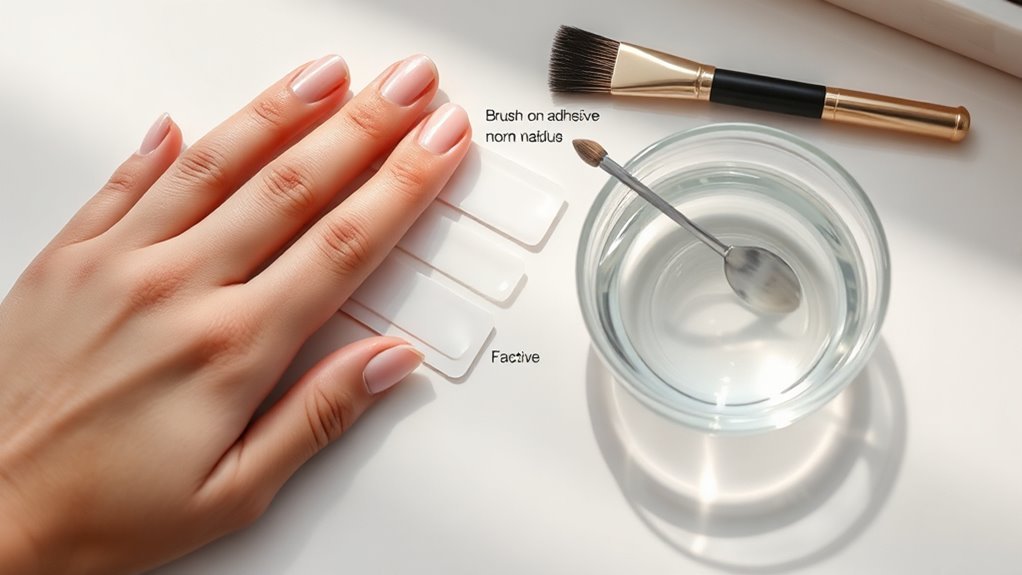
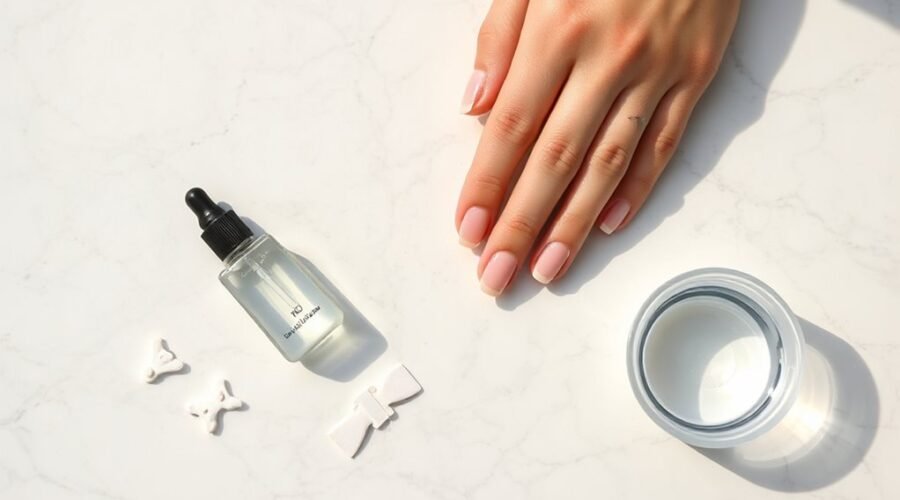
If you need a substitute for nail glue, choose an adhesive that bonds securely without damaging the natural nail. You can use medical-grade adhesive tabs, press-on nail tape, or a gentle brush-on resin, depending on wear time and removal needs.
Clean your nails first, then dry them completely; oil weakens every bond. Lightly buff the surface to improve grip, but don’t thin the plate. Apply a thin, even layer and press firmly for 20 to 30 seconds.
For temporary wear, adhesive tabs offer clean removal and fast application. For stronger hold, brush-on adhesives outperform tape in adhesion, but they can require more careful removal. These adhesive comparisons help you match product choice to your routine.
Follow nail care tips by avoiding acetone overuse and rehydrating your cuticles after removal. You deserve flexible options that support your style without sacrificing nail health or autonomy.
Best Nail Glue Alternatives for Press-Ons
For press-ons, the best nail glue alternatives are adhesive tabs, press-on tape, and brush-on nail adhesives, with each option serving a different wear time and removal method. You can match nail adhesive types to your schedule and freedom goals:
- Adhesive tabs: best for short wear and quick swaps.
- Press-on tape: gives a thin, flexible bond.
- Brush-on nail adhesives: offer stronger hold than tabs.
- Natural remedies: keep them for conditioning, not bonding.
Choose tabs if you want temporary style control. Use tape when you need lighter adhesion and cleaner removal.
Pick brush-on formulas when you want firmer retention without traditional glue. You’ll get the most reliable fit by matching the product to your nail shape and event length.
Skip vague hacks and focus on products engineered for press-ons. That way, you keep your look polished, your routine simple, and your options open.
How to Use Nail Glue Substitutes Safely
You should choose skin-safe adhesives that are labeled for cosmetic use and free of harsh solvents or known irritants.
Test the product on a small area first, and stop using it if you notice burning, redness, or swelling.
When it’s time to remove it, soften the bond with the recommended remover or warm water and lift it gently to avoid damaging the nail plate or surrounding skin.
Choose Skin-Safe Adhesives
Choose skin-safe adhesives with ingredients labeled for cosmetic or medical contact, because the wrong formula can irritate skin, weaken the nail bond, or cause allergic reactions.
You should compare skin safe options before you apply anything, and match each choice to your adhesive types goal.
- Test a small patch on intact skin.
- Read the full ingredient list for acrylates, latex, or solvents.
- Pick low-odor formulas made for direct skin contact.
- Stop if you feel burning, redness, or itching.
Use only a thin layer, and keep the product off cuticles and surrounding skin.
Check cure time, bond strength, and flexibility so you can move freely without compromising safety.
When you choose intentionally, you protect your skin and keep control over your nail routine.
Remove Them Gently
Removing nail glue substitutes safely starts with breaking the bond slowly, not forcing the nail off. Soak your nails in warm water mixed with gentle soap for 10 to 15 minutes, then test the edge with a wooden stick.
If you used oil-based adhesive types, massage cuticle oil around the seam to weaken the hold. For stronger formulas, apply acetone sparingly with a cotton pad, keeping it off skin whenever possible. Lift only when the nail slides freely; never pry or twist.
After removal, wash, dry, and inspect the nail plate for redness or lifting. Finish with moisturizer and a recovery break so your nail care routine stays protective, precise, and free from damage.
When Nail Tabs Work Best
Nail tabs work best when you need a clean, low-commitment hold for press-ons and other lightweight tips.
You should use them for temporary wear, such as short events, photo sessions, or a single day of use, because they’re easier to remove than glue.
They’re also useful when you want to protect your natural nails from adhesive exposure.
Best Uses for Tabs
When you need a clean, temporary hold, nail tabs work best for short-term wear, easy removal, and situations where you want to avoid liquid adhesive. You’ll get the most nail tab benefits when you need control, speed, and a damage-light option.
Compare adhesive types by grip, thickness, and surface compatibility before application. Use tabs for:
- press-on nails on a dry, smooth plate
- quick style changes without solvent cleanup
- testing shape, length, or fit before commitment
- low-pressure wear that keeps your routine flexible
Prep your nails by removing oil, then press each tab firmly for full contact.
Don’t use them on wet, flexible, or heavily textured surfaces. With proper prep, you keep your nails free, polished, and ready for your next move.
Temporary Wear Situations
Short-term wear is where nail tabs shine, especially if you want a hold that’s easy to remove and won’t lock you into a long commitment. You can use them for a weekend event, photo shoot, interview, or travel day when you need polished nails without permanence.
They’re ideal temporary solutions when you’re testing shapes, lengths, or colors before committing to adhesive. Apply them to clean, dry nails, press firmly, and avoid heavy water exposure for maximum hold.
If you need quick fixes, tabs let you change sets fast and protect your natural nails from damage. For brief wear, you get control, flexibility, and freedom without sacrificing a neat finish.
Can Clear Nail Polish Hold Press-Ons?
Yes, clear nail polish can help press-ons stick temporarily, but it isn’t a reliable substitute for nail glue. You can use it when you need brief wear, but expect limited press-on durability and modest nail polish effectiveness. The coating dries hard, yet it doesn’t create the same bond strength as adhesive designed for tips.
Clear nail polish can hold press-ons briefly, but it won’t match the strength of nail glue.
- Clean and dry your nails first.
- Apply a thin, even layer.
- Press each tip firmly for 20 seconds.
- Avoid water, oil, and heavy hand use.
You’ll get the best result on short-term looks, not all-day freedom. Clear polish works best on smooth, intact nails with light pressure and minimal movement.
If you want your press-ons to stay secure longer, treat this method as a stopgap, not a foundation. Check edges often, and remove any lifting before it catches.
How to Use Gel Base Coat as Adhesive
A gel base coat can work as a temporary adhesive for press-ons if you cure it properly and keep the layer thin.
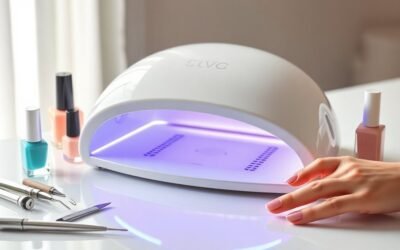
Prep your natural nail by cleansing, lightly buffing, and removing dust, then apply one even coat of gel base coat to the nail only. Avoid flooding the cuticle; precise gel coat application improves contact and reduces lift. Cure under a UV or LED lamp for the manufacturer’s full time, then press the nail onto the tacky surface and flash-cure again if the product allows it.
Work one nail at a time so you can align each tip before the gel skins over. The result won’t match professional glue, but it can deliver solid bonding strength for short-term wear.
To maximize hold, seal the free edge and avoid water exposure for the first hour. When you want flexibility without giving up polish, this method lets you choose control over permanence.
Gentle Nail Glue Alternatives for Weak Nails
If your nails are weak, brittle, or peeling, skip harsh cyanoacrylate glues and choose gentler options that limit stress during removal. You can secure tips with formulas that flex with your nail plate and support recovery, not damage.
Prioritize adhesion that respects your body’s rhythm and preserves freedom of movement.
- Use brush-on nail strengtheners with keratin or calcium.
- Choose peel-off base coats for short-term wear.
- Apply silk wraps with resin-free systems.
- Try natural remedies like jojoba oil and protective balms.
Prep matters: cleanse, lightly dehydrate, and avoid overbuffing. Apply thin layers only, then let each layer cure or dry fully before load-bearing use.
If you need hold for a day or two, these alternatives give you control without trapping your nails under rigid glue. You’ll reduce splitting, maintain flexibility, and keep your manicure routine aligned with healthier nail growth.
How to Remove Nail Glue Alternatives Safely
Safe removal starts by matching the method to the product you used, because the wrong solvent or too much force can tear layers of the natural nail.
For cyanoacrylate-based adhesive options, soak cotton with acetone, place it on the bond, and wrap the fingertip in foil for 10 to 15 minutes. Then slide off softened residue with a wooden stick; don’t pry.
Soak with acetone, wait 10 to 15 minutes, then lift softened residue gently with a wooden stick.
For peel-off tabs or water-based glues, soak in warm soapy water and gently lift from the edge after the bond loosens.
Keep your nail care routine steady: file only the surface sheen, moisturize cuticles, and buffer lightly after removal.
If you feel heat, pain, or resistance, stop and re-soak. Avoid metal tools that can gouge the plate.
Liberation means choosing methods that free your nails without damage, so you can switch adhesive options confidently and keep your natural nail intact.
Clean with alcohol-free remover, then apply cuticle oil to restore flexibility.
Frequently Asked Questions
How Long Do Press-On Nails Usually Last Without Nail Glue?
Without nail glue, you’ll usually get 1–3 days of wear, though press on durability varies with your nail prep, fit, and daily water exposure.
If you use tape, gel tabs, or other alternative adhesives, you can often extend wear to 5–10 days.
You should buff lightly, cleanse thoroughly, and avoid oil before application.
That gives you more control, less dependence on salon products, and a freer, more flexible routine.
Can I Reuse Press-On Nails After Removing Adhesive Tabs?
Yes, you can reuse press-on nails after removing adhesive tabs—what a rebellious little act of efficiency.
You’ll need careful adhesive removal to avoid warping the nail. Clean the underside with alcohol, then inspect for residue or bends.
Follow smart nail care tips: don’t scrape hard, and store each set flat.
If the adhesive film stays intact, you can reapply tabs and wear them again with precise, liberated control.
Are Nail Glue Alternatives Safe for Acrylic Nails?
Yes, some nail glue alternatives can be safe for acrylic nails if you choose the right adhesive types and protect your nail health.
You can use brush-on resin, pressure-sensitive tabs, or latex-free adhesives, but they won’t bond as strongly as cyanoacrylate glue.
You should avoid harsh solvents and over-buffing.
Test one nail first, monitor lifting, and remove products gently.
Your nails deserve freedom, not damage.
Do Nail Glue Substitutes Work on Oily Nail Beds?
Yes, they can work, but only if you prep the surface first.
You’ll need to remove oil, gently buff the plate, and use proper nail care before applying any adhesive options.
On oily nail beds, weak prep lowers bond strength and shortens wear time.
Clean with alcohol, let it dry fully, then apply a primer or dehydrator.
That way, you increase hold and keep your manicure flexible, durable, and free.
Can I Swim With Press-Ons Attached Using Nail Tabs?
Yes, you can swim with press-ons attached using nail tabs, but only briefly.
I once saw a tab hold through one splash like a lifeline, then loosen after 20 minutes in chlorinated water.
You should treat them like temporary gear: dry your hands first, avoid soaking, and check edges after swimming.
For press on maintenance, carry spare tabs.
Your swimming precautions decide whether your set stays secure or slips free.
Conclusion
If you want a secure hold without harsh glue, you’ve got options: nail tabs for quick wear, clear polish or gel base coat for stronger hold, and gentle resin when you need more durability. You can choose easy removal or longer wear, but you shouldn’t skip patch testing or nail prep. Clean, dry nails improve adhesion, while careful removal protects weak nails. Pick the substitute that matches your wear time, not just your patience.