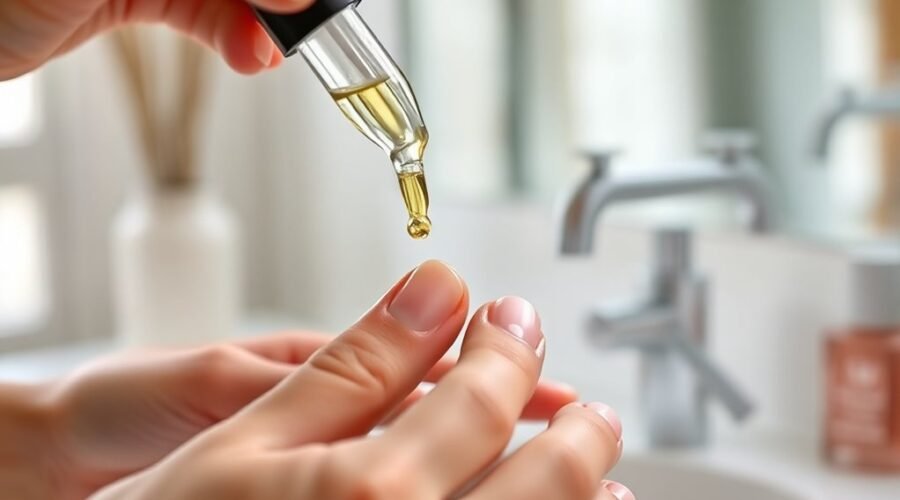
Knowing how to apply cuticle oil effectively means targeting four distinct zones—the proximal nail fold (base crescent), both lateral sidewalls, the nail plate surface, and the hyponychium underneath the free edge—using just one micro-drop shared across 2 to 3 fingers rather than flooding the skin. Massage the oil in with firm circular thumb pressure for 20 to 30 seconds after handwashing or right before bed, and always apply it after (never right before) painting your nails.
How to Apply Cuticle Oil Across All 4 Nail Anatomy Zones
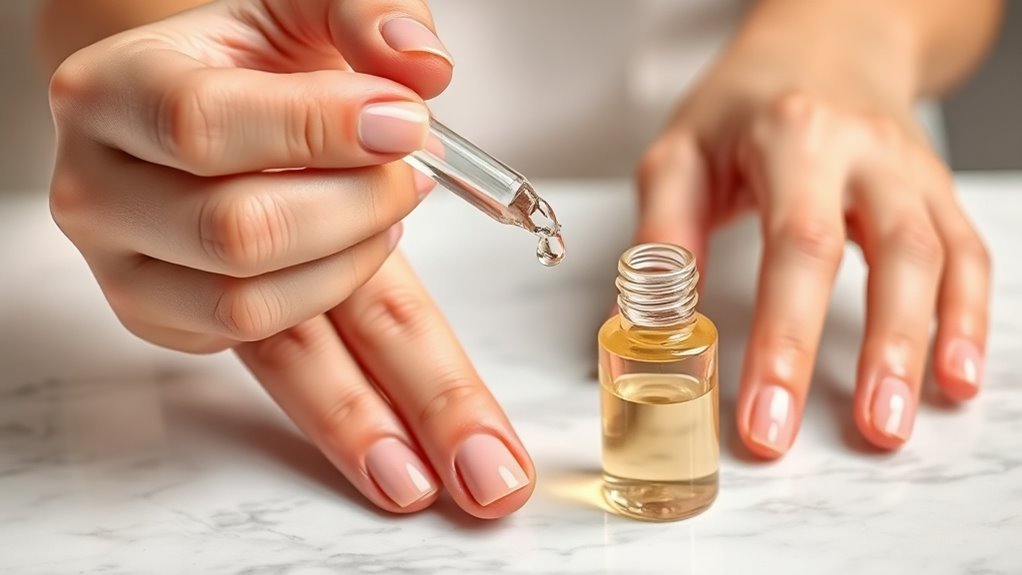
Most people dab oil only at the bottom curve of the nail and wipe the rest away. To get full hangnail protection and flexible nail growth, trace all four contact zones when practicing how to apply cuticle oil:
| Nail Anatomy Zone | Exact Placement | Why This Zone Needs Oil |
|---|---|---|
| 1. Proximal Nail Fold (Base Curve) | Where the skin meets the base of the nail above the matrix | Softens the eponychium seal and nourishes newly forming nail cells |
| 2. Lateral Nail Folds (Sidewalls) | The left and right skin grooves running up the sides of the nail | Stops painful side hangnails and calloused, peeling corner skin |
| 3. Dorsal Nail Plate (Top Surface) | Across bare nails or around the edges of gel/acrylic overlays | Jojoba esters penetrate between keratin layers to prevent brittle delamination |
| 4. Hyponychium (Under Free Edge) | Underneath the tip of the nail where skin attaches to the plate | Prevents long nails from drying out, curling, or splitting at stress corners |
Cuticle Oil Applicators Compared: Dropper vs. Brush Pen vs. Rollerball
How much product you dispense depends on your bottle style—using too much leaves greasy fingerprints on your phone and keyboard:
| Applicator Type | Ideal Dose Per Hand | Best Situation | Hygiene & Control Tip |
|---|---|---|---|
| Glass Pipette Dropper | 1–2 total drops shared across all 5 nails | Nightstand routine or post-acetone soak rehydration | Hover the glass tip 0.5 inch above skin—never touch the dropper to fingers |
| Twist-Click Brush Pen | 1 click for 3–5 nails | Office desk, purse, or car console touch-ups | Trace a thin crescent along the fold using the dry brush bristles before clicking again |
| Nail Polish Bottle Brush | Wipe stem completely; 1 dip covers 5 nails | After finishing an at-home manicure | Wipe both sides of the brush on the bottle neck so it doesn’t flood sidewalls |
| Stainless Steel Rollerball | 1 light swipe per cuticle base | Travel and spill-proof pocket carry | Wipe the rollerball weekly with an alcohol pad so dead skin doesn’t collect inside |
Step-by-Step: How to Apply Cuticle Oil Without Greasy Hands
- Start right after washing and drying hands: Warm water softens the keratin plate and surrounding skin folds; pat hands dry so surface water does not repel the oil.
- Dispense a micro-bead at the base crescent: Touch a barely wet brush tip (or transfer one drop across three fingernails) along the proximal nail fold.
- Trace down both sidewalls and under the tip: Glide the remaining oil on the brush down the left and right grooves, then swipe across the underside of your nail’s free edge.
- Massage with your opposite thumb for 20 seconds per nail: Use small, firm circular motions around the horseshoe curve of each finger to warm the oil and boost blood flow to the nail matrix.
- Blot your finger pads (not the nail fold) if typing: After waiting 2 minutes for absorption, lightly touch only your palm-side fingertips to a tissue so you can use a keyboard or touchscreen while the oil stays working on your cuticles.
Pros and Limitations of Daily Cuticle Oil
Key Advantages
- Stops painful hangnails and ragged sidewall skin within 3 to 5 days of twice-daily massage
- Extends gel, dip powder, and acrylic wear by keeping the natural nail plate underneath flexible
- Erases the chalky white dehydration cast left behind after 100% acetone soak-offs
Limitations to Watch For
- Applying oil right before polish, gel, or press-on nail glue ruins adhesion—always dehydrate with alcohol before painting and oil only after curing
- Heavy mineral oil or petrolatum sits on top of the nail plate; small-molecule plant esters like jojoba oil penetrate far better
Hygiene and Allergy Safety Notes
Never apply cuticle oil over an open, bleeding hangnail tear or a red, swollen, pus-filled nail fold (paronychia), and never share rollerball or brush applicators if anyone has a fungal nail infection. If you have nut allergies, check the ingredient label carefully before using cuticle oils containing sweet almond oil or macadamia oil—opt for pure 100% jojoba oil or squalane instead. For daily frequency schedules, see our companion guide on How to Use Cuticle Oil: Daily Timing Guide.
Related Cuticle and Nail Care Guides
- How to Use Cuticle Oil: Daily Application & Timing Guide
- Is Dip Powder Bad for Your Nails? Risks, Hygiene & Removal
- Acrylic Nail Fill Ins: 2–3 Week Schedule, Steps & Care
Frequently Asked Questions
Can cuticle oil replace hand cream?
No. Cuticle oil uses small-molecule plant esters (like jojoba oil) to penetrate the nail plate and tight skin crevices around the nail fold, whereas hand cream contains water-based humectants and thicker occlusives that lock moisture into the broader skin of your hands. For very dry hands, massage in cuticle oil first and seal with hand cream on top.
Should you apply cuticle oil before or after painting your nails?
Always apply cuticle oil AFTER your nail polish, gel, dip, or press-on adhesive has completely cured and dried—never right before painting. Even a microscopic trace of oil on the bare nail plate blocks base coat adhesion and causes immediate peeling or lifting.
Can I use cuticle oil on acrylic, gel, or dip powder extensions?
Yes—daily jojoba-based cuticle oil is one of the best ways to keep rigid acrylic, gel, or dip overlays from lifting or cracking. The oil plasticizes the surrounding natural nail and keeps the cuticle seal flexible without dissolving cured resin.
Why should you also apply cuticle oil underneath the tip of your nail?
Applying a tiny swipe of oil under the free edge hydrates the hyponychium (the living skin seal beneath your nail tip) and the underside of the exposed nail plate, which prevents long nails from curling inward or splitting at the corners.
How long does a bottle of cuticle oil last before expiring?
Most plant-based cuticle oils last 12 to 24 months once opened when stored in a cool drawer away from direct sunlight. Replace the bottle sooner if the oil develops a sharp, crayon-like rancid smell or turns cloudy.