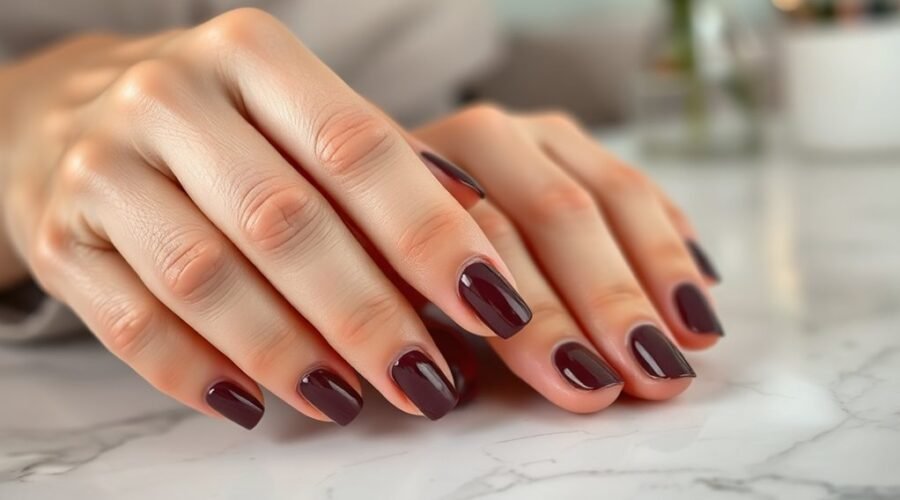
If you are asking is dip powder bad for your nails, the polymer powder and cyanoacrylate resin system itself is not inherently harmful—nearly all nail thinning comes from aggressive e-file prep, scraping or prying off old layers, and unsanitary communal salon dip jars. When applied over a lightly buffed nail plate using the pour-over method and soaked off patiently with 100% pure acetone, dip powder delivers 3 to 4 weeks of UV-free wear without wrecking your natural nails.
Is Dip Powder Bad for Your Nails? Where Damage Actually Happens
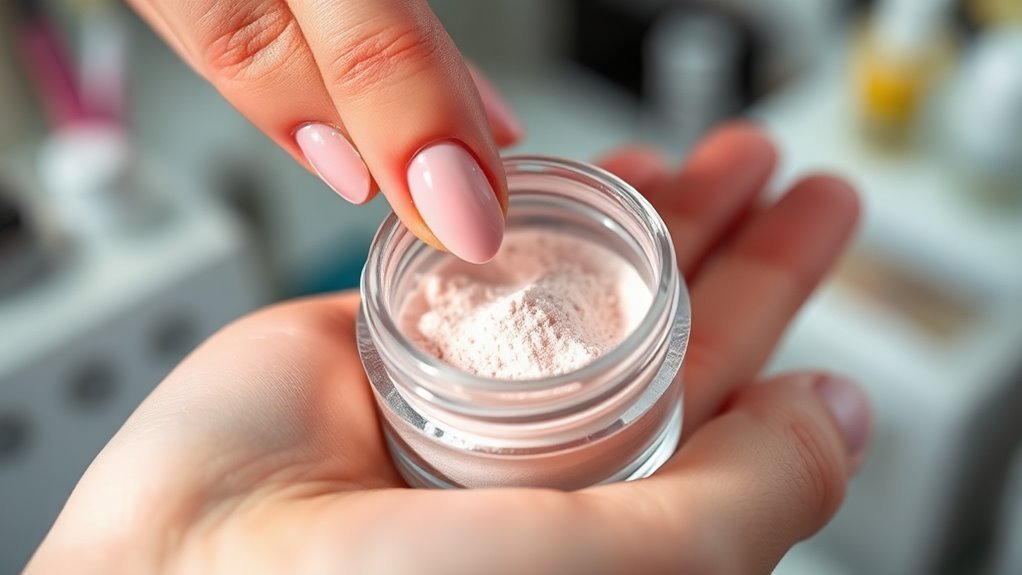
Dip powder (SNS) combines a cyanoacrylate resin base coat (similar to nail glue), finely milled acrylic ester polymer powder, and a chemical activator that hardens the coating without an LED/UV lamp. Evaluating is dip powder bad for your nails comes down to separating the chemistry from four avoidable salon habits:
| Risk Factor | How It Damages Natural Nails | How to Prevent It |
|---|---|---|
| Heavy E-File Prep | Drilling the natural nail plate removes protective dorsal keratin layers, leaving “rings of fire” and paper-thin nails | Ask your tech to use only a fine 180/240-grit hand buffer to remove surface shine |
| Prying or Scraping Off Dip | Forcing partially softened dip off with a metal Nipper or dental tool strips sheets of natural nail keratin | File off the shiny top coat and soak in 100% pure acetone for 15–20 minutes until it crumbles |
| Communal Jar Dipping | Dipping multiple clients’ fingers into the same powder jar can transfer bacteria, fungi, or moisture | Insist on the pour-over method, a clean scoop, or a single-use disposable cup |
| Trapped Moisture Under Lift | Leaving lifted edges unremoved for weeks traps water, leading to green Pseudomonas bacterial staining | Soak off and start fresh every 3 weeks rather than gluing down lifted corners |
Dip Powder vs. Soft Gel vs. Traditional Acrylics for Nail Health
Every long-wear manicure system trades off rigidity against removal effort:
| Manicure Type | Curing Method | Flexibility on Nail | Removal Time (100% Acetone) | Biggest Health Watch-Out |
|---|---|---|---|---|
| Dip Powder (SNS) | Chemical activator (No UV lamp) | Rigid, hard overlay | 15–20 minutes (after filing seal) | Communal jar hygiene & cyanoacrylate vapors (“dip flu”) |
| Soft Gel Polish | LED / UV lamp | Flexible, thin coat | 10–12 minutes | UV exposure on hands & HEMA acrylate skin allergy |
| Liquid & Powder Acrylic | Air-curing monomer + polymer | Most rigid structural build | 20–30 minutes | Heavy e-file prep & illegal MMA monomer in discount salons |
How to Remove Dip Powder Safely Without Thinning Your Nails
- File off the top 20% to 30% of bulk: Use a 100/180-grit hand file to buff away the shiny top coat and thin the color layer so acetone can penetrate faster—stop well before reaching your natural nail.
- Protect your cuticles with oil or petrolatum: Dab a drop of jojoba cuticle oil or plain petroleum jelly around the skin fold to shield skin from acetone dehydration.
- Use warm 100% pure acetone (never non-acetone): Saturate cotton balls in 100% pure acetone and wrap tightly in foil for 15 minutes—or place a small bowl of acetone containing a folded paper towel inside a outer bowl of warm (never boiling) water and gently rub your nails against the submerged towel.
- Wipe away dissolved paste—never pry: Once the dip turns into a soft gummy slush, wipe it off with a paper towel or wooden orange stick. If a spot resists, re-soak for another 5 minutes.
- Rehydrate immediately: Wash hands with lukewarm soapy water and massage jojoba cuticle oil and hand cream into the nail plate twice daily.
Pros and Limitations of Dip Powder Manicures
What Stands Out
- Cures without UV or LED lamp exposure while lasting 3 to 4 weeks chip-free
- Adds rigid strength that keeps weak, bendy natural nails from splitting at the corners
- Soaks off in pure acetone more easily than hard builder gels that must be filed off
Limitations to Consider
- Cyanoacrylate resin and activator fumes can trigger temporary nasal congestion or coughing (“dip flu”) in sensitive users
- Rigid 3-to-4-coat dip overlays have zero give—if you slam a long dip nail, it can crack across the stress zone
- Requires soaking off completely every 3 to 4 weeks rather than quick back-to-back fills
Signs Your Nails Need a Break From Dip Powder
Pause dip powder manicures for 2 to 4 weeks (keeping nails trimmed short and coated with daily jojoba oil) if you notice red, tender horizontal bands across the nail plate (“rings of fire” from over-filing), white chalky keratin granulation spots after acetone removal, green discoloration under the plate, or itchy, swollen cuticles after contact with the resin or activator.
Related Nail Care and Removal Guides
- Gel vs. Acrylic Nails: Differences, Strength & Wear Time
- How to Remove Gel Nail Polish at Home (Safe Soak-Off Guide)
- How to Use Cuticle Oil: Daily Application & Timing Guide
Frequently Asked Questions
How long does a dip powder manicure usually last?
A properly prepped dip powder manicure typically lasts 3 to 4 weeks without chipping. However, leaving dip on past 3 to 4 weeks shifts leverage toward the tip as your nail grows out, increasing the risk of lifting and water getting trapped underneath.
Can dip powder be used on short natural nails?
Yes. Dip powder bonds directly to short natural nails without needing plastic tips or UV lamps, adding a rigid protective overlay that helps short or brittle nails grow out without snapping.
Is dip powder safe during pregnancy?
Occasional dip manicures are generally low risk during pregnancy when applied in a well-ventilated room, since the cyanoacrylate base and activator can release strong vapors ("dip flu" irritation) and fine acrylic dust. Wear a mask while filing and wash hands thoroughly afterward.
Can you swim with dip powder nails?
Yes, cured dip powder holds up well in pools and ocean water, though prolonged soaking causes the natural nail underneath to expand and contract. Rinse hands with fresh water after swimming, pat dry, and apply jojoba cuticle oil to keep the seal flexible.
Why do salons pour dip powder over the nail instead of dipping into the jar?
Dermatologists and state salon boards strongly recommend pouring or sprinkling powder over a single client's finger (or using a disposable cupcake liner) rather than dipping multiple clients' fingers into a communal jar, which can spread fungal or bacterial nail infections.