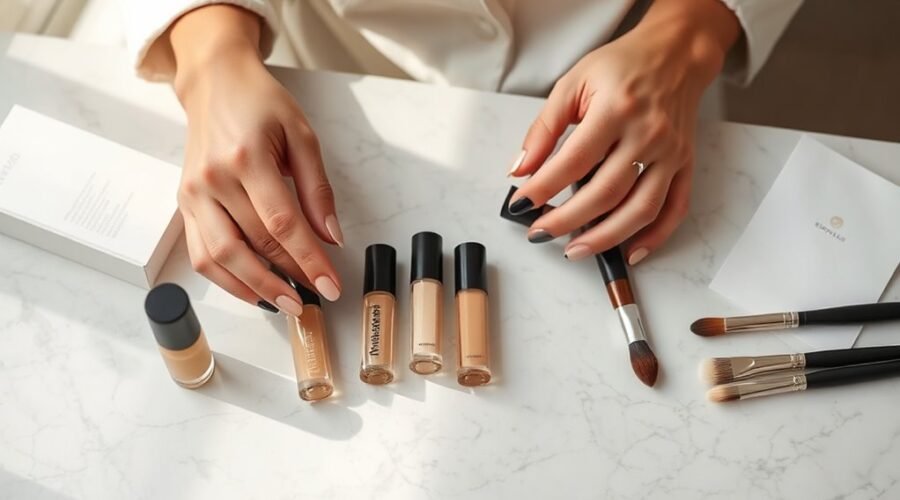
The best non pore clogging concealers use lightweight, oil-free water-and-volatile-silicone bases paired with breathable humectants (like glycerin or niacinamide) while skipping high-comedogenicity esters and waxes such as isopropyl myristate, coconut oil, and lanolin. Choosing a thin, high-pigment liquid over a thick wax stick—and applying it with a clean brush rather than touching the wand to active breakouts—lets you cover blemishes without trapping sebum and bacteria inside pores.
What Makes Non Pore Clogging Concealers Safe for Acne-Prone Skin?
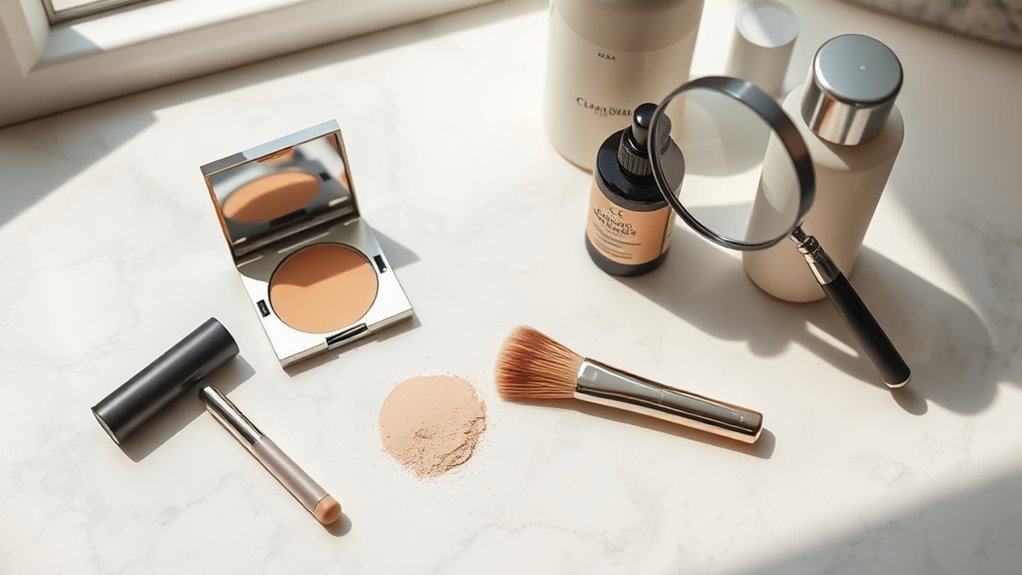
Because “non-comedogenic” is not a strictly regulated FDA claim, reading the first 7 to 10 ingredients on the box is the surest way to pick non pore clogging concealers that will not trigger closed comedones or pustules:
| Ingredient Category | Acne-Safe Examples to Look For | High-Risk Ingredients to Avoid on Blemishes |
|---|---|---|
| Base & Emollients | Water (aqua), dimethicone, cyclopentasiloxane, caprylic/capric triglyceride, squalane | Isopropyl myristate, isopropyl palmitate, myristyl myristate, coconut oil, cocoa butter |
| Soothing & Active Boosters | Niacinamide, glycerin, hyaluronic acid, panthenol, centella asiatica, 0.5%–2% salicylic acid | Denatured alcohol high on the list (over-dries healing acne crusts) |
| Waxes & Thickeners | Silica, synthetic fluorphlogopite, light sorbitan esters | Heavy lanolin, acetylated lanolin alcohol, dense beeswax/paraffin sticks on oily zones |
| Additives & Pigments | Iron oxides, titanium dioxide, zinc oxide (fragrance-free) | Synthetic parfum/fragrance, essential oils (citrus/lavender), D&C Red dyes prone to comedogenicity |
Choosing a Non-Comedogenic Concealer by Skin Type
Even an acne-safe ingredient list can look cakey or slide off if the finish clashes with your skin’s oil production:
| Skin Type & Concern | Ideal Concealer Format | Finish & Layering Tip |
|---|---|---|
| Oily & Active Breakouts | Oil-free soft-matte liquid or salicylic-acid spot concealer | Tap on with a pinpoint brush and set lightly with translucent silica or mineral powder |
| Combination Skin | Natural-satin serum or lightweight liquid concealer | Use satin liquid under dry eyes and set only T-zone blemishes with powder |
| Dry or Healing Flaky Spots | Hydrating serum concealer with glycerin, hyaluronic acid, or ceramides | Prep flaky crust with a drop of oil-free moisturizer 2 minutes before concealing |
| Sensitive / Rosacea-Prone | Fragrance-free mineral-pigment liquid with niacinamide or centella | Neutralize redness with a sheer green primer first so you need half as much concealer |
How to Apply Concealer Over Acne Without Triggering New Breakouts
- Never touch the doe-foot wand directly to a pimple: Dipping a wand that touched an active blemish back into the tube contaminates the entire bottle with C. acnes bacteria. Dab product onto the back of a clean hand or palette first.
- Let acne treatments dry for 5 to 10 minutes: If you use a morning salicylic acid or benzoyl peroxide gel, wait until it forms a dry film before tapping concealer over it.
- Use a clean pinpoint brush and tap—never rub: Micro-stippling pigment over the center of the spot and feathering only the outer edges keeps coverage opaque without disturbing flaky skin.
- Wash brushes and sponges every 3 to 7 days: Unwashed makeup sponges harbor old sebum and bacteria that cause repeat breakouts even when your concealer formula is non-comedogenic.
- Double-cleanse every evening: Dissolve long-wear silicone and pigment polymers first with micellar water or a non-comedogenic cleansing oil, then follow with a gentle water-based face wash.
Pros and Limitations of Non-Comedogenic Concealers
Key Advantages
- Covers redness and post-inflammatory dark spots without suffocating healing follicles
- Lighter water-and-silicone formulas resist caking and oxidize less in oily T-zones
- Many modern formulas double as skincare with niacinamide, ceramides, or salicylic acid
Limitations to Watch For
- Ultra-light serum concealers offer sheerer coverage than heavy wax theatrical sticks, requiring patient thin-layer building
- Salicylic-acid blemish concealers are too drying for the delicate under-eye area—keep them strictly for spots
- Even the cleanest formula will clog pores if slept in overnight or applied with dirty sponges
Hygiene and Skin-Barrier Safety Notes
Do not apply makeup over an open, weeping, or freshly popped blemish—raw skin absorbs pigments and preservatives directly, increasing inflammation and scarring risk. Cover open spots with a sterile hydrocolloid pimple patch first, then tap concealer lightly over the edges of the patch if needed.
Related Concealer and Skincare Guides
- Do You Apply Concealer Before or After Foundation? Guide
- Clean & Clear Deep Action Face Wash: How to Use Safely
- Retinol Before and After: Week-by-Week Results & Timeline
Frequently Asked Questions
Can I use a non pore clogging concealer around my eyes every day?
Yes. Choose a fragrance-free, ophthalmologist-tested liquid or serum concealer and apply a thin layer only where dark circles show. Remove it gently every evening with micellar water or a mild cleansing balm so pigment does not build up along the lash line or trigger milia.
Does a "non-comedogenic" label guarantee a concealer will never cause breakouts?
No. "Non-comedogenic" is not an FDA-regulated standard, and individual skin can still react to specific esters, silicones, or heavy waxes. Always check the top five ingredients and patch-test along your jawline for 48 hours before applying across acne-prone zones.
How often should I replace my concealer to prevent bacterial breakouts?
Replace liquid and cream concealers every 6 to 12 months (check the 6M or 12M period-after-opening jar symbol on the tube), or immediately if the formula separates, smells sour, or thickens. Avoid touching the doe-foot wand directly to active blemishes.
Can I wear concealer over acne spot treatments like salicylic acid or benzoyl peroxide?
Yes. Apply a thin layer of salicylic acid (BHA) or a low-percentage (2.5%) benzoyl peroxide gel to clean skin first, let it dry completely for 5 to 10 minutes, and dab a water-based or lightweight silicone concealer on top with a clean brush so it does not pill.
Are mineral concealers better than liquid concealers for sensitive, acne-prone skin?
Mineral-pigment concealers (based on iron oxides, titanium dioxide, and zinc oxide without synthetic fragrance or heavy esters) are often better tolerated by reactive or rosacea-prone skin, while lightweight liquid serum concealers blend more smoothly over dry, flaky post-acne spots.