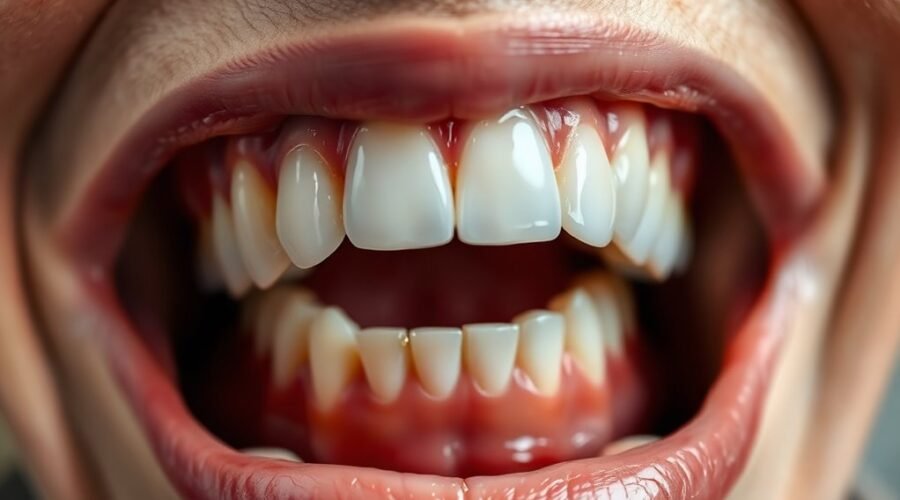
Back teeth explained simply: your back (posterior) teeth consist of 8 premolars and up to 12 molars (including 4 wisdom teeth) that sit behind your canines to crush, grind, and break down food for swallowing. Because they absorb the heaviest chewing forces and have deep grooves that trap plaque, they are also the most vulnerable to cavities, cracks, and gum inflammation.
Quick Answer
Adults have 20 back teeth in a complete 32-tooth set (8 premolars and 12 molars), or 16 back teeth if all four wisdom teeth are absent or removed. Premolars crush and guide food backward, while larger multi-rooted molars handle heavy grinding and maintain vertical bite stability.
Key Takeaways
- Two posterior groups: Premolars (bicuspids) have 2 main cusps; molars have 4 to 5 cusps and broader grinding tables.
- Bite anchors: First and second molars absorb heavy chewing loads and protect front teeth from excess wear.
- High cavity risk: Deep occlusal fissures and tight rear access make molars the top site for adult decay.
- Early warning signs: Pain on biting, cold sensitivity, food trapping, or bleeding gums around molars warrant prompt dental care.
Back Teeth Explained: Premolars vs. Molars Anatomy
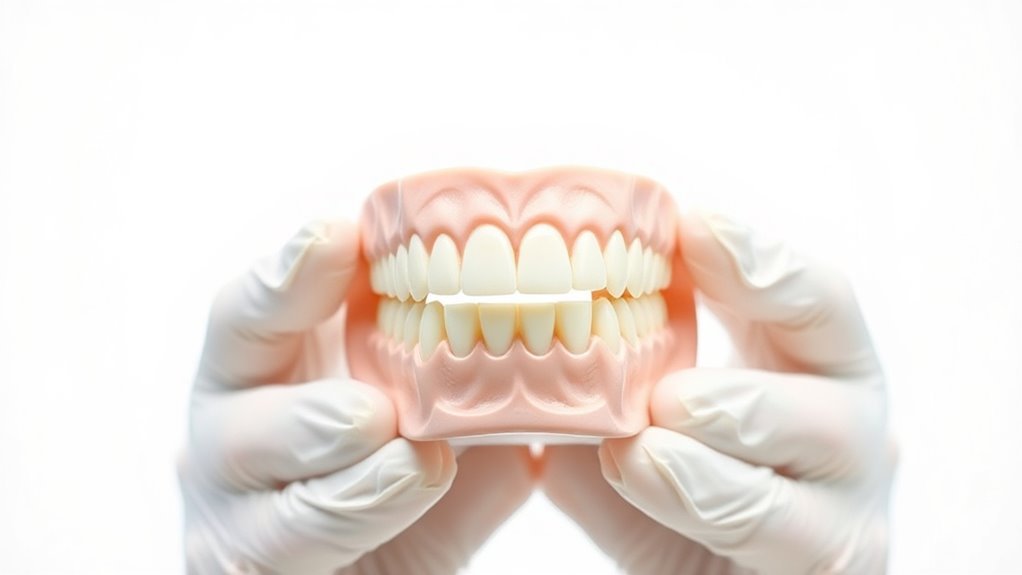
In standard human dental anatomy, each quarter (quadrant) of a full adult mouth holds two premolars and up to three molars behind the canine tooth. If you want to see how back teeth fit into your overall total, check our breakdown of how many teeth a grown up has.
| Feature | Premolars (Bicuspids) | Molars (1st, 2nd & 3rd) |
|---|---|---|
| Adult Count | 8 total (2 per quadrant; none in baby teeth) | 12 total with wisdom teeth (8 without) |
| Location | Directly behind the canines | Rearmost section of each jaw |
| Cusps & Roots | Usually 2 cusps; 1 root (upper first premolar often has 2 roots) | 4 to 5 cusps; typically 2 roots (lower) or 3 roots (upper) |
| Main Role | Holding, tearing, and crushing food | Heavy grinding and stabilizing vertical bite height |
To look up any individual premolar or molar by its ADA Universal Number (#1–#5, #12–#21, #28–#32), reference our beginner’s teeth chart.
Why Back Teeth Matter for Digestion and Jaw Stability
- Chewing efficiency: Broad molar chewing tables grind tough proteins, fibrous vegetables, and grains into small particles that mix easily with saliva for smoother swallowing and digestion.
- Bite support: Healthy molars act as posterior stops that share biting force across both sides of the jaw, preventing front teeth from flaring or chipping under overload.
- Jaw alignment: Losing a functional first or second molar without a plan can let adjacent teeth tilt and opposing teeth drift, sometimes leading to uneven chewing or jaw fatigue.
Common Back Teeth Problems
Because back teeth work hardest and sit farthest from the mirror, issues often progress quietly until discomfort appears:
- Pit-and-fissure decay: Deep chewing grooves trap bacteria and starches, making molars the most frequent site for cavities.
- Gum disease (gingivitis and periodontitis): Plaque left along rear gumlines causes bleeding, swelling, and gradual bone loss around multi-rooted molars.
- Cracked tooth syndrome and worn enamel: Nighttime clenching (bruxism) or biting hard objects like ice and unpopped popcorn kernels can fracture molar cusps.
- Impacted wisdom teeth: Third molars often lack jaw space, causing gum flaps (pericoronitis), pressure against second molars, or localized decay.
How to Care for Back Teeth Daily
- Angle your brush to the rear: Use a soft-bristled manual or electric toothbrush with fluoride toothpaste for two full minutes twice daily, pausing to sweep behind the very last molar.
- Clean between every molar daily: Floss, floss picks, or interdental brushes clear tight contact points where cavities frequently hide.
- Rinse after meals and limit grazing: Frequent sugary or acidic snacks keep enamel under repeated acid attack.
- Ask about sealants or a night guard: Dental sealants can shield deep molar grooves from decay, while a custom occlusal guard protects back cusps if you grind your teeth at night.
When to See a Dentist: Book an evaluation if you notice sharp pain when biting down, lingering hot or cold sensitivity, repeated food trapping between two molars, bleeding gums, or a loose filling. Seek urgent dental care for severe throbbing pain, facial swelling, or fever.
Frequently Asked Questions
Can back teeth grow back after wisdom teeth are removed?
No. Permanent adult teeth do not regrow once extracted. If a wisdom tooth or molar is removed, surrounding teeth may gradually shift into the space over time, which is why dentists monitor bite changes at routine checkups.
What is the main difference between premolars and molars?
Premolars (bicuspids) sit right behind your canines, have smaller crowns with typically two cusps, and crush food as it moves backward. Molars sit farther back, have broader crowns with four to five cusps and multiple roots, and perform the heavy grinding.
Why are lower back molars sometimes harder to numb at the dentist?
Lower molars sit in dense mandibular cortical bone with complex nerve branches from the inferior alveolar nerve, and active tooth inflammation can also lower local anesthetic effectiveness. Dentists can use nerve blocks or supplemental numbing techniques to keep you comfortable.
Do back teeth affect speech or facial structure?
Yes. While front teeth play the largest role in consonant sounds, missing or heavily worn back teeth can subtly alter tongue space, bite height, and jaw posture over time.
Why do back teeth get cavities more often than front teeth?
Molars and premolars have deep pits and fissures on their chewing surfaces that trap plaque and food particles, and their rear position makes them harder to brush and floss thoroughly.
Conclusion
Your back teeth—premolars and molars—carry the daily workload of chewing and stabilize your entire bite. Consistent brushing behind the last molar, daily flossing, and routine dental checkups catch deep-groove decay and cracks early so your posterior teeth stay strong for decades.
Sources
- Cleveland Clinic: Teeth Anatomy, Types, Function & Care: Premolar and molar counts, cusp structure, and chewing roles.
- TeachMeAnatomy: Child and Adult Dentition: Permanent posterior tooth arrangement and eruption sequence.
- American Dental Association (ADA): Eruption Charts: Adult molar and premolar development timelines.
- NHS: Wisdom Tooth Removal: Impacted third molar complications and clinical evaluation.