Nearly 1 in 4 clothing damage claims involve household solvents, and nail polish remover is one of the most common culprits. You might think it just lifts polish, but it can also strip dye, weaken fibers, and leave a lasting mark on your clothes. If you act fast, you may save the fabric—but the type of material and the cleanup method can change everything.
Does Nail Polish Remover Stain Clothes?
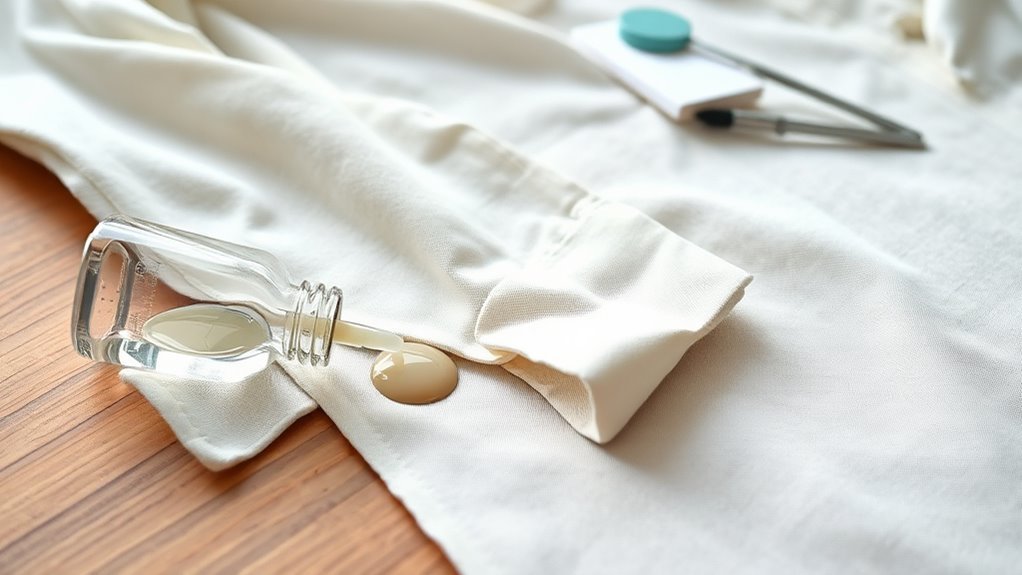
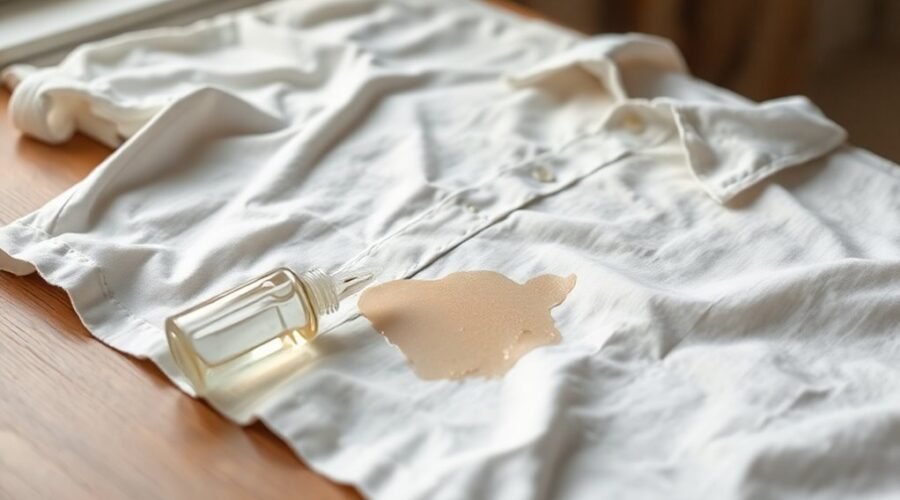
Yes—nail polish remover can stain clothes, but the bigger risk is often that it removes dye or damages the fabric rather than leaving a true stain.
You should treat it as a strong solvent, not a harmless cleaner. On many fabrics, it can lift color, dull finishes, or weaken fibers, so the mark you see may come from changed fabric, not residue.
Check the care label first, then test any spot on an inside seam before you do anything else.
If you want to protect your wardrobe and your freedom to move through the world with ease, choose safer nail polish alternatives when you can, especially around delicate clothing.
Good fabric care means acting fast, staying calm, and avoiding rubbing that spreads damage.
If remover touches your clothes, blot gently and assess the area before deciding on further treatment.
How Nail Polish Remover Affects Clothes
Nail polish remover can affect clothes in a few different ways, and the result depends on the fabric and the type of remover. You may see color lifting, fading, or a soft spot where the liquid broke down fibers.
Acetone and non-acetone formulas work differently, but both can disrupt dyes and finishes. Because nail polish ingredients are designed to dissolve quickly, they can also spread the damage if you rub too hard.
Acetone and non-acetone removers act differently, but both can disrupt dyes, finishes, and spread damage if rubbed too hard.
Act fast: blot the area with a clean cloth, then rinse from the back with cool water.
Check the care label before you do anything else, since fabric care matters when you’re protecting your clothes and your autonomy over them.
If residue remains, use a mild detergent and air-dry the spot before deciding on a stronger step.
Treat the stain with confidence, not panic.
Which Fabrics Are Most at Risk
Some fabrics are far more vulnerable to nail polish remover than others, so it helps to know where the biggest risks are.
If you wear acetone around delicate fabric types like acetate, rayon, silk, and wool, you’re taking a real chance, because the solvent can weaken fibers and fade color fast.
Synthetic knits and blends can also suffer, especially if they’re loosely woven or heavily dyed.
Dark denim, leather, suede, and coated fabrics may show marks, dull spots, or texture changes that don’t disappear.
Natural fibers like cotton and linen usually handle exposure a bit better, but they’re still not invincible, especially with strong formulas.
For stain prevention, treat any spill as urgent and keep remover away from sleeves, cuffs, and lap fabric.
If you’re choosing what to wear during a manicure, pick older clothes or a dedicated cover-up.
That small move protects your wardrobe and keeps you free from avoidable damage.
How to Clean Nail Polish Remover Off Clothes
Act quickly: the sooner you treat a nail polish remover spill, the better your chances of saving the fabric.
Blot the area with a clean white cloth to lift excess liquid; don’t rub, or you’ll spread it. Then rinse the back of the stain with cool water to push the remover out of the fibers.
For cotton and other washable fabrics, pre-treat with a little liquid detergent and gently work it in with your fingers. Let it sit for 10 minutes, then wash in the warmest water the care label allows.
If the item is delicate, sponge the spot with mild soap and water instead of soaking it.
Repeat these removal techniques if needed, but avoid heat until the smell is gone.
Good fabric care means checking the garment after washing and air-drying it first, so you can confirm the spill is gone before using the dryer.
When Nail Polish Remover Damage Is Permanent
If the spill has already changed the fabric’s color or texture, the damage may be permanent. Acetone can strip dye, dissolve synthetic fibers, and leave a stiff or shiny patch that cleaning won’t reverse.
You’ll know the harm is lasting when the spot stays pale after rinsing, the weave looks warped, or the cloth feels rough, brittle, or melted. Delicate fabrics like acetate, rayon, silk, and some blends are especially vulnerable.
At that point, stop scrubbing; more friction can spread the damage. You can still salvage the garment by cropping, patching, dyeing, or turning it into a cleaning rag.
For future protection, keep nail polish alternatives nearby, and follow careful fabric care: test any remover on a hidden seam, use a cotton swab for precise application, and work in good light.
Liberation means choosing what’s worth saving and letting go of what isn’t.
Frequently Asked Questions
Can Nail Polish Remover Damage Clothing Zippers or Buttons?
Yes, it can damage zippers or buttons if you let it soak in or scrub too hard.
You should protect hardware with zipper care and button protection by testing first, blotting quickly, and keeping remover off metal plating, plastic, paint, and glued parts.
Wipe the area with a damp cloth right away, then dry it fully.
If you’re freeing a stain, work gently so you don’t trade one problem for another.
Does Scented Remover Behave Differently on Fabric?
Yes—scented remover can act a bit differently on fabric: the smell may be softer, but the solvent still works hard, and your shirt can still suffer.
You should expect the same scented remover effects as standard remover, with fabric absorption varying by weave, fiber, and finish.
Blot fast, test first, and rinse well.
Don’t let fragrance fool you; freedom means knowing the liquid beneath the perfume can still lift dye and damage.
Is Acetone-Free Remover Safer for Delicate Garments?
Yes, acetone-free remover is usually safer for delicate garments, but you should still check the remover ingredients and test a hidden spot first.
You’ll protect silk, wool, and rayon better because these fabric types can react badly to harsh solvents.
Dab, don’t rub, and blot with a clean cloth right away. If the stain stays, wash the item gently and let it air-dry before you decide on another treatment.
Will Nail Polish Remover Affect Colored Clothing Dyes?
Yes, it can bleach colored dyes like a thief in the night, so you should act fast.
Your fabric types matter: cotton may tolerate a quick blot, while silk or rayon can fade or warp.
Test first, then use stain prevention tips like placing a cloth under the spot, blotting gently, and rinsing immediately.
You’ve got the freedom to save your clothes, but speed and caution keep colors intact.
Can Professional Dry Cleaning Remove Remover Residue?
Yes, you can use professional dry cleaning to remove remover residue, and it often works best when you act fast.
You’ll want to tell the cleaner exactly what happened so they can choose the right cleaning methods for your fabric types. Some delicate fabrics need gentle solvents, while sturdier ones may handle stronger treatment.
Don’t scrub the spot yourself, since that can spread the residue and lock in damage.
Conclusion
So, does nail polish remover stain clothes? It can, and fast. You should act right away: blot the spill, rinse with cool water, and check the fabric care label before you do anything else. Remember, about 1 in 3 clothing damage claims involves staining or solvent mishaps, so you’re not alone. If you’re working with silk, wool, or dyed fabric, be extra careful. When in doubt, test first or call a dry cleaner.