
Pressure cooking works best with meats that need time and moisture to become tender. Beef chuck, brisket, short ribs, pork shoulder, chicken thighs, lamb shanks, and many game-meat stew cuts are strong choices. The key is matching the cut, size, liquid level, cook time, and pressure-release method instead of relying on one timing rule for every recipe.
Quick Answer
The best meats for pressure cooking are collagen-rich cuts such as beef chuck, brisket, short ribs, pork shoulder, lamb shanks, and bone-in chicken thighs. They become tender under moist pressure. Lean, tender cuts can also work, but they need shorter times and careful pressure release to avoid drying out.
Key Takeaways
- Choose collagen-rich cuts when you want shreddable or fork-tender meat.
- Treat cook times as starting ranges because thickness, bone, load size, pressure level, and model all matter.
- Use a natural or delayed release for large roasts and braised cuts; use a quicker release for foods that overcook easily when the recipe allows it.
- Follow your cooker’s minimum-liquid and maximum-fill rules, and keep hands and face away from hot steam.
- Check safety with a food thermometer and texture with a fork; pressure alone does not prove doneness.
At a Glance
| Time Required | About 20–90 minutes at pressure, plus time to pressurize and release |
| Difficulty | Easy to moderate |
| Tools Needed | Pressure cooker, trivet when needed, tongs, and an instant-read food thermometer |
| Cost | Varies by cut; chuck, shoulder, and stew cuts are often lower-cost choices |
Affiliate disclosure: This article contains Amazon affiliate links. If you buy through them, the site may earn a commission at no extra cost to you. Product labels below are feature-based selections, not claims of hands-on laboratory testing.
Pressure Cookers Featured in This Guide
The cooker does not change which meats are naturally suited to pressure cooking, but capacity, controls, inner-pot material, and release design affect ease of use. The existing product selections and images are retained below. Specifications were corrected where a current manufacturer page was available; retailer-only details are clearly labeled.
| COSORI 6QT Pressure Cooker 9-in-1 Multi Cooker | 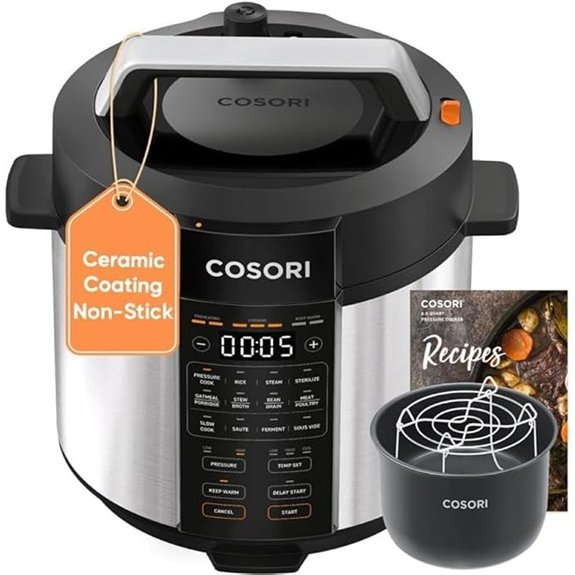 |
Versatile 6-quart option | Capacity: 6 Quarts | Cooking vessel: Stainless exterior; nonstick inner pot | Power: 1100 watts | VIEW LATEST PRICE | Read Our Analysis |
| Instant Pot Duo Mini 7-in-1 Electric Pressure Cooker | 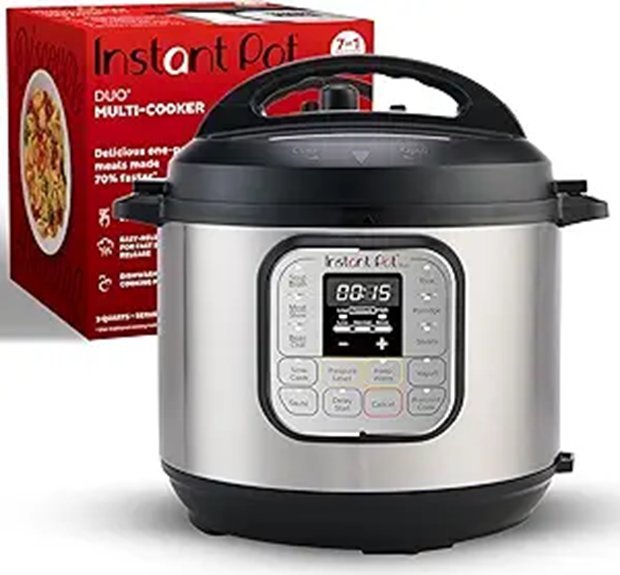 |
Compact 3-quart option | Capacity: 3 Quarts | Cooking vessel: 18/8 stainless-steel inner pot | Power: 700 watts | VIEW LATEST PRICE | Read Our Analysis |
| COMFEE’ 9-in-1 Electric Pressure Cooker (6 Quarts) | 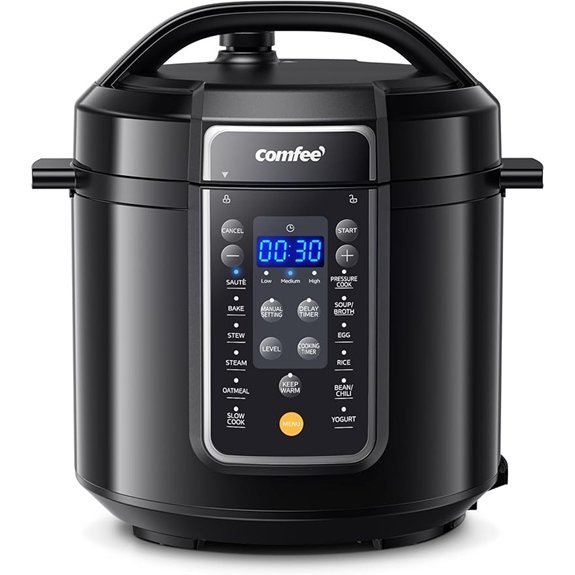 |
Meal-prep option | Capacity: 6 Quarts | Cooking vessel: Nonstick aluminum inner pot | Power: Retailer does not specify | VIEW LATEST PRICE | Read Our Analysis |
| Instant Pot Duo 7-in-1 Electric Pressure Cooker | 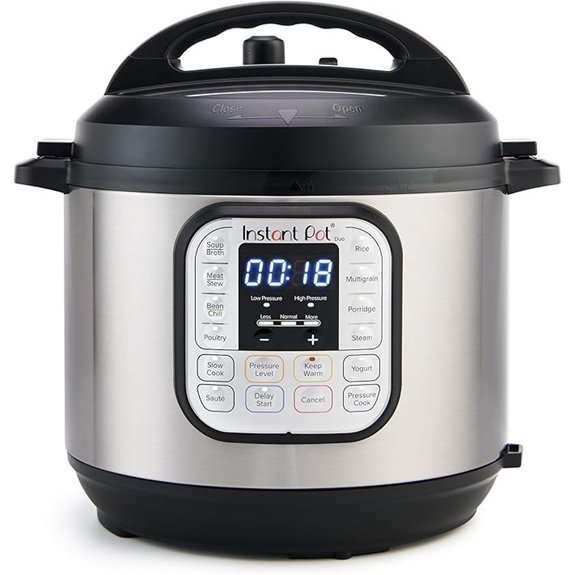 |
Established 6-quart option | Capacity: 6 Quarts | Cooking vessel: 18/8 stainless-steel inner pot | Power: 1000 watts | VIEW LATEST PRICE | Read Our Analysis |
| DUMOS 12-in-1 Electric Pressure Cooker (6 QT) | 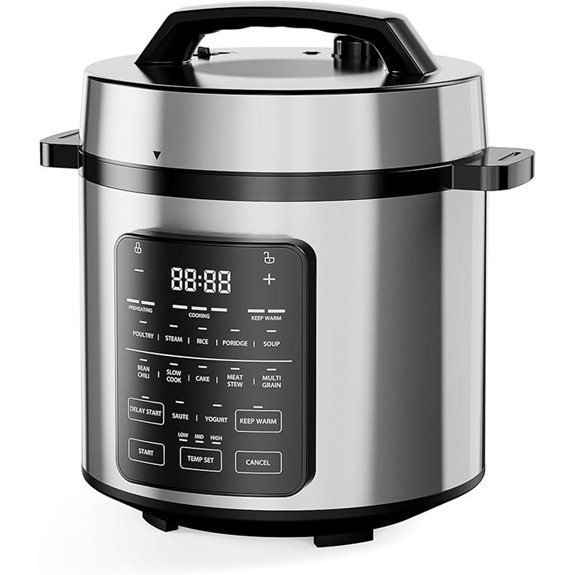 |
Budget multifunction option | Capacity: 6 Quarts | Cooking vessel: Stainless exterior; nonstick inner pot | Power: 1000 watts | VIEW LATEST PRICE | Read Our Analysis |
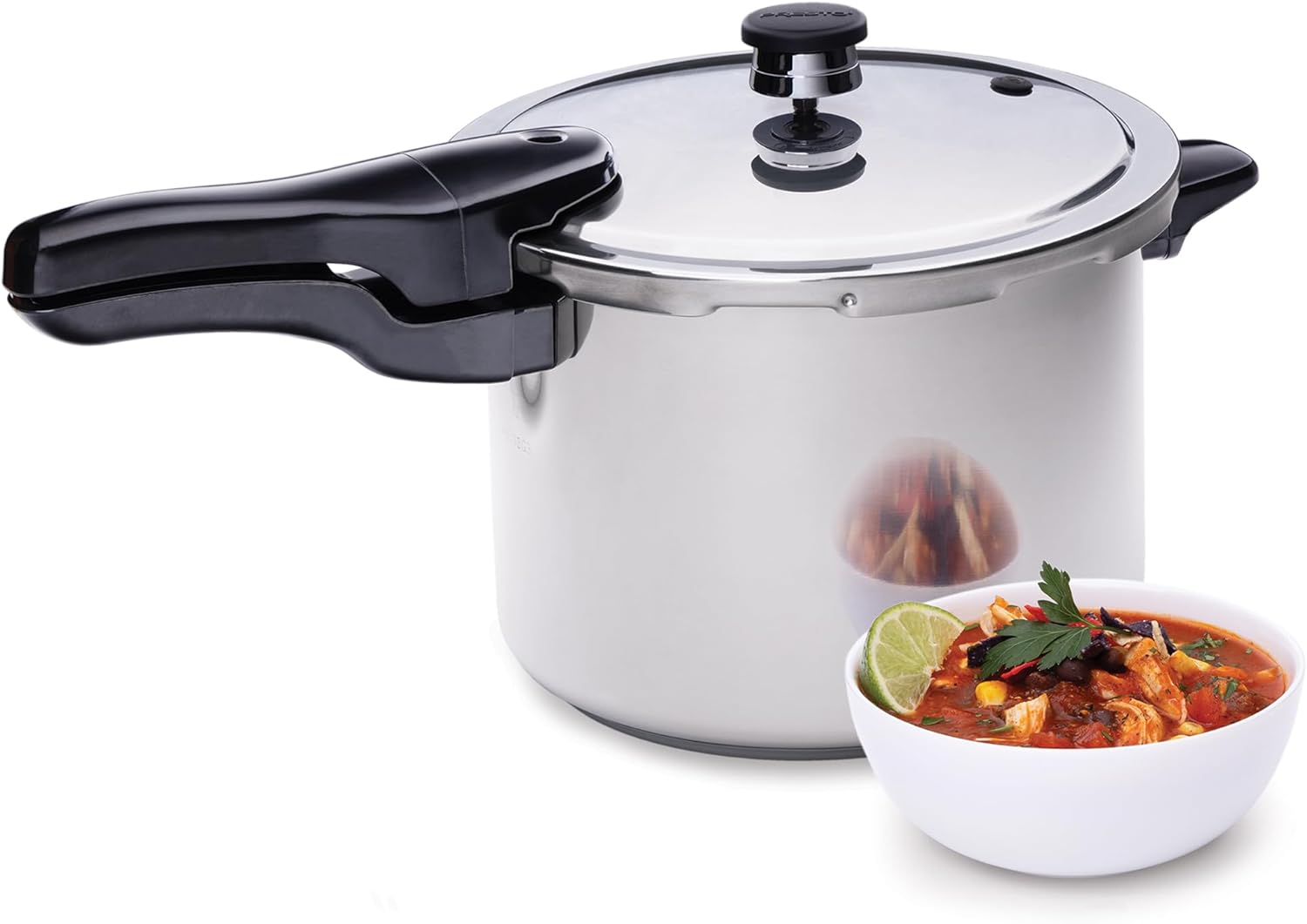
| Presto 01362 6-Quart Stainless Steel Pressure Cooker |  |
Stovetop pressure cooker | Capacity: 6 Quarts | Cooking vessel: Stainless steel with tri-clad base | Power: Not applicable | VIEW LATEST PRICE | Read Our Analysis |
| Instant Pot Duo Plus 9-in-1 Multicooker (6 Quarts) | 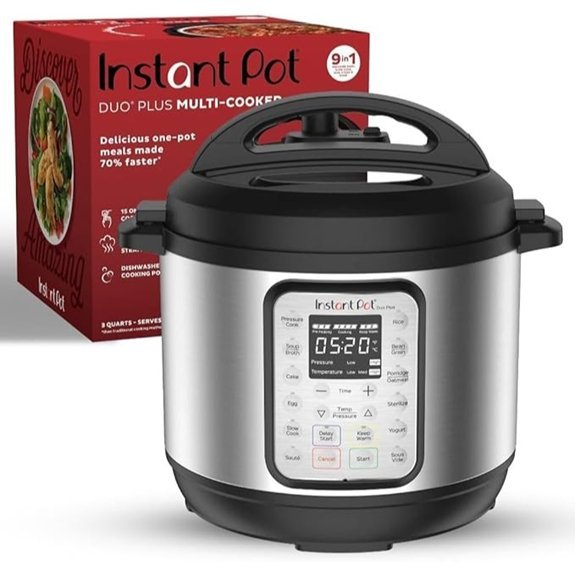 |
Feature-rich 6-quart option | Capacity: 6 Quarts | Cooking vessel: 18/8 stainless-steel inner pot | Power: 1000 watts | VIEW LATEST PRICE | Read Our Analysis |
More Details on the Featured Pressure Cookers
-
COSORI 6QT Pressure Cooker 9-in-1 Multi Cooker
The retailer title calls this a 9-in-1 model, while COSORI’s current page for model CMC-CO601-SUS lists 13 cooking functions, a 6-quart capacity, 1100-watt power, a removable nonstick inner pot, and a real-time progress bar. That broad function set suits cooks who want to brown meat, pressure-cook it, and keep it warm in one appliance. Review the included manual before using pressure or steam-release controls. See the current COSORI specifications.
- Capacity:6 Quarts
- Cooking Vessel:Removable nonstick inner pot
- Power:1100 watts
- Official Function Count:13 cooking functions
- Pressure Levels:Low and high
- Cleanup:Follow the manual for dishwasher-safe parts
- Additional Feature:Real-time progress bar
- Additional Feature:Customizable saved settings
- Verification Note:Retailer title and current manufacturer function count differ
-
Instant Pot Duo Mini 7-in-1 Electric Pressure Cooker
The Instant Pot Duo Mini is a practical fit for one or two people, side dishes, and smaller batches of meat. Instant Pot lists a 3-quart capacity, 700-watt power, seven cooking functions, 11 one-touch programs, an 18/8 stainless-steel inner pot, and dishwasher-safe lid and pot. Its smaller vessel also means less room for a large roast, so check the fill line before cooking. See the current Instant Pot Duo Mini specifications.
- Capacity:3 Quarts
- Cooking Vessel:18/8 stainless-steel inner pot
- Power:700 watts
- Safety Features:More than 10 safety mechanisms
- Cleanup:Dishwasher-safe lid and inner pot
- Cooking Functions:7-in-1
- Additional Feature:11 one-touch programs
- Additional Feature:Compact size for smaller batches
- Additional Feature:Stainless-steel steam rack included
-
COMFEE’ 9-in-1 Electric Pressure Cooker (6 Quarts)
This 6-quart COMFEE’ model is positioned as a multipurpose cooker for family meals and batch cooking. The current retailer listing describes 9-in-1 operation, 14 presets, a delay timer, a nonstick inner pot, and multiple safety controls. Because a matching model-specific manufacturer page was not available during this review, treat those details as retailer-listed specifications and confirm them in the manual supplied with the exact unit.
- Capacity:6 Quarts
- Cooking Vessel:Nonstick inner pot
- Power:Not stated on the retained retailer listing
- Safety Features:Retailer lists 10 safety features
- Cleanup:Nonstick pot; follow the manual
- Cooking Functions:Retailer lists 9-in-1 operation
- Additional Feature:Retailer lists 14 presets
- Additional Feature:Delay timer
- Verification Note:Confirm exact specifications in the supplied manual
-
Instant Pot Duo 7-in-1 Electric Pressure Cooker
The Instant Pot Duo 6QT is a well-established electric multicooker with seven cooking functions, 13 customizable programs, a 1000-watt heating system, an 18/8 stainless-steel inner pot, and dishwasher-safe pressure-cooking parts. It is sized for common family meals and can handle stew meat, chicken thighs, short ribs, and moderate roasts without taking over the counter. See the current Instant Pot Duo 6QT specifications.
- Capacity:6 Quarts
- Cooking Vessel:18/8 stainless-steel inner pot
- Power:1000 watts
- Safety Features:More than 10 safety mechanisms
- Cleanup:Dishwasher-safe lid and inner pot
- Cooking Functions:7 functions
- Additional Feature:13 customizable programs
- Additional Feature:Easy-release steam switch
- Additional Feature:Anti-spin, tri-ply pot base
-
DUMOS 12-in-1 Electric Pressure Cooker (6 QT)
The DUMOS 6-quart cooker is marketed through its retailer listing as a 12-in-1 appliance with programmable controls, a locking lid, and a nonstick inner pot. Those features can make routine meat dishes easier, but a model-specific manufacturer manual was not publicly verifiable during this review. Confirm the minimum liquid, maximum fill, release method, and cleaning instructions in the manual that comes with the exact cooker before first use.
- Capacity:6 Quarts
- Cooking Vessel:Nonstick inner pot
- Power:Retailer lists 1000 watts
- Safety Features:Confirm in the supplied manual
- Cleanup:Follow the supplied manual
- Cooking Functions:Retailer lists 12-in-1 operation
- Additional Feature:Locking lid
- Additional Feature:Programmable controls
- Verification Note:Model-specific manufacturer documentation was not located
-
Presto 01362 6-Quart Stainless Steel Pressure Cooker
The Presto 01362 is a stovetop pressure cooker rather than an electric multicooker. Presto lists a 6-quart stainless-steel body, a tri-clad base, compatibility with gas, electric, smooth-top, and induction ranges, a cover-lock indicator, a cooking rack, a 64-page instruction/recipe book, and an extended 12-year limited warranty. Stovetop models require active heat control, so follow the pressure regulator and burner instructions closely. See the official Presto product page.
- Capacity:6 Quarts
- Cooking Vessel:Stainless steel with tri-clad base
- Power:Stovetop; wattage does not apply
- Safety Features:Cover-lock indicator and over-pressure plug
- Cleanup:Dishwasher safe after removing specified parts
- Cooking Functions:Stovetop pressure cooking
- Additional Feature:Works on induction and other common ranges
- Additional Feature:64-page instruction/recipe book
- Additional Feature:Extended 12-year limited warranty
-
Instant Pot Duo Plus 9-in-1 Multicooker (6 Quarts)
The Instant Pot Duo Plus 6QT adds a more detailed display and updated steam-release controls while retaining a family-size 6-quart pot. Instant Pot lists nine cooking functions, 1000-watt power, an 18/8 stainless-steel anti-spin inner pot, dishwasher-safe lid and pot, and more than 10 built-in safety mechanisms. It is a strong fit for cooks who want clearer progress information and flexible presets. See the current Duo Plus V3 specifications.
- Capacity:6 Quarts
- Cooking Vessel:18/8 stainless-steel anti-spin inner pot
- Power:1000 watts
- Safety Features:More than 10 safety mechanisms
- Cleanup:Dishwasher-safe lid and inner pot
- Cooking Functions:9-in-1
- Additional Feature:Real-time progress display
- Additional Feature:Updated steam-release control
- Additional Feature:Extra sealing rings and steam rack on V3
Note: Model names, included accessories, and presets can change. Match the model number on the retailer page to the manufacturer manual before buying or operating a pressure cooker.
Best Meats and Cuts for Pressure Cooking
Pressure cooking is especially useful for cuts with connective tissue. Heat and moisture soften collagen over time, creating a rich cooking liquid and a tender texture. Tender cuts can still be cooked under pressure, but their margin for error is smaller.
| Meat or cut | Why it works | High-pressure starting range | Suggested release |
|---|---|---|---|
| Beef chuck or stew meat | Good marbling and connective tissue; ideal for stew or shredding | 20–30 minutes for 1½- to 2-inch chunks; 45–75 minutes for a 2- to 4-pound roast | 10–20 minutes natural, then release the rest |
| Beef short ribs | Bone, fat, and collagen produce a rich braise | 35–45 minutes | About 10–15 minutes natural |
| Brisket | Dense connective tissue benefits from a long moist cook | 60–90 minutes, depending on thickness and desired slicing or shredding texture | 15–20 minutes natural |
| Pork shoulder or pork butt | Fat and collagen make it well suited to pulled pork | 45–60 minutes for large chunks; 60–80 minutes for a compact roast | 15–20 minutes natural |
| Pork ribs | Pressure softens connective tissue quickly before optional broiling | 20–30 minutes | 10 minutes natural |
| Chicken thighs | Dark meat stays moist better than breast meat | 8–10 minutes boneless; 10–12 minutes bone-in | 5–10 minutes natural or recipe-directed quick release |
| Chicken breast | Fast and convenient, but easy to overcook | 6–10 minutes fresh, based on thickness; longer for frozen pieces | Recipe-directed quick release or short natural release |
| Lamb shanks or shoulder | Connective tissue becomes tender in a braising liquid | 35–50 minutes | 10–15 minutes natural |
| Venison, elk, goat, or other game stew cuts | Moist cooking helps firm, lean muscles become tender | 25–45 minutes for chunks; longer for large roasts | 10–20 minutes natural |
These are starting points, not universal rules. Cook time begins after the cooker reaches pressure. The full meal time also includes preheating and pressure release. A thicker roast, a fuller pot, a frozen center, high altitude, or a lower operating pressure can require more time.
Pro Tip: For a tough roast, add time in small steps rather than starting with an extreme setting. If the meat is safely cooked but still firm, lock the lid again and pressure-cook for another 5–10 minutes.
Meats That Need Extra Care
Pressure cooking is not automatically better for every cut. Very tender steaks, pork tenderloin, thin chops, fish fillets, and small shellfish can move from tender to overcooked quickly. Use a tested recipe with a short cook time, or choose another method when browning and a precise medium-rare center matter.
- Steaks and tender roasts: Pressure steam prevents a dry-heat crust and can push the meat beyond the preferred doneness.
- Chicken breast: Use evenly sized pieces and avoid long natural releases unless the recipe calls for one.
- Ground meat: Brown it first for better texture, or cook it on a trivet when a recipe is designed for a frozen block.
- Fish and seafood: Use very short timing and a quick release because carryover cooking is fast.
Factors to Consider When Choosing Meat for a Pressure Cooker
Cut Thickness and Size
Thickness matters more than total weight. A 3-pound roast that is long and narrow may cook faster than a compact 3-pound roast. Cut stew meat into pieces of similar size so the batch finishes evenly. Avoid packing pieces so tightly that liquid and steam cannot move around them.
Cooking Time Considerations
Use your model’s manual or a tested recipe as the first reference. Pressure level, cooker type, altitude, bone, frozen state, and the amount of liquid all affect timing. Tenderness and food safety are separate checks: a roast can be above a safe temperature but still need more time for collagen to soften.
Meat Fat and Collagen
Fat adds richness and helps meat feel juicy, but it does not automatically shorten pressure-cooking time. Collagen-rich cuts usually need more time than tender cuts. Lean meats can still cook well when the time is short and the recipe provides enough liquid, sauce, or other moisture.
Flavor Absorption Potential
Salt, spices, broth, onions, garlic, and herbs flavor the cooking liquid and the meat’s surface. Browning first adds roasted flavor, while deglazing lifts the browned bits into the sauce. Thick barbecue sauce, tomato paste, flour, cornstarch, dairy, and sugary sauces can scorch; add them on top without stirring when a tested recipe directs, or thicken the sauce after pressure cooking.
Texture After Cooking
Choose the finish before choosing the time. Sliced brisket needs less breakdown than shredded brisket. Chicken breast should remain intact, while pork shoulder may need to fall apart. Natural release also adds carryover cooking, so include it in your texture plan.
Recipe Compatibility
A good pressure-cooker recipe states the cut, piece size, pressure level, liquid amount, cook time, and release method. Do not transfer a time from one cut to another simply because both are beef or pork. Follow the appliance manual when its minimum-liquid or fill instructions differ from a recipe.
How to Pressure-Cook Meat for Tender Results
- Check the manual. Confirm the minimum thin-liquid requirement, maximum fill line, pressure setting, and approved release methods for your exact cooker.
- Trim and portion the meat. Remove only excess surface fat and cut pieces evenly. Leave enough fat and connective tissue to support flavor and tenderness.
- Season early. Salt and dry spices can go on before cooking. Acidic marinades can flavor the surface, but long acidic marination may make the outside soft while the center remains unchanged.
- Brown in batches. Use the sauté function or a separate pan. Crowding steams the meat and reduces browning.
- Deglaze thoroughly. Add thin liquid and scrape every browned bit from the bottom. This improves flavor and helps prevent a burn warning in electric cookers.
- Add the remaining liquid and meat. Use the amount required by the manual or tested recipe. Keep thick sauces away from the bottom unless the recipe specifically says otherwise.
- Lock, pressurize, and cook. Select the stated pressure level and time. The timer normally begins only after full pressure is reached.
- Release pressure as directed. Large braised cuts usually benefit from a natural or delayed release. Delicate, lean meats often need a faster release to limit carryover cooking.
- Check temperature and texture. Measure the thickest part with a clean food thermometer, away from bone. If a tough cut is safe but not fork-tender, cook it longer in 5–10 minute steps.
- Rest, slice, or shred. Slice across the grain. Skim excess fat or thicken the cooking liquid after pressure is fully released.
Warning: Never force the lid open, cover the steam vent, or place your face or hands over the release path. Instant Pot states that its pressure-cooking pot should not be filled above the two-thirds pressure-cook line, and expanding foods have a lower limit. Follow the markings and manual for your exact model.
Natural Release vs. Quick Release for Meat
A natural release means leaving the cooker sealed while pressure falls on its own. A quick release uses the model’s steam-release control after cooking. Some recipes use a timed natural release, such as 10 or 15 minutes, followed by release of the remaining pressure.
- Use natural or delayed release for: large roasts, brisket, short ribs, pork shoulder, lamb shanks, soups, and pots with a high liquid level.
- Use recipe-directed quick release for: lean chicken breast, thin chops, fish, or other foods that can overcook during carryover.
- Do not improvise a quick release: Foamy, starchy, oily, or very full contents can spit from the vent. Follow the manual and recipe.
Natural release does not guarantee tenderness, and quick release does not automatically make meat tough. The correct method depends on the cut, recipe, liquid level, and cooker design.
Food-Safety Temperatures for Pressure-Cooked Meat
Pressure-cooker time is not a substitute for checking the center of the meat. The USDA safe minimum internal temperature chart gives these minimums for home cooking:
- Whole cuts of beef, pork, veal, and lamb: 145°F (62.8°C), followed by a 3-minute rest.
- Ground beef, pork, veal, and lamb: 160°F (71.1°C).
- All poultry, including chicken and turkey: 165°F (73.9°C).
- Leftovers and casseroles: 165°F (73.9°C).
Tough cuts are often cooked well above their safety minimum because collagen needs additional heat and time to soften. Use temperature to confirm safety and a fork, skewer, or probe to judge tenderness.
A pressure cooker can make meat tender faster, but only a food thermometer can verify the temperature at the center.
Cooking Frozen Meat in a Pressure Cooker
Frozen meat can be pressure-cooked when the appliance manual and recipe allow it, but there is no reliable universal rule to “add 50%.” Thickness, shape, whether pieces are frozen together, and the recipe’s liquid level change the result. Instant Pot’s own recipes use different times for different frozen foods, such as 12 minutes for a frozen chicken-breast method and 25 minutes for a frozen beef-stew recipe.
- Separate individually frozen pieces when possible; a solid block cooks less evenly.
- Do not pressure-cook frozen meat in a container or wrapping that is not approved for cooking.
- Expect a longer time to reach pressure, even when the programmed cook time changes only slightly.
- Skip browning until after cooking, or thaw safely first if browning is important.
- Check the thickest piece with a food thermometer before serving.
Note: Never use a delay-start function with raw or frozen meat unless the appliance manufacturer provides a food-safe method for that exact recipe.
Pressure-Cooked Meat Troubleshooting
The Meat Is Tough
If a collagen-rich cut is safely cooked but still chewy, it usually needs more time, not less. Add a small amount of thin liquid if needed, reseal the cooker, and cook for another 5–10 minutes. For sliced meat, check the grain direction and slice across it.
The Meat Is Dry or Stringy
The cut may have been too lean, the cook time too long, or the release too slow. Reduce the time next round, use a shorter natural release, or choose thighs, shoulder, or chuck instead of very lean meat. Serve dry meat with the strained cooking liquid or sauce.
The Cooker Shows a Burn Warning
Cancel the cycle and release pressure according to the manual. Check for scorched food, insufficient thin liquid, or browned bits stuck to the bottom. Clean the pot, deglaze fully, and keep thick or sugary sauces above the thin liquid rather than stirring them onto the base.
The Sauce Is Too Thin
Pressure cookers lose little moisture. Remove the meat after cooking, switch to sauté, and simmer the liquid. Add a cornstarch slurry only after pressure cooking unless a tested recipe says otherwise.
The Cooker Will Not Pressurize
Check the sealing ring, lid position, steam-release control, float valve, liquid amount, and pot rim. Stop using the cooker if a seal, valve, plug, or lid is damaged, and replace parts only with those approved for the model.
Frequently Asked Questions
Can I cook frozen meat in a pressure cooker?
Yes, when the appliance manual and a suitable recipe allow it. Do not use a universal 50% time increase. Account for thickness and shape, expect a longer pressurizing phase, and verify the center with a food thermometer.
How long should I cook tough cuts of meat?
Small chunks may need about 20–45 minutes at high pressure, while large roasts may need 45–90 minutes. The correct time depends on the cut, thickness, pressure level, and desired texture. Add time in 5–10 minute steps if a safely cooked cut is still firm.
What are the best marinades for pressure-cooked meat?
Use balanced marinades with salt, aromatics, spices, and a modest amount of acid. Soy sauce with ginger and garlic works well for beef or pork, while yogurt with spices suits lamb or chicken. Count the marinade as cooking liquid only when it is thin enough and the recipe allows it.
Can I use a pressure cooker for game meats?
Yes. Venison, elk, goat, rabbit, and other game cuts can benefit from moist pressure cooking, especially shoulder, shank, neck, and stew meat. Because game is often lean, use enough cooking liquid and avoid excessive time once the meat is tender.
What safety precautions should I take when using a pressure cooker?
Inspect the sealing ring and valves, use the required minimum liquid, stay below the fill line, keep the vent clear, and never force the lid open. Direct steam away from people and cabinets, and follow the exact manual for cleaning and pressure release.
How much liquid does meat need in a pressure cooker?
Use at least the minimum amount of thin liquid required by your model or tested recipe. The exact amount varies by cooker size and design. Meat releases liquid while cooking, so adding more than the recipe needs can leave a watery sauce.
Should I brown meat before pressure cooking?
Browning is optional for safety but valuable for flavor and color. Sear in batches, then deglaze the pot completely before adding the remaining ingredients. Skipping browning saves time but produces a lighter flavor.
Conclusion
For dependable pressure-cooked meat, start with a cut that matches the method. Chuck, short ribs, brisket, pork shoulder, lamb shanks, chicken thighs, and sturdy game cuts reward moist pressure with tender texture. Use shorter settings for lean cuts, follow the cooker’s liquid and fill rules, choose the release method deliberately, and check both internal temperature and tenderness before serving.
Sources
- USDA Food Safety and Inspection Service: Safe Minimum Internal Temperature Chart — safe temperatures for whole cuts, ground meat, poultry, and leftovers.
- Instant Pot Frequently Asked Questions — pressure levels, fill limits, liquid guidance, and operating precautions.
- Instant Pot Duo 6QT product page — current capacity, power, functions, programs, inner-pot, and cleanup specifications.
- COSORI 6.0-Quart Pressure Cooker product page — current model number, power, capacity, pressure levels, and function list.
- Presto 01362 product page — stovetop compatibility, construction, cleaning instructions, included book, and warranty.
- Instant Pot Easy Chicken Breast recipe and Lazy Day Beef Stew recipe — examples showing that frozen-meat timing varies by food and recipe.