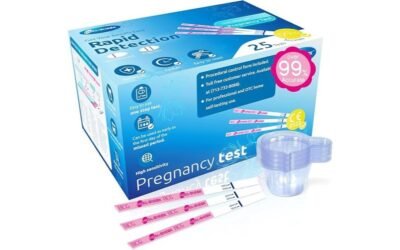
The First Response Triple Check Pregnancy Test is a top choice for those seeking reliable results, boasting over 99% accuracy. It offers three testing options: the Early Result test, which can detect pregnancy up to six days before a missed period; the Rapid Result test, providing results in just one minute; and a digital version for clear reading. Understanding how to use each type correctly is essential, especially given the potential for confusion in packaging. What factors should one consider before making a decision?
Key Takeaways
- First Response Triple Check boasts over 99% accuracy in detecting pregnancy hormones, making it a reliable choice for expectant users.
- The Early Result test can detect pregnancy up to six days before a missed period, providing early confirmation.
- The Digital test offers clear, easy-to-read results within three minutes, reducing uncertainty during the waiting period.
- The Rapid Result test delivers immediate outcomes in just one minute, ideal for users seeking swift confirmation.
- Following instructions closely is crucial for accurate results, as false positives may arise from hormonal imbalances or medications.
What You Need to Know About Choosing a Pregnancy Test
When considering which pregnancy test to choose, individuals should recognize that not all tests are created equal, as various factors can influence their effectiveness and ease of use.
Test sensitivity is paramount, with some tests detecting lower hormone levels, hence allowing for earlier detection. A higher sensitivity often correlates with a more positive user experience, as it can reduce anxiety during the waiting period.
Test sensitivity is crucial for early detection, enhancing user experience and minimizing anxiety during the waiting period.
Additionally, understanding the different types available—like early result, digital, and rapid result—can empower users to select the option that best suits their needs.
Ultimately, informed choices lead to greater confidence and clarity in this important aspect of life.
Using the First Response Test for Accurate Results
Utilizing the First Response Pregnancy Test can yield accurate results when users adhere to specific guidelines. With over 99% test accuracy, this test excels in hormone detection, identifying all forms of the pregnancy hormone.
For best results, it is essential to follow the provided instructions closely, ensuring proper timing and technique during use. The Early Result and Digital tests deliver results in just three minutes, while the Rapid Result test provides outcomes in one minute, catering to diverse needs.
Understanding the Three Test Types: Early, Digital, and Rapid Results
The First Response Pregnancy Test offers three distinct test types—Early Result, Digital, and Rapid Result—each designed to meet varying user needs and preferences.
The Early Result test boasts high test sensitivity, allowing for detection up to six days before a missed period, providing insights sooner.
The Digital test delivers clear, easy-to-read results within three minutes, eliminating ambiguity.
Meanwhile, the Rapid Result test offers results in just one minute, ideal for those seeking immediate confirmation.
Each type guarantees accurate results, empowering users with timely information, aligning with their unique situations and desires for clarity in their reproductive health journey.
What Your Test Results Really Mean?
What do the results of a First Response Pregnancy Test really indicate? A positive result suggests the presence of pregnancy hormones, signaling potential pregnancy.
However, false positives can occur, often due to hormonal imbalances, recent miscarriages, or certain medications. It’s essential to understand that hormone levels vary among individuals, affecting test outcomes.
False positives can arise from hormonal imbalances, recent miscarriages, or medications, highlighting the need for personalized understanding of test results.
For those seeking clarity, a follow-up test or consultation with a healthcare provider may be beneficial. Testing at the right time, ideally after a missed period, enhances accuracy.
Empowerment comes from knowledge; understanding what these results mean can guide informed decisions regarding reproductive health.
Pros and Cons of the First Response Triple Check Pregnancy Test
When considering the First Response Triple Check Pregnancy Test, several pros and cons come into play.
One significant advantage is its high accuracy rate of over 99%, supported by various user experiences praising its reliability. The test features different sensitivity levels, allowing for early detection and swift results, with the Rapid Result test providing outcomes in just one minute.
However, some users may find the varying packaging confusing. Additionally, although the tests are thorough, they may require careful adherence to instructions for best results.
Weighing these factors can empower individuals in their decision-making regarding pregnancy testing options.
Frequently Asked Questions
Can I Use the Test After a Missed Period?
Yes, the test can be used after a missed period, providing reliable results. With test timing of just minutes, individuals can swiftly gain clarity, empowering them to make informed decisions about their reproductive health.
How Sensitive Is the Early Result Test?
In a world where knowledge reigns, the early result test boasts impressive sensitivity levels, allowing for early detection of pregnancy. This empowers individuals to take control of their reproductive health and make informed decisions confidently.
What Should I Do if the Test Gives an Invalid Result?
If an invalid test result occurs, it is advisable to carefully review the instructions and consider retest options. Ensuring proper usage can empower individuals to gain accurate insights into their reproductive health and choices.
Are There Any Expiration Dates on the Test Packages?
The test shelf life is indicated on the package labeling. Users should check this date to verify accuracy and reliability, promoting a sense of empowerment and confidence in their health decisions and choices.
Can Medications Affect the Accuracy of the Test?
Medication interference may muddle test reliability, potentially leading to misleading results. Individuals seeking clarity should consult healthcare professionals, ensuring accurate assessments without the shadows of uncertainty lingering over their pregnancy testing experiences.
Conclusion
To summarize, the First Response Triple Check Pregnancy Test stands out as an exceptional choice for those seeking reliable results in early pregnancy detection. With options like the Early Result test, which can detect pregnancy six days prior to a missed period, and the Rapid Result test delivering results in a mere minute, it accommodates diverse user needs seamlessly. While clarity in packaging may pose a challenge, its 99% accuracy can feel like having a crystal ball for your future, ensuring informed decisions.