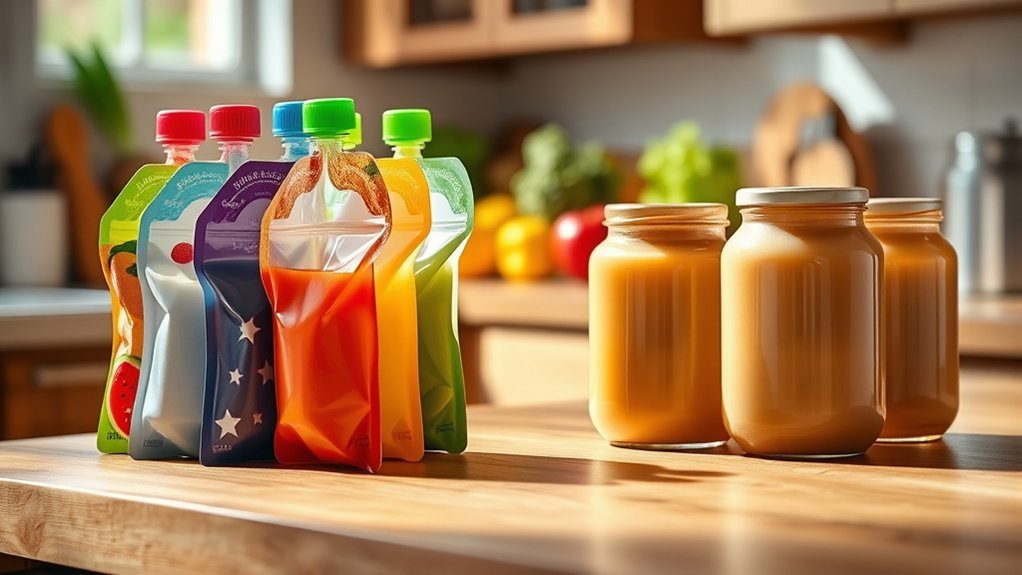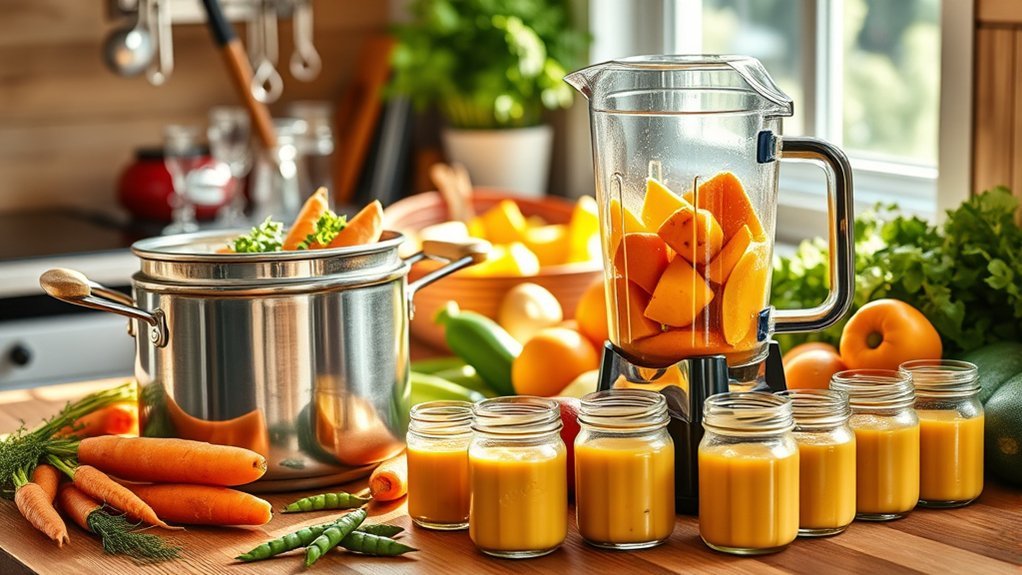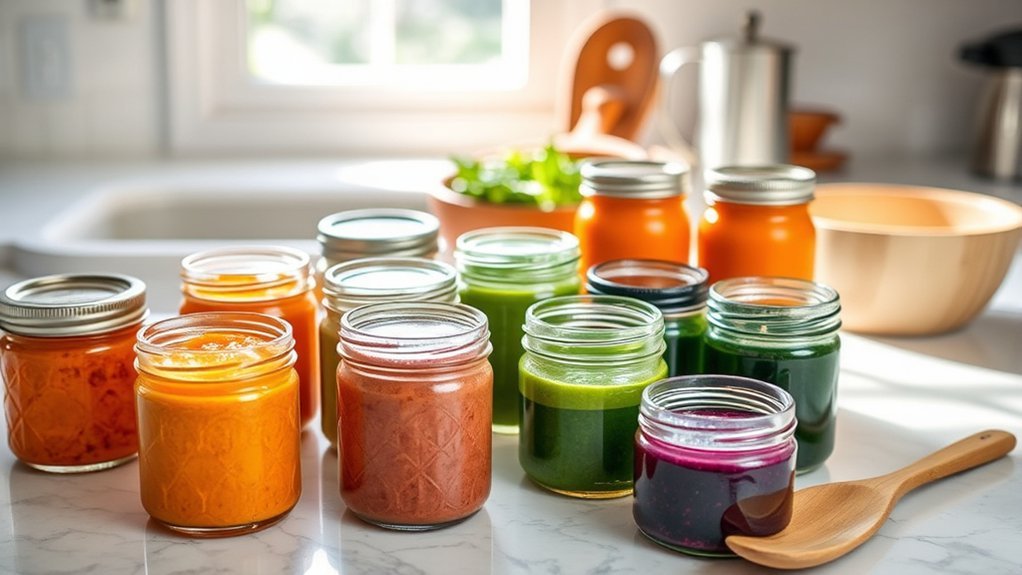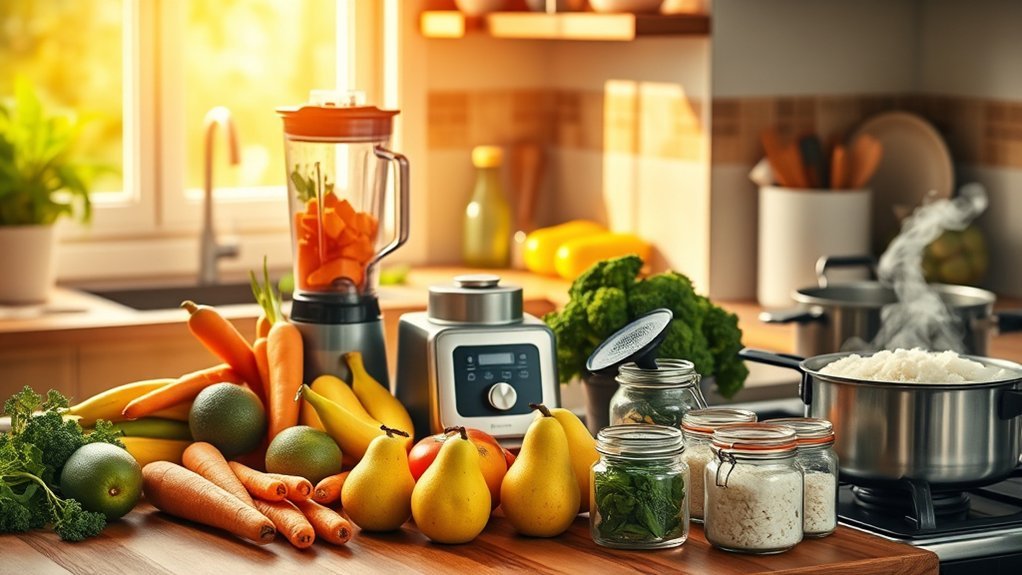
Making baby food for a 1-year-old is less about blending everything into a smooth puree and more about preparing balanced family foods in a safe, easy-to-eat form. Offer soft produce, iron-rich proteins, grains, dairy or an appropriate alternative, and healthy fats while matching each food’s texture to your child’s chewing and self-feeding skills.
Quick Answer
To make baby food for a 1-year-old, cook nutritious ingredients until soft, then mash, finely chop, shred, or blend them to match your child’s eating skills. Include produce, iron-rich protein, whole grains, and healthy fat. Prevent choking, avoid unpasteurized foods, and refrigerate homemade food for no more than one to two days.
Key Takeaways
- A 1-year-old can usually eat soft versions of family meals; every food does not need to be pureed.
- Build meals from vegetables or fruit, an iron-rich protein, a grain or starchy food, and a healthy fat.
- Prepare food in a soft, non-round, non-sticky form and supervise your child while they sit upright to eat.
- Do not routinely avoid common allergens unless your child has a diagnosed allergy or a clinician has told you to avoid them.
- Use homemade baby food within one to two days when refrigerated or freeze it in small portions for up to one to two months.
At a Glance
| Time Required | About 20–40 minutes, depending on the ingredients and cooking method |
| Difficulty | Easy |
| Tools Needed | Knife, cutting board, saucepan or steamer, fork or potato masher, optional blender, food thermometer, and airtight containers |
| Cost | Varies by ingredients; using unsalted portions of family foods can keep the cost low |
Note: This guide provides general feeding and food-safety information. Ask your child’s pediatrician or a registered dietitian for individualized advice if your child was born prematurely or has poor growth, anemia, food allergies, severe eczema, swallowing difficulty, a restricted diet, or another medical condition.
Choosing Safe and Nutritious Ingredients for Baby Food
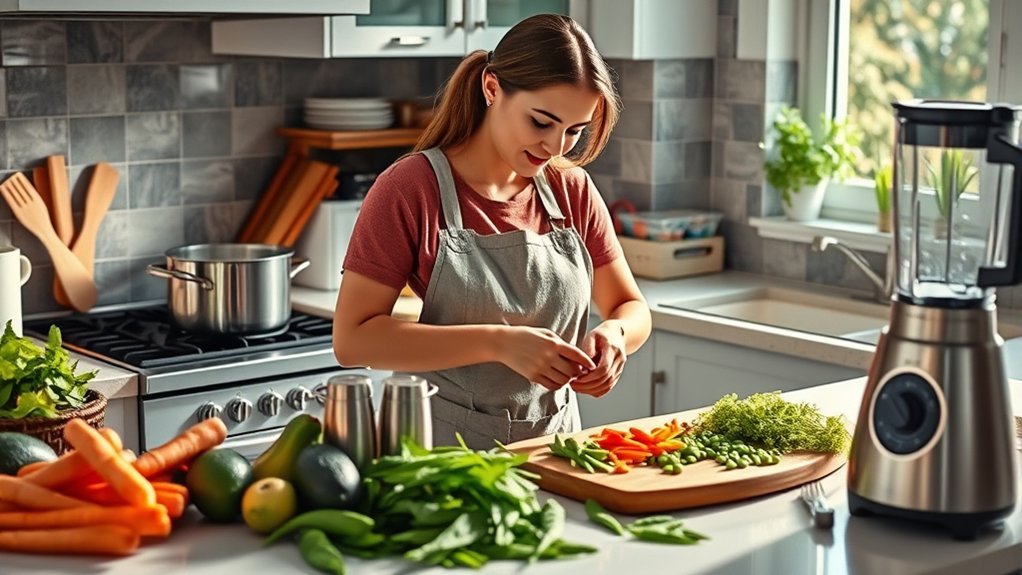
When preparing baby food for a 1-year-old, choose foods from several groups rather than relying mainly on fruit and vegetable purees. Most toddlers this age can begin sharing modified versions of family meals as long as the food is soft, safely shaped, and not heavily salted or sweetened.
Build a Balanced Meal
A simple meal can include one item from each of these groups:
- Iron-rich protein: Soft shredded chicken, ground turkey or beef, flaked low-mercury fish, well-cooked egg, mashed beans, lentils, tofu, or smooth nut or seed butter thinned into another food.
- Vegetable or fruit: Soft broccoli, peas, squash, carrots, avocado, banana, ripe pear, peaches, berries that have been mashed or cut safely, or unsweetened frozen produce.
- Grain or starchy food: Oatmeal, soft brown rice, quinoa, whole-grain pasta, potato, sweet potato, or soft whole-grain toast.
- Healthy fat: Avocado, olive oil, full-fat plain yogurt, smooth nut or seed butter, or a small amount of unsalted butter.
Fresh, frozen, canned, organic, and conventional ingredients can all be used. Choose frozen products without sauces or added sugar and canned foods labeled low sodium or no salt added. Wash fresh produce under running water before peeling, cutting, or cooking it. The U.S. Environmental Protection Agency recommends washing produce thoroughly rather than treating organic food as a requirement.
Milk and Dairy at 12 Months
After a child reaches 12 months, you may offer pasteurized, plain whole cow’s milk if it is tolerated. Breastfeeding may also continue, and some children use prepared infant formula for a period based on family preference or medical guidance. According to the CDC’s guidance on cow’s milk and alternatives, milk should be part of a varied diet rather than a replacement for meals.
Plant-based beverages differ widely in protein, fat, calories, vitamin D, and calcium. When a dairy alternative is needed, choose an unsweetened product fortified with calcium and vitamin D and discuss the choice with your child’s clinician.
At one year, the goal is not a perfectly smooth puree. The goal is nutritious food in a texture your child can manage safely.
Foods and Drinks to Avoid or Limit
Some foods are unsafe for young children, while others offer little nutrition or create an avoidable choking risk. Current CDC guidance for infants and toddlers recommends avoiding or limiting the following:
- Raw or unpasteurized foods: Do not serve raw milk or unpasteurized milk, cheese, yogurt, or juice.
- Added sugars: Skip sweetened yogurt, flavored milk, soda, fruit drinks, candy, syrups, and sweetened toddler snacks.
- High-sodium foods: Limit processed meats, salty packaged snacks, heavily salted canned foods, and many frozen meals.
- Caffeine: Do not give coffee, tea, energy drinks, caffeinated soda, or other caffeinated beverages.
- Juice: Whole fruit is more nutritious. If 100% juice is served after 12 months, limit it to no more than 4 ounces per day.
- High-mercury fish: Avoid shark, swordfish, king mackerel, marlin, orange roughy, bigeye tuna, and Gulf of Mexico tilefish.
- Undercooked animal foods: Avoid runny eggs, raw seafood, undercooked meat, and undercooked poultry.
Honey must not be given before 12 months because of infant botulism risk. Once a child is at least 12 months old, honey is no longer prohibited for that reason, but it is still an added sugar and should be used sparingly.
Warning: Never serve whole nuts, whole grapes, popcorn, hard raw vegetables, hard candy, spoonfuls of thick nut butter, large chunks of meat or cheese, coin-shaped sausage, or other hard, round, sticky foods. Keep your child seated upright, stay within reach, and watch continuously during every meal and snack.
Top Cooking Methods for Baby Food
The best cooking method depends on the ingredient. The goal is to make food tender, retain flavor, and cook animal foods to a safe temperature.
Steaming
Steaming works well for broccoli, carrots, peas, squash, pears, and other produce. Cut ingredients into similar-size pieces and cook them until they can be easily crushed with a fork. The exact time varies, so softness is a better guide than a fixed number of minutes.
Roasting or Baking
Roasting can deepen the natural flavor of sweet potatoes, squash, cauliflower, apples, pears, chicken, and fish. Avoid heavily browned, tough, or crisp edges that may be difficult for a young child to chew.
Simmering or Poaching
Simmer lentils, beans, oats, quinoa, rice, meat, or fruit in water until tender. Drain excess liquid when needed, but retain enough moisture to prevent the finished food from becoming dry or sticky.
Cooking Meat, Fish, and Eggs Safely
Use a food thermometer instead of judging doneness by color. The FoodSafety.gov temperature chart recommends:
- Poultry and reheated leftovers: 165°F (74°C)
- Ground beef, pork, lamb, or veal: 160°F (71°C)
- Egg dishes: 160°F (71°C)
- Fish: 145°F (63°C) or until opaque and easily separated with a fork
Heavily fried foods are not ideal everyday choices because they may be salty, greasy, or difficult to chew. However, suitable fats such as olive oil and avocado are useful parts of a toddler’s diet.
How to Prepare Baby Food Step-by-Step
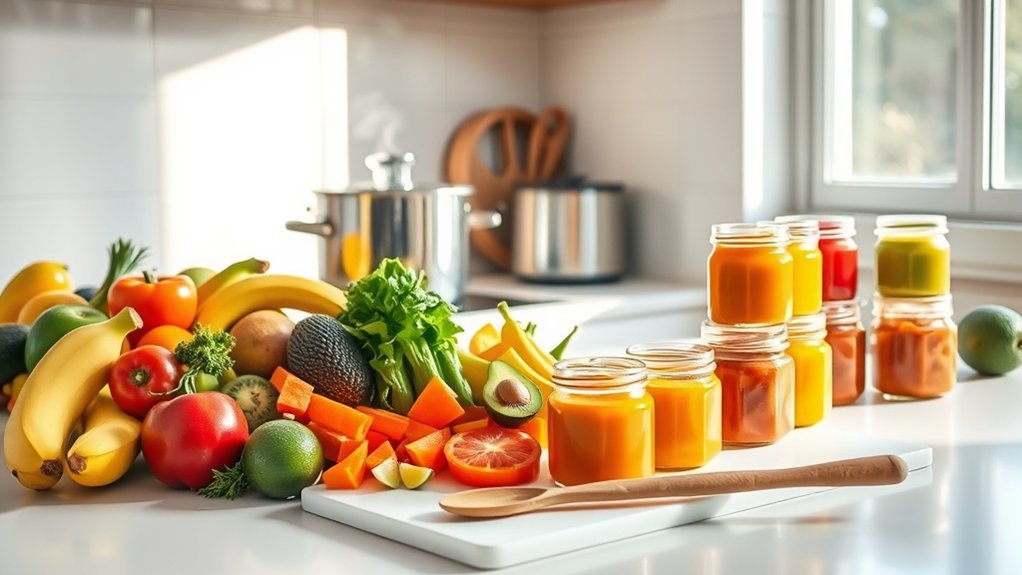
- Clean your hands and equipment. Wash your hands with soap and water. Clean the cutting board, knife, blender, masher, saucepan, containers, and other utensils with hot soapy water.
- Select the meal components. Choose at least one vegetable or fruit, an iron-rich protein, and a grain or starchy food. Add a healthy fat when appropriate.
- Wash and trim the ingredients. Rinse produce under running water. Remove pits, seeds, tough peels, bones, gristle, fish bones, and other inedible parts.
- Cook until tender and safe. Steam, roast, bake, simmer, or poach the food. Check animal foods with a thermometer.
- Adjust the texture. Mash with a fork, shred, mince, finely chop, grind, or briefly blend. Add a small amount of water, breast milk, prepared formula, pasteurized whole milk, or unsalted cooking liquid if the food is too dry.
- Check the shape and softness. Press the food between your thumb and finger. It should squash easily and should not be hard, round, rubbery, stringy, or sticky.
- Serve or cool promptly. Place the child’s serving in a separate bowl. Cool unused food quickly and refrigerate it in a clean, covered container within two hours.
Pro Tip: Set aside an unsalted portion of the family meal before adding extra salt, spicy sauce, or a sugary glaze. Then soften and cut that portion for your child instead of preparing an entirely separate meal.
Choosing the Right Texture for a 1-Year-Old
The CDC recommends offering varied textures to help children develop chewing, finger-feeding, and fine-motor skills. Depending on your child’s development, suitable textures may include:
- Smooth or thick puree
- Fork-mashed food
- Soft food with small lumps
- Finely chopped or ground food
- Soft shreds of meat or vegetables
- Soft finger-size pieces the child can pick up
Examples include mashed avocado, thick oatmeal, finely chopped pasta, shredded tender chicken, soft-cooked vegetable pieces, flaked fish, ripe banana, scrambled egg, and toast strips spread thinly with smooth nut butter.
Gagging can happen as children learn to handle new textures and is not the same as choking. A gagging child may cough or make noise. A choking child may be unable to breathe, cry, cough effectively, or make sound. Parents and caregivers should learn age-appropriate choking first aid from a qualified instructor.
Introducing Common Food Allergens Safely
Do not automatically avoid foods such as peanut, egg, milk, wheat, soy, sesame, fish, shellfish, or tree nuts merely because they can cause allergies. Unless a clinician has advised otherwise, introduce them in developmentally safe forms and offer only one new allergen at a meal so a reaction is easier to identify.
Safe forms include:
- Smooth peanut or tree-nut butter thinned into oatmeal, yogurt, or warm water
- Well-cooked scrambled egg cut into soft pieces
- Plain pasteurized yogurt
- Soft wheat pasta or toast
- Well-cooked, finely flaked fish with every bone removed
- Soft tofu or mashed cooked soybeans
Never serve whole nuts or a thick spoonful of nut butter because both are choking hazards. Children with severe eczema, an existing food allergy, or a previous reaction should have an allergen-introduction plan from their pediatrician or allergist.
Allergy Warning: Stop feeding the food and seek medical advice for possible allergy symptoms such as hives, facial swelling, vomiting, or a new widespread rash. For trouble breathing or swallowing, wheezing, blue or pale skin, collapse, severe lethargy, or swelling of the tongue or throat, use prescribed epinephrine immediately and call 911.
How Much and How Often to Feed a 1-Year-Old
Children’s appetites vary from meal to meal and day to day. The CDC suggests offering something to eat or drink every two to three hours, which commonly works out to three meals and two or three snacks.
Begin with small portions, such as one or two tablespoons of each food, and offer more when your child still shows hunger. Let your child decide how much to eat. Signs of hunger may include reaching for food, opening the mouth, or becoming excited when food appears. Fullness cues may include turning away, closing the mouth, pushing food aside, slowing down, or losing interest.
Avoid pressuring your child to finish the bowl. Regular meals and snacks are more helpful than continuous grazing throughout the day.
How to Store and Freeze Baby Food Like a Pro
Safe storage prevents bacteria from multiplying and keeps prepared food organized. Use clean airtight containers, covered silicone trays, or freezer-safe jars with enough headspace for expansion.
Refrigerator and Freezer Limits
| Food Type | Refrigerator | Freezer |
| General homemade baby food | 1–2 days | 1–2 months |
| Strained fruits or vegetables | 2–3 days | 6–8 months |
| Meat or vegetable combinations | 1–2 days | 1–2 months |
| Strained meat or egg | 1 day | 1–2 months |
These limits follow the current FoodSafety.gov baby-food storage chart. When a mixed dish contains ingredients with different limits, follow the shortest limit.
How to Freeze Baby Food
- Cool the cooked food promptly.
- Spoon it into a clean covered ice-cube tray or small freezer container.
- Freeze until solid.
- Transfer frozen cubes to a dated freezer bag or airtight container.
- Remove only the amount needed for one meal.
How to Thaw and Reheat It
Thaw frozen food in the refrigerator overnight or reheat it directly in a saucepan. When using a microwave, transfer the food to a microwave-safe dish rather than heating it in a jar. Stir thoroughly, allow it to stand briefly, and test several areas before serving because microwaves can create hot spots.
Reheat stored leftovers to 165°F, then let the food cool to a comfortable serving temperature. Do not repeatedly reheat the same portion.
Warning: Place your child’s portion in a separate bowl before feeding. Saliva transferred from a used spoon can contaminate the remaining food. Discard anything left in the serving bowl instead of returning it to the refrigerator.
Creative Ways to Introduce New Flavors in Baby Food
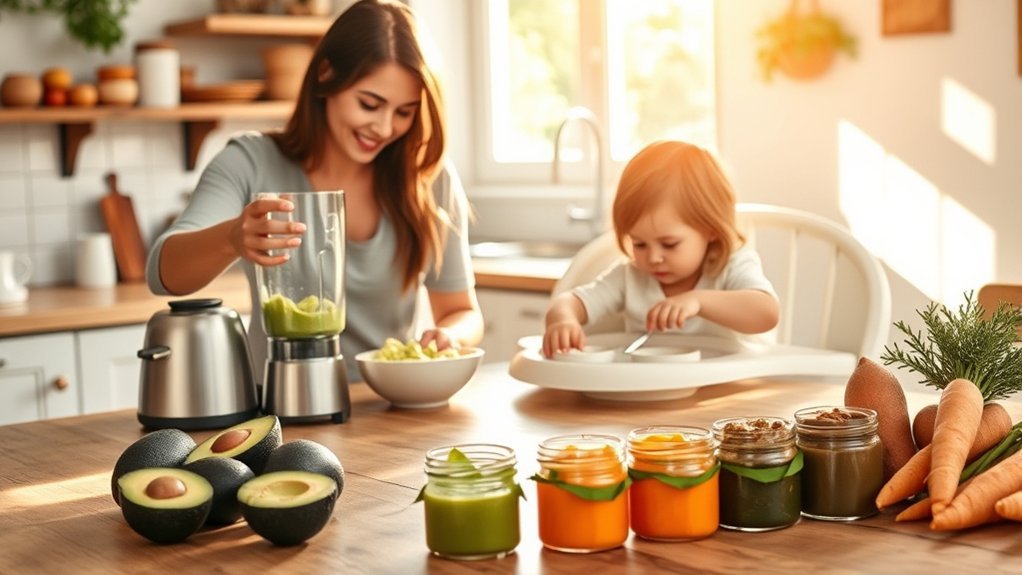
Introducing new flavors can help your child become familiar with a wider range of family foods. Pair one familiar ingredient with one less familiar taste and keep seasonings mild.
- Mix mashed sweet potato with lentils, olive oil, and a small pinch of cinnamon.
- Combine peas and ripe pear, leaving the mixture slightly lumpy rather than completely smooth.
- Stir finely chopped spinach into scrambled egg and serve it with mashed avocado.
- Mix plain full-fat yogurt with mashed berries and softened oats.
- Combine shredded chicken, soft brown rice, peas, and unsalted broth.
- Mix flaked salmon with mashed potato and soft broccoli.
- Serve mashed beans with avocado and soft whole-grain toast strips.
- Blend mango with spinach, then stir the mixture into thick oatmeal or plain yogurt.
Herbs and mild spices such as basil, dill, mint, parsley, oregano, cinnamon, cumin, or garlic can add flavor without sugar or excess salt. Roasting vegetables can deepen their sweetness, while steaming often keeps the flavor milder.
It is normal for a child to reject a food at first. Offer a small amount again on another day without pressure. A child may need repeated, calm exposure before accepting a new taste or texture.
When to Ask for Professional Feeding Help
Contact your child’s pediatrician if your child regularly coughs, chokes, turns blue, or has a wet or gurgly voice during meals; cannot manage textures expected for their development; has frequent vomiting; shows signs of dehydration; is not gaining weight as expected; or eats an extremely narrow range of foods.
A pediatrician may recommend support from a registered dietitian, allergist, occupational therapist, or speech-language pathologist with pediatric feeding and swallowing experience.
Frequently Asked Questions
How do I know if a food is safe for my 1-year-old?
Check that the food is pasteurized when required, fully cooked, low in added sugar and sodium, and prepared in a texture your child can manage. It should be soft enough to squash easily and should not be hard, round, sticky, rubbery, or difficult to chew.
Can I use frozen fruits and vegetables for baby food?
Yes. Plain frozen fruits and vegetables are convenient and nutritious. Choose products without added sugar, salt, butter, or sauce. Cook firm vegetables until soft and mash or cut fruit to remove hard, round, or slippery choking hazards.
Should I avoid common allergens such as peanuts, eggs, and dairy?
Not unless your child has a diagnosed allergy or a clinician has advised avoidance. Offer allergens in safe forms, such as thinned smooth peanut butter, fully cooked egg, or plain pasteurized yogurt. Ask a pediatrician or allergist first if your child has severe eczema, an existing allergy, or a previous reaction.
How can I tell whether my child likes a new food?
Your child may open their mouth, lean toward the food, reach for more, or continue eating. Turning away once does not always mean permanent dislike. Offer the food again on another day without pressure and in a familiar meal.
How long can homemade baby food stay in the refrigerator?
Use general homemade baby food within one to two days. Strained fruit and vegetable preparations may last two to three days, while strained meat or egg should be used within one day. Follow the shortest limit when ingredients are mixed.
Does food for a 1-year-old need to be pureed?
No. Many children this age can manage mashed, lumpy, finely chopped, ground, shredded, and soft finger foods. Continue to match the texture to your child’s development and seek professional advice if your child struggles with age-appropriate textures.
Can my 1-year-old eat the same meals as the rest of the family?
Usually, yes. Set aside a portion before adding excess salt, sugar, or hot sauce. Remove bones and tough skins, cook animal foods thoroughly, and modify the texture and shape to reduce choking risk.
What should I do if my child refuses a new food?
Stay calm, remove the food without punishment, and offer a small portion again another day. Pairing the new food with a familiar food can help. Contact your pediatrician if refusal is severe, causes poor growth, or is linked to gagging, pain, coughing, or choking.
Conclusion
To make safe, nutritious baby food for a 1-year-old, begin with ordinary whole foods and adapt them to your child’s development. Cook animal foods thoroughly, offer more than just smooth purees, include iron-rich protein and healthy fat, and prepare every bite with choking prevention in mind.
Keep meals calm, let your child respond to hunger and fullness cues, and introduce flavors without pressure. Careful storage, clean utensils, accurate cooking temperatures, and consistent supervision make homemade food safer while helping your child gradually join family meals.
Sources
- CDC: Choking Hazards — safe food preparation, seating, and supervision.
- CDC: Tastes and Textures — puree, mashed, lumpy, chopped, and finger-food progression.
- CDC: Cow’s Milk and Milk Alternatives — milk guidance for children 12 months and older.
- CDC: Foods and Drinks to Avoid or Limit — added sugar, sodium, juice, caffeine, mercury, and pasteurization guidance.
- FoodSafety.gov: Safe Storage of Pureed and Solid Baby Food — refrigerator and freezer limits.
- FDA: Once Baby Arrives — sanitation, freezing, saliva contamination, and safe heating.