You might not know that kids usually start with 20 baby teeth, and they all have an important job. These teeth help you chew, speak, and smile, even before permanent teeth arrive. Baby teeth start coming in around six months, and the pattern can vary a little from child to child. If you’ve ever wondered whether your child’s teeth are on track, there’s a simple way to tell what should happen next.
How Many Teeth Do Kids Usually Have?
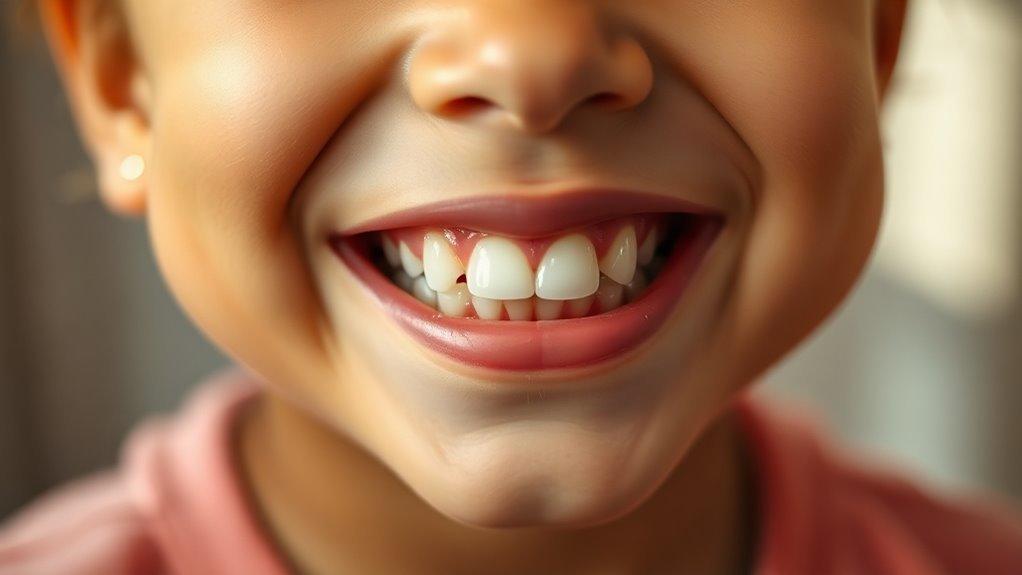
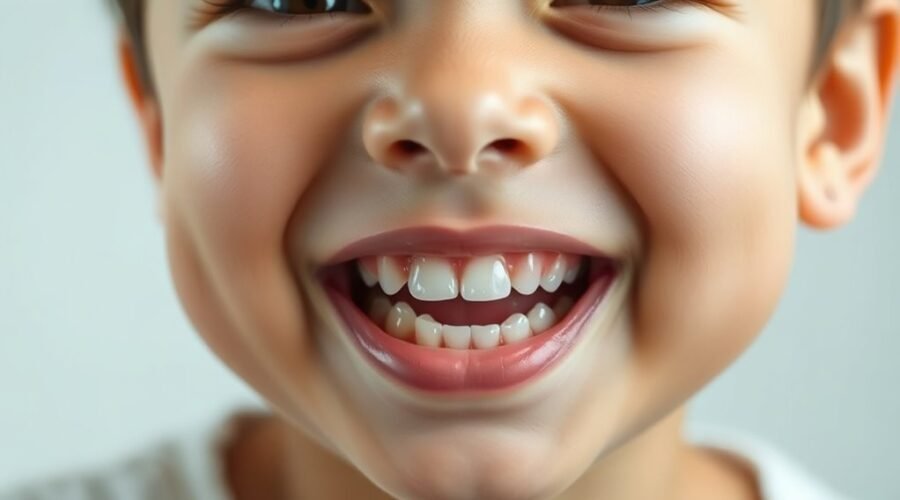
Most kids have 20 primary teeth, also called baby teeth, by the time they’re about 3 years old. That’s a normal part of tooth development, and it shows your mouth is growing exactly as it should.
You don’t need to compare yourself to anyone else, because every child’s body follows its own pace. These teeth help you chew, speak, and smile while your jaw keeps growing.
You can protect them with good dental hygiene: brush twice a day with fluoride toothpaste, floss when teeth touch, and visit a dentist regularly.
If a tooth hurts, looks wiggly, or seems to come in late, ask a trusted adult or dentist for help. Your mouth deserves care, respect, and freedom from pain.
Learning about your teeth can help you feel calm, confident, and in charge of your health.
The 20 Baby Teeth Kids Start With
You start with 20 baby teeth because they help you chew, speak, and make room for your grown-up teeth later.
These baby teeth include incisors, canines, and molars, and each type has its own job.
They usually begin to erupt around 6 months old, though every child’s timeline can be a little different.
Why Kids Have 20
Kids start with 20 baby teeth because their mouths are smaller and still growing, so they only need enough teeth to help them chew, speak, and keep space ready for the bigger adult teeth that will come later.
You’re watching tooth development in action, and that’s pretty amazing. These early teeth support good dental health by helping you eat comfortably and learn clear speech. They also guide your jaw as it grows, like a friendly map for the teeth behind them.
Because your body changes over time, baby teeth make room for adult teeth without crowding. So if you lose one, don’t worry—it’s a normal part of growing up.
Your smile is doing its job, step by step, and that’s something to feel good about.
Types Of Baby Teeth
The 20 baby teeth have different jobs, and each type helps your mouth work the way it should. You’ve got four kinds of teeth, and each one has a special role. These small helpers guide chewing, speaking, and smiling with ease, so you can feel confident and free.
| Type | Function |
|---|---|
| Incisors | Cut food |
| Canines | Tear food |
| Molars | Crush food |
Your front teeth do the first bite, while your back baby molars do the heavy work. The middle teeth help shape your speech and keep your grin balanced. All these types work together like a team, and that teamwork makes eating easier. If one tooth feels sore or loose, that’s usually normal, and your mouth still knows how to do its job.
When They Erupt
Baby teeth usually start popping up around 6 months old, and most kids have all 20 of them by about age 3.
You’ll usually see the bottom front teeth first, then the top front teeth, and the rest follow in a handy eruption sequence. Some kids get them a little earlier or later, and that’s okay.
- You might feel teething discomfort, but it won’t last forever.
- You can offer a cool teething ring or a clean, damp cloth.
- You can celebrate each tiny tooth as a sign your child’s body is growing strong.
When Do Baby Teeth Come In?
Your baby’s first teeth usually start coming in around 6 months old, but every child grows at their own pace.
Most kids get their teeth one by one over the next few years, and you might notice signs like drooling, sore gums, or extra fussiness.
Teething can feel tricky, but it’s a normal part of growing up and usually passes with time.
First Teeth Eruption
Most kids get their first tooth around 6 months old, but it’s normal for teeth to start popping up anytime between 4 and 12 months. When you notice that tiny white bump, you can feel excited and a little overwhelmed. That’s okay. Your child’s mouth is growing, and you can support it with gentle teething remedies and simple dental hygiene habits.
- You may feel proud seeing that first smile change.
- Your child may feel comforted by your calm care.
- You can feel free knowing this stage is normal.
Wipe gums with a soft cloth, offer a chilled teether, and brush the new tooth with a tiny smear of fluoride toothpaste.
You’re helping your child build healthy habits from the start.
Typical Teething Timeline
Teething usually follows a fairly predictable pattern, with the front bottom teeth often coming in first, followed by the top front teeth and then the other teeth over the next few years.
You’ll usually see the first baby teeth between 6 and 10 months, though some kids start earlier or later. By about age 3, most children have all 20 primary teeth.
From there, you can expect a steady, natural rhythm, not a race. If your child seems cranky, offer teething remedies like a cool washcloth or gentle gum massage.
Teething toys can also help by giving safe pressure to sore gums. Every child’s timeline is different, so trust your child’s pace and feel empowered to ask your dentist questions whenever you need support.
Common Teething Signs
A few early clues can show that baby teeth are on the way: your child might drool more, chew on fingers or toys, have swollen gums, or seem fussier than usual.
You can also notice a mild rise in clinginess, sleep changes, or a desire to bite hard things. These signs usually mean the gums feel tender, not that anything’s wrong.
Try gentle teething remedies like a cool washcloth or chilled teether, and use soothing techniques such as extra cuddles, gum massage, and calm routines.
- You’re not failing; this phase passes.
- Your child’s discomfort can ease with care.
- Small comforts can bring big relief.
How Many Teeth Kids Have by Age
Kids’ tooth counts change as they grow, and that’s completely normal. You may see tiny teeth pop up early, then more arrive as your mouth builds a fuller smile. Most kids have 20 baby teeth by about age 3, and those teeth help you chew, speak, and grin with confidence. Keep up dental hygiene so each tooth stays strong for the tooth fairy’s visits and everyday life.
| Age | Typical teeth |
|---|---|
| 1 year | 6–8 |
| 3 years | 20 |
| 6 years | 20 baby teeth plus growing adult teeth |
Your count can vary a little, and that’s okay. Bodies don’t follow a strict schedule, and you don’t need to compare yourself to anyone else. If you’re unsure, a dentist can check your smile and explain what’s happening. With gentle brushing, flossing, and regular checkups, you give your teeth the freedom to stay healthy while you keep growing.
When Do Kids Lose Baby Teeth?
Kids usually start losing their baby teeth around age 6, and this is when your first teeth may begin to wiggle and fall out.
You’ll often lose the front teeth first, and the process can continue until about age 12 or 13.
This is a normal part of growing up, and your new adult teeth will come in behind them.
First Teeth Fall Out
Most children start losing their baby teeth around age 6, though it can happen a little earlier or later and still be normal.
When your first tooth gets wiggly, you might feel excited, nervous, or both. That’s okay. Losing a tooth is a small step in growing up, and you get to move through it at your own pace. The tooth fairy can make the moment feel magical, but your feelings matter too. Some kids smile wide, while others feel a strong emotional impact and need extra comfort.
- You may feel proud of your changing smile.
- You may worry, but gentle help can calm you.
- You may enjoy a fun reward after the tooth falls out.
If a tooth hurts, tell a grown-up.
Typical Tooth Loss Ages
Usually, you start losing baby teeth around age 6, and many kids continue losing them until about age 12 or 13.
You might lose the bottom front teeth first, then the top ones, but everyone’s mouth follows its own pace. Some kids lose teeth earlier, and some later, and that’s okay.
Your permanent teeth are growing in underneath, helping your smile get ready for bigger jobs like chewing and speaking.
Keep up good dental hygiene by brushing twice a day and flossing gently, so new teeth stay strong.
If a tooth feels loose, don’t force it. Let it come out naturally, and maybe leave it for the tooth fairy.
Your smile is changing, and that’s a normal part of growing up.
Which Baby Teeth Fall Out First?
The first baby teeth to fall out are usually the two bottom front teeth, called the lower central incisors. You may notice them get wiggly before they come out.
This tooth loss is a normal part of growing up, and it doesn’t mean anything is wrong. In fact, it can feel exciting, even a little strange, because your smile is changing and your body is doing its own thing.
The emotional impact can be small or big, so it helps to know you’re not alone.
- You might feel proud when a tooth finally falls out.
- You might feel nervous, and that’s okay too.
- You can celebrate the moment and keep feeling in control.
Later, other front teeth usually follow.
Every child’s pace is different, so your smile’s timing is your own.
How Permanent Teeth Replace Baby Teeth
As your baby teeth fall out, permanent teeth start moving in to take their place. Your jaw makes room for these stronger teeth through natural tooth development, and you don’t need to force the process.
A loose tooth usually means the new tooth underneath is pushing up and helping the old one come out. That can feel weird, but it’s a normal part of growing up. You might notice a tiny gap for a while, then a new tooth appears behind, below, or right where the baby tooth was.
Keep brushing gently, flossing, and visiting the dentist, because good dental care helps your new teeth stay healthy and strong.
You can feel proud of every wiggly tooth you lose—it means your smile is changing, growing, and becoming all yours.
Are Your Child’s Teeth on Track?
Wondering if your child’s teeth are growing on schedule? You can usually feel confident when baby teeth appear in a loose, gradual pattern and permanent teeth begin taking their place over time.
Teeth development varies, and small differences often stay within a healthy range. What matters most is steady growth, a comfy bite, and daily care that supports strong smiles. Good dental hygiene helps protect new teeth as they come in, so brushing twice a day and flossing with your help can make a big difference.
Healthy teeth growth can vary, but steady progress and daily care help keep little smiles strong.
- You can celebrate each new tooth like a tiny milestone.
- You can trust that your child’s smile is changing at its own pace.
- You can build calm routines that make oral care feel easy.
If you stay relaxed and consistent, you give your child the freedom to enjoy learning, laughing, and smiling without worry.
Signs Your Child’s Teeth May Be Delayed
If your child’s teeth seem slow to arrive, a small delay doesn’t always mean there’s a problem. You may notice that baby teeth haven’t poked through by the usual age, or that one side of the mouth looks busier than the other.
Sometimes gums look puffy, but no tooth appears. Your child might also have teething discomfort without seeing much change, which can feel confusing.
Keep an eye on chewing, smiling, and speech as they grow. Good dental hygiene still matters, even when teeth are late, because clean gums help support a healthy mouth.
Brush gently with a soft toothbrush, and offer water after meals. If your child is calm, playful, and eating well, a little extra time can be perfectly normal.
Everyone grows at their own pace, and that includes teeth. Trust your observations, stay informed, and know that slow doesn’t always mean stuck.
When Should You Call a Pediatric Dentist?
Call a pediatric dentist if your child has no teeth by around their first birthday, or if you notice pain, swelling, bleeding gums, or trouble eating. These can be signs that need quick care, and you don’t have to guess alone.
Trust pediatric dentist advice when teeth seem delayed, a tooth looks injured, or a sore spot won’t heal. If you see dental emergency signs, call right away so your child can get relief and you can feel calm again.
- Worried tears can turn into big relief.
- A swollen mouth can make eating scary.
- Fast help can protect your child’s smile and confidence.
You know your child best, and asking early is smart, not dramatic. A pediatric dentist can check growth, ease discomfort, and guide you on next steps.
With the right support, you can move from stress to peace and keep your child’s mouth healthy, happy, and strong.
Related Pediatric Dental Guides: See the shedding order in how many baby teeth do you lose and separate myths from facts in can teething cause diarrhea.
Frequently Asked Questions
Does Teething Cause Fever in Kids?
No, teething usually doesn’t cause a true fever in kids.You might notice teething symptoms like drooling, gum rubbing, fussiness, and sleep changes, but baby pain from teething should be mild.If your child has a fever over 100.4°F, look for another cause and call your pediatrician.You can soothe them with a cool teether, cuddles, and calm.
How Can I Soothe a Teething Baby?
You can soothe a teething baby with clean fingers, a chilled teething ring, or a soft washcloth for gentle chewing. These teething remedies help calm sore gums and give quick comfort.Try soothing techniques like cuddling, rocking, and offering extra attention when your baby’s fussy. You can also massage their gums softly.Avoid frozen objects or sugary gels, and trust your instincts—you know your baby best.
Should Kids Brush Baby Teeth With Fluoride?
Yes, you should brush your child’s baby teeth with a tiny smear of fluoride toothpaste.Fluoride benefits include stronger enamel and fewer cavities, so it supports good dental hygiene early. You can use a soft toothbrush and brush twice a day, morning and night.Keep it gentle and fun, and help your child spit out the toothpaste. With your support, they’ll build healthy habits and feel confident about their smile.
What Foods Are Best for Teething Toddlers?
You can offer soft, cool foods that soothe sore gums, like yogurt, applesauce, mashed bananas, and chilled cucumber sticks.Cold snacks can ease swelling and help your toddler feel better fast. You can also give teething toys to chew safely between meals.Avoid hard, sticky, or sugary foods that may hurt tender mouths.Stay calm, trust your judgment, and let your child explore relief at their own pace.
Can Thumb Sucking Affect Tooth Alignment?
Yes, thumb sucking can affect your child’s tooth alignment if it continues for a long time.The dental impact may include front teeth shifting forward or the bite changing.You don’t need to panic, though—many kids stop on their own, and early habits often cause less trouble.If you’re worried, you can talk with a dentist, who can help you support your child gently and keep their smile healthy.
Conclusion
By age 3, your child usually has 20 baby teeth, and that’s a big milestone! Did you know most kids start getting teeth around 6 months old, with the bottom front teeth first? If your child’s teeth seem late or out of order, don’t worry—every kid grows a little differently. Keep up with regular dental visits so you can help your child’s smile stay healthy as those baby teeth make room for permanent ones.