
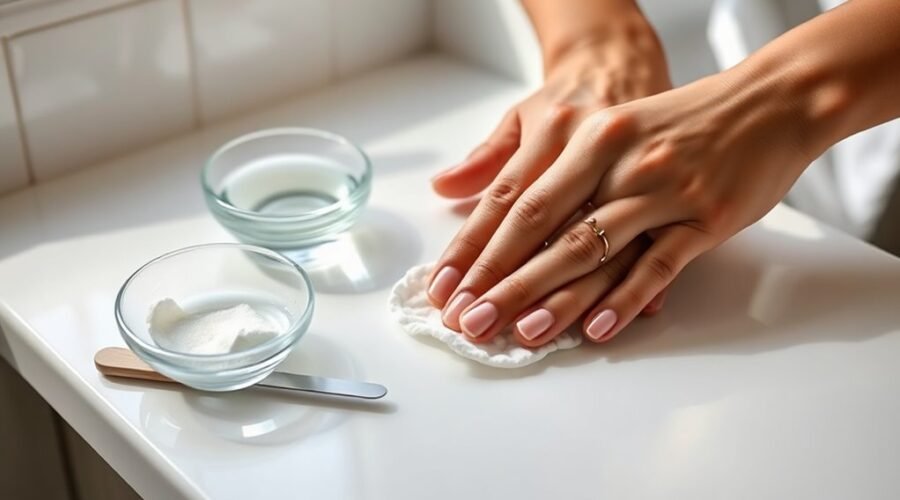
If you are searching for how to remove nail polish without remover—or how to take off stubborn lacquer without harsh acetone stripping your nail plate—the most effective household substitutes are 70%–91% isopropyl rubbing alcohol, ethyl-alcohol hand sanitizer, alcohol-based perfume, or a fresh coat of wet clear top coat wiped off immediately. Unlike pure acetone, which dissolves nitrocellulose polish in seconds, household solvents require a 15-to-30-second press-and-hold technique plus warm water pre-soaking to lift color cleanly without scraping or peeling your keratin layers.
How to Remove Nail Polish Without Remover: 6 Methods Compared
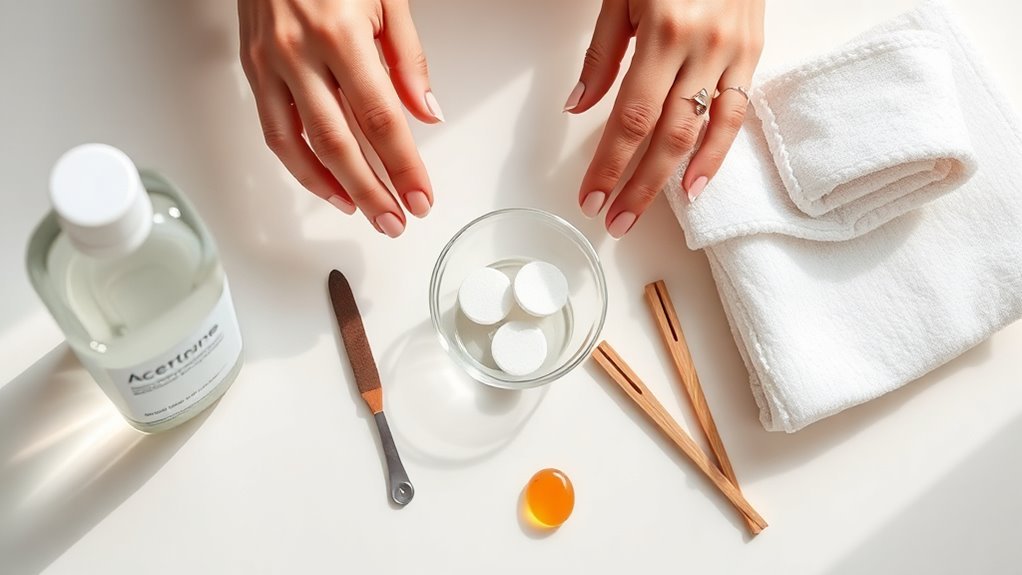
Traditional nail polish consists of nitrocellulose resin dissolved in volatile solvents like ethyl acetate or butyl acetate. When you run out of bottled remover—or want to avoid 100% acetone—choosing a replacement with the highest alcohol or ester content gives the cleanest removal.
| Removal Method | Active Solvent / Mechanism | Press & Hold Time | Works On Polish Type | Nail Drying Level |
|---|---|---|---|---|
| 91% Isopropyl Rubbing Alcohol | Isopropyl alcohol breaks down lacquer resin bonds | 15–20 seconds per nail | Regular cream & shimmer lacquer | Low–Moderate |
| Hand Sanitizer (70% Ethyl Alcohol) | Concentrated ethanol softens nitrocellulose film | 20–30 seconds per nail | Regular air-dry nail polish | Low (often contains aloe/glycerin) |
| Fresh Clear Top Coat (“Re-Wet” Trick) | Butyl/ethyl acetate in wet polish re-melts dry polish | Wipe immediately (within 3 sec) | Chipped or thin regular polish | Very Low (zero solvent soak) |
| Alcohol-Based Perfume / Body Mist | Denatured alcohol (SD Alcohol 40) + fragrance esters | 20–25 seconds per nail | Light-to-medium regular polish | Moderate |
| Warm Water Soak + White Vinegar & Lemon | Warm water swells nail plate; acetic/citric acid loosens bond | 10-minute warm soak + wipe | Old, lifting, or water-based polish | Very Low (gentlest natural option) |
| Non-Acetone Remover (Ethyl Acetate) | Ethyl acetate / propylene carbonate (acetone-free) | 10–15 seconds per nail | Regular polish & color over acrylics/press-ons | Low (safe for ABS press-ons) |
Method 1: How to Remove Nail Polish With Rubbing Alcohol or Hand Sanitizer
Isopropyl alcohol (at least 70%, ideally 91%) and alcohol-based hand sanitizer are the most reliable pantry substitutes when you have no nail polish remover on hand:
- Pre-Soak Nails in Warm Soapy Water (3 Minutes): Submerge your fingertips in a bowl of warm water with a drop of dish soap for 3 minutes. Warm water temporarily expands the natural nail plate slightly, weakening the mechanical grip of the dried lacquer.
- Protect Cuticles With Oil: Dab a drop of jojoba oil or petroleum jelly along the skin fold around each nail. See our guide on how to apply cuticle oil across all 4 nail zones to shield skin from solvent dehydration.
- Saturate and Press (Do Not Scrub Immediately): Soak a lint-free cotton pad with 91% rubbing alcohol or squeeze a pea-sized dollop of hand sanitizer onto the nail. Press the cotton pad firmly against the nail plate for 15 to 25 seconds so the alcohol penetrates the polish layers.
- Twist and Wipe Toward the Free Edge: Apply firm downward pressure and pull the pad straight from the cuticle to the tip in one stroke. Repeat with a clean corner of the pad for any remaining pigment along the sidewalls.
Method 2: The Wet Clear Top Coat (“Like Dissolves Like”) Technique
If you have zero alcohol or remover available, another bottle of liquid nail polish is chemically the closest match to bottled remover because ~70% of liquid nail polish in the bottle is raw solvent (ethyl acetate and butyl acetate):
- Work One Nail at a Time: Paint one generous, wet coat of clear top coat (or a sheer light shade—never a quick-dry top coat) directly over your old dry polish.
- Wait 2 Seconds, Not Longer: Give the wet solvents 2 to 3 seconds to melt into the old lacquer underneath. If you wait too long, both layers will dry together into a thicker coat.
- Wipe Firmly With a Paper Towel or Cotton Pad: Press a folded paper towel or lint-free cotton pad flat onto the nail and swipe off forcefully. Repeat once on the edges if needed.
Method 3: How to Remove Nail Polish Without Acetone or Drying Out Nails
If your goal is removing regular or glitter nail polish without the chalky white dehydration caused by 100% acetone—or if you want to take polish off reusable press-ons without melting them (see how to make press-on nails last and remove them safely)—follow these damage-prevention rules:
- Switch to Ethyl Acetate or Propylene Carbonate Removers: Non-acetone removers dissolve standard nitrocellulose lacquer without dissolving ABS plastic press-on tips or softening acrylic overlays.
- Use Foil Clips for Glitter Instead of Scraping: Never pry glitter flecks off with metal tools or your teeth, which delaminates the dorsal keratin layer (onychoshizia). Hold a soaked cotton pad under a foil wrap or silicone clip for 3 to 5 minutes so the base coat releases cleanly.
- Protect Clothing and Surfaces: Both acetone and non-acetone ester solvents can damage synthetic fibers like acetate and rayon; check our fabric safety guide on whether nail polish remover stains or melts clothes before working over upholstery or garments.
Popular DIY Hacks to Avoid
- Avoid Scraping With Metal Pushers After Hot Water: Pushing softened polish off with a metal cuticle tool gouges microscopic grooves into the nail plate.
- Skip Hydrogen Peroxide & Baking Soda Pastes for Removal: Peroxide and baking soda help lighten superficial yellow stains on bare nails, but they lack any organic solvent capable of dissolving intact nail lacquer.
- Keep Aerosol Deodorant and Hairspray Away From Skin: While aerosol propellants and denatured alcohol can lift faint polish, spraying aerosols at point-blank range causes cold-burn irritation on cuticles.
Frequently Asked Questions
What is the fastest household substitute for nail polish remover?
Isopropyl rubbing alcohol (70% to 91%) or a high-alcohol liquid hand sanitizer (at least 60%–70% ethyl alcohol) is the fastest household alternative. Press an alcohol-soaked cotton pad onto the nail for 15 to 20 seconds to soften the nitrocellulose resin before wiping.
Does applying fresh nail polish over old polish really remove it?
Yes, for regular air-dry lacquer. Wet nail polish contains solvents like ethyl acetate and butyl acetate. Applying one thick coat of clear top coat over dry polish re-dissolves the old layer below—if you wipe firmly with a paper towel or cotton pad within 2 to 3 seconds before it dries.
Can you remove gel or dip powder nails without acetone?
No household liquid like rubbing alcohol, vinegar, or non-acetone remover can dissolve cured UV/LED gel polish or cyanoacrylate dip powder. Without pure acetone, gel or dip must be gently buffed down or soaked in a warm water, dish soap, and cuticle oil bath once the edges begin lifting naturally.
Does baking soda or toothpaste remove nail polish?
Toothpaste and baking soda only remove faint surface pigment through mild physical abrasion; they do not contain solvents strong enough to dissolve intact nail lacquer and can scratch the nail plate if scrubbed aggressively.
How do you remove nail polish from acrylic or press-on nails without melting them?
Never use 100% acetone on acrylics or ABS plastic press-on nails, as acetone dissolves the plastic and acrylic polymer. Always use an ethyl-acetate non-acetone remover or 70% rubbing alcohol with brief press-and-wipe passes.

[…] polish, as extra product adds 1 to 2 mm to your true sidewall span. Once your nails are bare (see how to remove nail polish cleanly if you need a quick reset), follow these four […]