Baby food purees can be useful ingredients long after mealtime. Fruit purees add moisture and mild sweetness to pancakes, muffins, oatmeal, and smoothies, while vegetable purees blend easily into soups, sauces, casseroles, and meat mixtures. The key is to use uncontaminated food, add it gradually, and adjust the recipe for the puree’s moisture and flavor.
Quick Answer
Use untouched baby food puree as a moisture, flavor, or color ingredient in pancakes, muffins, sauces, soups, oatmeal, smoothies, meatballs, and burgers. Begin with a small amount, adjust the recipe’s other liquids as needed, cook foods fully, and follow storage limits based on the type of puree.
Key Takeaways
- Use sweet potato, carrot, squash, apple, pear, banana, or other purees to add moisture and flavor to recipes.
- Start with a modest amount because baby food can make batter, sauces, and meat mixtures thinner or softer.
- Fruit puree can help reduce some added sugar or fat, but it is not a guaranteed one-for-one substitute.
- Only save puree that has not touched the baby’s mouth, feeding spoon, or used serving dish.
- Check ingredient labels for major allergens, added sugar, and sodium before combining products.
- Use age-appropriate textures and keep honey, alcohol, caffeine, and unsafe ingredients out of food served to a baby.
At a Glance
| Time Required | About 5–15 minutes of extra preparation, plus normal cooking time |
| Difficulty | Easy |
| Tools Needed | Measuring spoons or cups, mixing bowl, clean serving dish, and a food thermometer for meat recipes |
| Cost | Low when using an unopened container or an uncontaminated portion that would otherwise go unused |
Warning: Do not cook with food left in a dish after feeding or with a jar that was used for direct feeding. Saliva carried back on the spoon can contaminate the remaining food. Spoon a clean portion into a separate dish before feeding and refrigerate the untouched remainder promptly.
Selecting Baby Food Purees for Your Recipes
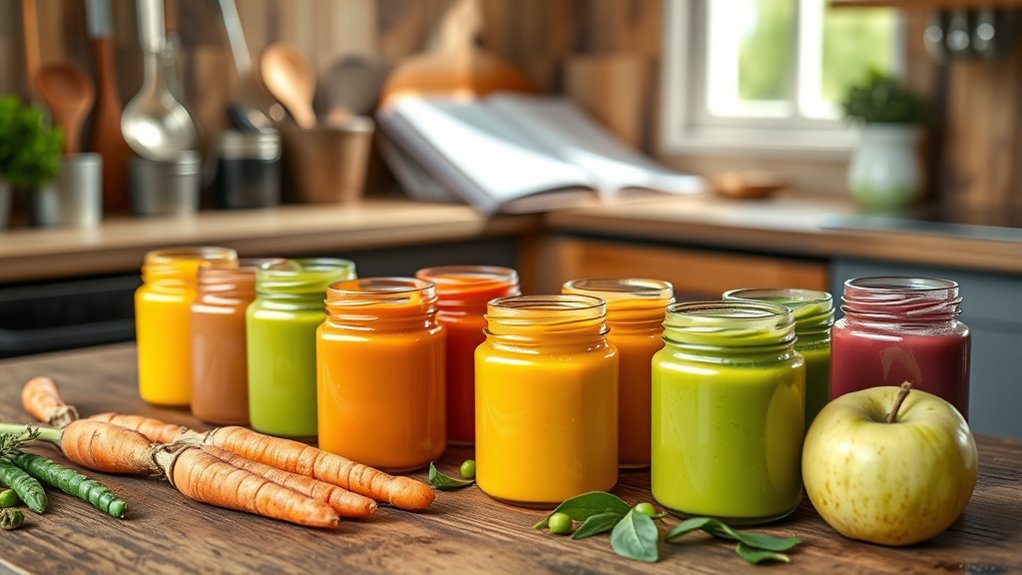
Choose a puree by considering its flavor, moisture, ingredients, and the dish you plan to make. Sweet potato, carrot, pumpkin, and butternut squash have a creamy texture and mild sweetness. They work well in pancakes, muffins, soups, pasta sauce, and casseroles.
Apple, pear, prune, mango, peach, and banana purees can add moisture and sweetness to oatmeal, smoothies, muffins, quick breads, and sauces. They may help you reduce some added sugar, but they do not automatically make a dessert low in sugar or suitable for a baby.
Broccoli, pea, spinach, zucchini, and mixed-vegetable purees fit savory recipes. Begin with a small amount because green vegetables may change the color and flavor more noticeably than squash or carrot.
Chicken, turkey, or beef puree can be mixed into soup, stew, meatballs, or burgers. The amount of protein added depends on the product and serving size, so check the Nutrition Facts label instead of assuming that a spoonful will substantially increase the recipe’s protein.
Match the Puree to the Recipe
| Puree | Good Uses | What to Watch |
|---|---|---|
| Apple, pear, peach, mango, or banana | Oatmeal, smoothies, muffins, pancakes, quick breads | May increase sweetness and make batter softer |
| Sweet potato, carrot, pumpkin, or squash | Pancakes, muffins, pasta sauce, soup, casseroles | Can make baked goods dense if too much is added |
| Pea, broccoli, spinach, or zucchini | Soup, tomato sauce, eggs, savory muffins | Stronger color and vegetable flavor |
| Chicken, turkey, or beef | Meatballs, burgers, soup, stew, savory muffins | Mixtures can become soft; finished meat still requires safe cooking |
Read Both Ingredient Lists
Check the baby food label and every other ingredient in the recipe. The FDA recognizes nine major food allergens: milk, eggs, fish, crustacean shellfish, tree nuts, peanuts, wheat, soy, and sesame. Packaged foods containing these allergens must identify the source on the label, although precautionary statements such as “may contain” are voluntary.
Also compare sodium and added sugar. If the finished food will be served to a baby or young child, choose unsweetened and lower-sodium ingredients when possible. For a child with a known allergy, severe eczema, swallowing difficulty, or a medically restricted diet, ask the child’s healthcare professional before changing the feeding plan.
Note: A puree that is appropriate for an adult recipe is not automatically appropriate for a baby. Consider every added ingredient, the child’s feeding skills, and the final texture—not just the original jar or pouch.
Innovative Recipes Using Baby Food Purees
Baby food puree can be more than a hidden vegetable. It can supply moisture, color, and a smooth texture while helping you use a small portion efficiently.
Try adding carrot or sweet potato puree to carrot cake, muffins, pancakes, or waffles. Apple and banana purees work well in oatmeal and quick breads, while pear or peach puree can be stirred into plain yogurt or blended into a smoothie.
For savory dishes, mix squash, carrot, spinach, or broccoli puree into tomato sauce, chili, soup, mashed potatoes, or a casserole. Add it gradually, taste the adult portion, and adjust the seasonings only after setting aside any portion intended for a child.
Meat puree can be blended into meatballs, burgers, soup, or savory muffins. Use a modest amount so the mixture still holds its shape, and cook the finished meat to a safe internal temperature.
For adults only, strained peach, mango, or pear puree can also be used in a Bellini with Prosecco or in another cocktail. Prepare adult drinks separately, and never add alcohol or caffeinated ingredients to food or drinks intended for a child.
How to Use Baby Food in Baking and Cooking
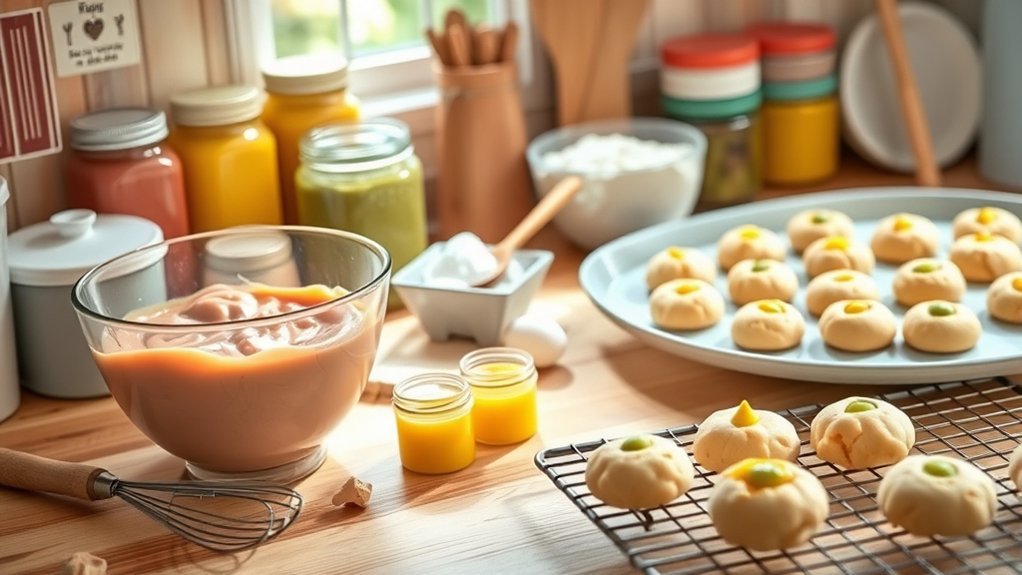
Puree changes both flavor and moisture. The safest approach is to add a small amount first rather than replacing a major ingredient all at once.
- Choose a compatible puree. Pair sweet fruit with breakfast foods and baked goods, or use vegetable and meat purees in savory dishes.
- Add a measured amount. Mix in the puree before deciding whether the recipe needs more liquid.
- Check the texture. Batter should pour or scoop as the original recipe describes. Meat mixtures should hold their shape.
- Adjust gradually. Add liquid one tablespoon at a time if the mixture is too thick, or add an appropriate dry ingredient if it is too loose.
- Cook and store safely. Follow the original cooking method, verify meat temperatures, and refrigerate leftovers promptly.
Practical Starting Amounts
The following amounts are starting points rather than universal substitutions. Purees vary in thickness, and recipes absorb moisture differently.
| Recipe | Starting Amount | Adjustment |
|---|---|---|
| Pancakes or waffles | 2–4 tablespoons per cup of dry mix or flour | Use slightly less milk if the batter becomes runny |
| Muffins or quick bread | 1/4–1/2 cup in a standard batch | Reduce another liquid modestly and check doneness before removing from the oven |
| Sauce, soup, or chili | 2–4 tablespoons per 2 cups | Add more only after tasting and checking thickness |
| Oatmeal or yogurt | 1–2 tablespoons per serving | Thin with water, milk, or formula only when appropriate for the person eating it |
| Smoothie | 2–4 tablespoons per serving | Reduce other fruit or liquid if the smoothie becomes too sweet or thin |
| Meatballs or burgers | 1–2 tablespoons per pound of ground meat | Add breadcrumbs or another binder if the mixture will not hold together |
Fruit puree can provide natural sweetness in muffins and cakes, but replacing all the sugar may affect browning, structure, and texture. Applesauce can sometimes replace part of the oil in a forgiving recipe, but it is not a dependable one-for-one substitute in every cake or bread.
Vegetable puree can increase moisture in pancakes and casseroles. Carrot puree also works in carrot cake, while zucchini, pumpkin, or sweet potato can add body to quick breads. If the batter becomes heavy, use less puree in the next batch rather than extending the baking time excessively.
Meat puree can add moisture to meatballs and burgers, but too much can make them difficult to shape. Chill a soft mixture briefly or add a small amount of breadcrumbs before forming it.
Puree works best as a measured moisture and flavor ingredient—not as an automatic one-for-one replacement for oil, sugar, eggs, or dairy.
Best Ways to Store and Use Leftover Baby Food
Storage time depends on the food. According to FoodSafety.gov’s baby-food storage guidance, opened or freshly made purees should be refrigerated at 40°F (4°C) or colder and used within the limits below.
| Baby Food Type | Refrigerator | Freezer |
|---|---|---|
| Strained fruits and vegetables | 2–3 days | 6–8 months |
| Strained meats and eggs | 1 day | 1–2 months |
| Meat-and-vegetable combinations | 1–2 days | 1–2 months |
| Homemade baby food | 1–2 days | 1–2 months |
Keep the food in a clean, tightly sealed container and label it with the food type and storage date. Follow a shorter time printed by the manufacturer when the package directs you to do so.
Freeze clean, unused puree in small covered containers or ice cube trays so you can thaw only what you need. Once frozen, move the portions to a dated, freezer-safe container. Thaw frozen puree in the refrigerator rather than leaving it on the counter.
Do not save puree from a feeding dish. The FDA advises caregivers not to feed directly from a jar and then refrigerate it because saliva on the spoon may contaminate the remaining food. Transfer one serving to a clean dish and keep the rest untouched.
Pro Tip: Portion the amount needed for feeding before the spoon reaches the baby’s mouth. Freeze or refrigerate the remaining clean portion immediately instead of deciding what to save after the meal.
How to Reheat Baby Food Safely
Pureed solid food can be reheated in a microwave when handled carefully. Transfer it from the jar to a microwave-safe dish, heat it briefly, stir thoroughly, let it stand for at least 30 seconds, and test the temperature before serving. It should feel lukewarm, with no hot spots.
FoodSafety.gov recommends heating baby-food meats, meat sticks, and egg products on the stovetop instead of in the microwave because their fat content can contribute to splattering and overheating. Reheat only the amount needed and avoid repeatedly cooling and reheating the same portion.
Delicious Recipe Ideas Featuring Baby Food Purees
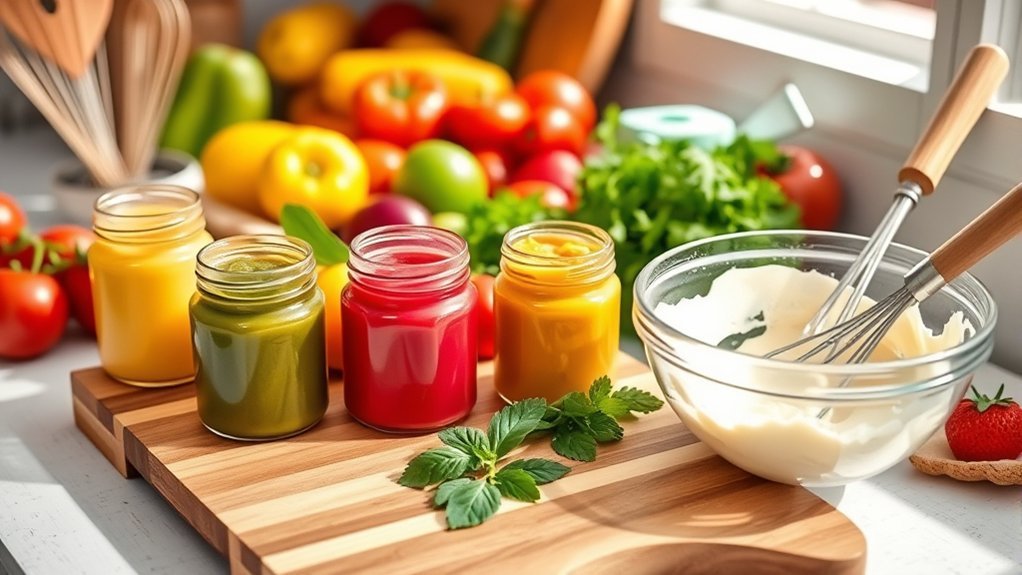
These recipes are flexible starting points. Check every package for allergens and adjust the texture for the person who will eat the food.
1. Sweet Potato Puree Pancakes
Ingredients:
- 1 cup all-purpose flour
- 1 teaspoon baking powder
- 1 egg
- 3/4 cup milk or an appropriate unsweetened alternative
- 1/4 cup sweet potato or carrot puree
- 1 tablespoon neutral oil or melted unsalted butter
Method:
- Whisk the flour and baking powder in a bowl.
- In another bowl, mix the egg, milk, puree, and oil.
- Stir the wet mixture into the dry ingredients just until combined.
- If the batter is too thick to pour, add milk one tablespoon at a time.
- Cook small pancakes on a lightly greased skillet until bubbles form, then flip and cook the second side fully.
For a baby, serve only when the child is ready for the ingredients and texture. Cut or tear the pancake into developmentally appropriate pieces and avoid adding honey for a child under 12 months.
2. Apple-Banana Oat Muffins
Ingredients:
- 1 cup oat flour or finely ground oats
- 1/2 cup all-purpose or whole-wheat flour
- 1 teaspoon baking powder
- 1/2 teaspoon cinnamon
- 1 egg
- 1/2 cup unsweetened apple puree
- 1/2 cup mashed banana or banana puree
- 1/4 cup milk or an appropriate alternative
- 2 tablespoons neutral oil
Method:
- Heat the oven to 350°F and lightly grease or line a muffin pan.
- Combine the oat flour, flour, baking powder, and cinnamon.
- Whisk the egg, apple puree, banana, milk, and oil in a separate bowl.
- Fold the wet ingredients into the dry mixture without overmixing.
- Divide into the muffin cups and bake until the centers are set and a tester comes out clean, about 15–20 minutes depending on muffin size and oven performance.
- Cool before serving.
3. Vegetable Puree Pasta Sauce
Ingredients:
- 2 cups plain tomato sauce
- 1/4 cup carrot, squash, sweet potato, broccoli, or mixed-vegetable puree
- 1 teaspoon olive oil
- Optional garlic, basil, or oregano for an adult or older-child portion
Method:
- Combine the tomato sauce and puree in a saucepan.
- Warm over medium-low heat while stirring.
- Add more puree one tablespoon at a time if you want a thicker sauce or stronger vegetable flavor.
- Set aside an unseasoned portion for a baby before adding salt or strong seasonings to the family portion.
- Serve with pasta, rice, cooked vegetables, or another age-appropriate food.
4. Moist Vegetable-Puree Meatballs
Ingredients:
- 1 pound ground chicken, turkey, beef, or pork
- 2 tablespoons carrot, squash, zucchini, or meat puree
- 1 egg
- 1/3 cup breadcrumbs
- Optional herbs suitable for the people eating the meatballs
Method:
- Mix the meat, puree, egg, breadcrumbs, and optional herbs just until combined.
- If the mixture is too soft to shape, add breadcrumbs one tablespoon at a time.
- Form small, even meatballs and place them on a lined baking sheet.
- Bake at 400°F until fully cooked.
- Use a food thermometer. Ground chicken and turkey must reach 165°F; ground beef and pork must reach 160°F.
For a young child, serve the meat in a soft, developmentally appropriate shape and supervise eating closely.
5. Fruit-Puree Oatmeal or Smoothie
Stir one or two tablespoons of apple, pear, prune, peach, mango, or banana puree into a serving of cooked oatmeal or plain yogurt. For a smoothie, blend two to four tablespoons with fruit and an appropriate liquid.
Use pasteurized dairy products and avoid honey for children under 12 months. Smoothies can be filling, so they should not replace breast milk or infant formula when those remain the child’s primary source of nutrition.
Important Safety Rules When Cooking for a Baby
Babies generally begin complementary foods at about six months when they show developmental signs of readiness. Age alone is not enough. A child should be able to sit with support, control the head and neck, open the mouth when food is offered, and move food back to swallow.
- Use a suitable texture. Begin with smooth, mashed, or pureed food and progress to thicker, lumpier, finely chopped, or ground textures as feeding skills develop.
- Prevent choking. Prepare food in a shape, size, and texture appropriate for the child. Seat the child upright and supervise every meal.
- Do not use honey before 12 months. Honey can cause infant botulism, even when it is mixed into another food.
- Avoid alcohol and caffeine. Adult cocktails, coffee-flavored recipes, energy drinks, and caffeinated ingredients must remain separate from child portions.
- Limit added sugar and sodium. Choose unsweetened puree and lower-sodium ingredients when preparing food for an infant or young child.
- Use pasteurized products. Avoid raw milk, unpasteurized juice, and foods made with unsafe raw or undercooked eggs.
- Check allergens. Read every label, including the puree, flour, milk, egg, breadcrumbs, yogurt, and seasoning packages.
- Cook meat fully. Verify the center with a food thermometer rather than relying on color alone.
Warning: Call the child’s healthcare professional for individualized advice if the child has a known food allergy, severe eczema, swallowing problems, poor growth, a premature birth history, or another medical or dietary concern.
Troubleshooting Puree-Based Recipes
| Problem | Likely Cause | Fix |
|---|---|---|
| Pancake or muffin batter is too thin | The puree added more liquid than expected | Add flour or oats one tablespoon at a time, or use less milk in the next batch |
| Baked goods are heavy or gummy | Too much puree or overmixed batter | Reduce the puree and stir only until the ingredients are combined |
| Sauce tastes strongly of one vegetable | A concentrated or bitter puree was added too quickly | Dilute with more sauce and add puree in smaller amounts next time |
| Meatballs fall apart | The mixture contains too much puree or too little binder | Add breadcrumbs gradually and chill the mixture briefly before shaping |
| The finished recipe is too sweet | Sweet fruit puree was combined with the recipe’s full amount of sugar | Use an unsweetened puree and reduce added sugar modestly in a future batch |
Frequently Asked Questions
Can I use homemade baby food in recipes?
Yes. Use freshly made or properly stored homemade puree that has not contacted a used feeding spoon. Refrigerate homemade baby food for no more than one to two days or freeze it for one to two months under current FoodSafety.gov guidance.
Are there allergens in store-bought baby food?
Some products contain milk, egg, wheat, soy, sesame, peanut, tree nuts, fish, or shellfish. Read the ingredient list and “Contains” statement every time, including when buying a familiar product, because recipes and manufacturing details can change.
How long can I store opened baby food?
Strained fruit and vegetable puree can generally be refrigerated for two to three days. Strained meat or egg puree is limited to one day, meat-and-vegetable combinations to one or two days, and homemade baby food to one or two days. Follow a shorter manufacturer instruction when provided.
Can I mix different baby food flavors together?
Yes. Apple and carrot, pear and squash, or sweet potato and chicken can work well together. When a baby is trying an ingredient for the first time, keep the combination simple enough to identify the ingredient if a reaction occurs.
Is it safe to reheat baby food in the microwave?
Pureed solid food can be microwaved after it is transferred from the jar to a microwave-safe dish. Heat it briefly, stir well, let it stand for at least 30 seconds, and check that it is lukewarm. Heat baby-food meat and egg products on the stovetop instead.
Can puree replace oil, sugar, or eggs?
It can sometimes replace part of the oil or added sugar in a forgiving recipe, but it is not a universal one-for-one substitute. Eggs provide binding and structure that fruit or vegetable puree may not provide. Test a partial substitution before changing the entire recipe.
Can I save baby food after feeding from the jar?
No. A spoon returned to the jar after entering the baby’s mouth can introduce saliva and microorganisms. Discard the remaining food and use a clean serving dish next time so the untouched portion can be stored safely.
Can adults eat baby food in regular recipes?
Yes. Commercial and homemade purees can be used as ordinary recipe ingredients when they have been stored and handled safely. Adult-only additions such as alcohol, caffeine, excess salt, or strong seasonings should be added only after a child’s portion has been separated.
Conclusion
Fruit, vegetable, and meat baby food purees can add moisture, flavor, and convenience to pancakes, muffins, sauces, soups, oatmeal, smoothies, meatballs, and burgers. Start with a measured amount, adjust the recipe gradually, and do not assume that puree can replace every wet ingredient equally.
Most importantly, use only uncontaminated food, follow the correct storage period for the puree type, check allergen labels, and keep each child’s age, feeding skills, and dietary needs in mind. With those safeguards in place, unused puree can become a practical ingredient instead of going to waste.
Sources
- FoodSafety.gov: Children Under Five — baby-food storage limits, microwave precautions, refrigeration, and food-safety steps.
- FDA: Once Baby Arrives — spoon contamination, direct feeding from jars, storage, freezing, and reheating precautions.
- FDA: Food Allergies — the nine major food allergens and packaged-food labeling requirements.
- CDC: Foods and Drinks to Avoid or Limit — honey, added sugar, sodium, caffeine, unpasteurized products, and other infant-feeding precautions.
- CDC: Tastes and Textures — developmentally appropriate puree, mashed, lumpy, chopped, and ground textures.
- CDC: Safer Food Choices for Children Under Five — safe meat temperatures, pasteurization, eggs, produce, and foodborne-illness prevention.