
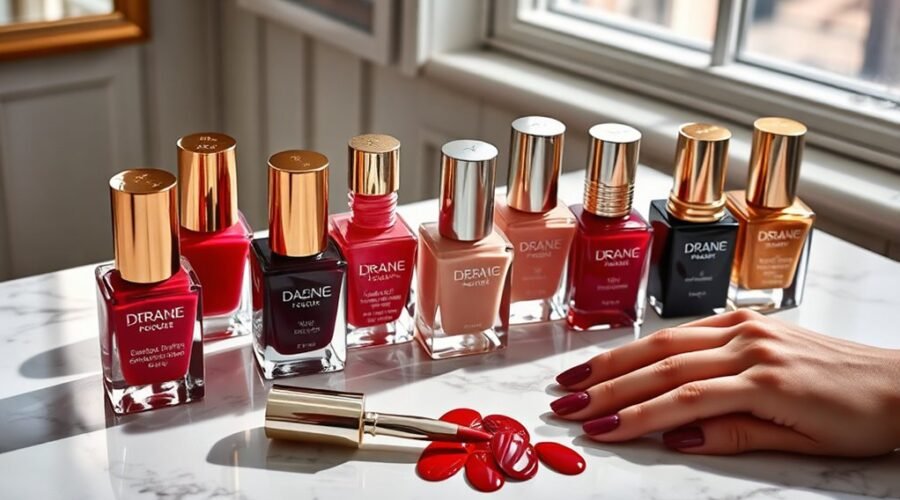
The best nail polish brands for beginners combine a forgiving, self-leveling formula with a wide, rounded brush that hugs the cuticle without flooding your skin—making staples like Essie, OPI, Sally Hansen, Zoya, and Olive & June strong places to start. Before buying a dozen shades, matching the right formula type (classic lacquer, gel-like air-dry, or cleaner 10-free) and pairing it with a reliable base and top coat matters far more than spending luxury prices.
Quick Comparison of Popular Nail Polish Brands
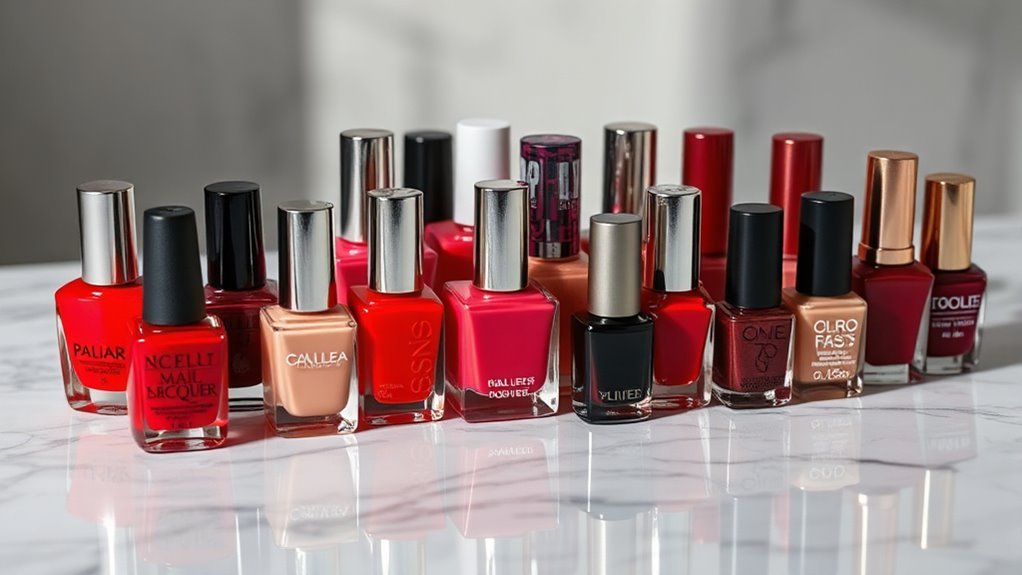
Different brands excel at different priorities—from fast dry times to long-wear shine or vegan formulations. Use this overview to narrow down your first two or three bottles.
| Brand | Category / Tier | Formula Highlights | Best For Beginners Who Want |
|---|---|---|---|
| Sally Hansen | Drugstore | Wide range: Insta-Dri (fast-dry) & Miracle Gel (air-dry 2-step) | Budget-friendly shades and quick drying |
| Essie | Drugstore / Salon | Classic lacquer & Gel Couture air-dry line; wide curved brush | Easy cuticle control, sheer neutrals, and classic reds |
| OPI | Salon staple | Pigmented classic lacquer & Infinite Shine air-dry system | Rich opacity in 2 coats and iconic shade variety |
| Olive & June | Modern drugstore / DTC | Long-wear lacquer with wide brush and optional grip handle | Steady application for shaky or non-dominant hands |
| Zoya | Salon / Clean-leaning | 10-free, vegan-friendly formulas with huge finish library | Sensitive-friendly everyday colors and shimmers |
| CND Vinylux | Salon | 2-step air-dry system (no separate base coat required) | Fewer steps and glossy week-long wear |
| Dazzle Dry | Specialty system | 4-step fast air-dry polymer lacquer (dries in ~5 minutes) | Gel-like hardness with regular-polish removal |
| Chanel / Dior | Luxury | High-gloss fashion shades and sleek packaging | Gift-worthy statement colors (similar wear to salon brands) |
How to Choose the Right Nail Polish Brand as a Beginner
Instead of picking solely by bottle color, check three practical features that decide whether a manicure looks neat or streaky.
1. Brush Shape & Width
- Wide, rounded paddle brushes (e.g., Essie, Olive & June): Fan out smoothly along the curved cuticle line, letting beginners cover a nail in two or three strokes with fewer ridges.
- Medium flat brushes (e.g., OPI): Good balance of coverage and precision for average-to-narrow nail beds.
- Slim round brushes (common in older or budget bottles): Require more strokes, which can create streaks on fast-drying polishes, though they help with very narrow pinky nails.
2. Formula Type: Classic, Quick-Dry, or Gel-Like Air-Dry
Traditional 3-step lacquers (base + color + top coat) are forgiving and easy to remove. Two-step gel-like air-dry lines (such as Essie Gel Couture, Sally Hansen Miracle Gel, or CND Vinylux) deliver plumper gloss without a UV lamp, while specialty air-dry systems like Dazzle Dry harden in minutes and still wipe off cleanly—see our guide on how to remove Dazzle Dry nail polish without soaking if you are curious how it compares to UV gel.
3. Finish & Shade Selection
Cream and sheer jelly finishes are easiest for beginners to apply evenly, while frosty metallics show every brushstroke and chunky glitters take longer to remove. If you want help picking bold shades that flatter your undertone, explore our magenta nail polish color guide for undertone-matching ideas.
Understanding 3-Free, 5-Free & 10-Free Labels
Many nail polish brands advertise clean labels such as 3-free, 5-free, 7-free, or 10-free. Traditionally, 3-free means formulated without formaldehyde, toluene, and dibutyl phthalate (DBP), while higher numbers exclude additional ingredients like formaldehyde resin, camphor, ethyl tosylamide, xylene, or triphenyl phosphate (TPHP).
Keep in mind that these terms are marketing shorthand without one universal legal definition. If you have sensitive skin or past nail reactions, check the full ingredient list, work in a ventilated space, and stop using any polish that causes redness, itching, or irritation.
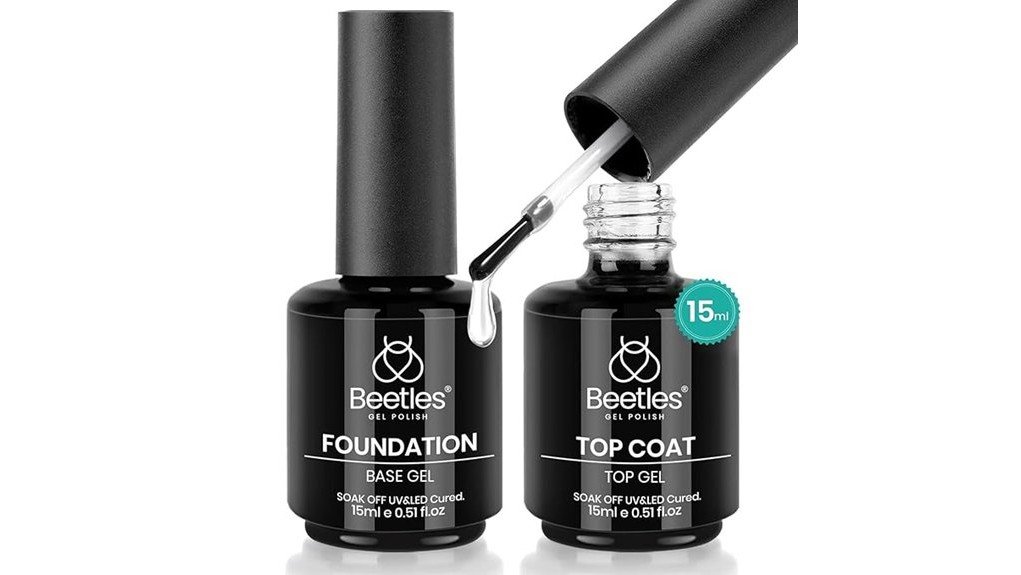
A good base coat and quick-dry top coat usually improve chip resistance more than upgrading from a drugstore bottle to a luxury brand.
Beginner Checklist to Make Any Brand Last Longer
- Dehydrate bare nails first: Swipe each clean nail with rubbing alcohol or polish remover to remove natural oils before painting.
- Use a dedicated base coat: Helps color grip the nail plate and prevents dark reds or blues from staining your nails yellow.
- Float 2 thin color coats: Thick coats trap solvent, dent easily, and peel off in sheets. Wait 2 to 3 minutes between layers.
- Cap the free edge: Lightly run the brush tip across the front edge of each nail with both color and top coat to slow tip wear.
- Finish with quick-dry top coat & daily oil: Once your manicure is dry to the touch, hydrate your surrounding skin regularly—learn what cuticle oil does to prevent dry, peeling nails and help polish stay flexible.
Drugstore vs. Salon vs. Luxury Brands: Pros & Limitations
- Drugstore brands: Widely available, affordable for experimenting with trendy colors, and often include fast-dry options; some budget formulas may need an extra coat for full opacity.
- Salon brands: Consistent pigmentation, smooth self-leveling, and huge shade libraries; slightly higher cost per bottle.
- Luxury brands: Iconic fashion shades and high-end packaging; rarely outlast well-prepped salon lacquers, making them optional splurges rather than beginner necessities.
Frequently Asked Questions
Which nail polish brand is easiest for complete beginners to apply?
Brands with wide, curved paddle brushes—such as Essie, OPI, Sally Hansen Insta-Dri, and Olive & June—are typically easiest for beginners because the rounded brush hugs the cuticle curve and covers most of the nail in one to two strokes.
What do 3-free, 5-free, and 10-free nail polish labels mean?
These labels indicate that a brand excludes specific traditional lacquer ingredients such as formaldehyde, toluene, dibutyl phthalate (DBP), camphor, or formaldehyde resin. Because there is no single legally standardized list across brands, always read the actual ingredient label if you have known sensitivities.
Are expensive luxury nail polishes longer-lasting than drugstore brands?
Not automatically. Wear time depends far more on nail prep, using a quality base coat and quick-dry top coat, and capping the free edge than on bottle price. Many affordable drugstore and salon-tier polishes rival or outperform luxury bottles in chip resistance.
How should beginners store nail polish so it does not thicken?
Keep bottles upright in a cool, dark cabinet with the necks wiped clean and caps screwed on tightly. Avoid storing polish in hot, steamy bathrooms or direct sunlight, and roll bottles gently between your palms instead of shaking them to prevent air bubbles.
How long does a bottle of nail polish last before going bad?
Properly sealed nail polish can stay usable for 1 to 2 years or longer. If a bottle becomes stringy or thick, a few drops of nail polish thinner (never acetone or polish remover) can often restore its smooth consistency; discard bottles that smell off or will not re-blend.


[…] When shopping for high-pigment bottles that level smoothly in two coats, compare formulas in our nail polish brands guide. […]