

If you need a nail polish remover substitute in a pinch, the safest household options for regular air-dry lacquer are a wet coat of clear top coat, 70%–91% rubbing alcohol, alcohol-based hand sanitizer, or a warm white vinegar and lemon juice soak. These DIY alternatives work more slowly than commercial acetone or ethyl-acetate removers and will not dissolve cured gel polish, so use gentle pressure and never substitute harsh industrial solvents.
Safe Nail Polish Remover Substitutes Compared

Regular nail polish dries into a hardened film as its solvents evaporate. A workable substitute either re-introduces a compatible solvent (like clear polish or alcohol) or uses mild acidity and warmth (like vinegar and citrus) to loosen the film enough to wipe away.
| Substitute | Effectiveness on Regular Polish | Safety & Skin Impact | Best Used For |
|---|---|---|---|
| Clear top coat (or wet regular polish) | High (fastest DIY option) | Safe; same solvents as regular polish | Thick or dark air-dry polish |
| 70%–91% Rubbing alcohol | Moderate | Safe, but drying on skin and cuticles | 1–2 thin coats of regular polish |
| Alcohol-based hand sanitizer | Low to Moderate | Safe; drying if used repeatedly | Travel or quick emergency touch-ups |
| White vinegar + lemon juice | Low to Moderate (requires soaking) | Gentle on nails; can sting open hangnails | People avoiding alcohol or strong fumes |
| High-alcohol perfume / body spray | Low | Drying; fragrance can irritate sensitive skin | Last-resort emergency only |
How to Use Each Safe Substitute (Step-by-Step)
1. The Clear Top Coat Method (Most Effective)
- Paint a generous wet layer: Apply a thick coat of clear top coat (or any light-colored regular nail polish) over one nail at a time.
- Wait 5–10 seconds: Let the fresh solvents soften the dry polish underneath—do not let it dry.
- Wipe firmly right away: Press a sturdy cotton pad or paper towel onto the nail and swipe from cuticle to tip. Repeat once if pigment remains.
2. Rubbing Alcohol or Hand Sanitizer
- Saturate a cotton pad: Soak a pad with 70%–91% isopropyl alcohol or squeeze a pea-sized drop of high-alcohol, fragrance-free hand sanitizer onto the nail.
- Press and hold 20–30 seconds: Holding lets the alcohol penetrate the polish film so you do not have to scrub aggressively.
- Swipe in one direction: Wipe firmly toward the tip and repeat with a fresh pad until clean.
3. White Vinegar + Lemon Juice Soak
- Warm soak first: Soak fingertips in warm soapy water for 5 minutes to soften the polish edges.
- Mix equal parts: Combine equal parts white vinegar and fresh lemon juice in a small bowl.
- Press and wipe: Dip a cotton ball in the mixture, press it onto each nail for 20–30 seconds, and gently wipe off loosened color. Avoid this method if you have cuts or raw hangnails, as citrus acid stings.
4. Perfume or Body Spray (Last Resort Only)
Spritz a high-alcohol fragrance onto a cotton pad rather than directly onto your fingers, press briefly, and wipe. Keep it away from broken skin and wash hands thoroughly afterward to remove fragrance residue.
Unsafe Substitutes You Should NEVER Use
Not every liquid that dissolves paint is safe for human skin or keratin nails. Avoid these hazardous DIY shortcuts:
- Paint thinner, turpentine, or mineral spirits: Toxic fumes and high risk of chemical burns or severe contact dermatitis.
- Gasoline or lighter fluid: Extremely flammable and toxic through skin absorption and inhalation.
- Household bleach or harsh cleaners: Corrosive to skin and cuticles and weakens the nail plate.
- Scraping with metal tools or peeling polish off: Mechanically strips away the top keratin layers, leaving nails thin, chalky, and prone to splitting.
When You Need Real Remover Instead
DIY substitutes only work on standard air-dry lacquer. If you are wearing specialty long-wear systems, check the brand’s instructions—for example, see our guide on how to remove Dazzle Dry nail polish. For UV/LED cured manicures, household substitutes will not break the polymer bond; follow proper soak-off steps in our guide on how to remove gel nail polish.
Post-Removal Care to Prevent Dryness
- Wash hands immediately: Rinse with mild soap and lukewarm water to remove leftover alcohol, acid, or fragrance.
- Rehydrate with oil: Massage nourishing oil into your nails and cuticles—read what cuticle oil does to restore lost lipids after solvent exposure.
- Seal with hand cream: Apply a fragrance-free moisturizer and wait at least a few hours before buffing or repainting.
Pros and Limitations of Polish Remover Substitutes
- Pros: Convenient in travel or late-night emergencies using items already at home, with fewer harsh acetone fumes.
- Limitations: Significantly slower than commercial remover, ineffective on cured gel and heavy glitter, and can still dry out nails if you scrub too hard.
Frequently Asked Questions
Can a nail polish remover substitute remove cured gel polish?
No. Household substitutes like rubbing alcohol, vinegar, or clear top coat only soften regular air-dry nail lacquer. Cured UV/LED gel polish requires filing the shiny top coat and soaking with 100% pure acetone—trying to scrape or peel gel off damages the natural nail plate.
Does toothpaste or baking soda actually remove nail polish?
Toothpaste and baking soda do not chemically dissolve nail polish; they rely on mild mechanical abrasion. Heavy scrubbing can roughen or thin the surface of your natural nail, so solvent-based substitutes like clear top coat or rubbing alcohol are safer first choices.
Which DIY substitute works best on dark or glitter nail polish?
The clear top coat method (painting on wet regular polish and wiping immediately) works best for dark shades, though thick glitter particles still resist most household substitutes. For heavy glitter, buying a real acetone-based remover and using cotton wraps is much safer than aggressive rubbing.
Are DIY nail polish remover substitutes safe on acrylic nails?
Use caution. While rubbing alcohol or vinegar will not dissolve acrylic the way pure acetone does, excessive soaking or scrubbing can weaken polish adhesion and dry out surrounding skin. Always test one nail briefly and moisturize afterward.
Why should you never use paint thinner, bleach, or gasoline on nails?
Industrial solvents and household bleach are not formulated for skin contact. They can cause severe contact dermatitis, chemical burns, respiratory irritation, and extreme nail plate dehydration, and flammable liquids like gasoline pose a serious fire hazard.
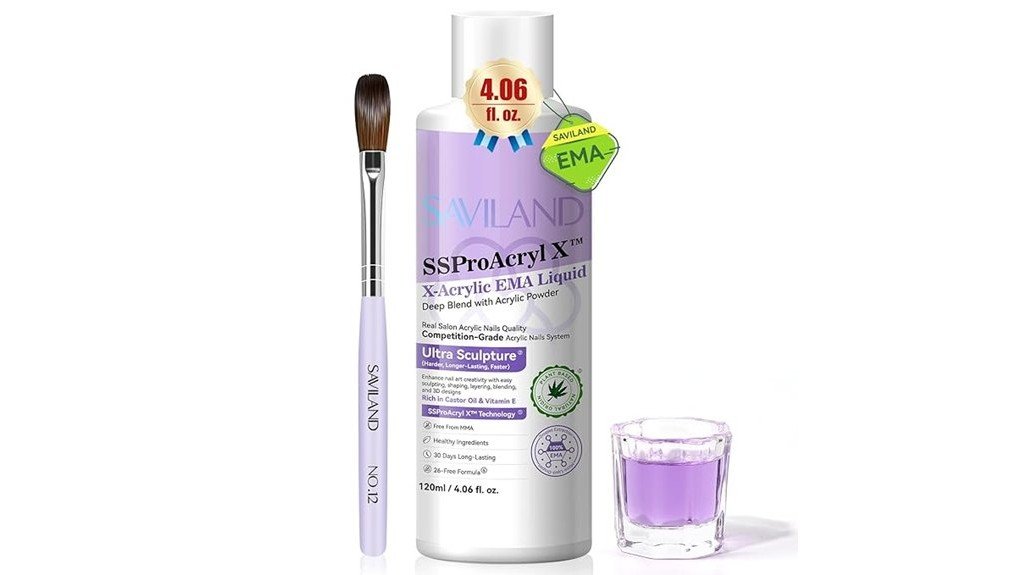
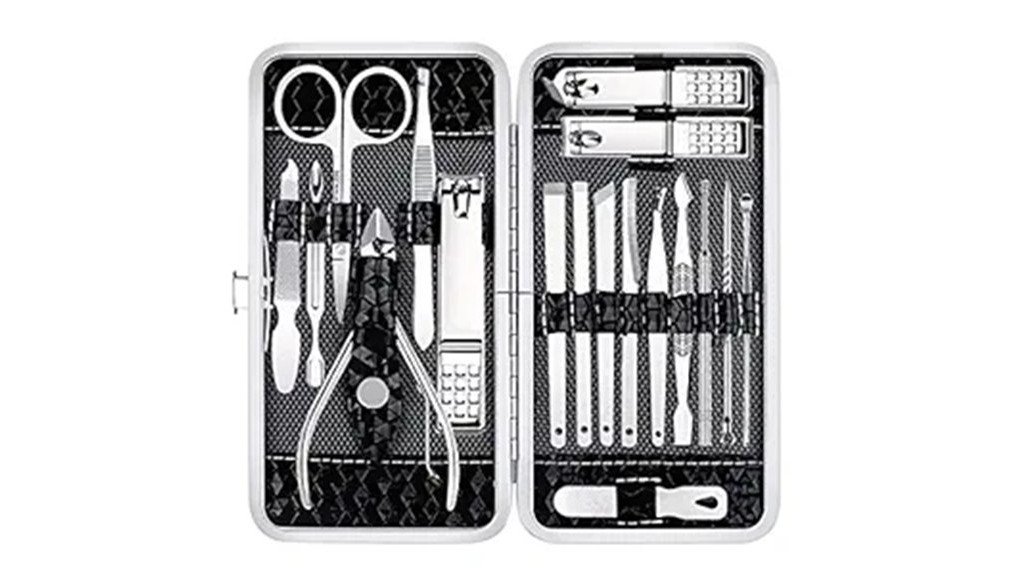
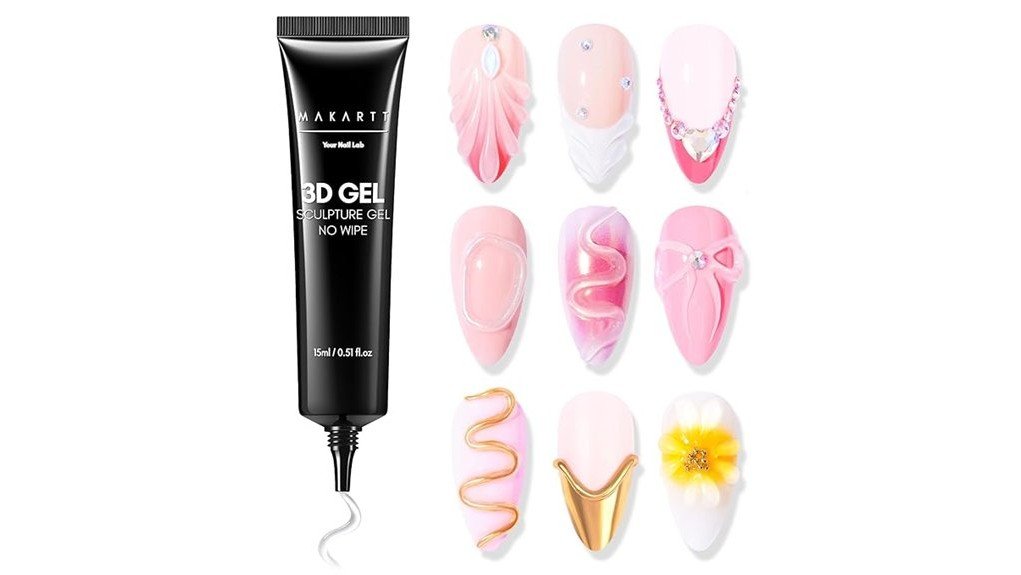
[…] Restores moisture after solvent exposure: Replenishes dryness right after removing lacquer—especially helpful after using acetone or a nail polish remover substitute. […]
[…] comes down to speed versus gentleness. If you are out of standard remover, check our guide to safe nail polish remover substitutes before trying harsh household […]