Ovulation and pregnancy test strips are essential tools for those tracking fertility and pregnancy status. With a 99% accuracy rate, these strips deliver results in just 3-5 minutes. Ovulation strips identify LH surges, while pregnancy strips detect HCG levels. Both require only a urine sample and provide clear visual results. Understanding the differences and proper usage of these strips can enhance their effectiveness. Yet, several common mistakes can lead to inaccurate results. What are these pitfalls?
Key Takeaways
- Ovulation test strips detect LH surges, while pregnancy test strips identify HCG levels for accurate reproductive health monitoring.
- Both test kits feature a high accuracy rate of 99% and deliver results in 3-5 minutes.
- Proper timing and technique are crucial; ovulation tests should be used before ovulation, and pregnancy tests after a missed period.
- Results interpretation includes checking for line intensity; dark lines indicate ovulation or pregnancy, while faint lines suggest retesting.
- Avoid common mistakes like testing inconsistently, using expired strips, or misinterpreting results to ensure reliable outcomes.
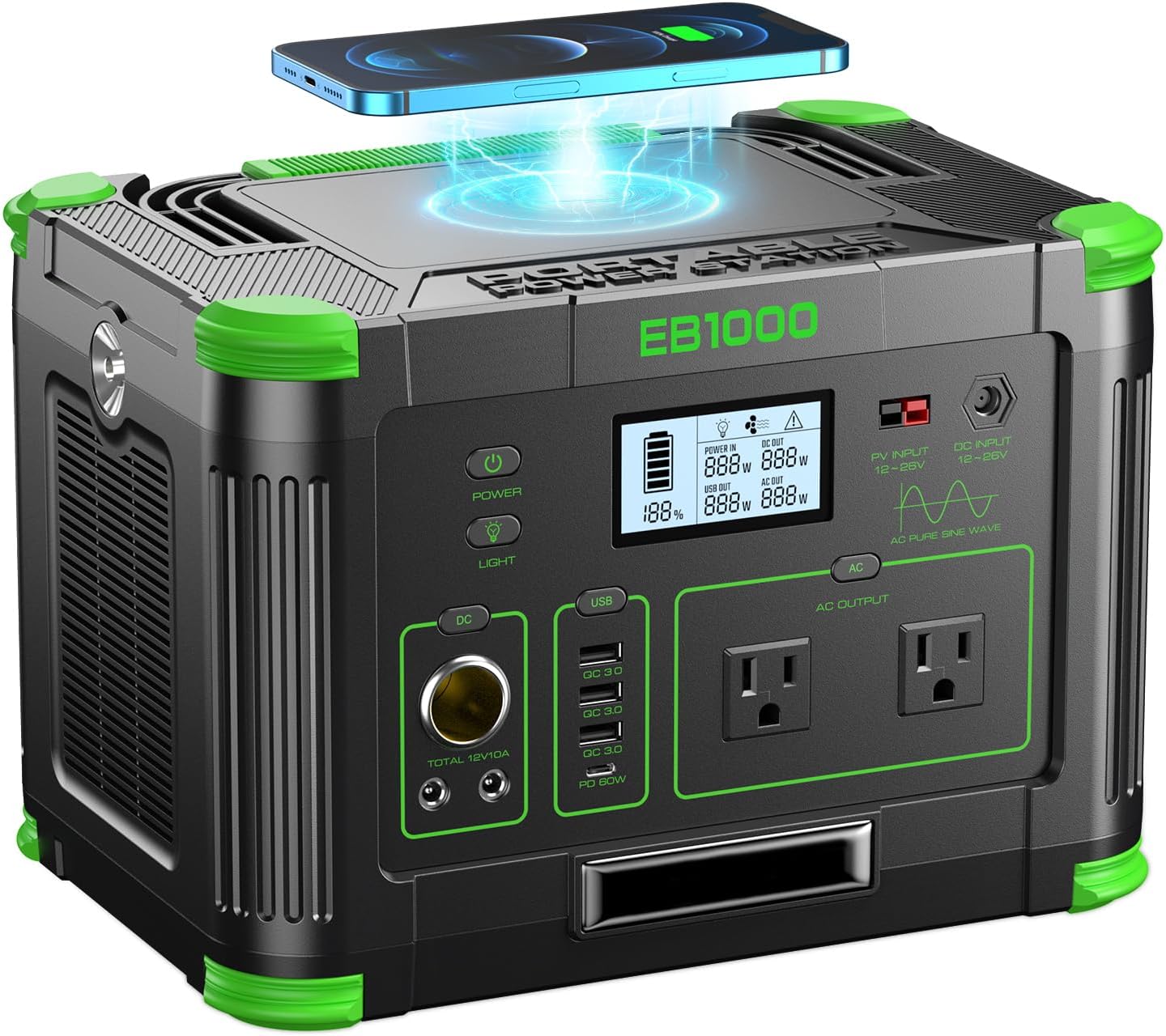
Power your essentials anywhere with a 999Wh pure sine wave power station delivering up to 1000W continuous with 2000W surge. It supports fast charging via USB-C PD 60W and USB-A QC 18W, plus simultaneous output for multiple devices through AC, USB, wireless, and car/DC ports. Recharge using AC, car, or solar with a built-in MPPT controller and dual cooling fans, while the upgraded battery management system protects against surges, short circuits, and overheating.

Specially designed for "Trying to conceive” women to get pregnant naturally :Ovulation tests gives woman greater chance of predicting their most fertile days, even if their cycle lengths are variable

Specially designed for "Trying to conceive” women to get pregnant naturally: easy@Home ovulation tests give women a greater chance of predicting their most fertile days, even if their cycle lengths are variable
What Are Ovulation and Pregnancy Test Strips?
Ovulation and pregnancy test strips serve as essential tools for women monitoring their reproductive health, as they provide a straightforward method to assess fertility and confirm pregnancy.
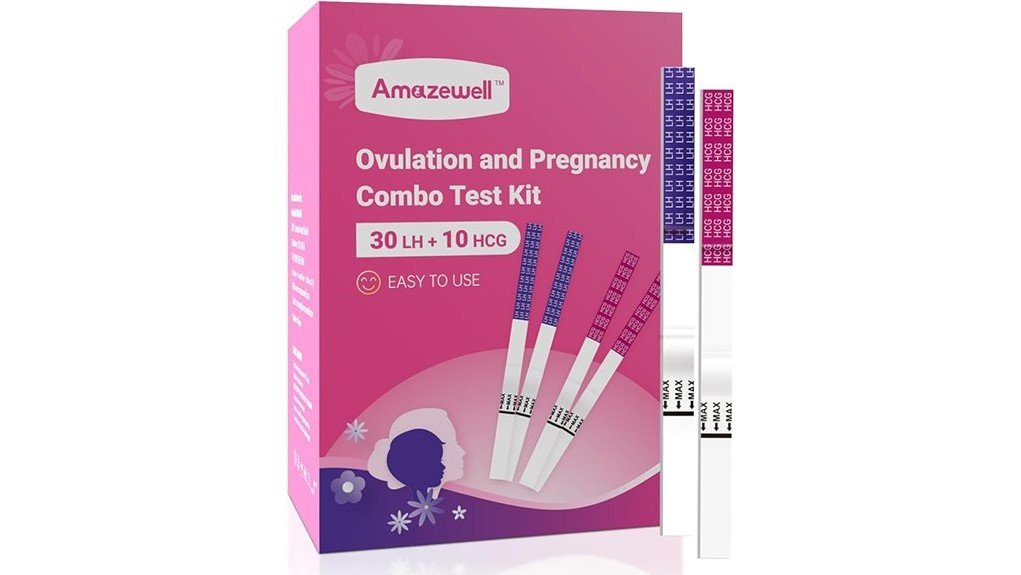
These kits typically include 30 LH test strips and 10 HCG test strips, designed for convenient home use. With an impressive test strip accuracy of 99%, they utilize advanced hormone detection technology to identify low levels of LH and HCG.
Results appear in just 3-5 minutes, with clear colored lines indicating ovulation or pregnancy. Individually foil-sealed for hygiene, these portable strips empower women to take control of their reproductive journeys with confidence.
Comparing Ovulation and Pregnancy Test Strips: Key Differences
When examining the differences between ovulation and pregnancy test strips, it is essential to understand their distinct purposes and functionalities.
The differences explained can be summarized as follows:
- Purpose: Ovulation strips detect LH surges, while pregnancy strips identify HCG levels.
- Timing: Ovulation tests are used during the menstrual cycle; pregnancy tests are for confirming pregnancy.
- Hormone Detection: Each test targets specific hormone levels, ensuring accurate readings.
- Sensitivity: Both tests feature a sensitivity of 25 mIU/mL.
- Result Interpretation: Ovulation tests show LH surge, while pregnancy tests indicate the presence of HCG.
How Can You Use Ovulation and Pregnancy Test Strips?
Utilizing ovulation and pregnancy test strips effectively requires understanding their proper application and timing.
To begin fertility monitoring, users should carefully follow test strip techniques. For ovulation tests, begin testing a few days before expected ovulation, ideally around the same time daily, to capture the LH surge.
For pregnancy tests, wait until at least the first day of a missed period for best accuracy. Each test strip only requires a brief urine sample, making it convenient.
How to Interpret Test Results: Understanding the Lines
Interpreting the results of ovulation and pregnancy test strips is essential for effective fertility monitoring and early pregnancy confirmation.
Understanding test line color and intensity can clarify results:
- Single Line: Indicates no ovulation or negative pregnancy.
- Test Line Faint: Suggests low hormone levels; retest later.
- Test Line Dark: Confirms ovulation surge or positive pregnancy.
- Control Line: Guarantees test validity; always present.
- Both Lines Equal: Indicates peak ovulation or strong pregnancy indication.
What Common Mistakes to Avoid When Using Test Strips?
Many individuals encounter challenges while using ovulation and pregnancy test strips, leading to misinterpretations of results. Common mistakes include improper test timing, which can result in inaccurate readings, and neglecting proper strip storage, potentially affecting efficacy.
| Mistake | Description |
|---|---|
| Test Timing | Testing at inconsistent times may yield false results. |
| Storage Conditions | Exposure to humidity or extreme temperatures can degrade strips. |
| Incorrect Urine Sample | Using diluted urine may lead to inaccurate hormone detection. |
| Reading Errors | Not following instructions can cause misinterpretation of lines. |
| Expired Strips | Using expired strips can result in unreliable outcomes. |
Awareness of these factors enhances accuracy in results.
Frequently Asked Questions
Can I Use These Strips After a Miscarriage?
Following a miscarriage recovery, using these strips is possible, but hormonal changes may affect results. It’s advisable to consult a healthcare professional to guarantee accurate monitoring during this sensitive time and to support emotional wellbeing.
How Should I Store the Test Strips?
How can one guarantee the longevity of test strips? Proper storage conditions—cool, dry places away from direct sunlight—can maximize test strip lifespan, allowing individuals the freedom to track their fertility journey with confidence and ease.
Are There Any Expiration Dates for the Strips?
Yes, test strips have expiration dates, which are significant for maintaining testing accuracy. Using expired strips may lead to unreliable results, potentially hindering personal health decisions, hence regular checks on expiration are essential for effective monitoring.
What if the Test Lines Are Faint?
What do faint lines really mean? They may indicate low hormone levels, affecting test accuracy. It’s essential to retest later or consult a healthcare professional for clarity, empowering women to understand their reproductive health better.
Can I Use These Tests With Irregular Cycles?
Yes, individuals with irregular cycles can use these tests to detect ovulation. While results may vary, they provide valuable insights into fertility patterns, empowering women to take charge of their reproductive health and family planning.
Conclusion
In conclusion, ovulation and pregnancy test strips serve as essential allies in the journey of reproductive health, offering precise insights into fertility and potential pregnancy. With a remarkable accuracy rate of 99% and user-friendly designs, these tools empower individuals to take informed steps in their reproductive journey. By understanding their differences, proper usage, and interpreting results correctly, users can navigate this vital aspect of health with confidence, ensuring clarity in their reproductive choices and enhancing their overall well-being.