Disclosure: As an Amazon Associate, we earn from qualifying purchases. If you click a link on this page and make a purchase, we may receive a small commission at no extra cost to you.
Practicing acrylic application on a real person can make every mistake feel expensive, especially when you are still working on bead control, shaping, filing, and tip placement. The LIONVISON Practice Hand for Acrylic Nails, model nailhand1205, gives you a reusable surface for repeating those skills without needing a live model. Its bendable silicone fingers, internal aluminum supports, clamp-style setup, and tip-locking slots make it more useful than a basic rigid mannequin hand. The main tradeoff is that it still behaves like a training tool rather than a real client’s hand, so positioning and clamp stability may take some adjustment.
Quick Verdict
Rating: 8/10, Recommended with caveats
Best For: Nail students, beginners, DIY nail artists, and technicians who want repeatable acrylic, gel, wrap, painting, filing, and tip-application practice.
Bottom Line: The flexible fingers, secure tip slots, and 200 included practice nails give you a practical setup for repeated training. It is less suitable if you expect the exact resistance, skin feel, and finger movement of a live client.
Key Specifications
| Specification | Detail |
|---|---|
| Brand | LIONVISON |
| Model | nailhand1205 |
| ASIN | B0BRCQXB51 |
| Product type | Reusable nail practice hand |
| Hand material | Silicone |
| Finger support | 3.2 mm built-in aluminum supports |
| Tip retention | Trapezoid-shaped locking slots |
| Included practice nails | 200 |
| Compatible practice | Acrylics, gels, wraps, painting, filing, buffing, and nail-tip application |
| Mounting | Clamps to the edge of a table or desk |
| Package dimensions | 13.82 x 6.34 x 2.01 inches |
| Package weight | 1.43 pounds |
| Best use | Repeated nail-art and application training without a live model |
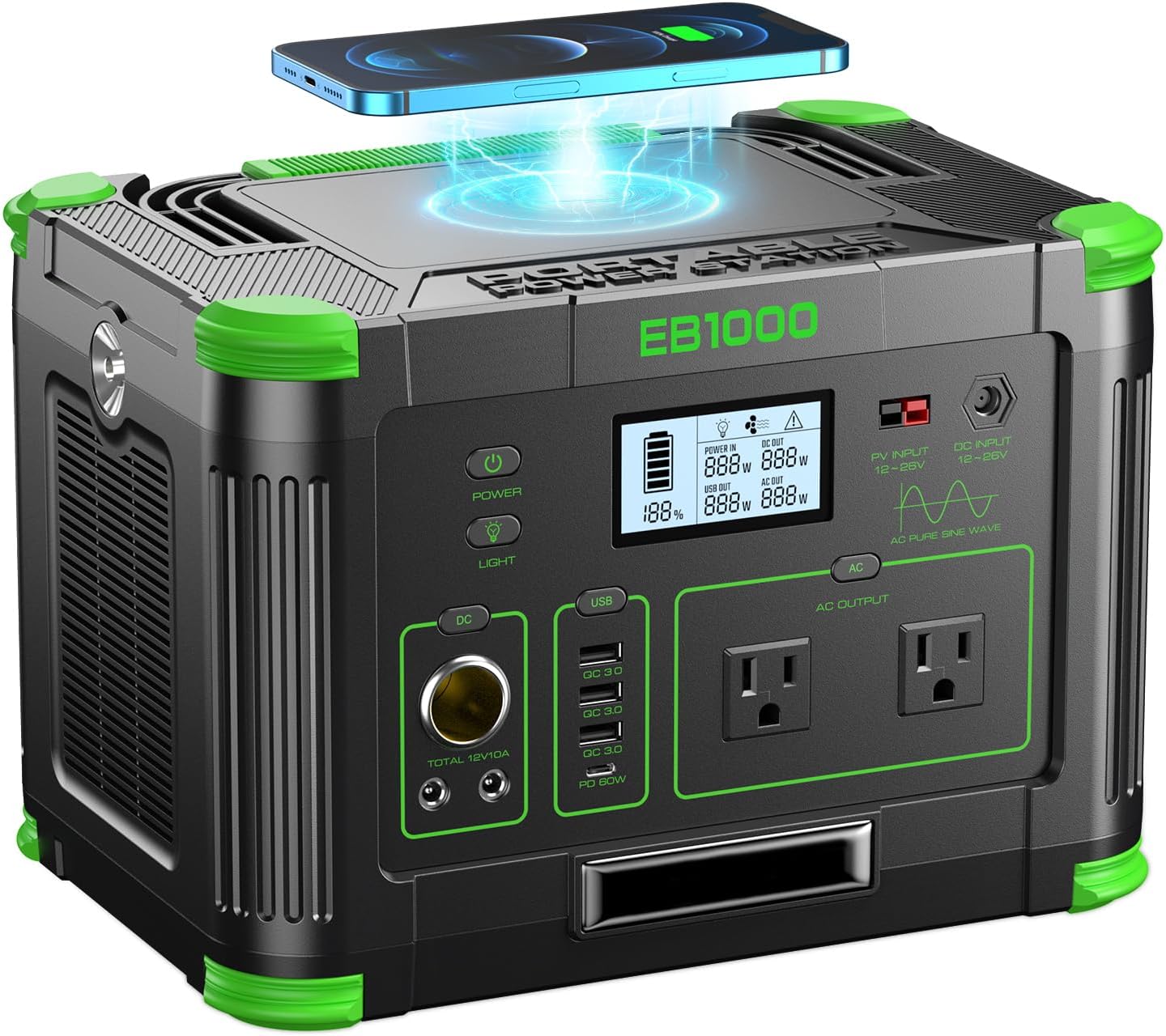
Power your essentials anywhere with a 999Wh pure sine wave power station delivering up to 1000W continuous with 2000W surge. It supports fast charging via USB-C PD 60W and USB-A QC 18W, plus simultaneous output for multiple devices through AC, USB, wireless, and car/DC ports. Recharge using AC, car, or solar with a built-in MPPT controller and dual cooling fans, while the upgraded battery management system protects against surges, short circuits, and overheating.
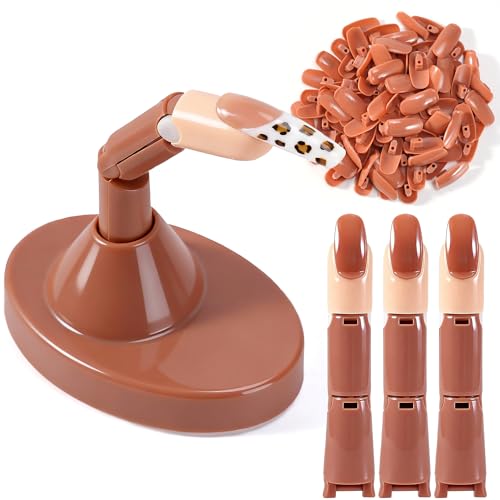
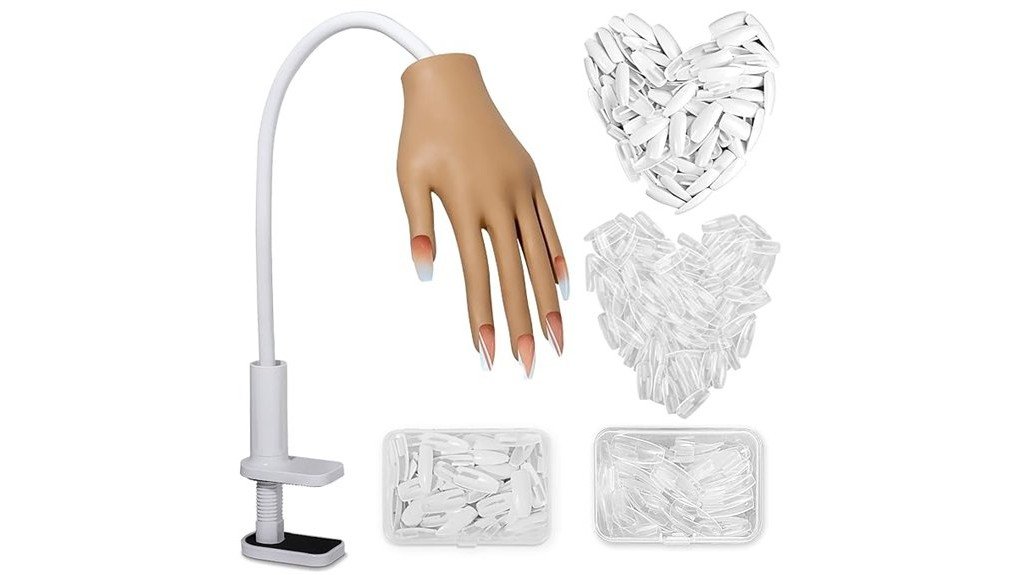
Acrylic Nail Kit Includes : You will receive 3 practice hand finger, 1 finger base stand and 100 brown nail tips, you can switch fingers and nail tips multiple times, enhance your skills through repeated practice, unleash your rich imagination, enough for daily nail art practice

Important !!! LIONVISON factory had improved the quality of this practice nail hand so many times, the nail tips it's very firmly now, it won't come off from the fake nail hand, If the detachable nails still fall off, please try removing the silicone part around the fingers or trimming it (see the detailed picture on our photo page).
What Is the LIONVISON Practice Hand for Acrylic Nails?
The LIONVISON nailhand1205 is a flexible mannequin hand made for nail training. Instead of using a flat practice card or loose nail stand, you get five bendable fingers positioned in a hand shape. This lets you practice working around different finger angles while developing control over acrylic, gel, wraps, polish, filing, buffing, and tip placement.
The listing describes a silicone hand with 3.2 mm aluminum supports inside the fingers. Those internal supports let you bend and reposition the fingers while giving them more structure than unsupported silicone alone. The hand also clamps to the edge of a table or desk so you can work with both hands free.
Another notable feature is the trapezoid-shaped nail-tip slot. It is designed to grip compatible practice tips more securely while you work. The set includes 200 practice nails, giving you a supply for repeated sessions before you need replacements.
Who Should Buy It?
Best For
- Beginners learning acrylic bead placement, shaping, filing, and tip application.
- Nail students who need repeated practice outside class without depending on a live model.
- Experienced nail artists testing designs, gel work, wraps, French tips, ombre techniques, or painting ideas.
Skip If
- You need a training hand that perfectly duplicates the resistance and skin movement of a real person.
- Your desk or work surface cannot accept a clamp securely.
- You only need a simple stand for painting loose press-on nails.
Before You Buy: Check that your workspace has a solid table or desk edge that can hold the clamp. The hand is designed to imitate nail-working positions, but it cannot reproduce every movement or pressure response of a live client’s finger.
Build Quality and Finger Flexibility
The silicone construction is the main reason this model is more useful for technique practice than a hard plastic display hand. You can bend and twist the fingers into different working positions instead of keeping every finger flat and straight.
Inside each finger, the listing specifies 3.2 mm aluminum supports. Their purpose is to connect and reinforce the finger structure while allowing repeated repositioning. That can be useful when you want to practice working on a thumb, sidewall, or angled finger rather than approaching every nail from directly above.
You should still reposition the fingers with controlled pressure. A practice hand is reusable, but repeatedly forcing a joint farther than it naturally wants to move is unnecessary and may shorten its usable life.
Tip Retention and Nail Compatibility
The patented trapezoid-shaped slot is designed to address a common frustration with practice hands: loose tips shifting while you file or apply product. A moving tip can make it harder to judge your pressure and shape accurately.
With this model, you insert the practice nail into the finger slot so the wider shape helps hold it in place. The manufacturer lists the hand for acrylic, gel, and wrap practice, and the supplied tips can also be used for painting, trimming, buffing, and filing exercises.
The seller makes strong claims about tip security, but you should treat the locking system as a training aid rather than a guarantee that every replacement tip from every supplier will fit identically. Tip shape and thickness can vary.
Clamp Design and Workspace Stability
The hand is designed to clamp to the end of a table or desk. This is more practical than holding the wrist with one hand while trying to apply acrylic with the other. Once secured, you can position the fingers and work from a more natural angle.
Clamp performance depends partly on your work surface. A solid, flat edge gives the mount a better chance of staying steady than a rounded, very thick, slippery, or fragile tabletop.
Pro Tip: Clamp the hand before loading a fresh practice tip, then position the finger at the angle you want before applying product. This reduces the need to move the hand while wet acrylic or gel is already on the nail.
How to Use It Correctly
Start by mounting the clamp to a stable surface. Position the wrist and fingers so the hand resembles the angle you normally see when working with a client. Insert a compatible practice nail firmly into the slot before adding product.
For acrylic practice, focus on one skill at a time. You can dedicate one set of tips to bead placement, another to apex building, and another to shaping and filing. For gel or polish, use the separate fingers to compare coating thickness, cuticle-area control, French lines, or design symmetry.
You can also practice complete sets. Working across all five fingers helps you learn how finger position changes your brush angle and filing direction.
Common Mistakes to Avoid
Do not rush directly into advanced nail art if your product placement is inconsistent. Use early sessions to practice tip positioning, controlled product application, sidewall shape, and even filing.
Avoid forcing nail tips that clearly do not fit the slots. Poorly fitting replacement tips may sit at the wrong angle or become difficult to remove.
Also avoid treating the silicone surface as if every nail chemical is automatically safe for it. Keep acrylic liquids, removers, primers, and other products focused on the replaceable practice nails whenever possible.
How It Performs in Real Use
For Beginner Acrylic Practice
The hand is most useful when repetition matters. You can practice the same bead placement or shaping technique across multiple nails without waiting for another person. The included 200 practice nails also give you room to make mistakes and start again.
For Nail Art and Design Testing
The flexible fingers are useful for testing designs that look different depending on viewing angle. You can practice French tips, ombre work, polish application, gel designs, and detailed painting while the nail is positioned more like a real finger.
For Filing and Shaping Practice
The tip-locking slot helps when you need the practice nail to remain more stable during hand filing or controlled e-file practice. You should still use normal tool-safety practices and avoid excessive pressure simply because the practice hand cannot feel discomfort.
For Repeated Training Sessions
The reusable hand makes more sense for ongoing practice than disposable single-use training surfaces. You replace the practice tips rather than the entire hand, while the bendable finger structure lets you repeat different working positions over time.
Benefits for Beginners and Nail Technicians
| Benefit | Beginners | Experienced Users |
|---|---|---|
| Repeatable practice | Repeat basic application without needing a model | Test new techniques before using them on clients |
| Flexible fingers | Learn different working angles | Simulate more challenging finger positions |
| Secure practice tips | Reduce distracting tip movement | Useful during shaping and filing exercises |
| 200 included nails | Plenty of tips for early practice sessions | Supports design testing and repeated drills |
Before You Use It
This is a training accessory, so most of the safety considerations come from the nail products and tools you use with it. Follow the instructions supplied with your acrylic liquid, gel system, adhesive, primer, polish remover, UV/LED lamp, hand file, or electric nail drill.
Use electric files with controlled speed and pressure. A mannequin hand cannot tell you when your technique would create heat, discomfort, or excessive pressure on a real client, so practice should still reflect safe professional habits.
Because the listing identifies the hand as silicone, avoid assuming that every solvent or cleaner is harmless to the surface. Test unfamiliar cleaning products on a small area and follow any care directions supplied with the product.
Cleaning and Maintenance
Remove loose filing dust after each session before it collects around the finger slots and joints. A soft cloth can handle routine surface cleaning, while mild soap and water may be appropriate for general residue if the seller’s care instructions allow it.
Be more cautious with acetone, strong removers, and other solvents. They are useful for nail work but may affect some synthetic materials or finishes. Keeping most chemicals on the removable nail tips instead of the silicone hand makes cleanup easier.
Store the hand in a clean, dry place with the fingers in a relaxed position. Avoid placing heavy objects on top of the hand during storage, which can put unnecessary pressure on the finger structure.
Pros and Cons
Pros
- Flexible silicone fingers allow several working angles.
- 3.2 mm internal aluminum supports reinforce the bendable finger design.
- Trapezoid-shaped slots are designed to hold practice tips more securely.
- Includes 200 practice nails for repeated training sessions.
- Suitable for acrylic, gel, wraps, painting, filing, buffing, and nail-tip practice.
Cons
- The clamp requires a suitable table or desk edge and may behave differently on different surfaces.
- A silicone training hand cannot fully reproduce the movement, resistance, and comfort feedback of a real client.
- Replacement nail tips may require some trial and error if their shape differs from the supplied tips.
Is It Worth the Price?
The LIONVISON practice hand fits best in the budget-friendly training-tool category rather than the category of advanced salon mannequins or full prosthetic training systems. Its value comes from combining a reusable flexible hand, clamp mounting, internal finger supports, tip-retention slots, and 200 practice nails in one setup.
You are likely to get the most value from it if you practice frequently and want to repeat the same techniques without finding a live model each time. A casual user who only paints occasional press-on nails may not need the full hand-and-clamp design.
The main limitation is realism. It can help you improve hand position, product control, shaping, and design work, but live-client practice is still necessary for learning how real fingers move and how clients respond to filing pressure and product application.
How It Compares to Alternatives
LIONVISON also sells other flexible nail practice hands, including models that focus on flexible fingers and deep nail grooves. Alternatives from brands such as Wilfniee use similar realistic silicone-hand concepts with adjustable or portable stands.
The nailhand1205 makes the most sense if the trapezoid tip-locking design, internal aluminum finger supports, clamp mounting, and 200 included practice nails match the way you want to train. If you care more about a different stand style, hand orientation, or tip system, compare those details before choosing.
Frequently Asked Questions
Can you practice acrylic nails on this hand?
Yes. The LIONVISON hand is specifically listed for acrylic practice and can also be used with gels and wraps. You can practice application, shaping, filing, buffing, tip placement, and nail art on the replaceable practice nails.
How many practice nails are included?
The verified Amazon listing states that the set includes 200 practice nails. That gives you enough tips for repeated technique drills, design experiments, and several complete practice sets.
How does the hand keep nail tips from moving?
Each finger uses a trapezoid-shaped slot designed to lock the practice tip more securely during use. This can reduce unwanted movement while you apply product or file, although replacement tips can vary in shape and fit.
Are the fingers bendable?
Yes. The fingers are designed to bend and twist, and the listing specifies 3.2 mm aluminum supports inside them. This lets you practice from different nail-working angles instead of keeping every finger in one fixed position.
Does the practice hand attach to a desk?
Yes. It is designed to clamp to the end of a table or desk so you can use both hands while practicing. A solid, compatible desk edge will generally provide a better working setup than an irregular or fragile surface.
How should you clean the silicone practice hand?
Remove filing dust regularly and use gentle cleaning methods that are compatible with silicone. Be cautious with acetone and strong solvents, and follow the product’s care instructions when available rather than assuming every nail chemical is safe on the hand itself.
Can this replace practicing on real clients?
No. It is useful for repetition, product control, shaping, filing, and design practice, but a silicone training hand cannot provide real-client feedback or duplicate every natural finger movement. Use it as a training step rather than a complete substitute for supervised real-person practice.
The Bottom Line
The LIONVISON Practice Hand for Acrylic Nails, model nailhand1205, is a practical choice if you want repeatable acrylic, gel, wrap, filing, and nail-art practice without relying on a live model for every session. Its strongest features are the flexible silicone fingers, reinforced internal supports, tip-locking slots, desk clamp, and 200 included practice nails, while its main limitation is that no mannequin hand can perfectly reproduce a real client’s finger movement and feedback.
If those training benefits match your needs and your workspace can support the clamp, it earns our 8/10, Recommended with caveats verdict.
Ready to Buy?
Check the latest price, package details, and current product information before you decide.