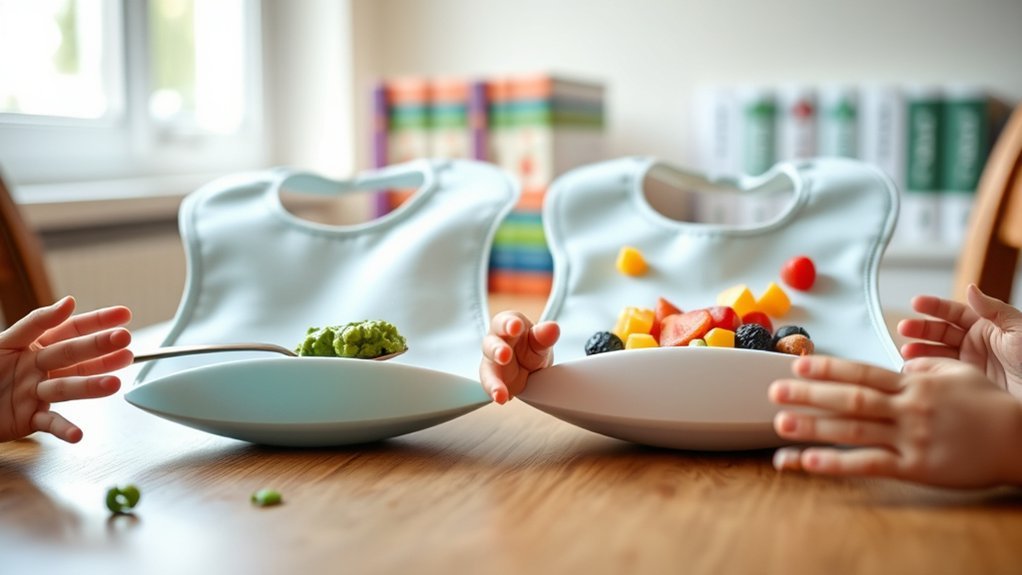
Helping your baby learn to chew is less about giving them harder foods and more about offering safe, developmentally appropriate textures they can practice managing. With baby-led weaning, you can support chewing, tongue movement, self-feeding, and confidence by starting when your baby is ready, preparing foods carefully, and supervising every bite.
Quick Answer
To build chewing skills with baby-led weaning, begin around 6 months when your baby shows developmental readiness. Offer soft foods they can easily mash with their gums, gradually vary the texture, model chewing during family meals, and supervise closely. Avoid hard raw vegetables, whole grapes, nuts, and other choking hazards.
Key Takeaways
- Start solids at about 6 months when your baby can control their head and neck, sit upright with support, bring objects to their mouth, and swallow food rather than automatically pushing it out.
- Choose soft, developmentally appropriate foods rather than deliberately hard foods for chewing practice.
- Cook firm vegetables such as carrots until they can be mashed easily; raw carrot sticks are a choking hazard for young children.
- Let your baby see you chew, give them repeated opportunities to explore textures, and keep mealtimes relaxed and responsive.
- Always supervise eating, keep your baby upright, and know how to respond to choking.
At a Glance
| Time Required | Regular supervised meals and repeated practice over weeks and months |
| Difficulty | Moderate; skills develop gradually |
| Tools Needed | Stable high chair, age-appropriate spoon or cup, and a fork for checking food softness |
| Cost | Usually no special equipment beyond normal feeding supplies and suitable foods |
Warning: Choking can occur with any feeding method. Never give a baby hard raw carrot pieces, whole grapes, nuts, large chunks of meat or cheese, spoonfuls of nut butter, popcorn, or other foods that can block the airway. Keep your baby sitting upright and watch them continuously while they eat. See the CDC choking-hazard guidance for current preparation recommendations.
Note: This article provides general educational information, not individualized medical advice. Babies who were born prematurely or who have known swallowing, neurological, oral-motor, growth, or developmental concerns may need personalized feeding guidance from their pediatrician or feeding specialist.
Understanding Chewing Skills and Their Importance
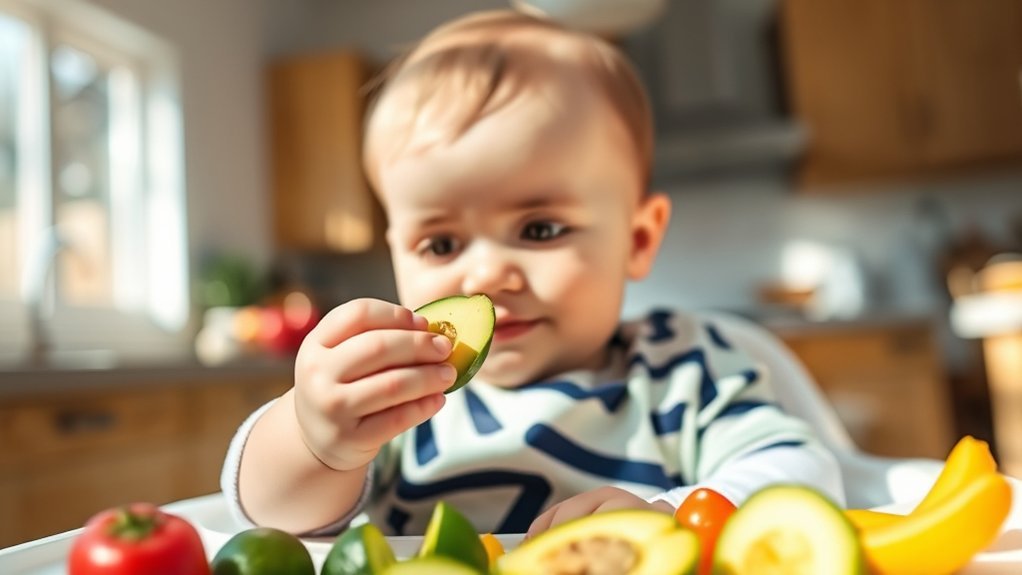
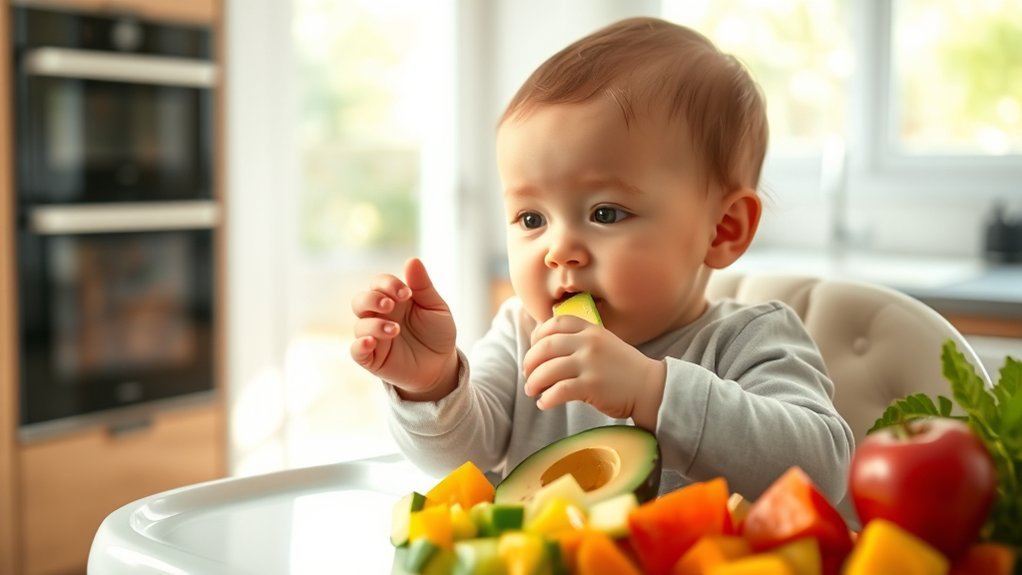
Around the time complementary foods begin, babies start learning how to move unfamiliar textures around their mouths. According to the CDC’s current solid-food guidance, most children can begin foods other than breast milk or formula at about 6 months when they are developmentally ready.
Chewing develops gradually. Early movements may look more like up-and-down munching than an adult chewing pattern. As coordination improves, babies learn to move food with their tongue, bite pieces from soft foods, and eventually chew on both sides of the mouth.
Babies do not need a full set of teeth to start learning these skills. Their gums can manage many foods that are cooked or naturally soft enough for their developmental stage.

Power your essentials anywhere with a 999Wh pure sine wave power station delivering up to 1000W continuous with 2000W surge. It supports fast charging via USB-C PD 60W and USB-A QC 18W, plus simultaneous output for multiple devices through AC, USB, wireless, and car/DC ports. Recharge using AC, car, or solar with a built-in MPPT controller and dual cooling fans, while the upgraded battery management system protects against surges, short circuits, and overheating.

THOUGHTFULLY DESIGNED: The ezpz food cutters make baby-led weaning food prep ezpz! The cutters assist with preparing foods in two essential shapes: finger-length strips and bite-sized cubes.

ESSENTIAL BABY BIB FOR BOYS AND GIRLS – For babies and toddlers 6-24 months; the crumb catcher pocket helps catch spills; making these great baby bibs for eating; long sleeve bib has back tie closure; adjust sleeve length with elasticized cuffs
Check for Readiness Before Advancing Textures
Age is only one part of readiness. Look for skills such as:
- Good head and neck control.
- The ability to remain upright in a supported feeding position.
- Bringing hands and objects toward the mouth.
- Interest in food.
- Swallowing offered food instead of consistently pushing it back out.
If your baby cannot maintain an appropriate feeding position or consistently struggles to swallow even very soft foods, talk with their pediatrician before progressing.
How to Introduce Chewable Foods Safely
Begin with textures your baby can manage without needing to break down hard food. The CDC recommends gradually introducing different tastes and textures as eating skills develop.
Good early options can include ripe avocado, banana, soft-cooked sweet potato, soft-cooked broccoli, well-cooked pasta, scrambled egg, tender shredded meat, or other foods prepared to an appropriate texture.
Pro Tip: Before serving a firm fruit or vegetable, cook it until it is very soft. A simple check is whether you can easily mash it with a fork. Raw carrot sticks, raw apple chunks, and similarly hard foods are not appropriate chewing practice for an infant.
During meals, keep your baby seated upright in a stable high chair or feeding seat. Avoid feeding while your baby is lying down, crawling, walking, riding in a stroller, or distracted. Stay close enough to watch what is happening throughout the meal.
Progress Textures Gradually
You do not need to follow an exact calendar. Instead, respond to what your baby can safely manage.
- Early practice: Smooth, mashed, or softly lumpy foods can help a newly ready eater learn how food moves in the mouth.
- Developing skills: Add thicker mashed foods and appropriately prepared soft finger foods.
- Later progression: As biting, tongue movement, and chewing improve, introduce more variety while continuing to modify hard, round, sticky, or tough foods.
The goal is not to make food progressively harder as quickly as possible. The goal is to give your baby enough challenge to learn without choosing textures that create an unnecessary choking hazard.
Gagging vs. Choking: Know the Difference
Gagging can happen as babies learn to manage new textures. The CDC notes that babies adapting to foods may cough, gag, or spit up. This can be alarming, but gagging should not be treated as proof that a food is safe.
Choking occurs when the airway becomes blocked. A child who cannot breathe, cry, or make normal sounds needs immediate help. Review age-appropriate choking first aid before starting solids; the American Academy of Pediatrics choking-prevention guidance also recommends caregiver CPR and first-aid preparation.
Baby-led weaning does not remove choking risk. Safe food preparation, developmentally appropriate textures, upright seating, and close supervision matter more than simply labeling a feeding method “baby-led.”
Addressing Common Chewing Challenges in Infants
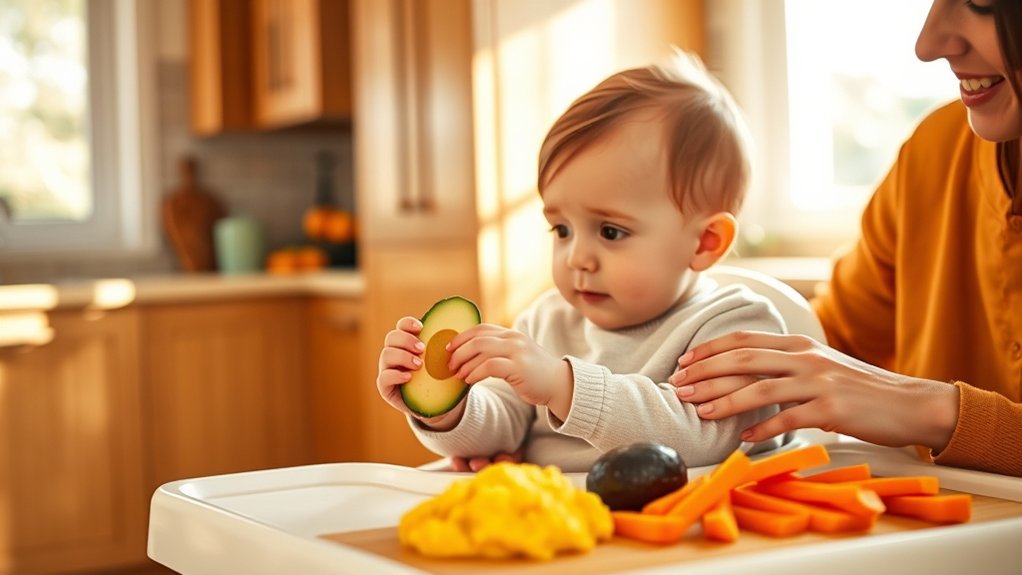
Every baby develops feeding skills at a different pace. Some accept new textures quickly, while others need repeated exposure before they are comfortable with a different consistency.
For a baby who is hesitant, step back to a familiar texture and make a smaller change. For example, move from a smooth mash to the same food with soft lumps rather than jumping directly to a tough or crunchy food.
Repeated exposure can help. Avoid forcing bites, scraping food into your baby’s mouth, or trying to “push through” distress. A calm, responsive approach gives your baby opportunities to practice without turning mealtime into a struggle.
Avoid Using Hard Foods as Oral-Motor Exercises
Raw carrot sticks, jicama sticks, hard apple pieces, and similarly firm foods should not be offered simply to strengthen the jaw. Current CDC guidance lists hard raw vegetable and fruit pieces among potential choking hazards for young children.
If a pediatrician, speech-language pathologist, or occupational therapist recommends a specific oral-motor activity for your child, follow that individualized plan rather than general internet advice.
How to Encourage Your Child to Self-Feed and Chew
Self-feeding gives babies repeated chances to coordinate their hands, mouth, tongue, and jaw. You can support that learning without forcing independence before your baby is ready.
Offer Safe Textured Finger Foods
Offer foods with different safe textures and flavors. Depending on your baby’s skills, examples can include:
- Ripe avocado.
- Soft banana.
- Soft-cooked sweet potato.
- Soft-cooked broccoli florets.
- Well-cooked pasta.
- Scrambled egg.
- Soft shredded or finely prepared meat.
Choose shapes and sizes that match your baby’s ability to grasp and manage food, and modify foods as those abilities change.
Model Chewing Behavior Together
Eating together gives your baby a natural visual example. Let them watch you bring food to your mouth, chew, pause between bites, and enjoy different foods.
| Mealtime Activity | How It Helps |
|---|---|
| Eating together | Provides a natural model for chewing and self-feeding |
| Offering varied safe textures | Builds experience managing different consistencies |
| Pre-loaded spoon | Lets a baby participate while eating soft foods |
| Positive attention | Supports exploration without pressure |
Encourage Exploration and Play
Mess is part of learning. Let your baby touch, squash, smell, and investigate foods while you supervise.
- Offer several colors and appropriately prepared textures.
- Let your baby pick up food independently when they are able.
- Keep the environment relaxed instead of repeatedly directing every bite.
There is usually no need to buy special chewing devices for a typically developing baby. If you are considering an oral-motor therapy tool because your child has feeding difficulties, discuss it with a qualified feeding professional.
Why Food Texture Matters for Chewing Skills
Texture gives your baby information about how food behaves in the mouth. Smooth, mashed, lumpy, finely chopped, and soft finger foods each require slightly different movements.
The CDC notes that exposure to different textures can support chewing and fine-motor development. Start with textures your baby manages successfully and gradually broaden the range as their skills develop.
Avoid confusing “more texture” with “more hardness.” A soft piece of ripe fruit or well-cooked vegetable can provide meaningful chewing practice without the risk posed by a hard raw piece of carrot or apple.
How to Model Chewing Behavior for Your Baby

Babies learn a great deal by watching the people around them. Family meals give you an easy opportunity to demonstrate what eating looks like.
- Eat some of the same foods: Serve yourself a safe version of a food your baby is exploring.
- Chew visibly: Let your baby see the normal jaw and mouth movements involved.
- Keep your pace calm: Pausing between bites models a relaxed eating rhythm.
- Respond rather than pressure: Encourage exploration without requiring your baby to finish a portion.
You can make mealtime social and enjoyable without exaggerating chewing motions to the point that they become confusing or turning every bite into a lesson.
Nutrition Still Matters During Baby-Led Weaning
Chewing practice is only one part of complementary feeding. From 6 to 12 months, breast milk and/or iron-fortified infant formula continues to provide a major share of a baby’s nutrition while solid foods gradually become more important. The CDC emphasizes this gradual transition.
Offer a varied diet that includes nutrient-dense foods rather than relying mainly on fruits and vegetables. Depending on your baby’s needs and preparation method, options can include eggs, meat, fish without bones, beans prepared to a safe consistency, tofu, yogurt without added sugar, and iron-fortified infant cereal.
Baby-led feeding does not have to mean avoiding spoons or mashed foods. A pre-loaded spoon can let your baby participate while eating foods that are difficult or unsafe to serve as finger foods.
When to Seek Professional Help for Chewing Issues
Some coughing, gagging, mess, and hesitation with unfamiliar foods can occur during normal learning. Persistent or severe feeding problems deserve professional attention.
Signs That a Baby May Need More Support
Talk with your baby’s pediatrician if you notice concerns such as:
- Repeated difficulty swallowing appropriately prepared foods.
- Frequent coughing, choking, or significant breathing changes during meals.
- Regular vomiting or marked distress associated with eating.
- Persistent inability to progress beyond a very narrow range of textures.
- Difficulty maintaining an appropriate feeding position.
- Poor growth or concern that your baby is not taking enough nutrition.
- Loss of feeding skills your baby previously had.
Developmental Milestones
Feeding development occurs across ranges, not on exact birthdays. The American Speech-Language-Hearing Association describes self-feeding and early munching skills during roughly 6–9 months, followed by biting from larger soft pieces and beginning to chew on both sides of the mouth during roughly 9–12 months.
| Approximate Stage | Skills You May See |
|---|---|
| Around 6–9 months | Brings food to mouth, begins self-feeding, moves food with the tongue, and uses early munching movements |
| Around 9–12 months | Takes bites from soft foods and begins chewing on both sides of the mouth |
| 12–18 months | Increasing independence with fingers and utensils and improved management of mixed textures |
| Later toddler years | Continued refinement of chewing efficiency and management of tougher textures |
Note: Developmental milestones describe typical ranges, not pass-or-fail deadlines. One delayed skill does not automatically indicate a disorder, but lack of progress across several feeding skills should be discussed with your child’s healthcare team.
Professional Resources Available
Your pediatrician can assess growth, medical history, and overall development. Depending on the concern, they may recommend a feeding evaluation with a speech-language pathologist, occupational therapist, dietitian, gastroenterologist, or another pediatric specialist.
Getting help early is especially important when swallowing safety, growth, pain, or repeated choking is a concern.
Building a Positive Mealtime Routine for Chewing Skills
A predictable routine can help your baby focus on eating. Keep meals calm, seat your baby securely, and remove unnecessary distractions.
Offer food without forcing it. Let your baby decide whether and how much to eat from the foods you provide while you continue meeting their nutritional needs with breast milk or formula and appropriate complementary foods.
Regular family meals can also provide useful social learning. Your baby sees other people chewing, using utensils, drinking from cups, and enjoying a variety of foods.
Engaging Your Child With Fun Food Experiences
Food exploration can be playful without becoming unsafe. Give your baby opportunities to touch and investigate foods during supervised meals.
- Use naturally colorful fruits and vegetables prepared to a safe texture.
- Let your baby touch mashed, lumpy, and soft foods.
- Offer familiar foods alongside new textures.
- Eat together so your baby can watch normal chewing and self-feeding.
Repeated, low-pressure exposure is more useful than trying to make a baby finish a particular food. Some children need many encounters with a texture before they accept it comfortably.
Frequently Asked Questions
Can my baby choke on hard foods during weaning?
Yes. Hard, round, sticky, or tough foods can block a young child’s airway. Raw carrots, raw apple chunks, whole grapes, whole nuts, popcorn, large meat or cheese chunks, and spoonfuls of nut butter are examples that require avoidance or modification. Prepare food for your baby’s developmental skills and supervise every meal.
How do I know if my baby is ready for more texture?
Look at your baby’s skills rather than age alone. A baby who stays upright for feeding, controls their head and neck, brings food to their mouth, moves food around the mouth, and safely manages current textures may be ready for gradual progression. Move slowly if they are struggling.
What foods are best for promoting chewing skills?
Choose foods that provide texture while remaining easy to manage, such as ripe banana or avocado, soft-cooked sweet potato or broccoli, well-cooked pasta, scrambled egg, and other foods prepared to a soft developmental texture. Do not use raw carrot sticks or other hard foods as chewing exercises.
How often should I introduce new textures?
There is no required schedule for texture progression. Give your baby regular opportunities to practice the textures they can safely manage and gradually add more variety as their eating skills improve. A new texture may need to be offered many times before it becomes familiar.
Is it normal for babies to gag while learning to chew?
Gagging can occur while a baby learns to manage new textures. However, gagging does not make a potentially dangerous food safe. Caregivers should learn the difference between gagging and choking and know age-appropriate choking first aid.
Does my baby need teeth before learning to chew?
No. Babies can manage many suitably soft foods with their gums. Food still needs to be prepared for the child’s developmental ability; having teeth does not make hard or high-risk choking foods automatically safe.
When should I ask for a feeding evaluation?
Talk with your child’s healthcare team if there is repeated choking or coughing with meals, difficulty swallowing, persistent vomiting or distress, poor growth, loss of feeding skills, or little progress across several feeding milestones. A pediatric feeding specialist can assess whether additional support is needed.
Conclusion
Building chewing skills through baby-led weaning is a gradual process, not a race toward harder food. Start when your baby is developmentally ready, use soft and safely prepared textures, let them practice self-feeding, and model relaxed eating during family meals. Most importantly, avoid using hard foods as chewing exercises and keep choking prevention at the center of every meal. With repeated, low-pressure practice, your baby can develop greater coordination and confidence as their feeding skills mature.
Sources
- CDC — When, What, and How to Introduce Solid Foods — readiness, complementary feeding, texture progression, and food preparation.
- CDC — Choking Hazards — choking prevention, feeding position, supervision, and high-risk foods.
- CDC — Tastes and Textures — development of chewing and exposure to appropriate food textures.
- American Academy of Pediatrics — Baby-Led Weaning: Is It Safe? — BLW readiness, nutrition, safe food preparation, and supervision.
- American Speech-Language-Hearing Association — Feeding and Swallowing Milestones: Birth to 1 Year — developmental feeding and chewing milestones.
- PubMed — Complementary Feeding Approaches and Risk of Choking: A Systematic Review — evidence comparing choking risk across complementary-feeding approaches.