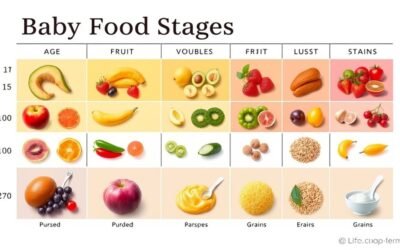
A baby food schedule by age is essential for your child’s nutrition and growth. In the first month, newborns typically feed 8-12 times daily. By 1-3 months, they’ll consume formula or breast milk every 2-3 hours. At 6 months, you can start introducing single-ingredient purees alongside milk. From 6-9 months, balance 4-6 milk feedings with solid meals. Understanding these guidelines helps establish healthy habits. Keep exploring to discover more about adapting schedules and nutritional needs.
Key Takeaways
- Newborns (0-1 month) need 8-12 breastfeedings or 6-10 formula feedings every 1-3 hours, with initial amounts of 1-2 ounces.
- At 1-3 months, maintain 8-12 feedings daily, increasing to 4-5 ounces per feeding every 2-3 hours.
- Start solids at 6 months with single-ingredient purees, offering 1-2 tablespoons, and gradually increasing to 1/4 to 1/2 cup.
- Between 6-9 months, balance 4-6 milk feedings with 2-3 solid meals, introducing various textures and finger foods.
- Monitor for growth spurts at 2 weeks, 6 weeks, 3 months, 6 months, and 9 months, adjusting feeding as necessary.
Understanding the Importance of Baby Feeding Schedules

Understanding the importance of baby feeding schedules is vital, as these routines not only provide structure for your family but also guarantee your little one gets the nutrition needed for healthy growth.
By establishing routines, you foster nurturing bonding moments during feedings, which can enhance emotional connections. Regular feeding times create predictability, supporting sleep routines that help your baby self-regulate and develop social skills.
Establishing feeding routines nurtures bonding and predictability, aiding your baby’s emotional connections and self-regulation skills.
As you monitor your child’s individual feeding patterns, you can effectively accommodate growth spurts and developmental milestones. While it’s important to maintain a general structure, flexibility is key; adapting your schedule to your baby’s hunger cues assures a balanced approach.
Ultimately, a well-planned feeding schedule can positively influence your child’s long-term mental and physical health outcomes.
Newborn Feeding Schedule: What to Expect in the First Month
In the first month, you can expect your newborn to need 8-12 feedings a day, with frequent feedings for breastfed babies.
Initially, they’ll take 1-2 ounces per feeding, increasing to 2-3 ounces by around two to three weeks.
Keep an eye out for signs of hunger and adequate nutrition, like steady weight gain and wet diapers, to guarantee your baby’s well-being.
Feeding Frequency Guidelines
As you welcome your newborn, it’s essential to know that they’ll typically need 8-12 feedings per day if breastfed and 6-10 if formula-fed during their first month.
Feeding intervals range from every 1-3 hours, depending on your baby’s hunger cues.
Here are some key points to remember:
- Breastfeeding challenges: You might face difficulties, but seeking support can help you succeed.
- Formula options: If you choose formula, make sure you pick one that suits your baby’s needs.
- Growth spurts: Your newborn may temporarily increase feeding frequency during growth spurts, signaling their need for more nourishment.
Look for signs of adequate nutrition, like steady weight gain and happy, content moments between feedings.
Typical Feeding Amounts
During the first month, newborns typically consume 1-2 ounces of breast milk or formula every 2-3 hours, totaling about 8-12 feedings each day.
As your baby grows, feeding amounts will likely increase to about 2-3 ounces per feeding by the end of the month.
Keep in mind that breastfed babies often feed more frequently due to faster digestion, while formula-fed infants may have slightly longer intervals.
It’s important to monitor your baby’s nutritional needs by observing steady weight gain and the presence of regular wet or dirty diapers.
As they continue to develop, you’ll notice a shift to around 6-8 feedings per day, aligning with their growing appetite and nutritional requirements.
Signs of Hunger
Recognizing your newborn’s hunger cues is essential for ensuring they receive adequate nourishment. By paying attention to these feeding signals, you can better support their growth and development.
Here are three key hunger cues to look for:
- Rooting Reflex: Your baby may turn their head towards your hand or breast, seeking food.
- Sucking on Hands: If you notice your little one sucking on their fingers or fists, it’s a strong indication they’re ready to eat.
- Smacking Sounds: Listen for smacking or licking noises, as these can signal their hunger.
Responding promptly to these cues is vital, as newborns have small stomachs and need frequent feedings—typically 8-12 times a day for breastfed babies and 6-10 for formula-fed ones.
Feeding Your Baby From 1 to 3 Months: Key Guidelines
From 1 to 3 months, your baby’s feeding schedule will primarily consist of breast milk or formula, typically every 2-3 hours.
You’ll be providing 8-12 feedings daily, with a 2-month-old usually taking about 4-5 ounces per feeding, gradually increasing to 6-8 ounces by 3 months.
It’s crucial to pay attention to your baby’s feeding cues, as they indicate their nutritional needs.
Look for signs like steady weight gain and regular wet or soiled diapers to guarantee they’re getting enough nourishment.
Monitor your baby’s weight gain and diaper output to ensure they are receiving adequate nutrition.
If you have any concerns about their feeding patterns or growth, don’t hesitate to consult a pediatric healthcare provider for personalized guidance.
Your awareness and responsiveness are key to supporting your baby’s healthy development.
How to Transition to Solids at 6 Months?

As your baby approaches 6 months, you’ll notice they’re ready to explore solid foods. To guarantee a smooth change, follow these steps:
- Start with purees: Begin with single-ingredient purees, like iron-fortified baby cereal or mashed fruits and veggies. Offer 1-2 teaspoons initially, gradually increasing to 1-2 tablespoons.
- Monitor for allergies: Introduce new foods one at a time, waiting 3-5 days between each to watch for any food allergies or sensitivities.
- Establish a routine: Offer solids at the same time daily, preferably when your baby is well-rested and hungry, about an hour after breastfeeding or bottle-feeding.
Feeding Schedule for 6-9 Months: Balancing Milk and Solids
While your baby is adjusting to solid foods, it’s crucial to find the right balance between milk and solids during the 6 to 9-month stage. Typically, babies consume breast milk or formula 4 to 6 times a day, alongside 2 to 3 solid meals.
Start with 1 to 2 tablespoons of food, gradually increasing to 1/4 to 1/2 cup as they adapt. Introduce various textures, moving from purees to mashed foods and soft finger foods to promote chewing skills.
Begin with 1 to 2 tablespoons of food, gradually increasing to 1/4 to 1/2 cup, while introducing various textures for chewing skills.
Offer solids about an hour after milk feedings to spark their appetite. If you’re exploring baby led weaning, make sure meal preparation includes foods that encourage independence.
Watch for signs of readiness, like sitting up and showing interest during family meals.
How to Choose the Best Finger Foods for Your Baby?

How can you choose the best finger foods for your baby? It’s crucial to prioritize baby led weaning and finger food safety while selecting suitable options. Start with soft, mashable foods that are easy on your baby’s gums.
Here are three key tips:
- Size Matters: Cut foods into 1-inch cubes to prevent choking and encourage self-feeding.
- Variety is Key: Introduce different textures and flavors gradually, ensuring they’re safe for your baby’s age.
- Nutritional Balance: Offer iron-rich options like cooked beans or finely shredded chicken to meet your baby’s nutritional needs.
Always supervise your baby during mealtime and avoid hard, round, or sticky foods that pose choking hazards.
Toddler Feeding Guidelines After 12 Months
Once your baby turns 12 months old, it’s important to shift their diet towards table foods, ensuring they receive a balanced mix of fruits, vegetables, proteins, and whole grains.
Focus on toddler nutrition by offering three main meals and 1-2 healthy snacks daily, promoting meal variety to help develop their palate.
Whole cow’s milk can be introduced, but limit it to about 16 ounces per day to meet calcium needs without causing issues like constipation or iron deficiency anemia.
Introduce whole cow’s milk at 12 months, limiting to 16 ounces daily to ensure balanced nutrition and avoid potential health issues.
While extended breastfeeding can provide benefits, solid foods should be the primary source of nutrition.
Always monitor your toddler’s eating habits and consult a pediatrician if you have any concerns about their dietary intake or health.
Practical Tips for Fostering Healthy Eating Habits in Babies and Toddlers
Creating healthy eating habits in babies and toddlers is essential for their growth and development, so it’s crucial to introduce a variety of nutritious foods early on.
Here are some practical tips to foster these habits:
- Start with Healthy Food Introduction: Gradually offer single-ingredient purees and then mix textures to encourage acceptance of new flavors.
- Establish Mealtime Routines: Schedule meals when your child is well-rested and interested, creating a calm environment to reduce distractions.
- Encourage Self-Feeding: Provide age-appropriate finger foods and involve toddlers in meal prep to spark curiosity and promote independence.
Limiting sugary snacks and focusing on balanced meals can help meet their nutritional needs, ensuring they develop a positive relationship with food.
Adjusting Feeding Schedules During Growth Spurts
During growth spurts, you might notice your baby showing signs of increased hunger, which means it’s time to adjust their feeding schedule.
Be prepared to offer additional feedings or increase the amount you provide, as their nutritional needs grow.
Staying flexible with your feeding routine during these periods is key to supporting your baby’s rapid development.
Signs Of Growth Spurts
Growth spurts in infants can catch many parents by surprise, often occurring at key developmental milestones around 2 weeks, 6 weeks, 3 months, 6 months, and 9 months.
During these times, you might notice some distinct growth spurt signs, like increased fussiness and feeding frequency changes. Your baby may want to feed more often, and it’s essential to respond to these cues.
Here are three common signs of a growth spurt:
- Increased fussiness: Your baby may seem more irritable than usual.
- Shorter feeding intervals: They might want to feed more frequently.
- Longer feeding sessions: Your baby may take more time at the breast or bottle.
Recognizing these signs helps guarantee your little one gets the nutrients they need.
Adjusting Feed Amounts
As your baby experiences growth spurts, you may notice an increased demand for feedings, prompting you to adjust their feed amounts.
During these periods, which typically occur around 2, 4, 6, and 9 months, it’s common for infants to temporarily increase their intake by 1-2 ounces per feeding.
Pay attention to your baby’s hunger cues and feeding preferences, as they may signal their unique growth patterns.
Monitoring weight gain and diaper output can also help you assess if they’re getting enough nutrition during these phases.
Remember, these growth spurts usually last just a few days to a week, after which you can return to their regular feeding amounts.
Flexibility is essential to meet your baby’s changing needs.
Temporary Schedule Flexibility
When your baby goes through a growth spurt, you might find it necessary to adjust their feeding schedule to accommodate their increased hunger.
During these times, staying flexible is essential. Here’s how to respond to your baby’s feeding cues:
- Increase Frequency: Be prepared for more frequent feedings, especially if your baby shows strong hunger signals.
- Monitor Intake: Pay attention to how much they consume; they may need more milk or formula than usual.
- Check Growth Indicators: Regularly monitor weight gain and diaper output to make sure your baby is getting enough nutrition.
Growth spurts typically occur around 2-3 weeks, 6 weeks, 3 months, and 6 months, so adjust accordingly and trust your instincts!
Consulting Your Pediatrician: When to Seek Professional Guidance
Consulting your pediatrician is essential for ensuring your baby’s healthy shift to solid foods. Always reach out before introducing solids to confirm your baby is developmentally ready and receiving appropriate nutrition.
If you notice your baby isn’t gaining weight or is losing weight, it’s vital to seek pediatric advice on feeding practices. Feeding concerns, like consistent disinterest in food or struggles during mealtime, may indicate underlying issues that need addressing.
Additionally, if your baby has fewer than six wet or dirty diapers daily after the first week, consult your pediatrician to evaluate hydration and nutrition. Regular check-ins can help you get personalized feeding schedules and recommendations tailored to your baby’s growth and nutritional needs, empowering you on this journey.
Frequently Asked Questions
Can I Mix Breast Milk and Formula Feeding?
Yes, you can mix breast milk and formula. Combining them offers the benefits of both, providing essential nutrients from breast milk while ensuring your baby gets enough calories and hydration from formula. Just follow safe preparation guidelines.
How Do I Know if My Baby Is Hungry?
You’ll know your baby’s hungry by observing hunger cues like rooting, smacking lips, or fussiness. Pay attention to their feeding patterns; they’ll help you understand when it’s time to feed and meet their needs effectively.
What Are Signs of Food Allergies in Infants?
If you notice your baby’s skin breaking out in hives or their tiny tummy swelling, it could signal food allergy symptoms. Consulting a pediatrician for infant allergy testing can provide clarity and peace of mind.
How Long Can Breast Milk Be Stored?
You can store breast milk in the refrigerator for up to four days, or in the freezer for six months. Proper breast milk storage maximizes its benefits, ensuring your baby receives ideal nutrition and immunity.
When Should I Start Introducing Allergenic Foods?
Research shows introducing allergenic foods between 4-6 months may reduce allergy risk by up to 80%. Use gradual introduction strategies, starting with one food at a time, to monitor reactions effectively and safely.
Conclusion
In summary, establishing a feeding schedule tailored to your baby’s age is essential for their growth and development. By understanding the key milestones and moving to solids at the right time, you can foster healthy eating habits early on. Isn’t it amazing how these early choices can shape their lifelong relationship with food? Remember, always consult your pediatrician if you have concerns or questions about your baby’s nutritional needs. Your child’s health is worth it!