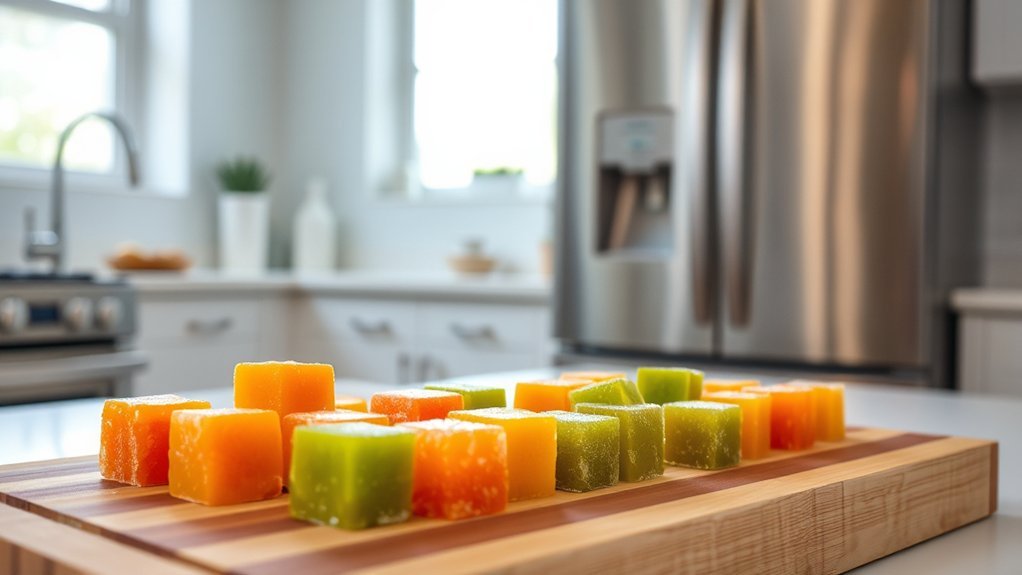
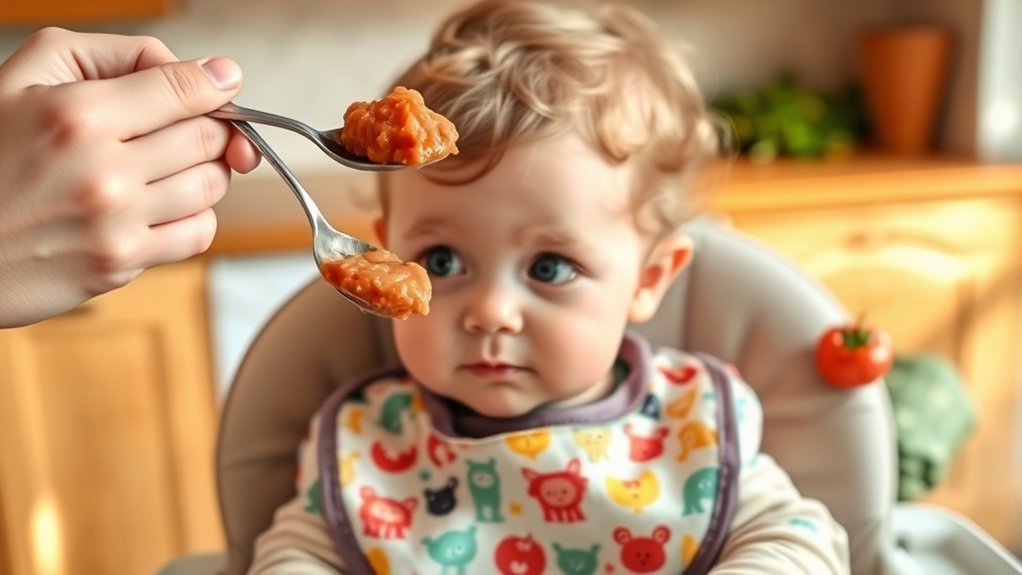
If your baby refuses meat purée, the texture, dryness, temperature, or unfamiliar flavor may be the problem—not meat itself. Most babies need time and repeated, pressure-free chances to explore new foods. You can adjust the consistency, combine meat with a familiar food, or offer another iron-rich option while your baby builds feeding skills.
Quick Answer
When a baby refuses meat purée, make sure they are ready for solid food, then try a softer, wetter texture and a very small serving. Mix the meat with a familiar vegetable or grain, avoid pressure, and keep offering iron-rich foods. Seek medical advice if refusal comes with swallowing trouble, poor growth, pain, or severe distress.
Key Takeaways
- Most babies can begin appropriately prepared meat at about 6 months when they show developmental readiness for solid food.
- A baby does not need mature chewing skills to eat smooth, mashed, shredded, or finely ground meat.
- Make meat moist and soft by blending it with breast milk, infant formula, water, vegetables, beans, or unsweetened yogurt.
- Never force a bite. Offer a small amount, allow exploration, and stop when your baby consistently shows fullness or distress.
- Meat is optional, but babies still need iron-rich foods such as beans, lentils, tofu, eggs, fish, or iron-fortified infant cereal.
- Talk with a pediatrician if your baby coughs or chokes during meals, struggles with many textures, has recurrent vomiting, or is not growing as expected.
At a Glance
| Time Required | 5–10 minutes with cooked meat; longer when cooking from raw |
| Difficulty | Easy |
| Tools Needed | High chair, spoon, fork or blender, saucepan, and food thermometer |
| Cost | Low; a small portion of the family’s unseasoned cooked meat is often enough |
Note: This article provides general feeding information and does not replace advice from your baby’s pediatrician, registered dietitian, or feeding specialist. Babies born prematurely or with medical, developmental, allergy, or swallowing concerns may need an individualized feeding plan.
Signs Your Baby Is Ready for Meat Purees
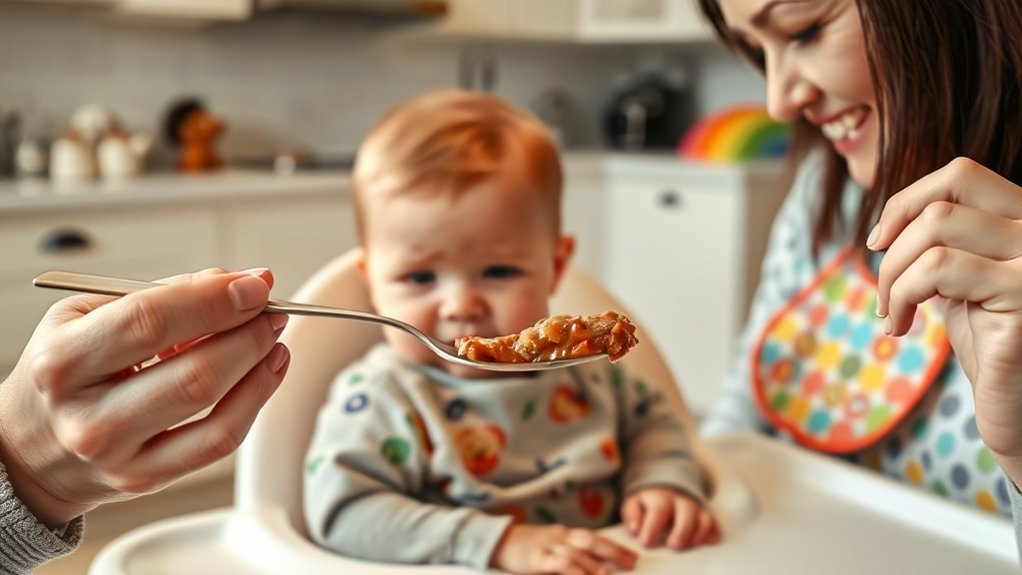
Most babies can begin complementary foods at about 6 months, but age is only part of the decision. According to the Centers for Disease Control and Prevention, your baby should show several developmental readiness signs.
Your baby may be ready when they can:
- Sit upright alone or with support.
- Control their head and neck.
- Open their mouth when food is offered.
- Swallow food instead of immediately pushing it out with their tongue.
- Bring objects to their mouth.
- Move food from the front of the mouth toward the back to swallow.
Doubling birth weight or reaching a specific number of pounds is not a required readiness test. Development, posture, and swallowing ability are more useful signs.
Breast milk or iron-fortified infant formula remains an important source of nutrition during the first year. Solid foods are introduced gradually alongside milk feeds rather than replacing them all at once.

Power your essentials anywhere with a 999Wh pure sine wave power station delivering up to 1000W continuous with 2000W surge. It supports fast charging via USB-C PD 60W and USB-A QC 18W, plus simultaneous output for multiple devices through AC, USB, wireless, and car/DC ports. Recharge using AC, car, or solar with a built-in MPPT controller and dual cooling fans, while the upgraded battery management system protects against surges, short circuits, and overheating.

CONVENIENT BABY FOOD: Our beef baby food jar is designed for ease and convenience. These jars of baby food are made in a portable and easy-to-store format for busy parents

EASY HOMEMADE PUREES: Make fresh, wholesome baby food by hand without cords or noise, perfect for quick meals at home or while traveling. Simple manual operation lets you control texture for growing appetites, supporting smoother transitions from soft to slightly thicker foods.
Why Iron-Rich Foods Matter
At about 6 months, babies need dependable sources of iron in addition to breast milk or formula. Meat can be helpful because it provides heme iron, which the body absorbs more easily than the non-heme iron found in plants.
The CDC’s infant iron guidance lists red meat, poultry, seafood, and eggs as sources of heme iron. Iron-fortified infant cereal, tofu, beans, lentils, and dark green vegetables supply non-heme iron.
Your baby does not have to eat meat to meet their nutritional needs. However, if meat is refused, regularly offer another iron-rich food rather than replacing it only with yogurt, cheese, or fruit. Pairing plant-based iron with a vitamin C-rich food such as tomato, broccoli, berries, sweet potato, or fruit can help the body absorb it.
Refusing meat is not automatically a nutrition problem, but babies still need regular access to iron-rich foods in a texture they can safely manage.
Why Do Babies Refuse Meat Purees?
A baby may reject meat purée even when they happily eat fruit, vegetables, or cereal. Meat often has a stronger aroma and can become thick, grainy, stringy, or dry after blending. The refusal may be about that preparation rather than the ingredient.
The Texture Does Not Match Their Current Skills
A baby does not need a mature rotary chewing pattern to eat smooth purée, mashed meat, or finely ground meat. However, the food must match the skills they have now.
New eaters often manage a thin, smooth consistency more easily. As their oral skills improve, you can gradually offer thicker purées, soft mashed foods, moist ground meat, tender shreds, and developmentally appropriate finger foods.
Some coughing, gagging, or spitting up can occur while a baby learns to manage new textures. Frequent coughing, choking, breathing changes, or distress during meals needs medical attention rather than repeated practice at home.
The Meat Is Too Dry, Thick, or Grainy
Chicken breast and lean turkey can become especially dry when blended without enough liquid. Beef and pork can feel grainy if connective tissue or firm pieces remain.
Try adding enough breast milk, prepared infant formula, water, unsalted cooking liquid, vegetable purée, or plain unsweetened yogurt to create a soft and moist texture. Remove skin, visible gristle, bones, and hard pieces before blending or serving.
The Flavor, Temperature, or Timing Is Unfamiliar
Your baby may dislike meat that is cold, strongly flavored, or served when they are tired, already full, teething, or overstimulated. A very large spoonful can also feel overwhelming.
Offer one or two small tastes when your baby is alert and comfortably hungry. Warm food only to a safe, lukewarm temperature and test it before serving.
Your Baby Is Communicating Fullness
Turning away, closing the mouth, pushing the spoon away, slowing down, or becoming distracted can mean your baby has had enough. Refusing a bite at the end of a meal does not necessarily mean they dislike meat.
Respect those signals and try again at another meal. Pressuring, distracting, or repeatedly putting the spoon back into a closed mouth can make the food feel less safe and enjoyable.
How to Help Your Baby Accept Meat Purees

-
Begin with a very small serving. Place one or two teaspoons beside a familiar food instead of filling the bowl with meat.
-
Make the texture moist. Blend or mash the meat with enough liquid to prevent a dry, sticky, or crumbly consistency.
-
Use a familiar pairing. Mix a small amount with sweet potato, squash, peas, lentils, avocado, oatmeal, or another food your baby already accepts.
-
Let your baby explore. Allow touching, smelling, licking, or self-feeding from a preloaded spoon when developmentally appropriate. Exploration still counts as useful exposure.
-
Avoid pressure. Offer the food, but let your baby decide whether and how much to eat. Stop when they repeatedly turn away, close their mouth, or become upset.
-
Try another preparation later. A baby who refuses smooth chicken purée may accept moist ground beef, soft shredded chicken thigh, mashed fish, or meat mixed into beans or vegetables.
Pro Tip: Dark-meat chicken or turkey often stays moister than breast meat. Blend a teaspoon of cooked meat into a larger amount of familiar purée, then slowly increase the proportion over several meals.
Repeated exposure can help, but there is no universal number of attempts that guarantees acceptance. Keep the experience neutral. A skipped bite or rejected meal is not a failure.
How to Prepare Meat Puree Safely
Cook raw meat completely before serving it to a baby. Color alone does not confirm that meat is safe, so use a food thermometer and follow the FoodSafety.gov minimum-temperature chart.
- Poultry, including ground poultry: 165°F (74°C).
- Ground beef, pork, lamb, or veal: 160°F (71°C).
- Whole cuts of beef, pork, lamb, or veal: 145°F (63°C), followed by a three-minute rest.
- Fish: 145°F (63°C), or until the flesh is opaque and separates easily.
After cooking, remove all bones, skin, gristle, and hard or fatty pieces. Chop, mash, shred, grind, or blend the meat to match your baby’s feeding ability. Add liquid as needed so the texture is soft and easy to move around the mouth.
Warning: Seat your baby upright and supervise every bite. Do not offer tough or large chunks of meat, meat with bones, round sausage slices, whole nuts, or thick spoonfuls of nut butter. The CDC identifies these foods as choking hazards for young children.
If your baby cannot breathe, cry, cough effectively, or make a sound, or if their skin turns blue or gray, treat it as a choking emergency and call 911. The American Academy of Pediatrics provides additional guidance on choking prevention and emergency signs.
Iron-Rich Alternatives to Meat
If your baby continues to refuse meat, offer a varied diet with another iron-rich food each day. Suitable options may include:
- Iron-fortified infant cereal: Prepare it to a safe consistency with breast milk, formula, or water.
- Beans and lentils: Cook until very soft, then mash or blend. Whole firm beans can be a choking hazard.
- Tofu: Mash soft tofu or serve very soft pieces that match your baby’s skills.
- Egg: Serve fully cooked egg in a mashed or soft texture.
- Fish: Cook thoroughly and check carefully for every bone.
- Nut or seed butter: Thin smooth butter into cereal, yogurt, or purée. Never offer a thick spoonful.
Yogurt and cottage cheese can add protein, fat, calcium, and other nutrients, but they are not strong iron substitutes. Choose pasteurized products and avoid added sugar when possible.
Introducing Allergenic Foods
Egg, fish, dairy, sesame, peanuts, and tree nuts can cause allergic reactions. Current CDC guidance recommends introducing appropriately prepared allergenic foods when other complementary foods are introduced rather than delaying them without a medical reason.
When introducing a new allergen, serve a small amount in a safe texture and watch for symptoms. Hives, swelling, repeated vomiting, wheezing, breathing difficulty, unusual sleepiness, or widespread redness needs prompt medical attention. Call 911 for breathing trouble, severe swelling, collapse, or signs of a serious reaction.
If your baby has severe eczema, an existing food allergy, or a previous reaction, ask their pediatrician or allergist when and how to introduce peanut, egg, or other allergens.
When to Consult a Pediatrician About Feeding
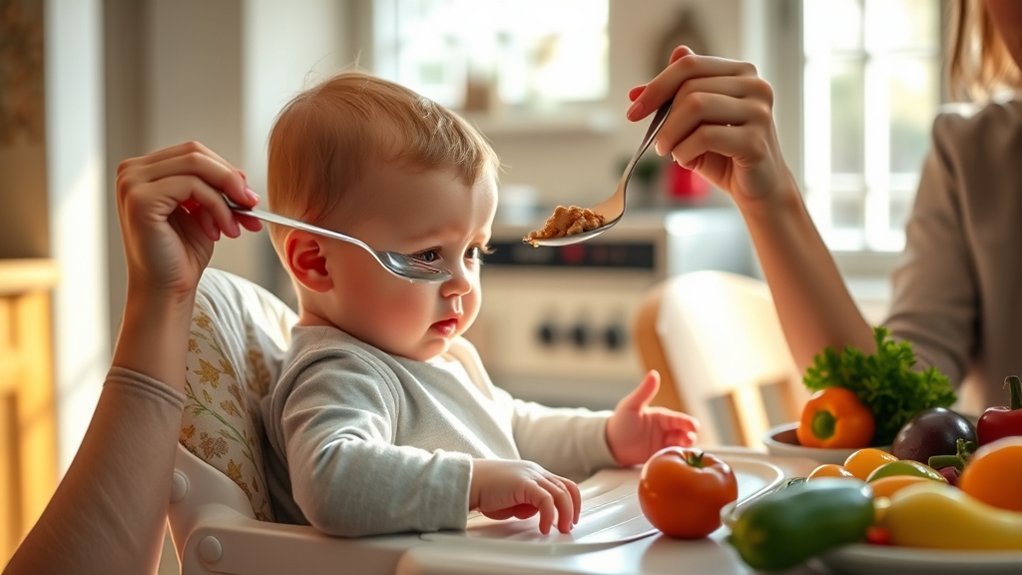
Refusing one meat preparation is usually less concerning than refusing most foods, struggling to swallow, or failing to progress through textures. Contact your baby’s pediatrician if you notice:
- Frequent coughing, choking, gagging, or breathing trouble during meals.
- A wet, gurgly, hoarse, or breathy sound during or after eating.
- Food or liquid repeatedly coming from the nose.
- Recurrent vomiting, obvious pain, arching, or intense crying with feeding.
- Meals that regularly become exhausting or unusually prolonged.
- Refusal of nearly all textures or an inability to move beyond one smooth consistency.
- Difficulty chewing or keeping food in the mouth as skills should progress.
- Poor weight gain, weight loss, reduced energy, or signs of dehydration.
- A very restricted diet that contains few or no dependable iron sources.
The American Speech-Language-Hearing Association lists coughing, gagging, breathing difficulty, restricted textures, recurrent vomiting, long meals, and poor growth among signs that may warrant a feeding or swallowing evaluation.
Your pediatrician may check growth and iron status or refer your baby to a registered dietitian, occupational therapist, or speech-language pathologist with pediatric feeding and swallowing experience.
How to Make Mealtime Fun and Low-Stress
Choose a time when your baby is awake, comfortable, and neither extremely hungry nor completely full. Sit together when possible and let your baby watch other people eat.
Keep the environment calm, but do not use a strict five- or ten-minute deadline. Follow your baby’s signals. Continue while they open their mouth, lean toward the food, reach for it, or remain happily engaged. End the meal when they repeatedly close their mouth, turn away, push food aside, become tired, or show distress.
Allow safe sensory exploration. Touching, squeezing, smelling, licking, or dropping food can be part of learning. You can model eating the same food, but avoid tricking your baby, forcing the spoon, scraping food into their mouth, or using dessert as a reward.
For baby-led weaning, use only soft, developmentally appropriate shapes and textures. For spoon-feeding, let your baby lean toward the spoon and control the pace. Families can also combine both approaches.
Frequently Asked Questions
Can I mix meat with fruits or vegetables for flavor?
Yes. Mixing a small amount of meat with sweet potato, squash, peas, tomato, apple, pear, lentils, or another familiar food can improve moisture and flavor. Begin with more of the familiar food, then gradually increase the meat if your baby accepts the mixture.
How long should I keep offering meat puree?
Continue offering small, pressure-free tastes over time, but vary the preparation. Try smooth puree, moist ground meat, soft shreds, or meat mixed with familiar foods. There is no required number of exposures. Make sure your baby receives iron from other foods while you keep experimenting.
Which meats are easiest for a baby to try first?
Tender chicken thigh, turkey, beef, lamb, pork, or thoroughly cooked fish can all work. The best choice is fully cooked, free of bones and gristle, and prepared in a moist texture your baby can manage. Dark poultry meat often blends more smoothly than lean breast meat.
Is it safe to give a six-month-old baby meat?
It can be safe at about 6 months when the baby shows readiness for solid food and the meat is fully cooked and prepared in an appropriate texture. Sit the baby upright, remove bones and tough pieces, offer a small amount, and supervise continuously.
What texture should I use for meat puree?
New eaters may prefer a smooth, moist puree that falls easily from a spoon. As feeding skills improve, progress to thicker puree, mashed meat, moist ground meat, tender shreds, or soft pieces. Do not serve dry clumps, tough chunks, bones, or round sausage slices.
What if my baby refuses every type of meat?
Offer iron-fortified infant cereal, beans, lentils, tofu, eggs, or fish in safe textures. Pair plant-based iron with vitamin C-rich foods. Ask your pediatrician or a registered dietitian for help if your baby eats very few iron-rich foods or has growth or anemia concerns.
Can I season meat for my baby?
You can use small amounts of mild herbs and spices. Avoid making the food very salty, and do not add honey before 12 months because of the risk of infant botulism. Introduce complex mixtures carefully when they contain a new allergen.
When is gagging a reason to call the pediatrician?
Occasional gagging can happen while a baby learns a new texture. Contact the pediatrician if gagging is frequent, severe, painful, associated with vomiting or breathing changes, or prevents progress with most foods. Call 911 if your baby cannot breathe, cry, cough effectively, or make a sound.
Conclusion
It is normal for a baby to need time to accept the flavor and texture of meat. Start with a small amount, keep it moist, pair it with a familiar food, and avoid pressure. If meat remains unpopular, use other iron-rich foods rather than turning the meal into a struggle.
Pay attention to the bigger picture: safe swallowing, steady growth, a varied diet, and gradual progress with textures matter more than whether your baby eats one specific purée. Contact your pediatrician when refusal is widespread or comes with coughing, breathing changes, pain, vomiting, poor growth, or other feeding concerns.
Sources
- Centers for Disease Control and Prevention: When, What, and How to Introduce Solid Foods — readiness signs, allergen introduction, texture progression, and food preparation.
- Centers for Disease Control and Prevention: Iron — infant iron needs and heme and non-heme food sources.
- Centers for Disease Control and Prevention: Choking Hazards — unsafe meat, nut, nut-butter, and other food forms.
- FoodSafety.gov: Safe Minimum Internal Temperatures — safe cooking temperatures for meat, poultry, fish, and eggs.
- American Speech-Language-Hearing Association: Feeding and Swallowing Disorders in Children — feeding and swallowing warning signs and professional evaluation.
- American Academy of Pediatrics: Choking Prevention for Babies and Children — choking prevention and emergency warning signs.