Iron is one of the nutrients babies need for healthy blood, rapid growth, and early brain development. As natural iron stores begin to fall during the first half-year, breast milk, iron-fortified formula, and developmentally appropriate iron-rich foods all play different roles. The right plan depends on your baby’s age, feeding pattern, birth history, and medical needs.
Quick Answer
Iron helps make hemoglobin, supports brain development, and fuels healthy growth. Babies usually begin iron-rich foods at about 6 months when developmentally ready. Infants aged 7–12 months need 11 mg daily, while children aged 1–3 years need 7 mg. Supplements should be used only with a clinician’s guidance.
Key Takeaways
- Babies aged 7–12 months need 11 mg of iron per day; toddlers aged 1–3 years need 7 mg.
- Offer iron-rich foods from about 6 months, once your baby shows signs of readiness for solids.
- Heme iron from meat and seafood is easier to absorb; vitamin C helps the body absorb non-heme iron from plants and fortified foods.
- Breastfed, formula-fed, mixed-fed, preterm, and low-birthweight babies may need different iron plans.
- Never start or change an iron supplement dose without your child’s healthcare professional.
Medical note: This article provides general nutrition information and does not replace advice from your pediatrician or other qualified healthcare professional. A blood test—not symptoms alone—is needed to diagnose iron deficiency or anemia.
Why Is Iron Essential for Infants and Toddlers?
Iron is a mineral your baby’s body uses to make hemoglobin, the protein in red blood cells that carries oxygen. It also supports neurological development, muscle function, immune function, and normal growth. The Centers for Disease Control and Prevention notes that adequate iron supports a child’s ability to grow, pay attention, and learn.
Babies grow quickly, so their iron needs are high compared with their body size. Full-term newborns are generally born with iron stores, but those stores decline over the first several months. By about 6 months, babies need a dependable source of iron from complementary foods, iron-fortified formula, supplements when prescribed, or a combination of these.
Iron deficiency develops in stages. A child can have low iron stores before anemia appears. Iron-deficiency anemia occurs when iron stores become too low to support normal hemoglobin production. Untreated deficiency can affect energy, attention, behavior, and development.
NIH reports that about 18% of U.S. infants aged 6–12 months have inadequate iron intakes and about 8% of toddlers have iron deficiency.
What You Need to Know About Iron Deficiency Risks
Any child can develop low iron, but risk is higher when iron needs are increased, intake is low, absorption is reduced, or blood loss occurs. Babies born preterm or at a low birthweight may begin life with smaller iron stores. Babies whose birth parent had iron deficiency, children with very rapid growth, and children with certain gastrointestinal or chronic conditions may also need closer follow-up.
Common dietary risk factors include relying on too few iron-rich foods, prolonged use of a low-iron diet, or drinking enough cow’s milk after age 1 that it replaces meals. Cow’s milk should not be used as a main drink before 12 months. After the first birthday, the American Academy of Pediatrics advises limiting milk to no more than 24 ounces per day because milk is low in iron and can reduce appetite for iron-rich foods.
- Preterm birth or low birthweight
- Primarily breastfeeding without an appropriate iron plan
- Limited intake of meat, fortified foods, legumes, tofu, eggs, or other iron sources
- More than 24 ounces of cow’s milk per day after age 1
- Food insecurity, restrictive diets, feeding difficulties, or poor growth
- Conditions that cause blood loss, inflammation, or poor nutrient absorption
Pro Tip: Tell your child’s clinician about prematurity, low birthweight, feeding difficulties, dietary restrictions, heavy milk intake, or a family history of anemia. These details can change the screening and supplementation plan.
How Much Iron in Baby Food Do Babies Need at Different Ages?
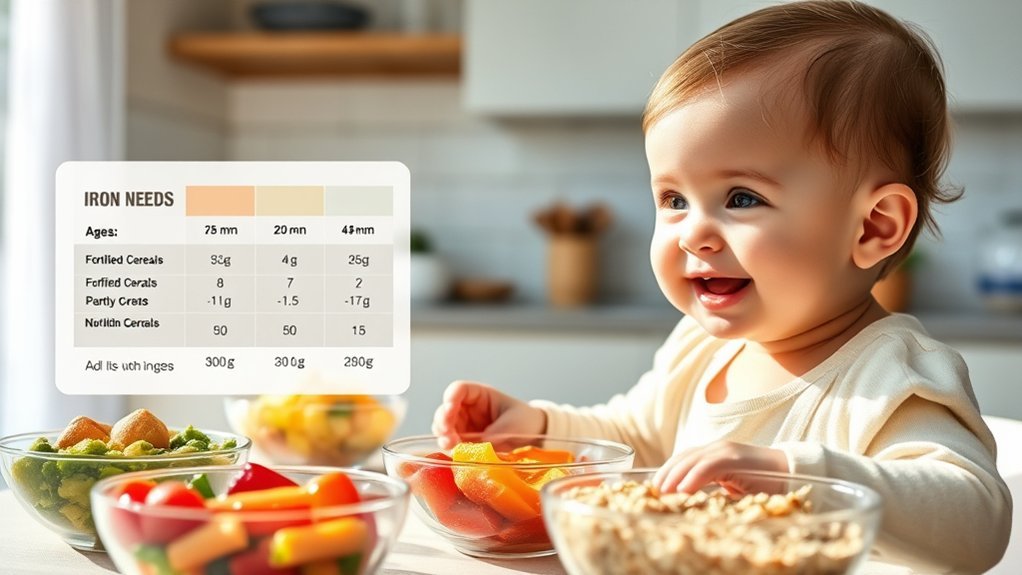
The National Institutes of Health lists the following daily iron intake targets for healthy children. The value for birth through 6 months is an Adequate Intake based largely on the intake of healthy breastfed infants. The values for older babies and toddlers are Recommended Dietary Allowances.
| Age | Daily Iron Target | What It Means |
|---|---|---|
| Birth–6 months | 0.27 mg AI | Needs depend heavily on birth stores, feeding method, and whether the baby was born preterm. |
| 7–12 months | 11 mg | Offer iron-rich foods regularly because growth is rapid and natural stores are declining. |
| 1–3 years | 7 mg | Continue varied iron sources and prevent milk from crowding out solid food. |
These are total daily targets, not amounts that must come from one food or one meal. Iron content varies by brand, recipe, serving size, and preparation method. Check the Nutrition Facts label on fortified cereals and packaged foods rather than relying on a single universal number.
Iron Needs by Feeding Pattern
Breastfed babies: Breast milk contains highly absorbable iron, but the amount is usually not enough to meet increasing needs later in infancy. The AAP has recommended 1 mg/kg/day of oral iron for exclusively or primarily breastfed, full-term infants beginning at 4 months until iron-containing complementary foods are established. Current CDC consumer guidance advises parents to ask their child’s doctor or nurse whether supplements are needed before 6 months. Because timing and dose depend on the child, use drops only under professional guidance.
Formula-fed babies: Standard iron-fortified infant formula can meet iron needs during the first 12 months when used as directed. Do not switch to a low-iron product or cow’s milk without medical guidance.
Mixed-fed babies: The amount of breast milk and iron-fortified formula matters. Ask your clinician whether food alone is likely to meet your baby’s needs or whether supplementation is appropriate.
Preterm or low-birthweight babies: These babies often need a different dose and an earlier start. Their neonatal or pediatric care team should set the plan.
Iron-Rich Food Sources
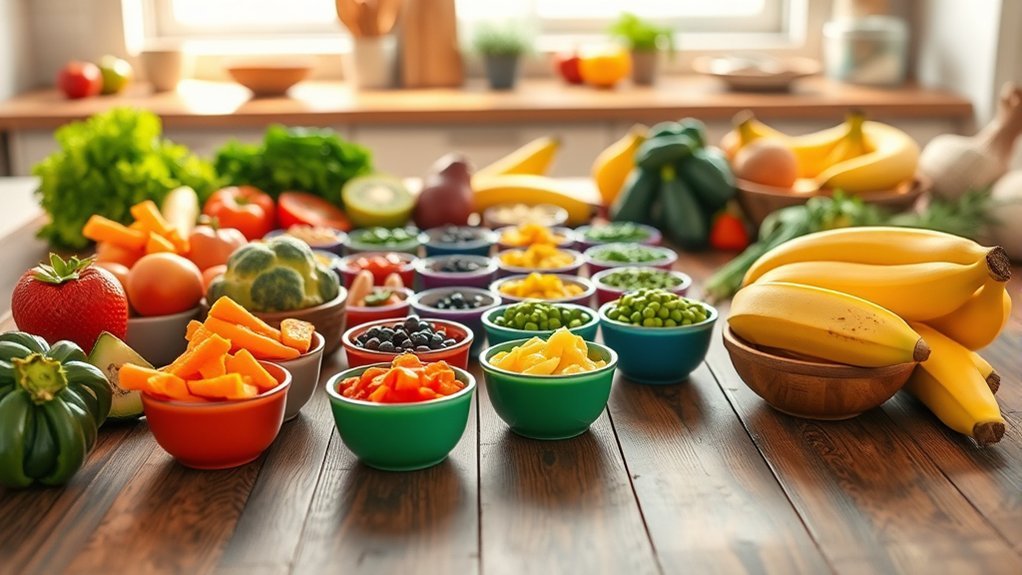
Begin complementary foods at about 6 months when your baby is developmentally ready. Choose a texture your baby can manage safely and increase texture gradually. Useful choices include:
| Food | Iron Type | Baby-Safe Serving Idea |
|---|---|---|
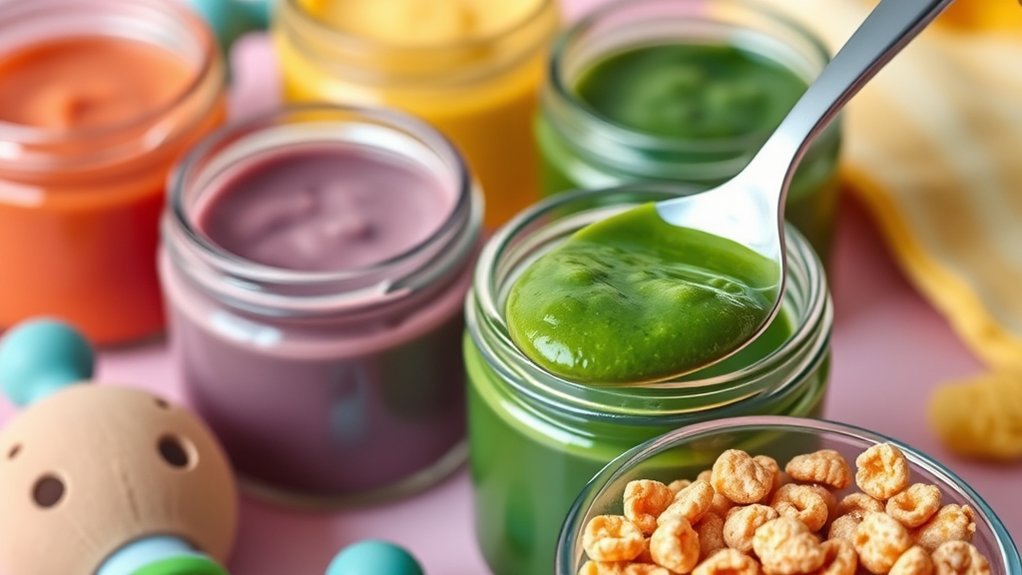
| Iron-fortified infant cereal | Non-heme | Mix to a smooth or thicker texture with breast milk, formula, or water; check the label for iron per serving. |
| Beef, lamb, pork, chicken, or turkey | Heme and non-heme | Cook fully, remove bones and gristle, then puree, mince finely, or serve very soft shreds. |
| Beans, lentils, chickpeas, or tofu | Non-heme | Cook until soft and mash thoroughly; pair with tomato, berries, broccoli, or another vitamin C food. |
| Eggs | Mostly non-heme | Cook until firm and offer mashed, finely chopped, or as soft strips suitable for the child’s skill level. |
| Cooked spinach or other dark leafy greens | Non-heme | Cook until very soft, chop or puree, and combine with a familiar food. |
Top Heme and Non-Heme Iron Sources for Baby Food
Food contains two main forms of iron. Heme iron comes from animal foods and is absorbed more efficiently. Non-heme iron comes from plants and fortified foods. A baby does not need meat to get iron, but a plant-based feeding pattern requires thoughtful food selection and regular use of fortified foods.
Heme Iron Foods
- Beef, lamb, pork, goat, or venison
- Chicken and turkey, especially dark meat
- Low-mercury fish prepared without bones
Non-Heme Iron Foods
- Iron-fortified infant cereal and oatmeal
- Beans, lentils, chickpeas, peas, tofu, and tempeh
- Eggs
- Cooked dark green vegetables
Pair non-heme iron with a vitamin C food in the same meal. Good baby-friendly options include mashed berries, tomato, broccoli, sweet potato, papaya, or a small amount of citrus puree. Vitamin C helps the body absorb non-heme iron.
Pro Tip: Build a simple plate around one iron food and one vitamin C food—for example, lentil puree with tomato, fortified oatmeal with mashed berries, or finely minced turkey with broccoli.
The Role of Infant Cereals in Iron Intake
Iron-fortified infant cereal can be a convenient source of non-heme iron, especially for babies who eat little meat. It is not the only option, and it should not replace a varied diet. Rotate grains and combine cereal with fruit, vegetables, beans, eggs, meat, or other suitable foods.
Fortification levels differ across products. Read the label for the serving size and iron amount. Mix cereal to a texture your baby can swallow safely; as feeding skills improve, gradually make it thicker rather than keeping every food thin and smooth.
Iron-Rich Cereal Benefits
- Easy to prepare in small portions
- Often provides a meaningful amount of iron per labeled serving
- Can be combined with vitamin C-rich fruit or vegetables
- Offers a meat-free option for families using vegetarian diets
Complementary Feeding Practices
There is no need to wait until 8 months to offer soft lentils, beans, meat, or cooked vegetables if your baby is about 6 months old, developmentally ready, and the food is prepared safely. Offer a variety of flavors and textures while keeping iron-rich foods in regular rotation.
| Meal Pattern | Example |
|---|---|
| Fortified grain + fruit | Iron-fortified oatmeal with mashed strawberries or pear |
| Meat + vegetable | Pureed or finely minced beef with sweet potato |
| Legume + vitamin C food | Mashed lentils with soft tomato or broccoli |
| Egg + produce | Well-cooked mashed egg with soft berries or tomato |
Warning: Prepare food for your child’s developmental level. Whole beans, tough meat, bones, hard raw produce, and large sticky pieces can cause choking. Seat your child upright, supervise every bite, and follow CDC choking-prevention guidance.
Identifying Iron Deficiency in Children: Key Signs and Symptoms
Mild iron deficiency may cause no obvious symptoms. When symptoms occur, they can overlap with many other conditions. Possible signs include:
- Pale, yellowish, or ashy skin; faded lips, nail beds, or eyelids
- Tiredness, low energy, weakness, or more frequent naps
- Irritability or changes in attention and behavior
- Poor appetite or slowed growth
- Craving or chewing nonfood items such as dirt, paper, or ice, known as pica
More severe anemia can cause shortness of breath, a rapid heartbeat, dizziness, fainting, or swelling. Contact your child’s healthcare professional if you notice concerning symptoms. Seek urgent care for trouble breathing, fainting, extreme weakness, or other severe symptoms.
Symptoms cannot confirm iron deficiency. Clinicians may use hemoglobin, ferritin, and other blood tests along with the child’s diet, growth, health history, and signs of inflammation. Screening timing varies by feeding pattern and risk, but testing commonly begins around 9–12 months or at the 12-month visit.
How to Incorporate Iron-Rich Foods Into Your Baby’s Diet
Start with a manageable goal: include an iron-rich food at meals or snacks regularly rather than trying to calculate every bite. Offer both heme and non-heme sources when they fit your family’s diet.
- Choose one iron base: fortified cereal, meat, fish, egg, beans, lentils, tofu, or cooked greens.
- Add vitamin C: berries, tomato, broccoli, sweet potato, papaya, or citrus.
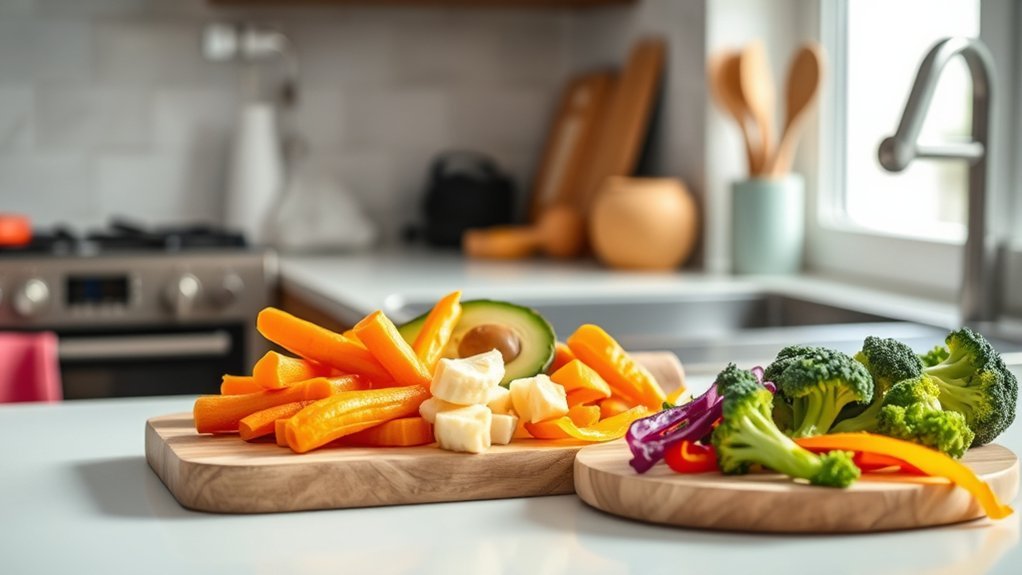
- Adjust the texture: puree, mash, mince, shred, or cut the food to match your child’s skills.
- Repeat exposure: a child may need to see and taste a food many times before accepting it.
- Track the overall pattern: use food labels and your clinician’s advice instead of judging intake from one meal.
For vegetarian or vegan diets, use iron-fortified cereal, beans, lentils, tofu, and other iron-rich foods often. Pair them with vitamin C and discuss the full diet with a pediatrician or registered dietitian, because iron from plants is less readily absorbed.
How Iron Affects Brain Development and Growth
Iron supports hemoglobin production, oxygen delivery, neurological development, and normal cell function. Early childhood is a period of rapid brain growth, so preventing and treating deficiency promptly matters.
Iron deficiency and iron-deficiency anemia have been linked with problems involving attention, learning, behavior, and psychomotor development. These findings do not mean that every tired or irritable child has low iron. They do mean that persistent symptoms, risk factors, or poor growth deserve professional evaluation.
Tips for Parents to Prevent Iron Deficiency in Their Children
- Discuss iron at routine checkups, especially if your baby was preterm, low birthweight, primarily breastfed, or has feeding difficulties.
- Begin iron-rich complementary foods at about 6 months when your baby is ready for solids.
- Use iron-fortified infant formula when formula feeding during the first year.
- Pair beans, lentils, tofu, greens, and fortified grains with vitamin C foods.
- Do not use cow’s milk as a main drink before 12 months.
- After age 1, keep cow’s milk at or below 24 ounces per day unless your child’s clinician recommends otherwise.
- Attend recommended anemia screening and follow-up appointments.
- Store all iron drops, tablets, prenatal vitamins, and multivitamins locked away and out of sight.
Warning: Iron overdose can be life-threatening. If a child may have swallowed too much iron, do not wait for symptoms. In the United States, use webPOISONCONTROL or call Poison Control at 1-800-222-1222. Call 911 for collapse, seizure, trouble breathing, or inability to wake.
Frequently Asked Questions
Can breastfed babies get enough iron without supplements?
Some can meet their needs once iron-rich complementary foods are established, but exclusively or primarily breastfed babies may be advised to use iron drops before that point. AAP and CDC consumer guidance differ slightly on timing, so ask your baby’s clinician for a plan based on age, birth history, feeding pattern, and food intake.
Does iron-fortified formula provide enough iron?
Standard iron-fortified infant formula can meet iron needs during the first 12 months when prepared and used as directed. Once solids begin, continue offering iron-containing foods as part of a varied diet.
What are the symptoms of iron overdose in infants?
Early symptoms can include nausea, vomiting, abdominal pain, diarrhea, gastrointestinal bleeding, and lethargy. Severe poisoning can later cause shock, seizures, coma, organ failure, or death. Treat any possible overdose as urgent and contact Poison Control immediately.
How can I tell if my baby is iron deficient?
You cannot confirm iron deficiency from appearance or behavior alone. Pale skin, fatigue, irritability, pica, poor appetite, or slow growth can be clues, but a healthcare professional must evaluate the child and order appropriate blood tests.
Are there vegetarian sources of iron for babies?
Yes. Iron-fortified infant cereal, lentils, beans, chickpeas, tofu, eggs, peas, and cooked leafy greens can contribute iron. Mash or soften foods to reduce choking risk and pair plant sources with vitamin C-rich foods to improve absorption.
How does cooking affect iron levels in baby food?
Iron is a mineral, so normal cooking does not destroy it. Some iron can move into cooking water, so discarding large amounts of water may reduce what remains in the food. Cook foods until safe and soft, and use a preparation method that creates an age-appropriate texture.
When should a baby be tested for anemia?
Testing often begins around 9–12 months or at the 12-month visit, but timing may differ for primarily breastfed, formula-fed, preterm, low-birthweight, or high-risk children. Follow the schedule recommended by your child’s healthcare professional.
Can too much cow’s milk cause low iron?
Yes. Cow’s milk is low in iron and can fill a toddler up, leaving less appetite for iron-rich foods. Do not use it as a main drink before 12 months. After the first birthday, the AAP advises no more than 24 ounces per day unless your child’s clinician gives different instructions.
Conclusion
Iron is essential for healthy blood, brain development, attention, and growth. Most families can support iron intake by offering developmentally appropriate meat, eggs, beans, lentils, tofu, cooked greens, and iron-fortified cereals from about 6 months. The best plan also considers breastfeeding, formula use, prematurity, milk intake, and medical risk. Keep routine checkups, follow recommended screening, and use supplements only under professional guidance.
Sources
- CDC: Iron for Infants and Toddlers — iron’s role, feeding patterns, food sources, vitamin C pairing, and screening.
- NIH Office of Dietary Supplements: Iron Fact Sheet for Health Professionals — recommended intakes, food sources, risk groups, prevalence, and supplement guidance.
- American Academy of Pediatrics: Iron Deficiency and Anemia in Children — symptoms, prevention, screening, and cow’s milk guidance.
- American Academy of Pediatrics: Iron Supplements for Babies — supplementation guidance for breastfed infants.
- CDC: Choking Hazards — safe food preparation and feeding supervision.
- Poison Control: Iron Poisoning — overdose symptoms, prevention, and emergency response.