Lead can enter baby food through soil, water, air pollution, ingredients, and food-processing steps. Because babies eat more food for their size and their brains are still developing, reducing avoidable exposure matters. Still, parents should not panic or remove nutritious foods without medical advice. The safest approach is a varied diet, careful food preparation, recall awareness, and blood testing when a healthcare provider recommends it.
Quick Answer
Lead gets into some baby foods mainly because crops and animals are exposed to naturally occurring or pollution-related lead in soil, water, and air. Smaller amounts may also enter during processing. Parents can lower repeated exposure by serving varied foods, preparing produce carefully, checking recalls, and discussing blood testing with their child’s clinician.
Key Takeaways
- Lead may be present in food because it occurs in the environment and can be taken up by crops or enter ingredients during production.
- No safe blood lead level has been identified for children, but food is only one possible exposure source.
- The FDA finalized action levels for lead in several categories of packaged baby food in January 2025.
- A varied, nutrient-dense diet is safer than relying heavily on one food, grain, or brand.
- Most children with lead exposure have no clear symptoms; a blood test is the best way to measure exposure.
What Causes Lead Contamination in Baby Food?
Lead is a naturally occurring metal, but past and present pollution can raise its levels in soil, water, and air. Plants may take up some lead as they grow, and soil or dust can remain on produce after harvest. Animals may also be exposed through feed, water, or their environment.
The FDA explains that lead may enter food where it is grown, raised, or processed. Levels vary by geography, crop type, farming practices, ingredient sourcing, and nearby sources of pollution.
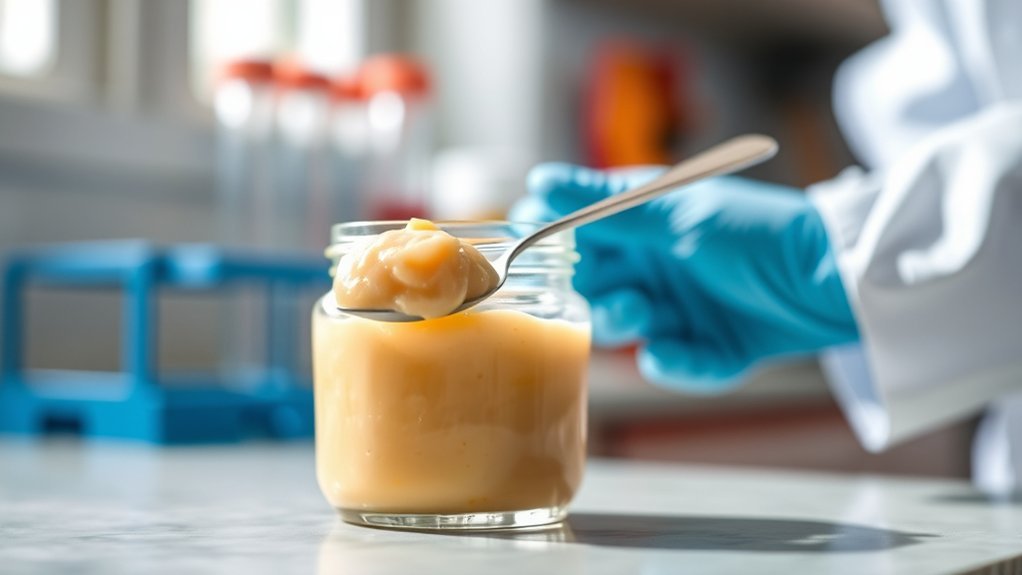
Food processing can add another pathway. Lead may enter through contaminated ingredients, dust, water, old equipment, food-contact materials, or poorly controlled manufacturing practices. This does not mean every packaged or homemade food contains a harmful amount. It means manufacturers and growers need controls that keep contamination as low as reasonably possible.
Why Are Babies Particularly Vulnerable to Lead Exposure?
Babies and young children are more vulnerable because their brains, nervous systems, and other organs are developing quickly. They also eat and drink more for each pound of body weight than adults do, so the same contaminant level can create a larger exposure relative to body size.
Lead can affect learning, attention, behavior, hearing, speech, and growth. The CDC states that no safe level of lead in children has been identified. Its blood lead reference value of 3.5 micrograms per deciliter is used to identify children with higher levels than most U.S. children; it is not a line between “safe” and “poisoned.”
Nutrition also matters. Adequate iron and calcium support normal growth and are part of clinical guidance for children with lead exposure. They can help reduce absorption, but they cannot cancel out an ongoing lead source.
Most children with lead in their blood look and act healthy. A blood test—not symptoms alone—is the best way to assess exposure.
Sources of Heavy Metals in Baby Food
Lead is only one environmental contaminant discussed in baby-food safety. Arsenic, cadmium, and mercury are different elements with different sources, health effects, and FDA guidance. They should not be treated as interchangeable.
Common pathways include:
- Soil, water, and air: Metals occur naturally in the earth and may also come from old paint, leaded gasoline residue, mining, smelting, industrial emissions, plumbing, and other pollution.
- Crop and ingredient differences: Root vegetables, leafy vegetables, grains, spices, and other ingredients interact with soil and water in different ways. Contamination may be on the surface, in attached soil, or within the plant.
- Manufacturing and packaging: Contaminated ingredients, equipment, processing water, dust, and food-contact materials can add metals if controls are weak.
- Homegrown produce: Garden produce may be exposed to contaminated soil, especially near older painted buildings, busy roads, former industrial sites, or other known lead sources.
- Unusual contamination events: A single ingredient can sometimes contain much more lead than expected. The 2023–2024 cinnamon-applesauce incident showed why ingredient testing, traceability, and recall checks matter.
Note: Rice is mainly discussed in baby-food guidance because of inorganic arsenic, not because arsenic “causes” lead exposure. Serving several grains—such as oats, barley, wheat, multigrain cereal, and rice—helps avoid repeated exposure to one contaminant from one food.
Health Risks of Lead in Baby Food
Lead exposure can harm the developing brain and nervous system. Research links childhood exposure with lower IQ, learning and behavior problems, reduced attention, and hearing or speech difficulties. The risk depends on the amount, how long exposure continues, the child’s age, nutrition, and other health factors.
At the same time, the low levels found in many foods are usually only one part of a child’s total exposure. Older housing, lead-contaminated dust or soil, drinking water, imported products, some spices, traditional remedies, cookware, and adults’ jobs or hobbies may contribute more in a particular household.
Do not try to diagnose lead exposure by watching for tiredness, irritability, poor appetite, stomach pain, or developmental changes. Those symptoms are nonspecific, and many exposed children have no obvious symptoms.
Warning: This article provides general information, not medical diagnosis or treatment. Contact your child’s healthcare provider promptly if you believe your child ate a recalled product, swallowed a lead-containing object, or had another significant exposure. Seek urgent medical care for severe symptoms such as repeated vomiting, extreme weakness, confusion, seizures, or loss of consciousness.
How Can Parents Reduce Lead Exposure for Their Children?
You cannot remove every trace of naturally occurring metals from food, but you can reduce repeated exposure without cutting out healthy food groups.
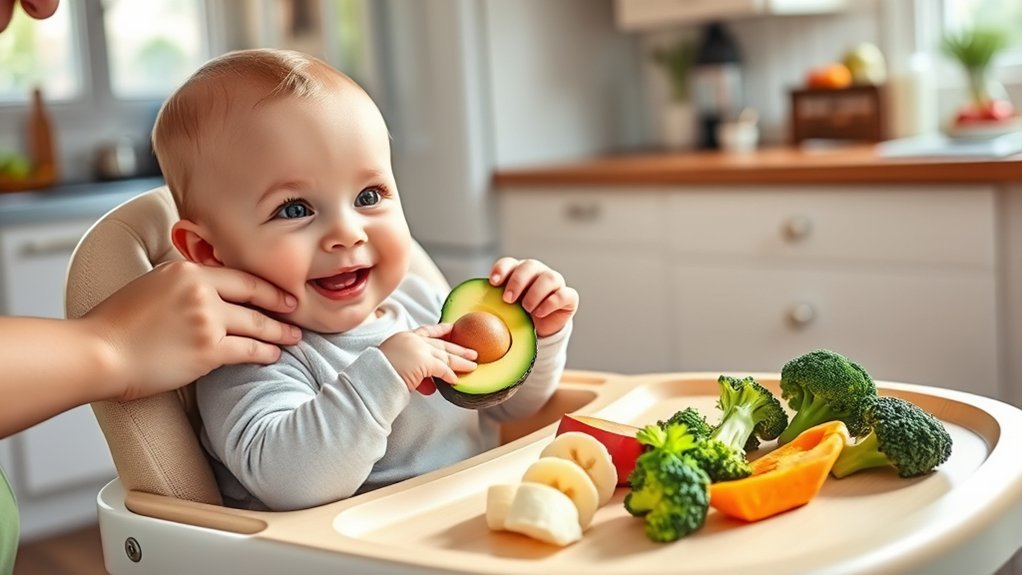
- Serve a varied diet. Rotate vegetables, fruits, grains, proteins, and dairy foods that are appropriate for your child’s age. Variety reduces reliance on any one ingredient and supports balanced nutrition.
- Rotate infant cereals and grains. Iron-fortified rice cereal can be part of the diet, but it does not need to be the first or only cereal. Oat, barley, wheat, and multigrain options add variety.
- Follow age-based juice advice. The FDA advises waiting until at least 12 months before giving fruit juice. Whole fruit is usually a better everyday choice because it provides fiber and reduces reliance on juice as a repeated exposure source.
- Wash produce under running water. Remove visible soil, peel root crops when appropriate, and discard the outer leaves of leafy vegetables. Washing reduces surface soil but cannot remove metal already taken up by the plant.
- Use extra care with home gardens. The EPA recommends testing soil used for food crops, using clean soil in raised beds or containers when contamination is a concern, and keeping gardens away from older buildings, roads, and driveways.
- Offer iron- and calcium-rich foods. Age-appropriate choices may include iron-fortified cereal, meat, beans, yogurt, cheese, and other foods recommended by your pediatrician.
- Prepare formula exactly as directed. Use safe water and store-bought infant formula. Never dilute formula to make it last longer, and never use homemade infant-formula recipes.
- Check recalls and product alerts. Search the FDA recalls database when a product, lot code, ingredient, or brand is named in a safety notice.
Pro Tip: Keep a simple food log for a week. If the same cereal, pouch, root vegetable, juice, or snack appears most days, rotate in other age-appropriate choices rather than eliminating the food completely.
FDA Regulations on Heavy Metals in Baby Food
The FDA uses testing, guidance, import controls, inspections, and enforcement authority to reduce lead in food. Its Closer to Zero initiative addresses lead, arsenic, cadmium, and mercury in foods commonly eaten by babies and young children.
Current FDA Action Levels
In January 2025, the FDA finalized guidance for lead in packaged processed foods represented as being for babies and children younger than age 2. The action levels are:
| Food category | FDA action level for lead |
| Fruits; vegetables other than single-ingredient root vegetables; mixtures; yogurts; custards and puddings; single-ingredient meats | 10 parts per billion (ppb) |
| Single-ingredient root vegetables | 20 ppb |
| Dry infant cereals | 20 ppb |
These levels come from the FDA’s final industry guidance on lead in processed baby food.
What Changed From the Proposed Guidance?
The original article described FDA limits as merely proposed. That is no longer current. The FDA issued final guidance on January 6, 2025. The guidance says the agency may consider food above an action level adulterated under federal law, along with the test result’s reliability and other case-specific factors.
FDA guidance is not the same as a regulation that creates legally binding duties in every case. However, manufacturers already have a legal responsibility to control chemical hazards and sell safe food. Action levels tell industry where the FDA may consider enforcement.
What the Action Levels Cover
The 2025 guidance applies to packaged foods in jars, pouches, tubs, or boxes that are marketed for babies and young children under 2. It does not cover infant formula, beverages, juice, puffs, teething biscuits, or other grain-based snacks. Juice is addressed separately, and the FDA continues to collect data for some excluded categories.
Action levels are not instructions for parents to discard a food, avoid an entire category, or compare brands by a single laboratory result. The FDA recommends a varied, nutrient-dense diet while government and industry continue working to lower contamination.
How Can Parents Test for Lead Exposure?
A blood lead test is the standard way to assess a child’s exposure. A clinician may begin with a capillary finger- or heel-prick test. If the result is at or above the CDC reference value, a venous blood sample is generally used for confirmation.
- Children enrolled in Medicaid: Federal requirements call for testing at 12 and 24 months, or once between 24 and 72 months if the child was not tested earlier.
- Children not enrolled in Medicaid: Screening depends on local plans and individual risk, such as living in or frequently visiting pre-1978 housing, exposure to renovation dust, contaminated soil or water, imported products, or a household member’s lead-related job or hobby.
- Known or suspected exposure: Contact the child’s healthcare provider rather than waiting for the next routine visit.
- Hair testing: Hair tests marketed for toxic metals are not recommended for diagnosing lead exposure because they can be unreliable.
The CDC blood lead reference value is 3.5 micrograms per deciliter. A result at or above that value calls for follow-up based on the confirmed level and the child’s circumstances. It does not mean that values below 3.5 are proven harmless.
Which Baby Foods Are Most Likely to Contain Lead?
There is no permanent list of “worst” baby foods or brands. Lead levels vary by batch, ingredient source, growing conditions, processing controls, and testing method. A food with a detectable trace is not automatically unsafe, and a product that tested low once is not guaranteed to remain low forever.
These categories deserve context rather than blanket avoidance:
- Single-ingredient root vegetables: The FDA set a 20 ppb action level for this category because lead can be harder to reduce in crops that grow in or close to soil. Root vegetables remain nutritious foods and should be served as part of a varied diet.
- Dry infant cereals: The FDA lead action level is 20 ppb. Rice cereal also receives separate attention for inorganic arsenic, so rotating grains is sensible.
- Juice: Lead and arsenic in juice are handled under separate FDA guidance. Babies younger than 12 months should not be given juice.
- Puffs, teething biscuits, and grain snacks: These were not included in the 2025 processed-baby-food lead action levels. Avoid letting one snack replace a varied diet.
- Spices and cinnamon-containing products: Most products are not highly contaminated, but recalls have shown that a contaminated spice ingredient can create an unusual exposure. Check FDA alerts when a specific product is named.
- Homegrown produce: Risk depends heavily on soil. Test soil if the garden is near an older building, roadway, industrial property, mine, smelter, or other suspected source.
Frequently Asked Questions
How can I choose safer baby food brands?
No brand can promise that every product is completely lead-free. Favor companies that identify ingredient sources, describe contaminant testing and supplier controls, publish clear recall information, and answer lot-specific questions. Check FDA recalls, vary brands and ingredients, and do not rely on vague “clean” claims without supporting details.
What are the symptoms of lead poisoning in infants?
Most infants and children with lead exposure have no obvious immediate symptoms. Higher exposures may cause poor appetite, vomiting, stomach pain, constipation, weakness, irritability, developmental changes, seizures, or other serious problems, but these signs are not specific to lead. A blood test is needed to assess exposure.
Are organic baby foods safer from lead contamination?
Organic certification covers how agricultural products are grown and handled; it does not guarantee that soil, water, or finished food contains no lead. Organic and conventional foods can both contain environmental contaminants. Ingredient sourcing, processing controls, testing, and diet variety matter more than the organic label alone.
How does lead exposure affect long-term development?
Childhood lead exposure can affect attention, learning, behavior, hearing, speech, and school performance. The effect on one child cannot be predicted from a single number alone. Early identification, stopping the exposure source, supporting nutrition, monitoring development, and using early-intervention services when needed can reduce further harm.
What should I do if I suspect lead exposure?
Contact your child’s healthcare provider and explain the possible source, timing, product name or lot code, and whether anyone else was exposed. The clinician can decide whether blood testing is needed and how quickly. Stop using a recalled product, save its packaging, and follow FDA or local health-department instructions.
Is homemade baby food safer than packaged baby food?
Not necessarily. Homemade food gives you control over ingredients and texture, but it does not remove metals already present in soil, water, or produce. Commercial manufacturers may use sourcing and testing controls that are difficult to duplicate at home. Whichever method you use, choose varied ingredients, wash produce, and follow safe preparation and storage practices.
Should I stop serving rice cereal, carrots, or sweet potatoes?
Usually, no. These foods can provide useful nutrients. The FDA does not advise parents to discard packaged baby foods or avoid entire food categories because of its action levels. Serve them as part of a varied diet, rotate grains and vegetables, and follow any product-specific recall or medical advice.
Conclusion
Lead in baby food can come from the environment, ingredients, or processing, and it cannot be reduced to zero in every food. Parents can still take useful steps: serve a varied diet, rotate grains and vegetables, wash produce, use safe soil and water, check recalls, and discuss testing with a healthcare provider when exposure is possible. Do not rely on symptoms, “organic” labels, or one test report as a guarantee of safety.
Sources
- FDA: Action Levels for Lead in Processed Food Intended for Babies and Young Children — current category limits, scope, and enforcement context.
- FDA: Lead in Food and Foodwares — sources, monitoring, testing data, and lead risk-management information.
- FDA: Healthy Food Choices for Babies Aged 6–12 Months — diet variety, grain rotation, and nutrient guidance.
- CDC: Testing for Lead Poisoning in Children — blood testing, the 3.5 µg/dL reference value, and follow-up principles.
- CDC: Lead Exposure Symptoms and Complications — health effects and the limits of symptom-based detection.
- EPA: Lead in Soil — garden-soil testing, produce cleaning, and exposure-reduction steps.