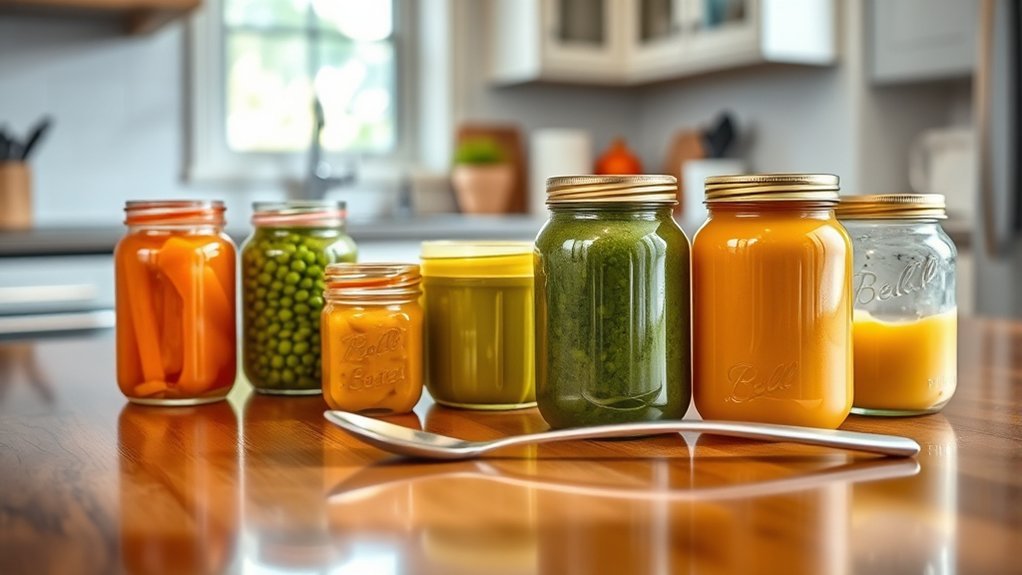
Most babies are ready to start solid foods at about 6 months, when their feeding skills and nutritional needs begin to change. The date on the calendar is only part of the decision: your baby should also be able to sit upright with support, control their head and neck, bring objects to their mouth, and swallow food instead of pushing it back out.
Quick Answer
Babies usually start solids around 6 months because they are becoming developmentally able to eat and need complementary sources of iron, zinc, energy, and other nutrients. Breast milk or iron-fortified formula should continue while foods are added gradually. Do not start before 4 months, and use readiness signs—not age alone—to guide timing.
Key Takeaways
- Most babies begin solids at about 6 months, once they show clear feeding-readiness signs.
- Solid foods complement breast milk or iron-fortified formula; they do not replace milk feeds right away.
- Offer iron-rich and zinc-rich foods early, along with vegetables, fruits, whole grains, healthy fats, and protein foods.
- Introduce common allergens in developmentally safe forms once your baby is ready, unless a clinician gives a different plan.
- Prevent choking by seating your baby upright, supervising every bite, and matching food texture and shape to their skills.
Note: This article provides general education and does not replace care from your child’s pediatrician. Ask for individualized guidance if your baby was born prematurely, has poor growth, swallowing or oral-motor problems, severe eczema, a known food allergy, or another medical condition.
At a Glance
| Time Required | About 10–15 minutes for early practice meals |
| Difficulty | Beginner; skills build gradually |
| Tools Needed | Upright high chair, small spoon, open or straw cup, bib, and age-appropriate food |
| Cost | Low; many suitable foods can come from unsalted family meals |
Why Is 6 Months the Ideal Time to Start Solids?

The CDC recommends introducing foods other than breast milk or infant formula at about 6 months and advises against starting before 4 months. Around this age, many babies can sit alone or with support, control their head and neck, open for food, and move food from the front of the mouth toward the throat.
Nutrition is the other reason. The World Health Organization explains that complementary foods become necessary around 6 months as an infant’s energy and nutrient needs begin to exceed what breast milk alone provides. Formula-fed babies also need solid foods at about this stage while continuing iron-fortified infant formula.
Starting solids is a gradual transition, not a switch from milk to meals. Breast milk or iron-fortified formula remains a major source of calories and nutrients during the first year while your baby learns to handle new tastes and textures.

Power your essentials anywhere with a 999Wh pure sine wave power station delivering up to 1000W continuous with 2000W surge. It supports fast charging via USB-C PD 60W and USB-A QC 18W, plus simultaneous output for multiple devices through AC, USB, wireless, and car/DC ports. Recharge using AC, car, or solar with a built-in MPPT controller and dual cooling fans, while the upgraded battery management system protects against surges, short circuits, and overheating.

Feeder helps reduce the risk of choking— only small pieces of digestible food get through

【Baby Feeding Supplies】- Baby smock for eating babies and toddlers with crumb catcher, smock pocket apron helps contain spills, back tie closure, waterproof fabric is durable and stands up to messes, lightweight and comfortable.
Nutritional Needs for Babies at 6 Months
Iron deserves special attention. Full-term infants generally have iron stores that support them for roughly the first 4 to 6 months, but needs rise sharply during the second half of infancy. The National Institutes of Health lists an iron recommendation of 11 mg per day for infants ages 7 to 12 months, although the exact amount your baby gets from food, formula, or supplements depends on their feeding pattern and medical history.
Do not start an iron supplement without medical guidance. Exclusively or mostly breastfed babies, premature babies, and babies with low birth weight may need a plan that differs from that of a full-term formula-fed baby.
| Nutrient | Why It Matters | Examples |
|---|---|---|
| Iron | Supports healthy blood and brain development | Soft shredded or pureed meat, iron-fortified infant cereal, lentils, beans, tofu |
| Zinc | Supports growth and immune function | Meat, poultry, beans, lentils, yogurt, tofu |
| Protein | Helps build and repair body tissues | Egg, fish, meat, yogurt, beans, lentils, tofu |
| Healthy fats | Provide energy and support brain development | Avocado, full-fat plain yogurt, low-mercury fish, thinly mixed smooth nut or seed butter |
Pair plant sources of iron, such as beans or lentils, with vitamin C-rich foods such as soft-cooked broccoli, berries, tomato, or fruit puree. Vitamin C can help the body absorb nonheme iron.
What Signs Indicate Your Baby Is Ready for Solid Foods?
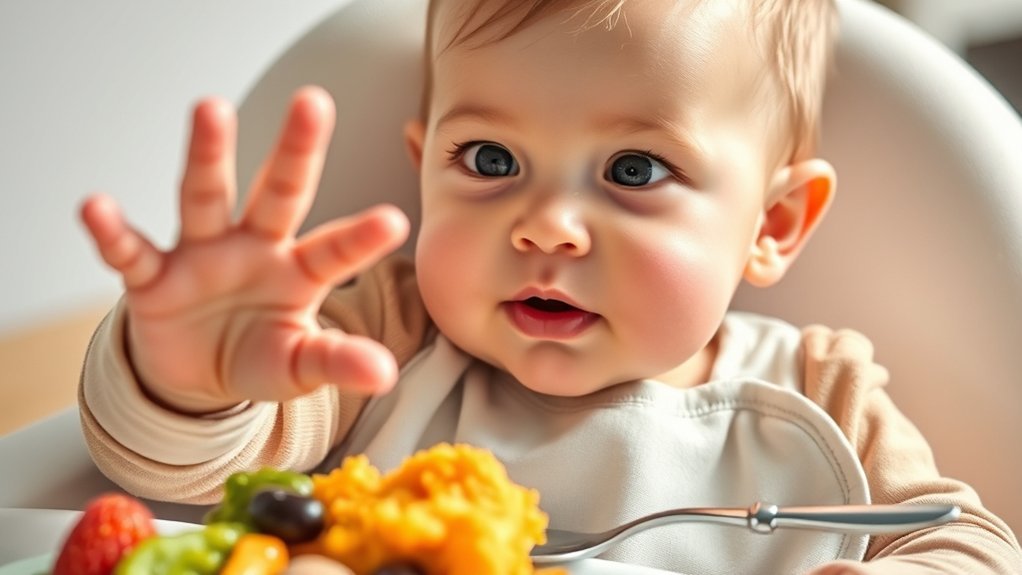
Age matters, but readiness skills matter too. Look for several signs together:
- Your baby can sit upright alone or with support and stay stable enough to eat.
- Your baby has steady head and neck control.
- Your baby opens their mouth when food is offered.
- Your baby swallows food instead of repeatedly pushing it out with the tongue.
- Your baby brings objects to the mouth and tries to grasp food or small objects.
- Your baby shows interest in food while others are eating.
Interest in food by itself is not enough. Waking more often, chewing fists, or wanting extra milk feeds can happen for many reasons and do not prove that a baby is ready for solids.
If your baby is nearing 7 months and does not show these skills, or if eating causes repeated coughing, choking, distress, or poor weight gain, contact your pediatrician rather than forcing practice.
How Do Developmental Milestones Affect Solid Food Timing?
Eating safely requires the whole body to work together. Posture, head control, hand skills, tongue movement, and swallowing all affect whether a baby can manage food.
Motor Skills Development
A stable, upright position helps a baby control food in the mouth and protect the airway. At about 6 months, many babies can sit with little support and keep the head centered instead of slumping forward or sideways.
Hand skills also begin to support self-feeding. Babies may rake soft food toward themselves, hold a preloaded spoon, or grasp a long strip of soft food. The neat pincer grasp usually develops later, so early finger foods should be large enough to hold but soft enough to mash between your fingers.
Oral Function Readiness
Early eaters are learning to move food backward, close their lips around a spoon, bite with their gums, and coordinate swallowing. They do not need teeth to handle soft foods. As their skills improve, move from smooth foods to mashed, lumpy, finely chopped, and soft finger foods instead of staying with thin purees for months.
The CDC recommends offering a range of developmentally appropriate tastes and textures to support chewing, fine-motor skills, and acceptance of varied foods.
For premature babies, corrected age and individual development may be more useful than chronological age. Ask the child’s clinician or feeding specialist when readiness is uncertain.
Best Solid Foods to Introduce at 6 Months
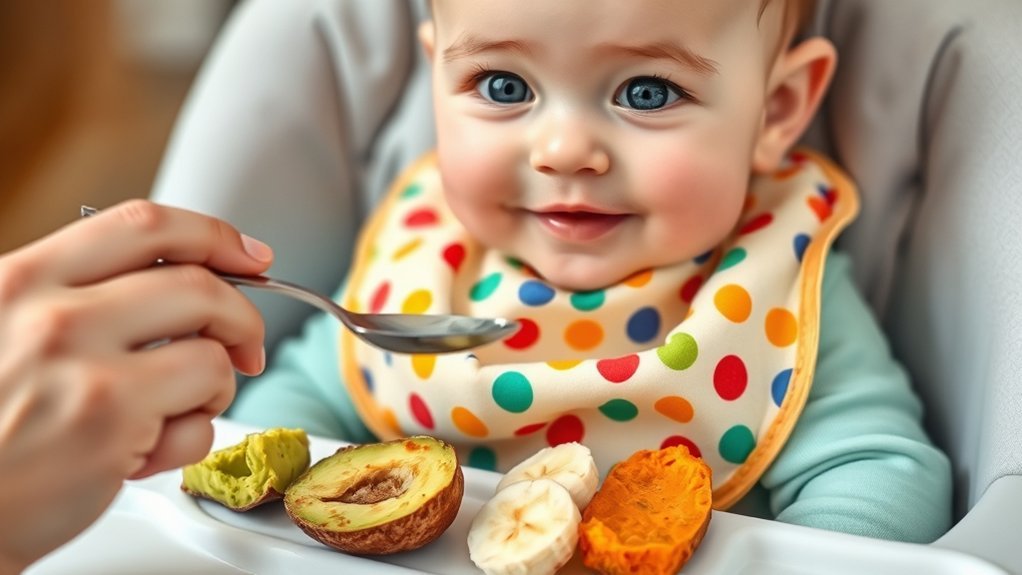
There is no required order for first foods. A useful approach is to include an iron-rich or zinc-rich food most days, then rotate vegetables, fruits, grains, dairy foods without added sugar, healthy fats, and other protein foods.
Nutrient-Rich First Foods
- Iron and zinc: soft meat, poultry, fish, lentils, beans, tofu, and iron-fortified infant cereal.
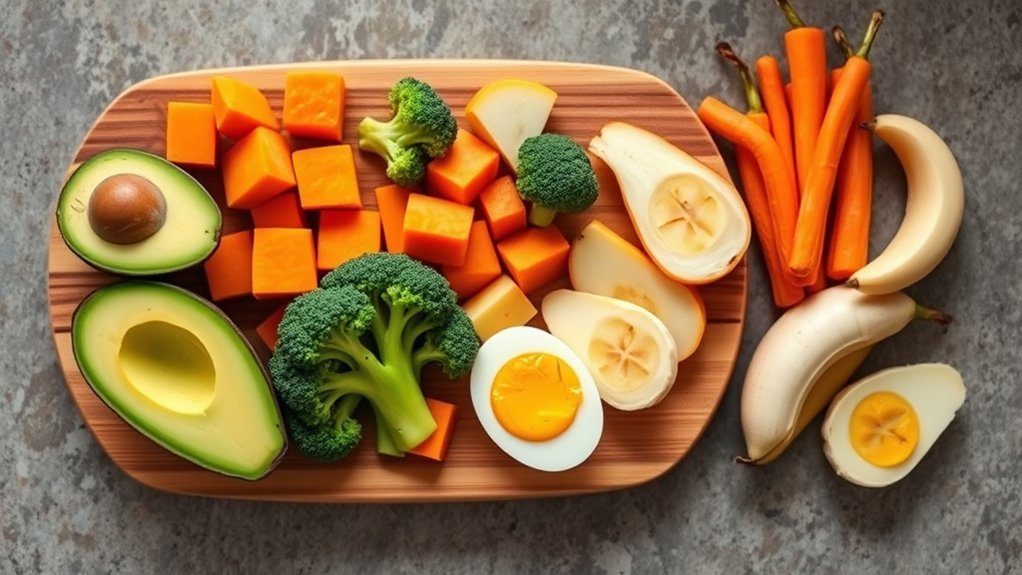
- Vegetables and fruits: avocado, sweet potato, squash, peas, broccoli, banana, pear, peach, and berries prepared in a safe texture.
- Protein foods: well-cooked egg, flaky low-mercury fish, plain full-fat yogurt, beans, lentils, tofu, and smooth nut or seed butter thinned into another food.
- Whole grains: oatmeal, barley, multigrain infant cereal, soft whole-grain pasta, or well-cooked grains.
Rice cereal can be part of a varied diet, but it does not need to be the first or only cereal. The FDA advises offering a variety of grains because rice absorbs more arsenic than many other crops.
Flavor Exploration Options
Begin with simple foods so reactions are easier to identify, but do not feel limited to bland food. Babies can try family flavors made without honey, excessive salt, or added sugar. Mild herbs and spices can help them experience a wider range of tastes.
Once individual ingredients are tolerated, combine them: lentils with tomato, oatmeal with pear, egg with avocado, plain yogurt with mashed berries, or sweet potato with soft shredded chicken.
Introducing Common Allergens Safely
Common allergens include peanut, egg, cow’s-milk protein, wheat, soy, sesame, fish, shellfish, and tree nuts. Current guidance does not support delaying these foods once a baby is developmentally ready. Offer one allergen at a time in a small amount, earlier in the day, while your baby is healthy and you can observe them.
Use safe forms: well-cooked egg, smooth peanut or tree-nut butter thinned with water or mixed into puree, plain yogurt, soft tofu, or finely flaked fish with all bones removed. Never give whole nuts or thick spoonfuls of nut butter.
The American Academy of Pediatrics advises keeping tolerated allergens in the diet regularly. Babies with severe eczema, egg allergy, or a previous immediate food reaction need medical advice before peanut or other allergen introduction; some may be assessed for an individualized 4-to-6-month introduction plan.
Warning: Stop feeding and seek urgent medical help for trouble breathing, swelling of the lips or tongue, sudden widespread hives with vomiting, collapse, or unusual limpness. Call 911 for severe symptoms. Mild rash or vomiting still warrants prompt advice from your child’s clinician before that food is offered again.
Safe Texture Choices
Purees are optional, not mandatory. You can use spoon-feeding, baby-led feeding, or a mix of both. The safest choice is the method that matches your baby’s posture, oral skills, and your ability to supervise closely.
- Spoon foods: smooth puree, thick puree, mashed food, or soft lumps that stay on a spoon.
- Finger foods: soft strips or wedges that squash easily between two fingers, such as ripe avocado, soft-cooked vegetables, omelet strips, or tender shredded meat pressed together.
- Avoid: hard, round, sticky, rubbery, or coin-shaped foods that can block the airway.
Pro Tip: Make foods soft enough to flatten between your thumb and finger. Keep your baby upright at 90 degrees, remove distractions, and stay within arm’s reach for the entire meal.
How Much and How Often Should a 6-Month-Old Eat?
At first, the goal is practice rather than a full meal. Start with 1 or 2 teaspoons to 1 or 2 tablespoons once a day when your baby is alert and not overly hungry or tired. Increase the amount and frequency according to hunger and fullness cues.
WHO guidance supports building toward 2 to 3 complementary-food meals per day from 6 to 8 months. Continue breast milk or iron-fortified formula on the baby’s usual schedule; solids gradually become a larger part of the diet.
- Hunger cues: leaning toward food, opening the mouth, reaching, or becoming excited when food appears.
- Fullness cues: turning away, closing the mouth, pushing food away, slowing down, or losing interest.
Use responsive feeding: offer food patiently, allow mess and exploration, and stop when your baby shows fullness. Do not pressure, distract, or force another bite.
Foods and Drinks to Avoid When Starting Solids
The CDC identifies several foods and drinks that should be avoided or limited during infancy:
- Honey before 12 months: including honey in cooked foods, because it can cause infant botulism.
- Cow’s milk as a drink before 12 months: yogurt and pasteurized cheese may be offered, but breast milk or iron-fortified formula should remain the main milk drink.
- Juice before 12 months: whole fruit is a better choice.
- Unpasteurized milk, juice, yogurt, or cheese: these can carry harmful bacteria.
- Foods high in added sugar or sodium: infants have little room for foods that displace nutrient-dense choices.
- High-mercury fish: choose lower-mercury fish and remove every bone.
- Infant cereal in a bottle: it does not improve sleep and can increase choking risk unless a clinician has prescribed a specific feeding plan.
Gagging vs. Choking
Gagging is a protective reflex and is often noisy. A gagging baby may cough, sputter, push the tongue forward, or turn red while still moving air. Choking may be quiet because the airway is blocked; the baby may be unable to cry, cough, or breathe.
Review the CDC’s choking-prevention guidance, learn infant choking first aid and CPR, and make sure every caregiver knows what to do. Do not put fingers blindly into a baby’s mouth.
What Are the Health Risks of Early vs. Late Solid Food Introduction?
Introducing solids before 4 months is not recommended because most babies do not yet have the motor and swallowing skills to manage food safely. Starting between 4 and 6 months may be appropriate only for selected developmentally ready babies under individualized guidance, especially when a clinician is planning early peanut introduction for allergy prevention.
Waiting a little beyond 6 months may be reasonable when a baby is not ready, especially after premature birth. However, a prolonged delay without a nutrition plan can make it harder to meet rising iron, zinc, energy, and texture-learning needs.
The safest target is therefore “about 6 months, when ready,” rather than a rigid birthday. Ask for medical guidance if readiness is delayed, feeding is stressful, or your baby cannot progress beyond one texture.
How to Ease Your Baby’s Transition to Solid Foods?
- Choose a calm time. Seat your baby upright when they are awake and comfortable.
- Start small. Offer a teaspoon or two and expect touching, smearing, gagging, or refusal.
- Keep milk feeds. Breast milk or formula remains central while solids are introduced.
- Offer one new food at a time at first. Waiting 3 to 5 days between new single-ingredient foods can make a reaction easier to identify, especially when allergy history is a concern.
- Repeat without pressure. A baby may need many calm exposures before accepting a new taste or texture.
- Advance textures. Move from smooth to mashed, lumpy, finely chopped, and soft finger foods as skills improve.
- Share family meals. Adapt unsalted, soft portions of suitable family food so your baby learns by watching you.
Progress is rarely linear. Some days your baby may eat several bites; on others they may only taste or play. Follow hunger and fullness cues and discuss persistent feeding difficulty with a pediatrician or feeding specialist.
Frequently Asked Questions
Can I Start Solids Before 6 Months if My Baby Seems Ready?
Do not start before 4 months. Some babies between 4 and 6 months may be ready, but about 6 months is the standard target. Speak with your pediatrician first if you are considering an earlier start, especially for a premature baby or for early allergen introduction.
What Foods Should I Avoid When Starting Solids?
Avoid honey before age 1, unpasteurized foods, juice before age 1, cow’s milk as a drink before age 1, high-mercury fish, and foods high in added sugar or sodium. Also avoid choking hazards such as whole nuts, popcorn, hard raw vegetables, uncut grapes, hot-dog rounds, and thick spoonfuls of nut butter.
How Can I Tell if My Baby Is Allergic to a New Food?
Possible symptoms include hives, facial swelling, repeated vomiting, coughing, wheezing, breathing trouble, sudden lethargy, or collapse. Stop the food and contact your child’s clinician. Call 911 for breathing trouble, swelling of the lips or tongue, collapse, or symptoms involving more than one body system.
Do I Need to Give My Baby Water When Starting Solids?
You can offer small sips of water in an open or straw cup with meals from about 6 months. The CDC lists 4 to 8 ounces per day as an option for babies 6 to 12 months, but breast milk or iron-fortified formula should remain the main drink.
How Often Should I Offer New Foods to My Baby?
Offer solids daily once you begin, starting with a small practice meal and building toward 2 to 3 meals a day between 6 and 8 months. At first, introducing one new ingredient every 3 to 5 days can help you identify reactions. Continue offering familiar foods while adding new ones.
Are Purees Safer Than Baby-Led Weaning?
Neither method is automatically safer. Safety depends on readiness, upright posture, constant supervision, food texture, and caregiver knowledge. Purees, finger foods, or a combined approach can all work when foods are prepared for the baby’s current skills.
When Are Whole Nuts Safe?
Whole and chopped nuts are choking hazards for babies and young children. Use smooth nut butter thinned into another food or finely ground nuts mixed into a soft food. Whole nuts should wait until a child can reliably chew them, commonly around age 4 or later.
Conclusion
Babies start solids at about 6 months because their feeding skills are developing and complementary foods help meet rising nutrient needs. Use readiness signs, keep breast milk or iron-fortified formula in the routine, serve iron-rich foods early, introduce allergens in safe forms, and advance textures gradually. A calm, responsive approach helps your baby learn without pressure while reducing avoidable feeding risks.
Sources
- CDC: When, What, and How to Introduce Solid Foods — timing, readiness signs, first foods, allergen introduction, and preparation.
- World Health Organization: Infant and Young Child Feeding — complementary feeding at about 6 months, meal frequency, texture progression, and responsive feeding.
- NIH Office of Dietary Supplements: Iron Fact Sheet — infant iron needs, food sources, and risk considerations.
- American Academy of Pediatrics: Introducing Common Food Allergens — allergen timing, safe forms, and continued exposure after tolerance.
- CDC: Choking Hazards — food preparation and common choking risks.
- CDC: Foods and Drinks to Avoid or Limit — honey, cow’s milk, juice, sodium, added sugar, mercury, and unpasteurized foods.