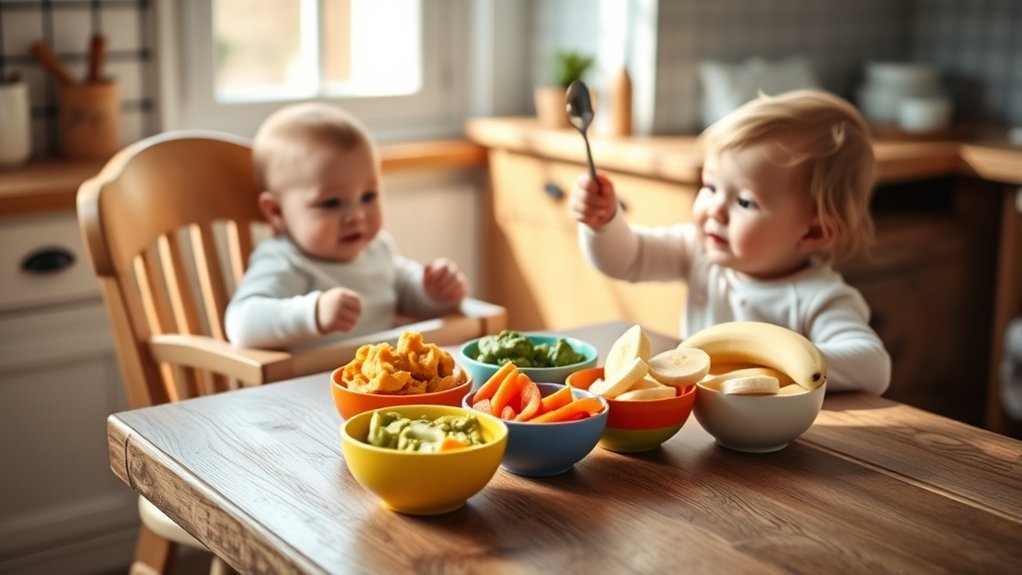
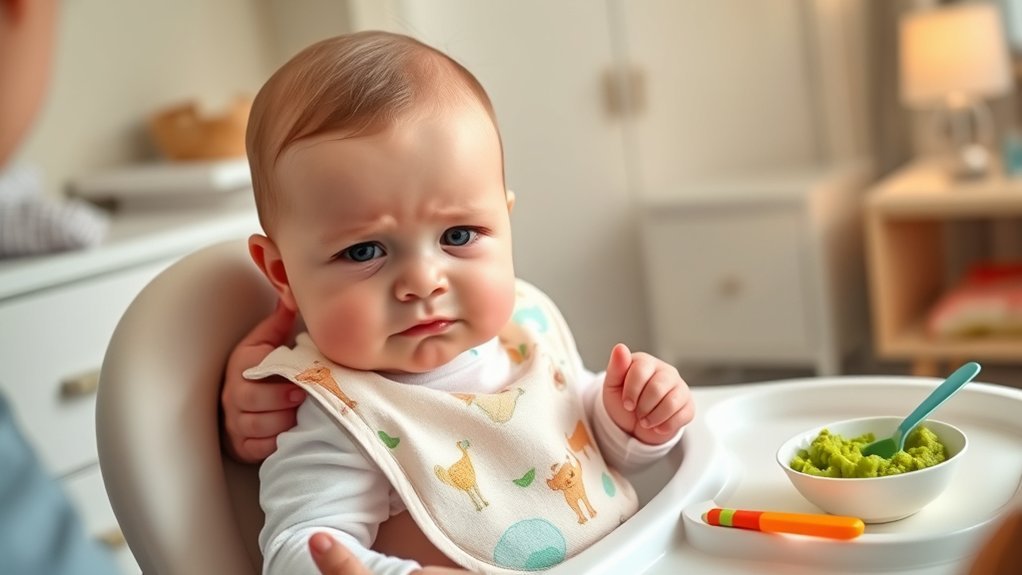
Gas can become more noticeable when your baby starts solid foods because new carbohydrates reach the gut, stool patterns change, and babies may swallow air while learning to eat. Mild gassiness is usually manageable, but it is important to watch for constipation, food-allergy symptoms, or signs that your baby is unwell.
Quick Answer
Gas after starting solids is usually related to swallowed air, normal gut fermentation, or constipation—not a dangerous reaction. Offer small portions, introduce foods gradually, and keep breast milk or formula as the main nutrition through 12 months. Contact your pediatrician for persistent pain, vomiting, blood in the stool, poor feeding, or allergy symptoms.
Key Takeaways
- Some extra gas can occur as your baby begins eating a wider range of carbohydrates and fiber.
- Start with small portions, introduce one new food at a time, and record symptoms instead of removing many nutritious foods at once.
- Constipation can cause bloating and discomfort, so track stool texture as well as how often your baby poops.
- Gas alone does not usually mean a food allergy; hives, swelling, repeated vomiting, wheezing, or breathing trouble need prompt medical attention.
- Use tummy time only while your baby is awake and supervised, and ask a pediatrician before giving gas drops, gripe water, probiotics, or other remedies.
At a Glance
| Time Required | A few minutes per meal, plus several days of observation after a new food |
| Difficulty | Easy, with close symptom monitoring |
| Tools Needed | Safe high chair, age-appropriate utensils, open or straw cup, and a simple food-and-symptom log |
| Cost | No special product is usually needed |
Why Gas Can Increase After Starting Solids

Digestive gas mainly comes from swallowed air and from bacteria breaking down carbohydrates that were not fully digested in the small intestine. The National Institute of Diabetes and Digestive and Kidney Diseases explains that this process can cause burping, bloating, and passing gas.
Starting solids changes both the types and amounts of carbohydrates your baby eats. New textures may also change how quickly your baby eats and how much air they swallow. These changes do not mean the digestive system is failing; they are part of learning to handle a broader diet.

Power your essentials anywhere with a 999Wh pure sine wave power station delivering up to 1000W continuous with 2000W surge. It supports fast charging via USB-C PD 60W and USB-A QC 18W, plus simultaneous output for multiple devices through AC, USB, wireless, and car/DC ports. Recharge using AC, car, or solar with a built-in MPPT controller and dual cooling fans, while the upgraded battery management system protects against surges, short circuits, and overheating.

Little Remedies Gas Drops for Newborns gently relieves tummy pain from excess gas from food or swallowing of air and have a great natural berry flavor

Mylicon, the #1 pediatrician recommended brand, has been providing safe, effective relief of infant gas for generations
Common Reasons for More Gas
- Fermentable carbohydrates: Beans, lentils, peas, broccoli, cabbage, and some fruits can produce more gas in some babies.
- Larger portions: A full serving of a new high-fiber food may be harder to tolerate than a teaspoon or two.
- Swallowed air: Fast bottle feeds, crying during a meal, or taking bites too quickly can increase swallowed air.
- Constipation: Hard or difficult stools can trap gas and make the belly feel bloated.
- Individual tolerance: A food that makes one baby gassy may not bother another baby at all.
Normal Changes Versus a Problem
Passing more gas, having stools that become firmer or change color, and brief mild fussiness can occur after solids begin. Your baby should still feed reasonably well, have regular wet diapers, and settle between episodes.
Gas deserves medical attention when it comes with repeated vomiting, a hard or swollen belly, blood in the stool, poor feeding, fewer wet diapers, fever, breathing trouble, or poor weight gain.
Foods That May Contribute to Gas

There is no universal list of foods that every baby must avoid. Beans, lentils, peas, cruciferous vegetables, whole grains, and some fruits contain carbohydrates or fiber that gut bacteria can ferment. They remain nutritious foods and can usually stay in the diet in smaller portions.
How to Handle Suspected Trigger Foods
- Reduce the portion rather than removing the food permanently.
- Offer the food earlier in the day so you can observe your baby.
- Pair it with a familiar food your baby already tolerates.
- Try the food again after several days unless your baby had signs of an allergy or a severe reaction.
Note: Bananas and melons are healthy infant foods and are not established universal gas triggers. Watch your own baby’s response instead of avoiding them automatically.
Dairy, Lactose, and Milk Allergy Are Different
Pasteurized yogurt and cheese can be introduced in age-appropriate forms once a baby is ready for solids, but cow’s milk should not replace breast milk or infant formula as a drink before 12 months. Primary lactose intolerance usually develops after infancy, while congenital lactase deficiency is rare. Milk-protein allergy is an immune reaction and is different from lactose intolerance.
Do not switch formula, stop breastfeeding, or remove all dairy because of gas alone. Ask your pediatrician before making a major dietary change, especially if symptoms include blood in the stool, repeated vomiting, eczema, hives, swelling, wheezing, or poor growth.
Warning: Do not use a broad elimination diet for a baby or breastfeeding parent without medical guidance. Unnecessary restrictions can reduce nutrient variety and may delay evaluation of the real cause.
A Safe Feeding Plan to Reduce Gas Discomfort
The CDC recommends starting solid foods at about 6 months, once a baby has the needed developmental skills. Introducing solids before 4 months is not recommended.
- Check readiness: Your baby should have good head and neck control, sit with support, open their mouth for food, and move food back to swallow.
- Start small: Offer about 1 to 2 tablespoons, and let hunger and fullness cues guide the meal.
- Introduce foods one at a time: Waiting 3 to 5 days between new foods can make reactions easier to identify.
- Keep milk feeds: Breast milk or infant formula remains the main source of nutrition from 6 through 12 months.
- Seat your baby upright: Use a safe high chair and prepare food in the right shape, size, and texture. The CDC advises that babies sit up while eating to reduce choking risk.
- Offer water appropriately: From about 6 months, small amounts of water can be offered in a cup. Do not dilute formula, and do not replace needed breast milk or formula with water.
Children younger than 12 months should not drink fruit or vegetable juice. The CDC also advises avoiding honey before 12 months because of the risk of infant botulism.
Ways to Soothe Mild Gas Discomfort
Simple comfort measures may help if your baby is otherwise well:
- Slow the pace of feeding and pause if your baby is crying or gulping.
- Burp during or after breast or bottle feeds if your baby tends to swallow air.
- Move your baby’s legs gently in a bicycle motion while they lie on their back.
- Use a light clockwise tummy massage, stopping if your baby seems painful or resists.
- Try short periods of tummy time only while your baby is awake and directly supervised.
- Avoid tummy time immediately after a large feed, when pressure may increase spit-up.
The most useful “gas remedy” is often a slower feeding pace, smaller portions, and careful tracking—not removing every food that contains fiber.
Pro Tip: Record the food, portion, time eaten, stool texture, and symptoms. A pattern across repeated exposures is more useful than one fussy evening.
Evidence for over-the-counter infant gas drops is limited, and gripe water products vary. Ask your pediatrician before giving gas drops, gripe water, probiotics, herbal products, or constipation medicine.
Can Constipation Cause Gas After Starting Solids?
Yes. Constipation may become noticeable when food intake changes or fluid intake does not keep pace. Signs include hard, dry, or lumpy stools; painful bowel movements; a swollen belly; or clear discomfort while trying to poop.
The NIDDK advises medical evaluation when constipation occurs with blood in the stool, bloating, constant abdominal pain, vomiting, or weight loss. For a baby, contact the pediatrician sooner if symptoms are severe, feeding drops, wet diapers decrease, or the belly becomes hard and swollen.
Do not give extra water to a baby younger than 6 months or use juice, suppositories, laxatives, or rectal stimulation unless your pediatrician recommends it.
How to Tell Gas From a Food Allergy
Gas by itself is not a typical sign of a dangerous food allergy. Food-allergy symptoms can affect the skin, breathing, circulation, or digestive system. The American Academy of Pediatrics lists symptoms such as hives, swelling, coughing, wheezing, throat tightness, nausea, vomiting, abdominal pain, and diarrhea.
An intolerance is different from an allergy. An intolerance may cause gas, bloating, or diarrhea but does not involve the same immune reaction. A clinician should evaluate repeated symptoms before a food is removed long term.
Warning: Call 911 for trouble breathing or swallowing, sudden wheezing, swelling of the lips or tongue, a pale or bluish color, collapse, or other signs of anaphylaxis. Do not wait to see whether the symptoms become gas.
When to Call Your Pediatrician
Get Emergency Help Now
- Trouble breathing, wheezing, or difficulty swallowing
- Swelling of the lips, tongue, face, or throat
- Pale or bluish skin, limpness, collapse, or severe lethargy
- Repeated green vomit, bloody vomit, or a life-threatening appearance
Contact the Pediatrician Promptly
- Blood or mucus in the stool
- A swollen, hard, or very tender belly
- Repeated vomiting, diarrhea, or fever
- Poor feeding, fewer wet diapers, or signs of dehydration
- Persistent inconsolable crying or pain
- Poor weight gain or symptoms that keep returning with the same food
- Gas or constipation that is worsening instead of improving
Trust your instincts. Parents often notice a meaningful change in feeding, behavior, or energy before a symptom list captures it.
How to Monitor Your Baby’s Reactions to New Foods

A short food-and-symptom log can help you separate a one-time episode from a repeatable pattern. Write down:
- The food and all ingredients
- The amount offered and amount eaten
- The time the food was eaten
- Gas, bloating, crying, rash, vomiting, coughing, or breathing changes
- Stool texture and frequency
- Wet diapers and overall feeding
- How long symptoms lasted and what helped
Immediate hives, swelling, vomiting, coughing, wheezing, or breathing trouble are more concerning for allergy than gas that appears hours later. Share the log with your pediatrician rather than repeatedly testing a food that caused a serious reaction.
Long-Term Strategies for Digestive Health
- Offer a varied diet that includes iron-rich foods, vegetables, fruits, grains, proteins, and age-appropriate dairy.
- Increase fiber gradually instead of serving several large high-fiber portions at once.
- Continue breast milk or infant formula through the first year while complementary foods expand.
- Offer 4 to 8 ounces of water per day from 6 to 12 months, according to your baby’s needs and pediatric guidance.
- Avoid juice before 12 months, honey before 12 months, and foods prepared in unsafe choking shapes.
- Do not remove common allergens or delay them without medical advice; babies with severe eczema or an existing food allergy may need an individualized plan.
If you are breastfeeding, you generally do not need to avoid specific foods because your baby has gas. The CDC recommends a healthy, varied maternal diet unless a health professional identifies a specific reason for restriction.
Frequently Asked Questions
How long does gas usually last after starting solids?
There is no fixed timeline. Mild gas may come and go as portions and food variety increase. Contact your pediatrician if discomfort is persistent, worsening, disrupting feeding or sleep, or occurring with vomiting, blood in the stool, a swollen belly, fever, or poor growth.
Can certain feeding positions help reduce gas?
Keep your baby upright and well supported for solid-food meals. This position is important for swallowing and choking prevention. During breast or bottle feeds, a slower pace and gentle burping may reduce swallowed air. No reliable evidence supports a specific percentage reduction in gas.
Should I stop giving beans or broccoli?
Usually not. These foods are nutritious. Try a smaller portion, cook until soft, and offer them again later. Stop and seek medical guidance if the food causes allergy symptoms, repeated severe pain, vomiting, blood in the stool, or another concerning reaction.
Is it normal for gas to worsen with certain foods?
Yes. Fermentable carbohydrates and larger fiber portions can increase gas in some babies. The effect is individual, so use a food log and look for a repeatable pattern rather than assuming every high-fiber food is a problem.
What are signs my baby is allergic to a food?
Possible signs include hives, swelling, repeated vomiting, coughing, wheezing, trouble breathing or swallowing, sudden lethargy, or pale or bluish skin. Call 911 for breathing trouble, facial or tongue swelling, collapse, or another severe reaction.
How can I soothe my baby during a gas episode?
Try a slower feeding pace, gentle burping after milk feeds, bicycle-leg movements, a light tummy massage, or supervised awake tummy time. Stop any technique that seems painful, and do not place your baby on their stomach to sleep.
Can constipation make my baby seem gassy?
Yes. Hard, dry, or painful stools can cause bloating and trapped gas. Contact your pediatrician if constipation comes with vomiting, blood in the stool, a hard swollen belly, poor feeding, dehydration, or ongoing pain.
Should I use gas drops, gripe water, or probiotics?
Ask your pediatrician first. Evidence for infant gas drops is limited, gripe water formulas vary, and probiotics are strain- and condition-specific. A product can also distract from constipation, allergy, feeding difficulty, or another cause that needs evaluation.
Conclusion
Extra gas can be part of the transition to solid foods, but it should not require a severely restricted diet. Start with small portions, keep feeding varied age-appropriate foods, and track patterns in gas, stools, and behavior. Use gentle comfort measures for mild symptoms, and contact your pediatrician when pain persists or gas appears with vomiting, blood in the stool, poor feeding, a swollen belly, allergy symptoms, or poor growth.
Sources
- CDC: When, What, and How to Introduce Solid Foods — readiness, timing, portions, and gradual food introduction.
- CDC: Choking Hazards — safe seating, food preparation, and mealtime supervision.
- CDC: Foods and Drinks to Avoid or Limit — juice and honey guidance for infants.
- American Academy of Pediatrics: Food Allergies in Children — food-allergy symptoms and evaluation.
- NIDDK: Gas in the Digestive Tract — how swallowed air and carbohydrate fermentation produce gas.
- NIDDK: Constipation in Children — constipation symptoms and warning signs.