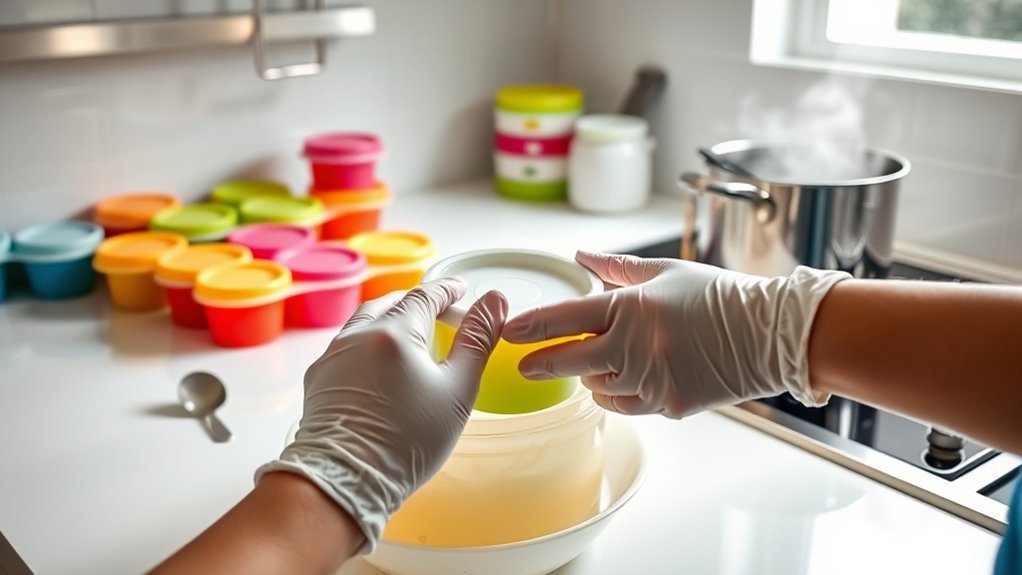

Baby food choking hazards include foods that are round, hard, sticky, slippery, or difficult to chew. Whole grapes, hot dogs, nuts, popcorn, hard candy, raw vegetables, and thick spoonfuls of nut butter are common examples. You can lower the risk by choosing developmentally appropriate textures, preparing food carefully, seating your child upright, and supervising every bite.
Quick Answer
Avoid serving whole grapes, round hot-dog slices, nuts, popcorn, hard or sticky candy, raw hard vegetables, and large meat or cheese pieces to babies and young children. Prepare food to match your child’s development, keep them seated upright, supervise closely, and learn infant choking first aid before an emergency occurs.
Key Takeaways
- Cut grapes lengthwise into quarters and never serve whole grapes to a baby or young child.
- Quarter hot dogs lengthwise before cutting them crosswise into small pieces; do not serve round coin-shaped slices.
- Avoid hard, round, sticky, or chewy foods that are difficult for a young child to manage.
- Seat your child upright and supervise the entire meal without phones, toys, walking, or rushing.
- Learn the difference between noisy gagging and severe choking, which may be silent.
- Take a certified infant CPR and first-aid course so you can respond correctly in an emergency.
At a Glance
| Time Required | About 2–5 minutes to inspect and prepare each meal or snack |
| Difficulty | Easy, but requires constant supervision |
| Tools Needed | Stable high chair, cutting board, sharp knife, fork, masher, or steamer |
| Cost | Usually no additional cost beyond normal food-preparation supplies |
Warning: Call 911 immediately if your child cannot breathe, cough, cry, speak, or make a sound; turns blue, gray, or very pale; or becomes limp or unresponsive. Do not give abdominal thrusts to an infant younger than 1 year, and never perform a blind finger sweep inside the mouth.
Understanding Choking Hazards for Babies
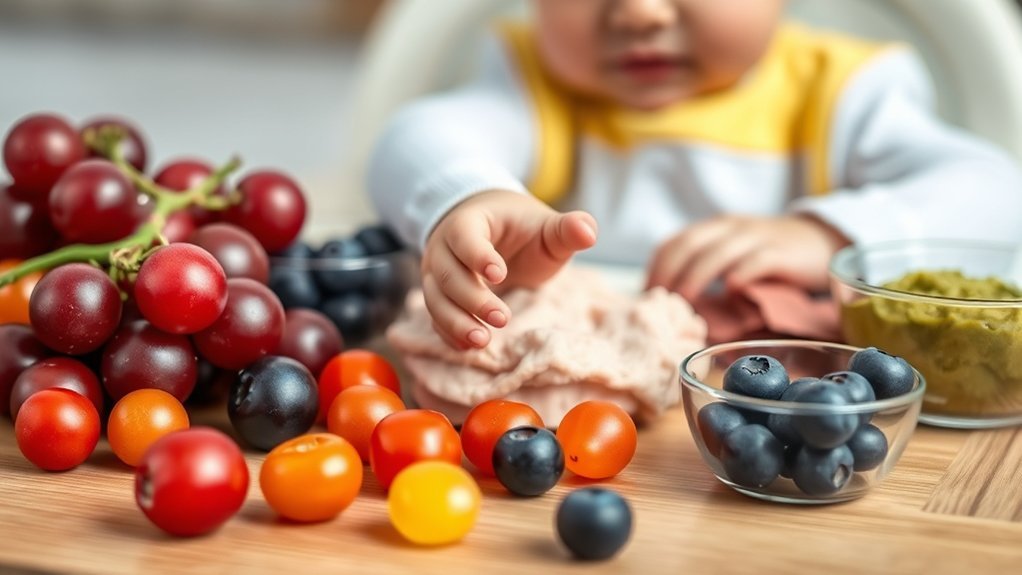
Choking happens when food or another object blocks the airway. A complete blockage prevents normal breathing and can become life-threatening within minutes.
Babies and young children are especially vulnerable because they are still learning to bite, move food around the mouth, chew, and swallow. Their airways are also small, so a round piece of food can create a tight seal.
The Centers for Disease Control and Prevention advises caregivers to prepare food in the right shape, size, and texture for the child’s development. Children should sit upright, eat in a calm setting, and be watched at all times.
Food preparation lowers choking risk, but close supervision and emergency readiness are still essential at every meal.

Power your essentials anywhere with a 999Wh pure sine wave power station delivering up to 1000W continuous with 2000W surge. It supports fast charging via USB-C PD 60W and USB-A QC 18W, plus simultaneous output for multiple devices through AC, USB, wireless, and car/DC ports. Recharge using AC, car, or solar with a built-in MPPT controller and dual cooling fans, while the upgraded battery management system protects against surges, short circuits, and overheating.

3-IN-1 PORTABLE BOOSTER SEAT – Booster Seat for Table, Feeding Seat and Toddler Floor Chair

To assemble the Ingenuity Baby Base, remove the tray, turn seat over and remove the seat back from underneath the base (tip: chair straps are also stored under the seat), and place seat back onto the top of the base; back not removable after installation
When Is a Baby Ready for Solid Foods?
Most babies begin foods other than breast milk or infant formula at about 6 months, but age alone does not show that a baby is ready. According to the CDC’s solid-food guidance, readiness signs include:
- Sitting alone or with support.
- Controlling the head and neck.
- Opening the mouth when food is offered.
- Swallowing food instead of pushing it back out.
- Bringing objects to the mouth.
- Moving food from the front to the back of the tongue.
A premature baby, a child with low muscle tone, or a child with swallowing or developmental concerns may need individualized guidance. Ask your pediatrician or a feeding specialist before changing food textures if you are unsure.
Gagging Versus Choking
Gagging and choking are not the same. Gagging is a protective reflex that helps move food forward and away from the airway. It can look alarming, especially when a baby is learning new textures.
Common Signs of Gagging
- Coughing, retching, or making noise.
- Opening the mouth or pushing the tongue forward.
- Watery eyes or a red face.
- Continuing to breathe.
Signs of Severe Choking
- Unable to breathe, cry, cough effectively, speak, or make a sound.
- Weak or high-pitched noises instead of a strong cough.
- Panicked appearance or clutching at the throat in an older child.
- Blue, gray, or very pale skin or lips.
- Becoming limp or unresponsive.
If a baby is coughing or crying effectively, allow them to keep coughing while you watch closely. Do not slap their back while they have an effective cough. Begin choking first aid when the airway appears severely blocked and the child cannot breathe, cough, cry, or make sound.
How to Create a Safe Eating Environment
A safe setting cannot remove every risk, but it makes choking less likely and helps you respond quickly.
- Use safe seating: Place your baby upright in a stable high chair or other secure seat.
- Stay within reach: Watch the entire meal. Supervision from another room is not enough.
- Reduce distractions: Turn off television, put away toys, and avoid rushing.
- Keep food at the table: Do not let a child eat while walking, crawling, lying down, playing, or running.
- Avoid eating in a moving car or stroller: Movement and limited access can make it harder to notice and respond to choking.
- Check the food: Remove bones, pits, tough skins, wrappers, skewers, and other hard objects.
- Check the area: Remove coins, batteries, toy parts, balloons, pen caps, and other small items.
Pro Tip: Test soft food by pressing it between your thumb and forefinger or mashing it with a fork. If it stays firm, rubbery, or difficult to break apart, cook it longer or choose another texture.
Top 10 Foods to Avoid or Modify for Baby Safety

The following categories include foods identified by the CDC, USDA, and American Academy of Pediatrics as common choking hazards. Some should be avoided until the child is older, while others can be served after careful modification.
- Whole grapes and other round fruit: Quarter grapes lengthwise. Cut cherry tomatoes, cherries, berries, and melon balls into safe, non-round pieces. Remove pits.
- Hot dogs, sausages, and meat sticks: Quarter them lengthwise and then cut them crosswise into small pieces. Never serve coin-shaped rounds.
- Whole nuts and seeds: Do not give whole or chopped nuts or seeds to babies. Use finely ground forms or safely thinned nut butter when appropriate.
- Hard, gummy, or sticky candy: Avoid hard candy, jelly beans, caramels, gumdrops, gummy candy, chewing gum, and marshmallows.
- Popcorn and hard snacks: Avoid popcorn, chips, hard pretzels, and hard or chunky granola bars.
- Hard raw fruits and vegetables: Cook carrots, apples, celery, and similar foods until soft, then cut or mash them appropriately.
- Large meat or cheese pieces: Shred, mince, or finely chop tough meat. Cut cheese into small pieces rather than serving cubes or string-cheese chunks.
- Thick nut or seed butter: Never offer a spoonful or thick lump. Thin smooth nut butter with warm water, breast milk, formula, yogurt, or puree, or spread it thinly.
- Whole kernels, beans, and dried fruit: Mash beans and kernels when needed. Cook or soften dried fruit and cut it into manageable pieces.
- Foods with bones, pits, or hard fragments: Carefully inspect fish, meat, and fruit before serving.
Note: “Avoid” does not always mean a food can never be offered. Many nutritious foods become safer when cooked, mashed, shredded, thinned, or cut into an appropriate shape. Whole nuts, popcorn, hard candy, and chewing gum should wait until the child is developmentally able to manage them.
Why Are Whole Grapes Dangerous for Infants?
Whole grapes are a serious choking hazard because they are round, firm, smooth, and close to the size of a young child’s airway. Their slippery surface can also make them difficult to control in the mouth.
Risk of Airway Blockage
A whole grape or a round crosswise slice can create a tight airway blockage. Babies and toddlers may swallow food before chewing it thoroughly, especially when distracted or rushing.
Similar risks apply to cherry tomatoes, cherries, melon balls, round berries, and other firm foods with a rounded shape.
Proper Preparation Methods
- Wash the grapes and remove them from the stem.
- Cut each grape from the stem end to the bottom so the pieces run lengthwise.
- Cut each half lengthwise again to make four narrow pieces.
- Remove seeds and discard damaged or unusually firm grapes.
- Stay beside your child while they eat.
Do not rely on cutting a grape in half across the middle. The resulting round pieces can still block the airway. Routine peeling is not a substitute for correct lengthwise cutting.
How to Serve Hot Dogs Safely

A whole hot dog and a round hot-dog slice can fit tightly inside a child’s airway. If you choose to serve a hot dog, prepare it carefully and consider its high sodium content when planning the rest of the meal.
Proper Cutting Techniques
- Remove any tough casing.
- Cut the hot dog in half lengthwise.
- Cut each half lengthwise again, creating four narrow quarters.
- Cut the quarters crosswise into small pieces appropriate for your child.
Do not serve a whole hot dog or cut it into round coins. Lengthwise quartering removes the circular shape that can seal the airway.
Safe Serving Methods
Serve hot-dog pieces while your child is seated upright. Offer only a few pieces at a time, and do not encourage large bites or rapid eating. Mixing small pieces into a soft food does not replace proper cutting because the child may still separate and swallow a piece.
For children younger than 1, choose softer, lower-sodium protein foods more often, such as finely shredded tender meat, mashed beans, scrambled egg, or appropriately prepared tofu.
Common Snack Foods That Pose Choking Risks
Many convenient snacks are hard, sticky, dry, or difficult to break apart with limited chewing skills. Higher-risk examples include:
- Popcorn.
- Hard pretzels and chips.
- Hard or gummy candy.
- Chewing gum.
- Marshmallows.
- Chewy fruit snacks.
- Hard granola bars.
- Whole nuts and seeds.
- Large pieces of dried fruit.
- Thick spoonfuls of peanut or seed butter.
Safer snack options may include yogurt, soft ripe fruit, applesauce, soft cooked vegetables, scrambled egg, tender shredded meat, thinly spread smooth nut butter, or cheese cut into appropriate pieces.
How to Prepare Safe Foods for Self-Feeding
Self-feeding can help a baby practice hand-to-mouth coordination and explore new textures. The same choking-prevention rules apply whether you use spoon-feeding, finger foods, baby-led weaning, or a combination.
- Start with soft textures: Food should mash easily with a fork or between your fingers.
- Match the child’s development: Choose shapes the baby can hold and control without leaving a hard, round piece in the mouth.
- Keep chopped pieces small: The American Academy of Pediatrics recommends pieces no larger than one-half inch for infants and young children.
- Avoid hard and sticky textures: Softness matters as much as size.
- Offer a few pieces at a time: This discourages stuffing the mouth.
- Watch the full meal: Do not leave the baby alone with food, even briefly.
Examples of softer foods include mashed avocado, ripe banana, scrambled egg, well-cooked pasta, soft cooked vegetables, finely shredded tender meat, and mashed beans. The AAP provides additional guidance on starting solids and finger foods.
How to Recognize Signs of Choking
Act immediately when a child shows signs of a severely blocked airway:
- Cannot breathe or take an effective breath.
- Cannot cough, cry, speak, or make normal sounds.
- Makes a weak, high-pitched, or squeaking noise.
- Looks panicked or grabs the throat.
- Turns blue, gray, or very pale.
- Becomes limp or unresponsive.
A child who is coughing forcefully or crying is still moving air. Encourage continued coughing, stay close, and be ready to act if the cough weakens or the child can no longer breathe or make sound.
What to Do if a Baby Chokes
The following overview is based on current American Heart Association pediatric basic life support guidance. It does not replace hands-on instruction from a certified CPR and first-aid course.
For a Severely Choking Infant Younger Than 1
- Have someone call 911. If you are alone, use speakerphone when possible while beginning care.
- Support the infant face-down with the head lower than the chest.
- Give five firm back blows between the shoulder blades.
- Turn the infant face-up while continuing to support the head and neck.
- Give five chest thrusts.
- Repeat cycles of five back blows and five chest thrusts until the object comes out or the infant becomes unresponsive.
Do not give abdominal thrusts to an infant.
For a Severely Choking Child Aged 1 or Older
- Call 911 or direct another person to call.
- Give five back blows.
- Give five abdominal thrusts.
- Continue alternating five back blows and five abdominal thrusts until the object comes out or the child becomes unresponsive.
If the Child Becomes Unresponsive
Lower the child onto a firm, flat surface and begin CPR according to your training. Before giving breaths, look inside the mouth. Remove an object only when you can clearly see it and can remove it safely. Never sweep blindly with a finger because this may push the object deeper.
Warning: Even the best written instructions cannot replace hands-on practice. Enroll every regular caregiver in an infant and child CPR course from the American Heart Association, American Red Cross, or another recognized training provider.
Non-Food Choking Hazards
Food is not the only risk. Babies explore objects with their mouths, and older siblings may unknowingly leave small items within reach.
Keep these items away from babies and young children:
- Deflated balloons and balloon pieces.
- Coins and small batteries.
- Marbles and small balls.
- Loose toy parts and broken toys.
- Pen and marker caps.
- Buttons, beads, screws, and jewelry.
- Medicine syringes and removable caps.
- Plastic wrappers and small household objects.
Check under furniture, between cushions, inside bags, and around play areas. Button or coin batteries require immediate emergency attention if swallowed because they can cause severe internal injury as well as choking.
Building Confidence in Eating: Gradually Introducing Safe Foods
Babies develop eating skills through practice. Begin with soft foods and gradually offer more texture as your child shows better head control, hand coordination, tongue movement, biting, and chewing.
Let your child explore food without rushing. Offer small amounts, respond to hunger and fullness cues, and stop when your child turns away or closes their mouth. Avoid forcing another bite.
Some gagging may occur while a baby learns new textures. Frequent coughing, repeated choking, a wet or gurgly voice after eating, poor weight gain, trouble swallowing, or ongoing breathing problems are reasons to contact your pediatrician. A feeding or swallowing specialist may be recommended.
Frequently Asked Questions
At what age can babies safely start eating solids?
Most babies begin solid foods at about 6 months when they can control their head and neck, sit alone or with support, open their mouth for food, and swallow rather than push food back out. Ask your pediatrician if your baby was premature or has developmental or swallowing concerns.
How can I tell if a food is safe for my baby?
Consider the food’s shape, size, hardness, stickiness, and texture. It should match your baby’s development and be easy to mash or break apart. Avoid hard, round, slippery, rubbery, sticky, or tough pieces that could block the airway.
What should I do if my baby chokes?
Call 911 and begin infant choking first aid if the baby cannot breathe, cry, cough effectively, or make sound. For an infant younger than 1, alternate five back blows with five chest thrusts. Do not use abdominal thrusts. Begin CPR if the infant becomes unresponsive, following your training.
Are homemade baby foods safer than store-bought foods?
Neither option is automatically safer from choking. Safety depends on ingredients, preparation, storage, texture, shape, serving size, and your child’s development. Inspect commercial food for age guidance and damage, and prepare homemade food with clean tools and safe storage practices.
Can teething affect my baby’s ability to eat safely?
Teething discomfort may temporarily make a baby less interested in chewing or trying firm textures. Offer soft, cool foods that match the baby’s feeding skills. Contact your pediatrician if your child repeatedly coughs, chokes, refuses all food, or appears to have trouble swallowing.
What is the difference between gagging and choking?
Gagging is usually noisy, and the baby can still breathe, cough, or retch. Severe choking may be silent because air cannot move through the airway. A child who cannot breathe, cry, cough effectively, speak, or make sound needs immediate choking first aid and emergency help.
Can babies safely eat peanut butter?
Smooth peanut butter may be introduced in a baby-safe form when the baby is ready for solids, but never offer a thick spoonful or whole peanuts. Thin smooth peanut butter with water, breast milk, formula, yogurt, or puree. Ask your pediatrician first if your baby has severe eczema, egg allergy, or another allergy concern.
When can children eat whole grapes, nuts, or popcorn?
The AAP advises keeping high-risk foods away from children until at least age 4 or longer when development or maturity requires it. Grapes can be served earlier when quartered lengthwise. Whole nuts and popcorn should wait until the child can chew them reliably and follow safe eating rules.
Conclusion
Preventing baby food choking starts with three habits: prepare food for your child’s current skills, keep your child seated upright, and supervise every meal. Cut grapes and hot dogs correctly, avoid hard or sticky foods, and do not rely on size alone—shape and texture also matter.
Learn the signs of severe choking and complete a certified infant CPR and first-aid course before an emergency happens. This guide provides general safety information and does not replace advice from your child’s pediatrician, especially when a baby has developmental, feeding, allergy, or swallowing concerns.
Sources
- Centers for Disease Control and Prevention: Choking Hazards — food preparation, mealtime supervision, and common choking hazards.
- Centers for Disease Control and Prevention: Introducing Solid Foods — developmental readiness signs and starting solids.
- American Academy of Pediatrics: Choking Prevention — high-risk foods, warning signs, food size, and prevention.
- American Academy of Pediatrics: Starting Solid Foods — finger foods, safe textures, and feeding readiness.
- American Heart Association: Pediatric Basic Life Support Guidelines — current response to severe choking in infants and children.
- USDA WIC: Reducing the Risk of Choking in Young Children — safe food preparation and serving guidance.