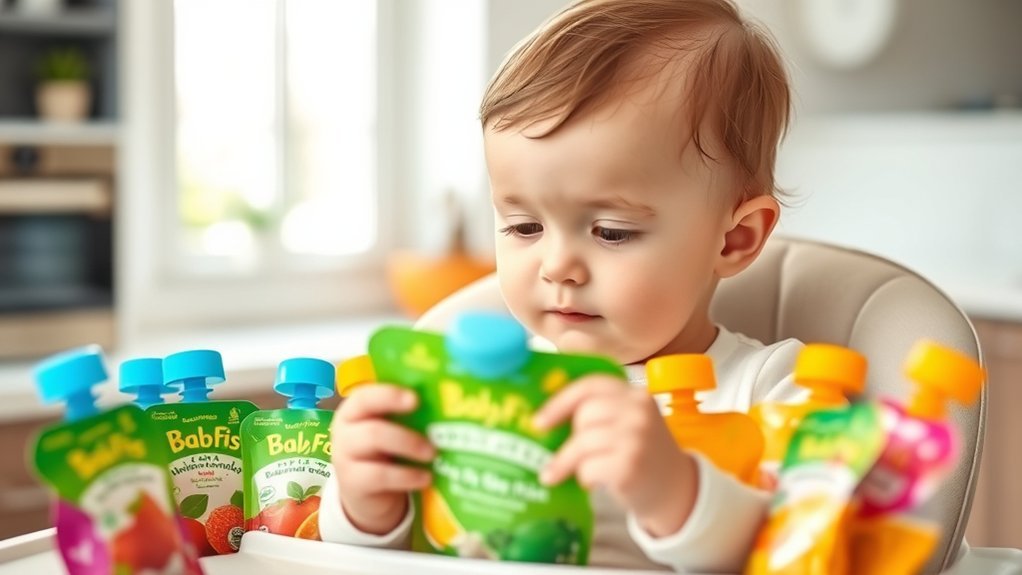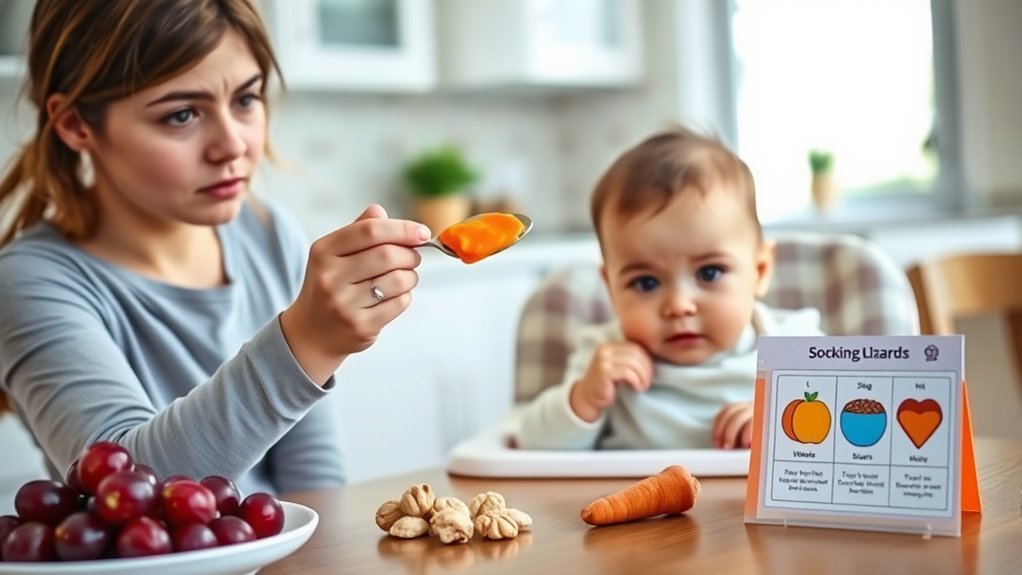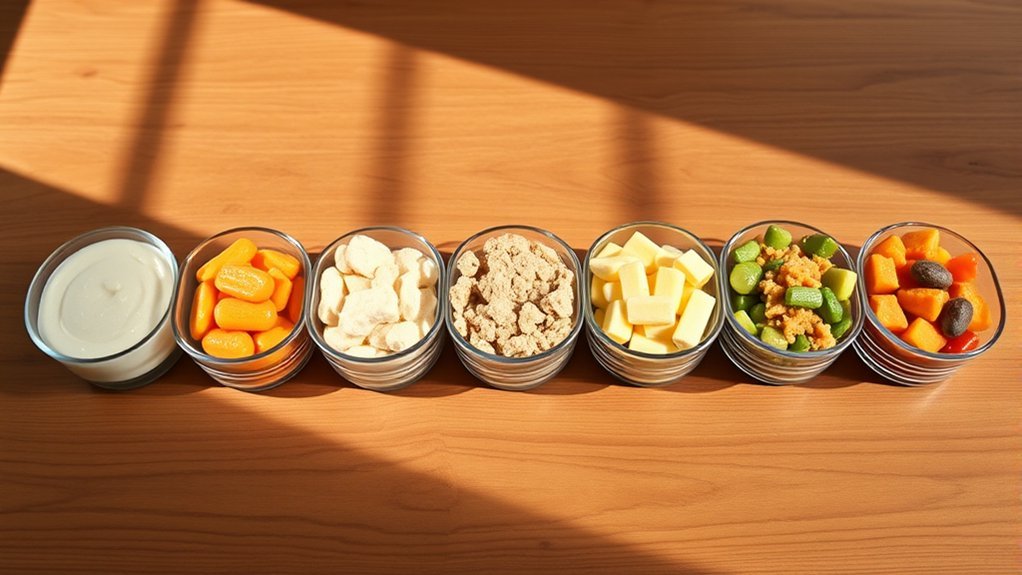
Some baby foods contain soy, but many do not. Soy is most likely to appear in soy-based infant formula, tofu, soy yogurt, mixed meals, cereals, snacks, and products made with soy protein or soy lecithin. Plain fruit and vegetable purees are often soy-free, but recipes vary, so check the ingredient list every time.
Quick Answer
Not all baby foods contain soy. It is common in soy-based formula and may appear in mixed meals, cereals, snacks, dairy alternatives, tofu products, and ingredients such as soy protein or soy lecithin. Because recipes can change, read both the ingredient list and allergen statement on every package.
Key Takeaways
- Some commercial baby foods contain soy, while many single-ingredient fruit, vegetable, grain, and meat products do not.
- Soy is one of the nine major food allergens in the United States and must be clearly identified on most packaged foods regulated by the FDA.
- Most babies can try an age-appropriate soy food once they are ready for complementary foods, usually around six months.
- Soft tofu or thoroughly cooked, mashed edamame are safer first textures than whole soybeans, soy nuts, or dry roasted edamame.
- Soy-based infant formula is not the same as ordinary soy beverage. Before 12 months, breast milk or infant formula should remain a baby’s main drink.
The safest approach is label-by-label: soy is common in certain formulas and mixed foods, but there is no reliable rule that applies to every baby-food product.
Why Soy Appears in Some Baby Foods
Soy comes from soybeans, which are legumes. Manufacturers can turn soybeans into tofu, soy protein, soy flour, soy yogurt, soy beverage, soybean oil, and lecithin. These ingredients may be used for protein, texture, emulsification, or as an alternative to dairy ingredients.
Soy is especially easy to identify when it is the main food, such as tofu or soy-based infant formula. It can be less obvious in mixed products, where it may appear as soy protein concentrate, soy protein isolate, soy flour, textured soy protein, hydrolyzed soy protein, or soy lecithin.
Products more likely to contain soy include:
- Soy-based infant formula
- Tofu, tempeh, edamame, and mashed soybean products
- Soy yogurt and other soy-based dairy alternatives
- Mixed vegetable-and-protein meals
- Some infant cereals, toddler snacks, crackers, and baked products
- Foods containing soy protein, soy flour, or soy lecithin
Products less likely to contain soy include plain, single-ingredient fruit or vegetable purees. However, the absence of soy in one flavor or package size does not guarantee that another product from the same brand is soy-free.

Power your essentials anywhere with a 999Wh pure sine wave power station delivering up to 1000W continuous with 2000W surge. It supports fast charging via USB-C PD 60W and USB-A QC 18W, plus simultaneous output for multiple devices through AC, USB, wireless, and car/DC ports. Recharge using AC, car, or solar with a built-in MPPT controller and dual cooling fans, while the upgraded battery management system protects against surges, short circuits, and overheating.

7G OF PROTEIN FOR BABY: Beech-Nut Meat Baby Food is a savory blend of real pureed chicken & chicken broth. Each jar contains 7 grams of protein to help keep baby full.

Nutritional Benefits and Limitations of Soy
Soy foods can contribute protein to a varied infant diet. The Centers for Disease Control and Prevention lists soft tofu among the protein foods that can be offered to children from 6 to 12 months when the texture matches their feeding skills.
Some soy foods also provide iron, zinc, calcium, fat, or fiber, but the amounts vary widely. Whole soybeans and edamame contain more fiber than tofu or strained soy beverages. Tofu made with calcium salts may contain more calcium than tofu made with other coagulants. Fortified products may provide added nutrients, while sweetened or flavored products may contain added sugar.
Soy should be one part of a varied diet rather than a baby’s only complementary protein. Other suitable foods may include meat, poultry, fish, eggs, beans, lentils, peas, yogurt, or iron-fortified infant cereal, depending on the baby’s age, feeding skills, cultural diet, and known allergies.
Note: Ordinary soy beverage is not the same as soy-based infant formula. Before 12 months, breast milk or properly prepared infant formula should remain the main drink. The CDC advises waiting until 12 months before offering fortified dairy alternatives as a regular beverage.
Soy-Based Infant Formula Versus Soy Beverage
Soy-based infant formula is made specifically to meet infant nutrition requirements. The U.S. Food and Drug Administration regulates infant formula nutrient content and recognizes soy as one possible protein source in routine formulas for healthy full-term infants.
Ordinary refrigerated or shelf-stable soy beverage is a different product. It does not have the same required nutrient profile as infant formula and should not replace breast milk or formula during the first year.
Do not switch to soy formula solely because a baby is fussy, gassy, or spitting up. Those symptoms have many possible causes. A baby with a suspected cow’s-milk protein allergy may also react to soy, so formula selection should be discussed with a pediatrician. The American Academy of Pediatrics provides additional guidance on choosing an infant formula.
How to Introduce Soy Safely
Most babies can try soy once they are developmentally ready for complementary foods, usually around six months. Readiness signs include being able to sit with support, control the head and neck, bring objects to the mouth, and swallow food rather than pushing it back out.
The American Academy of Pediatrics states that delaying baby-safe allergenic foods such as soy beyond the usual complementary-feeding window does not prevent food allergy. However, evidence should not be overstated: introducing soy at six months does not guarantee that a soy allergy will be prevented.
Safe First Soy Foods
- Silken or soft tofu: Mash until smooth or offer a very soft strip appropriate for the baby’s feeding skills.
- Cooked edamame: Remove the beans from the pod, cook until very soft, and mash thoroughly.
- Plain soy yogurt: Choose a pasteurized, unsweetened product and check that its texture is appropriate.
- Soy-based infant formula: Use only a product labeled as infant formula and prepare it exactly as directed.
A Simple Introduction Process
- Choose a day when your baby is healthy and you can watch for a reaction.
- Read the full ingredient list so you know whether the food contains other new allergens.
- Start with a small amount of a smooth or very soft soy food.
- Watch for immediate symptoms during and after the meal.
- If no reaction occurs, gradually offer a normal age-appropriate serving on later occasions.
- Continue including a range of tolerated foods rather than relying heavily on one ingredient.
Pro Tip: Introduce soy earlier in the day rather than just before bedtime. This makes it easier to observe your baby and contact a healthcare professional if symptoms develop.
Soy Foods to Avoid or Modify
Do not give a baby whole soybeans, soy nuts, dry roasted edamame, or hard pieces of firm tofu. These can be difficult to chew and may cause choking. Edamame pods are not edible and should never be handed to a baby.
Avoid using soy sauce, miso, heavily seasoned tofu, or salty processed soy foods as a regular infant food. These products may contain far more sodium than a baby needs. Flavored soy yogurts and beverages may also contain added sugar.
Soy Allergy Symptoms and Health Concerns
Soy is one of the nine major food allergens recognized by the FDA. A baby can react to soy even without a known family history, although most babies who eat soy do not develop a soy allergy.
Immediate Soy Allergy Symptoms
An immediate food-allergy reaction usually begins within minutes, although it can sometimes take a few hours. Possible symptoms include:
- Hives, redness, or an itchy rash
- Swelling of the lips, face, tongue, or eyelids
- Vomiting, stomach cramps, or diarrhea
- Coughing, wheezing, hoarseness, or trouble breathing
- Sudden sleepiness, weakness, paleness, or collapse
Warning: Call 911 immediately for trouble breathing, throat or tongue swelling, widespread hives with vomiting, sudden collapse, or another severe reaction. Use prescribed epinephrine without delay when your child’s allergy action plan directs you to do so.
Stop serving the suspected food and contact your baby’s healthcare professional after a possible reaction, even if symptoms improve. Do not deliberately repeat the food at home to confirm an allergy.
Delayed Vomiting and FPIES
Food Protein-Induced Enterocolitis Syndrome, or FPIES, is a delayed food allergy that can be triggered by soy. It commonly causes repeated vomiting one to four hours after eating the trigger. A baby may also become pale, unusually sleepy, limp, dehydrated, or develop diarrhea.
Seek urgent medical care for repeated vomiting with marked sleepiness, weakness, paleness, poor responsiveness, or signs of dehydration. FPIES does not always cause hives or wheezing, so the absence of a rash does not rule out a serious reaction.
Who Should Get Medical Guidance First?
Talk with a pediatrician or allergist before introducing soy at home if your baby:
- Has already had a reaction to soy or another food
- Has a diagnosed food allergy
- Has severe or difficult-to-control eczema
- Has been diagnosed with FPIES
- Needs a formula change because of vomiting, blood in the stool, poor growth, or suspected milk-protein allergy
- Has another medical condition that affects feeding or nutrition
A peanut allergy or another legume allergy does not automatically require avoiding all soy products. Cross-reactivity found on an allergy test does not always mean the child will have symptoms when eating the food. An allergist can decide whether testing or a supervised food challenge is appropriate.
Long-Term Health Concerns
Soy contains isoflavones, sometimes called phytoestrogens, which has led to questions about hormones, fertility, and development. Current human evidence does not establish that ordinary age-appropriate soy foods in a varied diet cause hormonal or reproductive harm in children.
Likewise, limited observational research should not be used to tell families that soy causes Kawasaki disease. Observational associations can be affected by diet patterns, medical history, ancestry, and other factors and do not prove that one food caused an illness.
For most families, the practical concerns are more immediate: choosing the correct formula, preventing choking, avoiding excessive sodium or added sugar, reading allergen labels, and responding correctly to a suspected reaction.
How to Find Soy on Baby-Food Labels
On most packaged foods regulated by the FDA, soy must be identified by its food source. You may see it in either of these formats:
- In parentheses after an ingredient, such as “lecithin (soy)”
- In a statement near the ingredient list, such as “Contains: Soy”
Common terms that may indicate soy include:
- Soybeans or soya
- Soy protein, soy protein isolate, or soy protein concentrate
- Soy flour
- Hydrolyzed soy protein
- Textured vegetable protein when soy is identified as the source
- Tofu, tempeh, edamame, or miso
- Soy lecithin
Pro Tip: Read the ingredient list as well as the “Contains” statement. Recipes can change, and different flavors or package sizes from the same brand may use different ingredients.
Soy Lecithin and Soybean Oil
Soy lecithin contains very little soy protein, and highly refined soybean oil is exempt from the federal major-allergen definition because processing removes nearly all protein. Many people with soy allergy tolerate these ingredients, but tolerance is not universal.
If your child has a diagnosed soy allergy, follow the allergist’s written plan instead of deciding independently that lecithin or soybean oil is safe. Unrefined, cold-pressed, or expeller-pressed soybean oils may retain more protein and should not be treated as equivalent to highly refined oil.
Soy-Free Alternatives for Babies
A soy-free diet can still include a wide range of protein-rich and nutrient-dense foods. Depending on the baby’s age, feeding skills, and other allergies, options may include:
- Pureed or finely shredded meat and poultry
- Low-mercury fish prepared without bones
- Well-cooked eggs
- Mashed lentils, peas, chickpeas, or beans
- Plain yogurt or cheese when dairy is tolerated
- Iron-fortified infant cereals
- Quinoa and other soft cooked grains
- Nut or seed butters thinned to a safe consistency when those foods are tolerated
Homemade baby food can make ingredient control easier, but it does not automatically prevent food allergy or make a meal nutritionally complete. Use safe food handling, choose age-appropriate textures, and include a varied range of protein, fat, iron-rich foods, fruits, vegetables, and grains.
If a baby must avoid both milk and soy or has multiple food allergies, ask a pediatrician or registered dietitian to review the diet. Removing several major food groups without a replacement plan can create nutrient gaps.
Choosing Safe Baby Foods
Use the following checks when comparing baby foods:
- Read every ingredient: Look for soy ingredients and any other allergens your baby must avoid.
- Check the allergen statement: Look for wording such as “Contains: Soy,” but do not rely on that statement alone.
- Match the texture to your baby: Choose smooth, mashed, soft, or appropriately cut food based on current feeding skills.
- Limit sodium and added sugar: Plain tofu or unsweetened soy yogurt is usually more suitable than soy sauce, seasoned tofu, or sweetened desserts.
- Confirm that formula is actually infant formula: Do not substitute a plant-based beverage, toddler drink, or homemade formula.
- Check the package: Do not use a product with a broken seal, swollen container, leak, unusual odor, or expired use-by date.
- Ask for help when needed: Seek professional guidance for diagnosed allergies, severe eczema, poor growth, blood in the stool, repeated vomiting, or formula changes.
Medical note: This article provides general education and cannot diagnose an allergy or determine which formula is appropriate for an individual baby. Discuss persistent feeding symptoms, suspected allergies, and dietary restrictions with your child’s healthcare professional.
Frequently Asked Questions
Do all baby foods contain soy?
No. Soy is common in soy-based formula, tofu products, mixed meals, some cereals, dairy alternatives, and processed snacks, but many single-ingredient fruit, vegetable, grain, and meat products contain no soy. Check every ingredient label because recipes vary.
How can I identify soy on a baby-food label?
Look for “soy” in the ingredient list, in parentheses after an ingredient such as “lecithin (soy),” or in a nearby statement such as “Contains: Soy.” Other terms include soy protein, soy flour, tofu, tempeh, edamame, and hydrolyzed soy protein.
What age can a baby try soy foods?
Most babies can try an age-appropriate soy food when they are developmentally ready for complementary foods, usually around six months. A baby with severe eczema, an existing food allergy, FPIES, or a previous reaction should receive individualized medical guidance.
What is the safest first soy food?
Smoothly mashed silken or soft tofu is often an easy first texture. Thoroughly cooked, shelled, and mashed edamame is another option. Avoid whole soybeans, soy nuts, dry roasted edamame, and hard tofu pieces because they can be choking hazards.
Can soy cause digestive problems in infants?
A new food may cause temporary stool or gas changes, but repeated vomiting, significant diarrhea, blood in the stool, poor growth, hives, swelling, or breathing symptoms require medical advice. Delayed repetitive vomiting with paleness or lethargy may indicate FPIES and needs urgent evaluation.
Is soy formula the same as soy milk?
No. Soy-based infant formula is regulated and designed to meet infant nutrition requirements. Ordinary soy beverage is not infant formula and should not replace breast milk or infant formula before 12 months.
Does soy affect a baby’s hormones or fertility?
Current human evidence does not establish that ordinary age-appropriate soy foods in a varied diet cause hormonal or fertility problems. Formula choice should still be individualized, especially for premature infants or babies with food allergies or medical conditions.
What should I do if my baby reacts to soy?
Stop serving the food and contact your baby’s healthcare professional. Call 911 for breathing trouble, throat or tongue swelling, collapse, or another severe reaction. Repeated delayed vomiting with marked paleness, weakness, or lethargy also requires urgent medical care.
Conclusion
Some baby foods contain soy, but many do not. The most reliable way to know is to read the full ingredient list and allergen statement on each product. For a baby who is ready for complementary foods, soft tofu or thoroughly mashed edamame can be nutritious options when served in a safe texture.
Keep soy-based infant formula separate from ordinary soy beverage, introduce new foods carefully, and know the signs of both immediate allergy and delayed FPIES. Seek professional guidance when your baby has severe eczema, an existing food allergy, persistent digestive symptoms, poor growth, or a previous reaction.
Sources
- U.S. Food and Drug Administration: Food Allergies — major allergens, label requirements, symptoms, and refined-oil rules.
- U.S. Food and Drug Administration: Infant Formula Information for Parents and Caregivers — regulated formula types and protein sources.
- CDC: Foods and Drinks to Encourage — complementary-feeding timing, tofu, safe textures, and drinks before 12 months.
- American Academy of Pediatrics: Starting Solid Foods — readiness, allergenic-food timing, and choking prevention.
- American Academy of Pediatrics: Choosing an Infant Formula — soy-formula uses and limitations.
- American Academy of Allergy, Asthma & Immunology: Food Allergy — immediate reactions, anaphylaxis, and FPIES.