
Lead and other environmental contaminants can occur in baby food because they are present in soil, water, air, and some food-processing environments. That does not mean every product is unsafe or that parents should stop serving nutritious foods. The most useful steps are to offer a varied diet, limit repeated reliance on a few higher-exposure foods, check recalls, and speak with a pediatrician after a known exposure.
Quick Answer
Low levels of lead can occur in both packaged and homemade baby food. Current FDA action levels for covered processed baby foods are 10 or 20 parts per billion, depending on the category. Parents should not ban whole food groups. Instead, serve a varied diet, limit juice and overreliance on rice products, and check current recalls.
Key Takeaways
- Lead, inorganic arsenic, cadmium, and mercury can enter food through soil, water, pollution, ingredients, processing, or packaging.
- The FDA’s January 2025 lead action levels are 10 ppb for many covered baby foods and 20 ppb for single-ingredient root vegetables and dry infant cereals.
- An action level helps guide FDA oversight. It is not a line separating completely safe food from instantly dangerous food.
- Organic and homemade baby foods are not automatically free of heavy metals.
- Dietary variety, less juice, a mix of grains, current recall checks, and appropriate medical testing are more useful than permanent brand blacklists.
Medical warning: Most children with lead in their blood have no obvious immediate symptoms. If your child ate a recalled product, may have had another lead exposure, or has an abnormal blood lead result, contact a pediatrician or local health department. Do not use home detox products or chelation treatments without medical supervision.
Current FDA Action Levels for Lead in Baby Food
In January 2025, the U.S. Food and Drug Administration issued final lead action levels for certain processed foods marketed for babies and children younger than two years.
| Food Category | FDA Lead Action Level |
|---|---|
| Fruits; vegetables other than single-ingredient root vegetables; mixtures; yogurts; custards and puddings; single-ingredient meats | 10 ppb |
| Single-ingredient root vegetables | 20 ppb |
| Dry infant cereals | 20 ppb |
These levels apply to covered packaged foods such as jars, pouches, tubs, boxes, purées, and dry infant cereals. The final guidance does not cover infant formula, beverages, juice, puffs, or teething biscuits.
Note: FDA action levels are enforcement tools. They indicate levels at which the agency may consider a food adulterated after reviewing the test result and other evidence. They do not create a permissible amount that manufacturers should aim for, and they are not intended as a list of foods parents should eliminate.
The goal is to reduce exposure from all sources while preserving access to the varied, nutrient-rich foods babies need for growth and development.

Power your essentials anywhere with a 999Wh pure sine wave power station delivering up to 1000W continuous with 2000W surge. It supports fast charging via USB-C PD 60W and USB-A QC 18W, plus simultaneous output for multiple devices through AC, USB, wireless, and car/DC ports. Recharge using AC, car, or solar with a built-in MPPT controller and dual cooling fans, while the upgraded battery management system protects against surges, short circuits, and overheating.

TESTS A WIDE VARIETY OF HOUSEHOLD SURFACES: Designed as a rapid screening tool to detect soluble, leachable surface lead. Safely screen everyday items by testing painted walls, vintage furniture, cabinets, doors, painted woodwork, and the exterior coatings of painted toys. It is also highly effective on peeling or chipped dishes, bricks, cement, plaster, and drywall. (Note: Tests for surface-available lead only; does not test the internal core of solid objects).

What Heavy Metals Are Found in Baby Food?
The main toxic elements monitored in foods for babies and young children are lead, inorganic arsenic, cadmium, and mercury. These elements differ in where they occur and how they affect the body.
- Lead can affect the developing brain and nervous system. Exposure is also associated with learning, attention, growth, hearing, speech, and behavior problems.
- Inorganic arsenic is commonly associated with rice and rice-based ingredients because rice readily absorbs arsenic from soil and water.
- Cadmium can occur in crops, including some root vegetables and grains, after being taken up from the soil.
- Mercury exposure is most often connected with certain fish. Low-mercury fish can still be an important source of protein and nutrients when selected according to current FDA and EPA advice.
An older 2017 analysis found detectable lead in about 20% of baby-food samples collected by the FDA between 2003 and 2013. That historical detection figure should not be read as proof that 20% of products sold today exceed current action levels or present an immediate poisoning risk. FDA testing methods, industry practices, products, and guidance have changed since those samples were collected.
What Are the Long-Term Health Risks of Lead Exposure in Infants?
Babies and young children are especially vulnerable because their brains and nervous systems are still developing. The CDC states that no safe blood lead level in children has been identified. Even relatively low exposure is a concern and should be reduced wherever practical.
Lead exposure can harm the brain and nervous system and is associated with:
- Slower growth or development
- Learning difficulties and reduced academic performance
- Problems with attention or behavior
- Hearing and speech problems
- Damage that may be lasting when exposure is substantial or prolonged
The evidence does not support telling parents that eating a particular baby food directly causes autism spectrum disorder or ADHD. Brain development is affected by many genetic, medical, nutritional, environmental, and social factors. Lead is one preventable environmental risk, but it should be described without overstating what a single exposure or product can cause.
Most children with lead in their blood do not show clear immediate symptoms. When severe poisoning occurs, symptoms can include abdominal pain, vomiting, weakness, confusion, seizures, or loss of consciousness. A blood lead test is the best way to assess exposure.
Note: The CDC blood lead reference value is 3.5 micrograms per deciliter. It helps identify children whose levels are higher than most other U.S. children. It is not a threshold below which lead is considered harmless.
Which Baby Foods Should You Watch Out For?
No single food category or brand is always contaminated, and no permanent “safe brand” list can guarantee the result for every lot. However, some ingredients deserve extra attention because they can contribute more of a particular contaminant when eaten frequently.
Rice Cereals and Rice-Based Snacks
Rice tends to absorb more inorganic arsenic than many other grains. The FDA has established a 100-ppb action level for inorganic arsenic in infant rice cereal.
Rice cereal can still be part of a varied diet, especially when it is iron-fortified. It should not be the only grain your baby eats. Rotate it with oat, barley, quinoa, wheat, and multigrain options that are suitable for your child’s age.
Root Vegetables
Carrots, sweet potatoes, beets, and other root vegetables grow in direct contact with soil and may contain lead or cadmium. They are also valuable sources of fiber, vitamins, and energy. Rather than removing them from the diet, serve them as part of a wider mix of fruits, vegetables, proteins, and grains.
Fruit Juice
Juice can contribute to exposure to lead or arsenic and does not provide the fiber found in whole fruit. According to FDA consumer advice about arsenic and lead in juice, infants younger than one year should not drink juice. For older children, prefer water and milk and offer whole fruit more often than juice.
Puffs, Teething Biscuits, and Repetitive Snacks
Puffs and teething products may contain rice flour, cassava, root vegetables, or other ingredients that can take up environmental contaminants. These snacks are not covered by the FDA’s January 2025 final lead action levels for processed baby foods. Use them as occasional convenience foods rather than a major share of the child’s daily diet.
Spices and Recalled Products
Contaminated spices can introduce additional lead during manufacturing. The 2023–2024 cinnamon-applesauce incident showed why lot numbers and recalls matter. Always stop using a product that matches an FDA recall or public-health alert, even if the package looks and smells normal.
Historical-product note: Older online reports often name individual O Organics or Gerber products based on testing performed years ago. A result from one product or lot does not prove that every current product from that brand is unsafe. Check current lot-specific results and recalls instead of relying on an old brand list.
How Can Parents Reduce Their Child’s Exposure to Lead?
Food is only one possible source of lead. Older paint, household dust, contaminated soil, water, imported cookware, spices, traditional remedies, cosmetics, toys, and a family member’s workplace or hobby can also contribute. Reducing exposure works best when parents consider the child’s entire environment.
Diversify Diet Choices
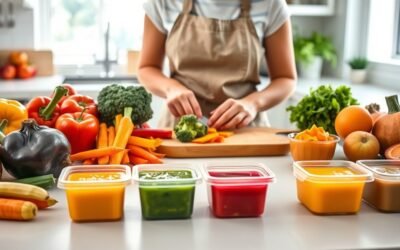
Offer a mix of age-appropriate foods across the main food groups. Dietary variety helps prevent repeated exposure to the same contaminant from the same ingredient and gives babies the nutrients they need for healthy growth.
- Rotate rice cereal with oat, barley, wheat, quinoa, and multigrain cereals.
- Offer fruits and vegetables in different colors rather than relying on one favorite purée every day.
- Include age-appropriate sources of iron, calcium, protein, and healthy fats.
- Use breast milk or properly prepared infant formula as the main drink during the first year unless a healthcare professional advises otherwise.
- Choose water and milk rather than routine juice after age one.
Pro Tip: Rotate ingredients across the week. For example, alternate oat cereal, yogurt, egg, beans, meat, avocado, berries, peas, squash, carrots, and sweet potatoes instead of serving the same cereal, pouch, or root-vegetable purée several times each day.
Limit Repeated Reliance on Higher-Exposure Foods
The goal is not to ban nutritious foods. It is to avoid making a small group of foods the foundation of every meal or snack.
| Food or Ingredient | Balanced Approach |
|---|---|
| Rice cereal, rice puffs, and rice rusks | Rotate with oat, barley, quinoa, wheat, and multigrain foods. |
| Sweet potatoes, carrots, and other root vegetables | Keep serving them, but rotate with above-ground vegetables, fruits, proteins, and grains. |
| Apple, pear, grape, or mixed fruit juice | Give no juice before age one. For older children, prefer water, milk, and whole fruit. |
| Pouches, puffs, and teething snacks | Use for convenience, not as replacements for most meals, fresh foods, or a varied diet. |
Wash produce under clean running water and remove damaged areas. Peeling can remove soil or residue on the surface, but it cannot remove metals absorbed inside the food. Washing and peeling should therefore support—not replace—dietary variety and safe sourcing.
How Do Heavy Metals Get Into Baby Food?
Heavy metals can enter baby food at several points before the food reaches the store shelf.
- Natural geology: Lead, arsenic, cadmium, and mercury occur naturally in parts of the Earth’s crust.
- Past or current pollution: Mining, industry, fuel, pesticides, waste, and other human activities can add contaminants to soil, water, or air.
- Crop uptake: Plants can absorb elements from the soil and irrigation water along with nutrients.
- Ingredient concentration: Drying, grinding, or concentrating an ingredient can increase the amount consumed in a small serving.
- Processing and equipment: Contamination can sometimes occur through ingredients, machinery, cookware, spices, or packaging.
- Household preparation: Homemade food can be affected by contaminated ingredients, water, cookware, or soil from a home garden.
Commercial baby food is not automatically more contaminated than homemade food, and homemade food is not automatically safer. Packaged foods may receive formal testing and manufacturing controls, while homemade foods give parents more control over ingredients and variety. Families can safely use either approach or a combination of both.
What Should Parents Look for on Baby Food Labels?
A standard Nutrition Facts label does not usually display numerical heavy-metal results. However, labels still provide information that can help you compare products, identify recalled lots, and find any test disclosures offered by the manufacturer.
Ingredient and Product Information
Check the full ingredient list rather than relying only on the flavor pictured on the front. A pouch promoted as fruit or vegetables may also contain rice flour, juice concentrate, cassava, or another major ingredient.
Also record or photograph the following information when a safety alert affects a product:
- Brand and exact product name
- UPC
- Lot or batch number
- Best-by or expiration date
- Package size
Claims such as “organic,” “natural,” “non-GMO,” or “made with simple ingredients” do not prove that a product contains less lead, arsenic, cadmium, or mercury.
Heavy-Metal Testing Results
Some manufacturers publish lot-specific testing on their websites or provide access through a QR code. Availability and usability vary by product and location.
California’s AB 899 requires manufacturers of covered baby foods sold in the state to test products for arsenic, cadmium, lead, and mercury and publish specified results. Beginning in 2025, certain products subject to an FDA action level must carry a statement and QR code linking consumers to test information. The law improves transparency but does not itself establish new maximum metal limits.
When results are available, match the product name and lot number exactly. Do not assume a result for another flavor, package size, or production lot applies to the product in your home.
Nutritional Content Breakdown
Heavy-metal exposure is only one part of choosing a baby food. Also check whether the food provides useful nutrients for your child’s stage of development.
- Choose foods with age-appropriate textures and no avoidable choking hazards.
- Look for iron-rich foods such as iron-fortified cereal, meat, beans, lentils, or other pediatrician-approved options.
- Avoid products with unnecessary added sugar or excessive sodium.
- Offer a balance of fruits, vegetables, proteins, grains, and healthy fats.
- When serving fish, choose lower-mercury varieties appropriate for young children.
What to Do After a Baby-Food Recall or Known Exposure
- Stop using the product. Do not taste it or feed it to another person.
- Check the exact lot. Compare the product name, lot number, package size, and date with the recall notice.
- Save the packaging. Keep it sealed away from children in case the manufacturer, health department, or doctor needs identifying information.
- Follow the recall instructions. Return or discard the product as directed.
- Contact your child’s healthcare provider. Explain how much the child may have eaten and over what period.
- Ask whether blood testing is appropriate. The decision depends on the product, amount, duration, other household risks, and local screening guidance.
- Report concerning symptoms promptly. Severe abdominal pain, repeated vomiting, weakness, confusion, seizures, or loss of consciousness require urgent medical care.
Use the FDA recalls and safety-alert database for current notices. Do not depend only on social-media posts, screenshots, or an undated list.
Warning: Hair testing is not a reliable way to diagnose a child’s lead exposure. Do not give detox supplements, clay products, herbs, or chelation treatments unless they are specifically prescribed and monitored by a qualified healthcare professional.
Frequently Asked Questions
How can I identify safe baby-food brands?
There is no permanent brand list that can guarantee every flavor and lot. Choose companies that publish clear lot-specific testing, follow current recalls, and provide complete ingredient and product information. Evaluate the exact product rather than assuming an entire brand is always safe or unsafe.
Are organic baby foods safer from lead contamination?
Not necessarily. Organic certification can reduce exposure to certain pesticides, but it does not remove metals naturally present in soil or water. Organic and conventional foods can contain similar amounts of lead, arsenic, cadmium, or mercury.
What testing methods are used for heavy metals in baby food?
Accredited laboratories use validated elemental-analysis methods capable of measuring very small concentrations. Methods such as inductively coupled plasma mass spectrometry are commonly used. Results are meaningful only when the sample, lot, detection limit, laboratory quality controls, and units are clearly reported.
How often should I check for baby-food safety updates?
Check the FDA recall database when you hear about a new alert, when a manufacturer contacts customers, or when you have a product that may match a reported problem. There is no need to search every day, but keep package and lot information until the food has been used.
What are the symptoms of lead poisoning in infants?
Most exposed children have no obvious immediate symptoms. Higher exposures may cause abdominal pain, vomiting, constipation, tiredness, weakness, irritability, confusion, seizures, or other serious problems. Symptoms cannot confirm or rule out exposure; a blood lead test is the appropriate medical assessment.
Should my baby receive a blood lead test after eating baby food?
Routine extra testing is not required simply because a child eats commercial or homemade baby food. Contact a pediatrician when the child consumed a recalled product, may have another lead source, lives in a high-risk environment, or is due for screening under Medicaid, state, or local guidance.
Is homemade baby food safer than packaged baby food?
Neither option is automatically safer. Crops used at home can absorb metals from soil and water, while packaged products can be affected by ingredients or processing. Homemade food offers ingredient control, and packaged food may offer formal testing. Variety and safe preparation matter with both.
Conclusion
Lead exposure should be minimized, but parents do not need to panic or remove nutritious foods such as carrots, sweet potatoes, rice cereal, or commercial purées from the diet completely. The best approach is to offer a varied diet, avoid juice during the first year, rotate grains, limit repetitive snack foods, and check current lot-specific recalls and test disclosures.
Because most exposed children do not show clear symptoms, contact your pediatrician after a known or suspected exposure rather than trying to diagnose the problem at home. A healthcare professional can decide whether a blood lead test or follow-up care is needed.
Sources
- FDA: Action Levels for Lead in Processed Food Intended for Babies and Young Children — current lead action levels and covered food categories.
- CDC: Testing for Lead Poisoning in Children — blood testing, reference values, and follow-up guidance.
- American Academy of Pediatrics: Heavy Metals in Baby Food — balanced parent guidance, organic-food information, and risk reduction.
- FDA: Recalls, Market Withdrawals, and Safety Alerts — current product and lot-specific safety notices.
- California Department of Public Health: AB 899 Baby-Food Testing FAQ — testing, disclosure, website, and QR-code requirements.
- FDA: Inorganic Arsenic in Infant Rice Cereals — the 100-ppb action level and grain-variety advice.