Baby food combinations can become more varied as your baby develops the skills to sit upright, swallow food, grasp pieces, and manage thicker textures. Most babies begin complementary foods at about 6 months, but age ranges are only a guide. Breast milk or infant formula remains the main source of nutrition through the first year.
Quick Answer
Start with single-ingredient, iron-rich, mashed, pureed, or very soft foods when your baby is developmentally ready at about 6 months. Once individual foods are tolerated, combine two or more ingredients. Gradually progress from smooth foods to thicker mashes, soft lumps, and safe finger foods between 6 and 12 months.
Key Takeaways
- Most babies can begin complementary foods at about 6 months when they show developmental readiness.
- Include iron-rich foods such as meat, lentils, beans, eggs, and iron-fortified cereal from the beginning.
- Introduce single ingredients first, then combine foods your baby has already tolerated.
- Advance textures according to your baby’s eating skills rather than following a rigid calendar.
- Introduce common allergens in safe forms instead of delaying them, unless your child’s clinician recommends a different plan.
- Always seat your baby upright, supervise every bite, and prepare food in a shape and texture that lowers choking risk.
At a Glance
| Time Required | About 10–20 minutes to prepare a small batch; meals may begin with only a few spoonfuls |
| Difficulty | Easy, with careful attention to texture, hygiene, allergies, and choking prevention |
| Tools Needed | Pot or steamer, fork or blender, clean cutting board, infant spoon, and airtight storage containers |
| Cost | Usually low; small portions of suitable family foods can reduce waste and extra expense |
Note: This guide provides general feeding information, not individualized medical advice. Ask your child’s pediatrician or feeding specialist for guidance if your baby was born prematurely or has poor growth, severe eczema, a known food allergy, swallowing difficulty, developmental delays, or another medical condition.
Understanding When to Start Baby Food Combinations
According to the Centers for Disease Control and Prevention, most babies can begin foods other than breast milk or infant formula at about 6 months. Starting before 4 months is not recommended.
Do not rely on age alone. Your baby should show several signs of developmental readiness:
- They can sit upright alone or with support.
- They have steady head and neck control.
- They open their mouth when food is offered.
- They swallow food instead of pushing all of it out with their tongue.
- They bring objects to their mouth and try to grasp food.
- They can move food from the front of the mouth toward the back to swallow.
Begin with single-ingredient foods so you can identify possible reactions. At first, waiting 3–5 days between unfamiliar foods can make it easier to connect a symptom with a specific ingredient. Once your baby has safely eaten the ingredients separately, you can combine them.
Purees are optional rather than mandatory. A developmentally ready baby may begin with smooth purees, fork-mashed foods, or very soft finger foods prepared in a safe size and shape.
Essential First Foods for 6-Month-Olds
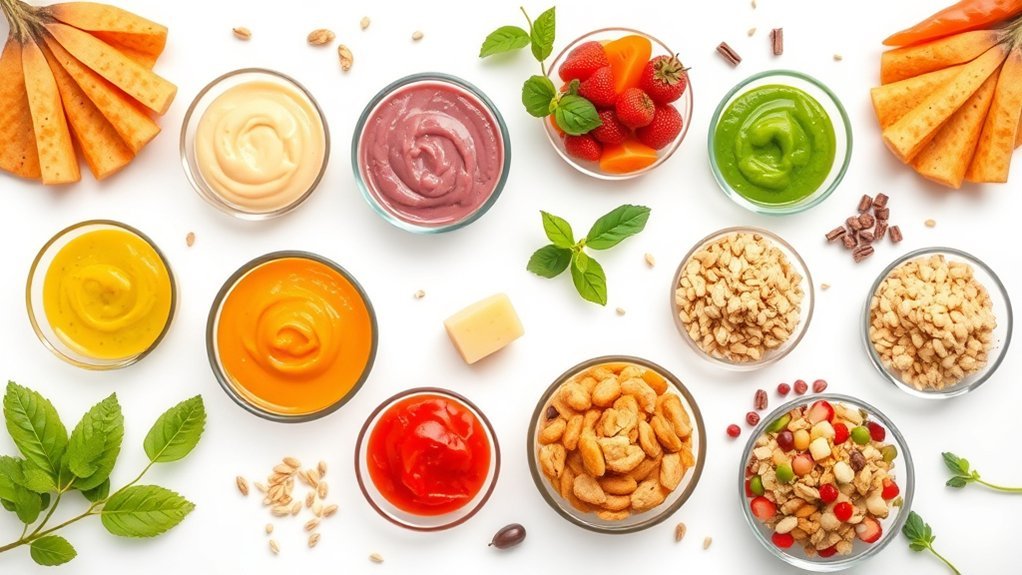
There is no required order for first foods. Aim to offer foods from several groups over time, including iron-rich proteins, vegetables, fruit, whole grains, and unsweetened pasteurized dairy foods such as plain yogurt.
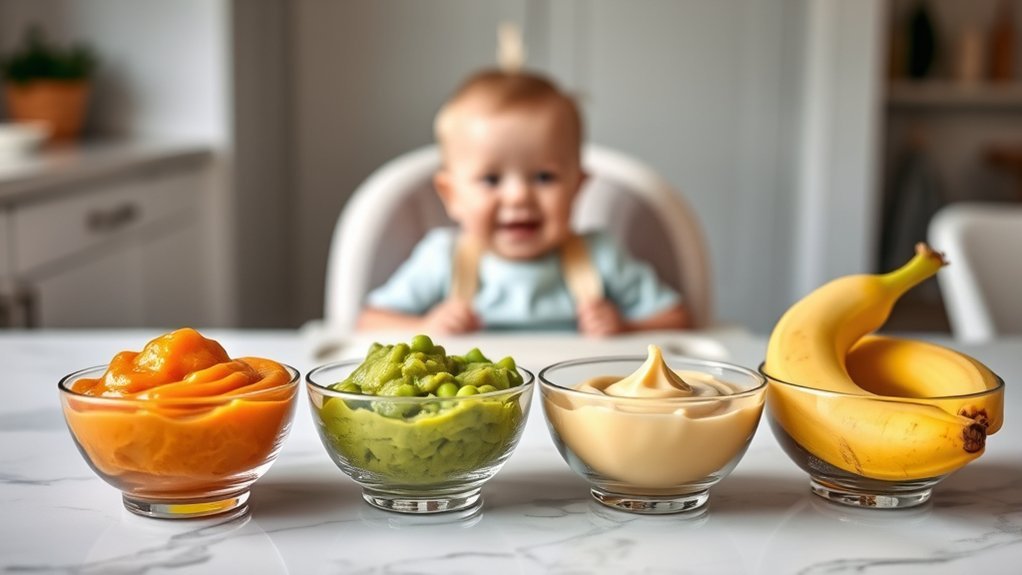
Top First Foods for 6-Month-Olds
Good early choices include:
- Iron-rich foods: Finely pureed meat, mashed beans or lentils, fully cooked egg, tofu, and iron-fortified oat or multigrain infant cereal.
- Soft vegetables: Sweet potato, carrot, peas, squash, broccoli, and avocado.
- Soft fruits: Banana, pear, peach, mango, and cooked apple.
- Plain dairy foods: Pasteurized, unsweetened full-fat yogurt or soft pasteurized cheese in an age-appropriate texture.
- Whole grains: Oatmeal, barley cereal, quinoa, or other well-cooked grains mashed to a safe consistency.
Iron deserves special attention around 6 months. The American Academy of Pediatrics identifies iron-rich foods such as meat and iron-fortified cereal as useful early choices, particularly for breastfed babies.
If you use infant cereal, rotate oat, barley, and multigrain products instead of serving only rice cereal. This adds variety and can reduce reliance on one grain.
Ideal First Purees and Mashes
These simple foods can be thinned with breast milk, prepared infant formula, or water when needed:
- Mashed avocado
- Pureed or fork-mashed sweet potato
- Cooked apple or pear puree
- Mashed banana
- Pureed lentils
- Finely pureed chicken, turkey, or beef
- Iron-fortified oatmeal
- Fully cooked egg mashed with water or avocado
Start with 1–2 tablespoons or less. Your baby may eat only a small taste during early meals, and that is normal.
Safe Food Textures
Cook firm foods until they are soft enough to mash easily with a fork. Remove bones, pits, seeds, tough skins, and gristle. Purees should not be sticky or glue-like, and finger foods should be soft enough to flatten between your thumb and finger.
Do not add honey, added sugar, or large amounts of salt. Fresh, frozen, or appropriately canned produce can be used. Choose frozen and canned foods without added sugar or excess sodium.
Baby Food Combinations for 6–8 Months: Simple Purees and Mashes
At 6–8 months, many babies are learning to manage smooth food and slightly thicker mashes. Begin each ingredient separately, then use combinations after the foods have been tolerated.
| Combination | Why It Works | Preparation |
|---|---|---|
| Apple + carrot | Fruit and vegetable flavor pairing | Cook both until soft, then puree or mash smoothly |
| Banana + avocado | Soft texture with energy and unsaturated fat | Mash together immediately before serving |
| Sweet potato + lentil | Combines a vegetable with iron and protein | Cook until very soft and blend with water as needed |
| Pear + iron-fortified oatmeal | Adds fruit flavor to an iron-rich grain | Mix cooked pear puree into prepared cereal |
| Chicken + peas | Provides iron, zinc, protein, and vegetables | Cook thoroughly, remove skin and gristle, and puree finely |
| Plain yogurt + peach | Combines pasteurized dairy with fruit | Mix unsweetened yogurt with mashed ripe or cooked peach |
Texture Progression Strategies
- Begin at your baby’s current skill level: Use smooth puree, mashed food, or a very soft finger food.
- Increase thickness gradually: Use less liquid or mash with a fork instead of blending completely.
- Add soft lumps: Once your baby manages thicker food, leave small, soft pieces that break apart easily.
- Offer safe finger foods: Try soft avocado wedges, ripe banana, strips of omelet, or tender cooked vegetables when your baby can grasp and bring food to the mouth.
- Watch your baby: Move forward when your baby handles the current texture comfortably rather than waiting for a specific date.
Easy Puree Recipes
Apple and carrot puree: Peel and core the apple, cut the apple and carrot into small pieces, and steam until fork-soft. Blend with a small amount of water until the texture suits your baby.
Banana and avocado mash: Mash equal portions of ripe banana and avocado with a fork. Serve immediately because avocado darkens during storage.
Sweet potato and lentil mash: Cook peeled sweet potato and lentils until both are very soft. Mash or blend, adding water until the food is moist and easy to swallow.
Oatmeal and pear: Prepare iron-fortified infant oatmeal according to its label. Stir in cooked, mashed pear after both ingredients have been introduced separately.
Pro Tip: Freeze small portions rather than one large container. Thaw only what you expect to serve, and never refreeze food that has already been thawed.
Monitoring Allergic Reactions
Introduce one common allergen at a time in a developmentally safe form. Examples include well-cooked egg, smooth thinned peanut butter, plain yogurt, wheat cereal, finely prepared fish, or sesame paste thinned into another food.
Offer the new allergen when your baby is healthy and when you can observe them afterward. Once the food is tolerated, continue including it in the diet regularly instead of offering it once and then avoiding it.
- Mild possible symptoms: A small rash, a few hives, vomiting, or diarrhea.
- Emergency symptoms: Trouble breathing, wheezing, repetitive coughing, swelling of the tongue or throat, widespread hives with other symptoms, unusual limpness, or pale or bluish skin.
Warning: Stop feeding the suspected food if a reaction occurs. Call emergency services immediately for breathing trouble, tongue or throat swelling, sudden limpness, blue or pale skin, or symptoms affecting more than one body system. Ask your child’s clinician about peanut introduction if your baby has severe eczema or an egg allergy.
Advancing Baby Food Combinations for 8–10 Months
At 8–10 months, many babies can manage thicker mashes, soft lumps, shredded foods, and graspable finger foods. Continue offering a range of vegetables, fruit, grains, protein foods, and healthy fats.
Useful combinations include:
- Oats + banana + a small pinch of cinnamon or cardamom: Prepare the oats until soft and stir in mashed banana.
- Lentil-rice mash with vegetables: Cook rice, lentils, carrots, and peas until very soft, then mash. This is similar to a mild vegetable khichdi.
- Egg + avocado: Mash fully cooked egg with ripe avocado.
- Salmon + sweet potato: Cook low-mercury salmon thoroughly, remove every bone, and flake it finely into mashed sweet potato.
- Chicken + squash + quinoa: Cook all ingredients until tender and mash to a moist, lumpy consistency.
- Plain yogurt + oats + berries: Cook berries until soft or mash ripe berries carefully, checking for firm pieces.
- Beans + tomato + avocado: Cook beans until very soft, mash them thoroughly, and combine with peeled cooked tomato and avocado.
Encourage self-feeding when your baby can pick up food and bring it to their mouth. Offer a preloaded spoon or soft finger foods while remaining close enough to supervise every bite.
Texture progression is a skill-building process, not a race. Move forward when your baby can safely manage the current texture.
Baby Food Combinations for Older Infants (10–12 Months)
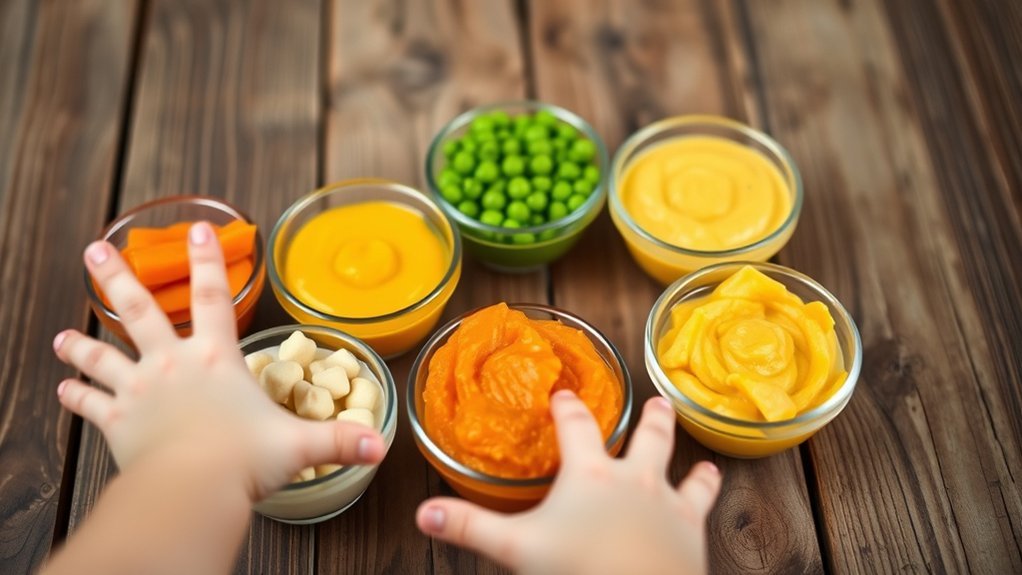
By 10–12 months, many babies can eat chopped or mashed versions of family meals as long as the food is soft, low in added salt, and prepared to reduce choking risk. Continue adjusting texture to your baby’s individual skills.
Meal ideas include:
- Soft vegetable idli: Serve small, moist pieces that break apart easily. Avoid dry or rubbery pieces.
- Lentil rice bowl: Combine very soft rice, lentils, and cooked vegetables with enough liquid to keep the meal moist.
- Turkey meatball + pasta + tomato: Use a tender, fully cooked meatball broken into tiny pieces with soft pasta and low-sodium tomato sauce.
- Scrambled egg + spinach + toast: Cook the egg fully, finely chop tender spinach, and serve with soft toast strips.
- Bean + sweet potato quesadilla: Spread mashed beans and sweet potato thinly inside a soft tortilla, then cut it into manageable strips or pieces.
- Yogurt + soft fruit + oatmeal: Combine plain full-fat yogurt, mashed fruit, and cooked oats without added sugar.
- Shredded chicken + broccoli + potato: Finely shred moist chicken and combine it with fork-mashed broccoli and potato.
Finger foods may include soft ripe fruit, tender cooked vegetables, omelet strips, soft toast, shredded meat, flaked boneless fish, and small pieces of soft pasta.
Breast milk or infant formula should remain the main drink through 12 months. Avoid forcing a fixed amount. Follow your baby’s hunger and fullness cues and discuss intake with their pediatrician if you are concerned about growth or feeding.
Nutritional Benefits of Baby Food Combinations
Combining foods can make it easier to include several nutrients in one meal. A lentil and sweet potato mash, for example, combines iron and protein with beta-carotene and fiber. Meat paired with vegetables supplies iron and zinc alongside a wider range of flavors.
Useful pairing principles include:
- Iron-rich food + fruit or vegetable: Lentils with tomato, meat with broccoli, or fortified oatmeal with berries.
- Protein + energy-rich food: Egg with avocado, yogurt with oats, or chicken with potato.
- Whole grain + fruit: Oatmeal with pear or quinoa with peach.
- Vegetable + healthy fat: Peas with avocado or squash with a small amount of olive oil mixed into the family meal.
A varied diet exposes your baby to bitter, savory, sour, and naturally sweet flavors. A baby may need repeated, pressure-free opportunities before accepting an unfamiliar food.
Safe Ways to Introduce New Foods
- Start with one ingredient: This is especially helpful during the first few foods and when introducing a common allergen.
- Serve a small amount: One or two teaspoons may be enough for an initial taste.
- Offer food without pressure: Let your baby decide whether to open their mouth, reach for more, or stop.
- Combine tolerated foods: Once each ingredient has been eaten without a reaction, mix them into simple meals.
- Repeat foods: A refusal on one day does not mean your baby permanently dislikes the food.
- Advance texture: Move from smooth food to thicker mashes, soft lumps, and finger foods as skills improve.
Responsive Feeding Cues
Signs your baby may be hungry include leaning toward food, opening their mouth, reaching, or becoming excited when food appears. Signs of fullness may include closing the mouth, turning away, pushing the spoon, dropping food repeatedly, or losing interest.
Do not pressure your baby to finish a portion. The caregiver decides what safe food to offer and when; the baby decides whether and how much to eat.
Choking Prevention and Safe Food Preparation
Choking can happen silently and requires immediate action. Always place your baby upright in a stable high chair and stay within arm’s reach while they eat. Do not feed a baby who is lying down, crawling, walking, riding in a car, or distracted by play.
Prepare food according to these safety principles:
- Cook firm fruit and vegetables until they mash easily with a fork.
- Remove bones, pits, seeds, tough peels, skin, fat, and gristle.
- Finely shred or mince meat and keep it moist.
- Cut round foods such as grapes, cherries, berries, and cherry tomatoes into small pieces.
- Cut cylindrical foods lengthwise into thin strips rather than round coins.
- Spread smooth nut butter thinly or stir it into another food. Never serve a thick spoonful.
- Use only fully cooked eggs, meat, poultry, seafood, and fish.
Warning: Do not give babies whole nuts, popcorn, hard candy, gum, whole grapes, raw chunks of carrot or apple, coin-shaped sausage or hot dog pieces, thick spoonfuls of nut butter, large cheese cubes, or tough chunks of meat. These foods can block a baby’s airway.
Gagging Versus Choking
Gagging is a protective reflex that may happen while a baby learns a new texture. A gagging baby may make noise, cough, or push food forward with the tongue.
Choking may be quiet. A choking baby may be unable to cry, cough effectively, or breathe. Skin may become pale or blue. This is an emergency. Caregivers should learn infant choking first aid and CPR from a qualified instructor before solids begin.
Foods and Drinks to Avoid Before 12 Months
The CDC advises avoiding or limiting several foods and drinks during infancy:
- Honey: Do not give honey in any form before 12 months because of the risk of infant botulism.
- Cow’s milk as a drink: Do not use cow’s milk or a plant beverage to replace breast milk or infant formula before 12 months. Pasteurized yogurt and cheese can be offered earlier.
- Juice: Fruit and vegetable juice is not recommended before 12 months. Offer whole fruit instead.
- Unpasteurized foods: Avoid raw milk, unpasteurized juice, and foods made from unpasteurized dairy.
- Added sugar: Choose unsweetened foods and drinks.
- High-sodium food: Limit processed meats, salty snacks, and heavily salted family foods.
- High-mercury fish: Choose lower-mercury fish and avoid species identified by federal fish-consumption advisories as high in mercury.
How Much and How Often to Feed
Start with 1–2 tablespoons of food and let your baby’s appetite guide the meal. Early solid-food sessions are mainly opportunities to learn tastes and eating skills.
According to the CDC’s infant-feeding guidance, breast milk or infant formula remains the main source of nutrition from 6 to 12 months. Solids gradually make up a larger share of the diet.
As the first birthday approaches, many children have food or a drink offered about five or six times throughout the day, often as three meals and two or three snacks. This is a general pattern rather than a requirement for every baby.
Small amounts of water can be offered in an open or straw cup with meals after solids begin. Water should not displace breast milk or formula.
Homemade Baby Food Preparation and Storage
Babies and young children are more vulnerable to foodborne illness, so clean preparation matters. Wash your hands, utensils, cutting boards, and food-preparation surfaces. Keep raw meat and eggs away from ready-to-eat ingredients, and cook animal foods thoroughly.
The FoodSafety.gov storage chart provides these conservative limits:
| Food | Refrigerator | Freezer |
|---|---|---|
| General homemade baby food | 1–2 days | 1–2 months |
| Strained meat or egg | 1 day | 1–2 months |
| Meat and vegetable combinations | 1–2 days | 1–2 months |
- Cool cooked food promptly and store it in clean, airtight containers.
- Label containers with the food and preparation date.
- Thaw frozen food in the refrigerator or reheat it directly; do not leave it on the counter to thaw.
- Stir heated food well and test the temperature before serving.
- Transfer the serving to a separate bowl. Do not return food touched by a used spoon to the storage container.
- Discard leftovers from the baby’s bowl because saliva can introduce bacteria.
When to Call Your Baby’s Pediatrician
Contact your child’s healthcare professional if your baby:
- Has repeated coughing, choking, or a wet-sounding voice during meals.
- Struggles to move food or liquid safely.
- Regularly vomits after eating.
- Has blood in the stool or persistent diarrhea.
- Develops repeated rashes or other possible allergy symptoms.
- Refuses most textures or foods for an extended period.
- Is not gaining weight as expected.
- Was born prematurely or has a condition that may affect feeding.
Call emergency services for breathing difficulty, severe swelling, blue or pale skin, sudden limpness, or suspected choking that prevents effective coughing or crying.
Frequently Asked Questions
Can I use frozen fruits and vegetables for baby food?
Yes. Frozen produce can be a convenient option. Choose products without added sugar, salt, sauces, or seasoning. Cook firm foods until they are fork-soft, then mash, puree, or cut them into a texture that matches your baby’s skills.
How should I store homemade baby food?
Refrigerate most homemade baby food for no more than 1–2 days. Refrigerate strained meat or egg food for no more than one day. Freeze portions you will not use promptly, label them with the date, and discard food left in your baby’s bowl.
What are signs of a food allergy in babies?
Possible symptoms include hives, swelling, vomiting, diarrhea, coughing, or wheezing. Breathing trouble, tongue or throat swelling, sudden limpness, pale or blue skin, or symptoms involving more than one body system require emergency help.
How do I know if my baby is ready for solids?
Most babies are ready at about 6 months when they can sit upright alone or with support, control their head and neck, open their mouth for food, swallow instead of pushing food out, and bring objects toward their mouth.
Can I mix different food textures in one meal?
Yes, provided every part of the meal is safe for your baby’s current eating skills. You might combine a thick mash with a soft finger food or stir small, soft lumps into a familiar puree. Avoid hard, round, sticky, or rubbery pieces.
When can I introduce peanut and egg?
Most babies can try well-cooked egg and an age-appropriate peanut food when other complementary foods begin at about 6 months. Thin smooth peanut butter with water or stir it into a familiar puree; never give whole peanuts or a thick spoonful. Ask a clinician first if your baby has severe eczema, an egg allergy, or another significant allergy concern.
Does my baby need to eat purees?
No. Purees are one option. Babies may also begin with mashed food or very soft finger foods when they are developmentally ready. The safest approach is the one that matches your baby’s posture, grasp, swallowing, and chewing skills.
Can I season homemade baby food?
You can use small amounts of mild herbs and spices, such as cinnamon, cumin, garlic, basil, or cardamom. Avoid honey before 12 months and limit added salt, sugar, very spicy sauces, and seasoning blends that contain large amounts of sodium.
Sources
- CDC: When, What, and How to Introduce Solid Foods — readiness, first foods, allergens, textures, and choking prevention
- CDC: How Much and How Often to Feed — portion progression, milk or formula, and responsive feeding
- CDC: Foods and Drinks to Avoid or Limit — honey, juice, cow’s milk, sodium, sugar, and unpasteurized foods
- FoodSafety.gov: Children Under Five — safe food preparation, refrigeration, freezing, and reheating
- American Academy of Pediatrics: Breastfeeding and Solid Foods — iron-rich first foods and developmental readiness
Conclusion
Baby food combinations should grow more varied as your baby’s eating skills develop. Begin with safe single ingredients, include iron-rich foods, and combine ingredients after they have been tolerated. Gradually offer thicker mashes, soft lumps, and finger foods while continuing breast milk or infant formula through the first year.
Keep meals calm and responsive. Watch for hunger and fullness cues, avoid pressure, and prepare every food with choking and food-safety risks in mind. With patience and repeated exposure, these small baby steps can help your child become comfortable with a broad range of nutritious family foods.