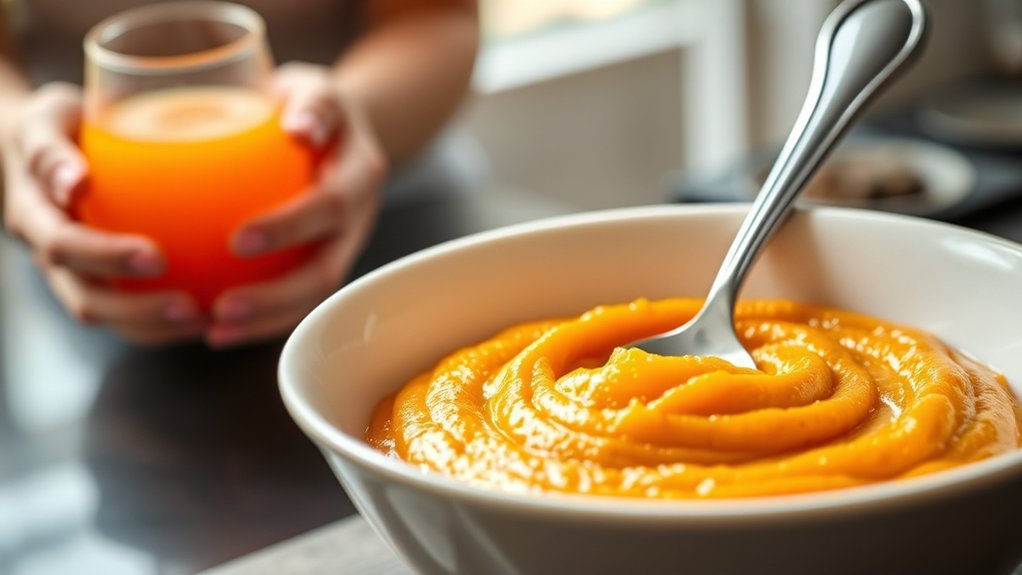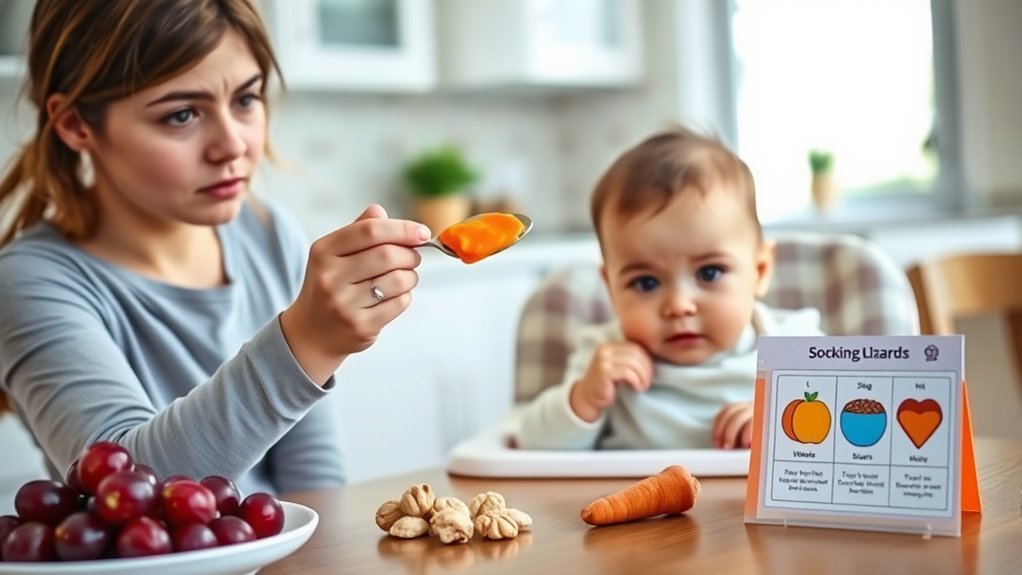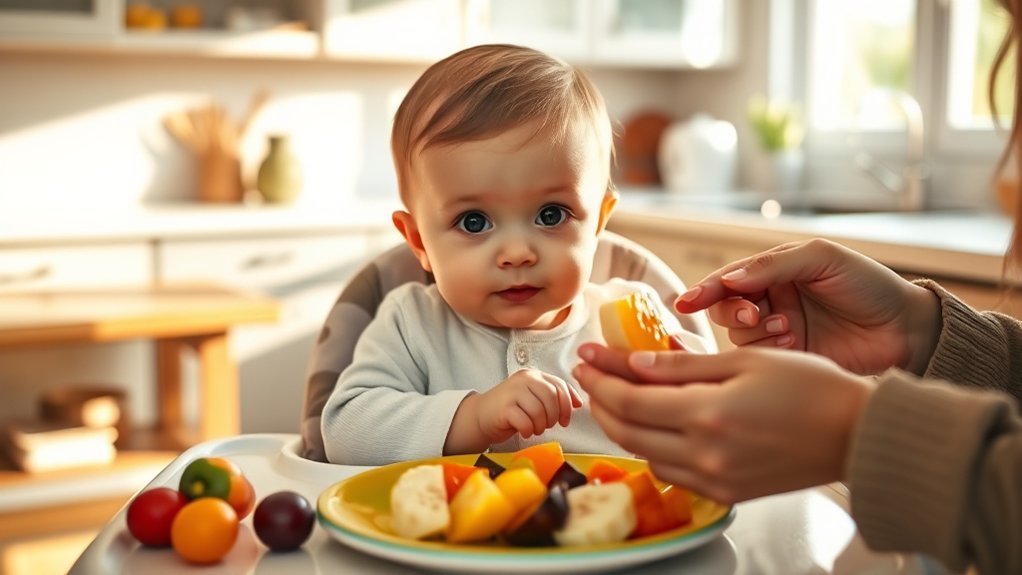
Iron supports your baby’s blood, brain, and rapid growth. Around the time solid foods begin, usually at about 6 months, babies need reliable iron sources such as iron-fortified infant cereal, meat, poultry, fish, eggs, beans, lentils, and tofu. Safe preparation, variety, and medical guidance on supplements matter just as much as the food list.
Quick Answer
The best iron-rich foods for babies include iron-fortified infant cereal, finely minced or pureed meat and poultry, lower-mercury fish, fully cooked egg, beans, lentils, and tofu. Start solids at about 6 months when your baby is ready, pair plant iron with vitamin C, and use supplements only under medical guidance.
Key Takeaways
- Infants ages 7–12 months need 11 mg of iron per day; children ages 1–3 years need 7 mg.
- Heme iron from meat, poultry, and seafood is generally absorbed more easily than non-heme iron from eggs, plants, and fortified foods.
- Pair beans, lentils, tofu, leafy greens, or fortified cereal with vitamin C-rich foods to improve non-heme iron absorption.
- Mash, puree, shred, or finely mince foods to match your baby’s skills. Avoid whole nuts, spoonfuls of nut butter, whole beans, bones, and tough meat chunks.
- Do not start iron drops without a pediatrician. Current screening and supplement plans vary by feeding pattern, birth history, diet, growth, and risk factors.
At a Glance
| When to Start | At about 6 months, when developmental readiness signs are present; never before 4 months |
| Daily Target | 11 mg for ages 7–12 months; 7 mg for ages 1–3 years |
| Best First Choices | Iron-fortified infant cereal, soft meat or poultry, beans, lentils, tofu, egg, and lower-mercury fish |
| Main Safety Rule | Prepare food for your baby’s current chewing and swallowing skills, seat them upright, and supervise every bite |
Note: This guide provides general nutrition and safety information, not a diagnosis or supplement prescription. Ask your pediatrician about iron if your baby was born early or small, receives mostly human milk, has feeding or growth concerns, follows a restrictive diet, or has symptoms of anemia.
What Are Iron-Rich Foods for Babies?
Iron-rich foods provide either heme iron or non-heme iron. Heme iron comes from animal foods and is generally absorbed more easily. Non-heme iron comes from plant foods and iron-fortified products. The CDC recommends offering iron-containing foods when solids begin at about 6 months.
Good choices include beef, pork, lamb, chicken, turkey, eggs, lower-mercury fish, iron-fortified infant cereal, tofu, beans, lentils, and dark green vegetables. Babies do not need a strict food order. Choose a soft texture that matches their skills and continue human milk or iron-fortified infant formula as their main drink through the first year.
| Iron Source | Baby-Safe Serving Idea | Type of Iron |
|---|---|---|
| Beef, pork, lamb, chicken, or turkey | Cook until safe, then puree, shred finely, or mince and moisten | Heme |
| Salmon, sardines, trout, or Atlantic mackerel | Cook fully, remove every bone, and flake into a soft texture | Heme |
| Egg | Serve fully cooked and mashed or cut to a safe texture | Non-heme |
| Iron-fortified infant cereal | Mix with water, expressed milk, or prepared formula; follow the label | Non-heme |
| Beans, lentils, chickpeas, or tofu | Cook until very soft, then mash, puree, or crumble finely | Non-heme |
| Nut or seed butter | Use smooth butter thinned into cereal or puree; never offer a thick spoonful | Non-heme |
Cooking in cast-iron cookware can raise the iron content of some moist or acidic foods, but the amount varies. Treat it as a small bonus, not a substitute for iron-rich foods, testing, or prescribed supplements.

Power your essentials anywhere with a 999Wh pure sine wave power station delivering up to 1000W continuous with 2000W surge. It supports fast charging via USB-C PD 60W and USB-A QC 18W, plus simultaneous output for multiple devices through AC, USB, wireless, and car/DC ports. Recharge using AC, car, or solar with a built-in MPPT controller and dual cooling fans, while the upgraded battery management system protects against surges, short circuits, and overheating.

INFANT NUTRITION: This organic whole grain cereal is fortified with iron to offer nutritional support as your baby transitions to eating solid foods

WHOLESOME, ORGANIC INGREDIENTS Gerber organic baby food gives busy parents a convenient, reliable way to provide their little one with high-quality organic ingredients. Our Oatmeal Cereal for baby is made with 60% of the daily value of iron to support brain development SNAP and EBT item in eligible states
Why Is Iron Important for Infant Development?
Iron helps the body make hemoglobin, the protein in red blood cells that carries oxygen. It also supports normal growth and brain development. Babies are born with iron stores, but those stores decline during the first months of life. By about 6 months, many babies need iron from complementary foods, fortified foods, or a clinician-directed supplement.
Infants ages 7–12 months need 11 mg of iron each day, one of the highest iron requirements relative to body size.
Too little iron can progress to iron deficiency and iron-deficiency anemia. Untreated deficiency may affect energy, attention, behavior, and development. Because early symptoms can be subtle, diet alone cannot confirm whether a baby has low iron.
How Much Iron Do Babies Need?
The National Institutes of Health iron intake table gives an adequate intake of 0.27 mg per day from birth through 6 months, an RDA of 11 mg for ages 7–12 months, and an RDA of 7 mg for ages 1–3 years. The lower birth-to-6-month figure assumes iron from birth stores and milk feeding; it is not a target for a baby who has started complementary foods or has special risk factors.
Daily Iron Requirements
| Age | Recommended Amount | What It Means |
|---|---|---|
| Birth–6 months | 0.27 mg/day adequate intake | Usually supplied by birth stores and milk feeding; some babies need an individualized supplement plan |
| 7–12 months | 11 mg/day | Offer iron-rich or iron-fortified foods regularly as complementary foods expand |
| 1–3 years | 7 mg/day | Continue varied iron foods and avoid letting milk crowd them out |
Do not try to calculate every bite. Iron content varies by brand, recipe, and serving size. Use the Nutrition Facts label on fortified cereal and offer more than one iron source across the day.
Sources of Iron by Feeding Method
- Primarily human milk: Human milk contains little iron. The AAP’s June 2026 guidance includes iron supplementation for exclusively breastfed infants by 6 months. Ask your pediatrician about the exact timing and dose rather than starting drops yourself.
- Primarily iron-fortified formula: Standard iron-fortified infant formula usually supplies iron during the first year. Extra iron is not automatically needed unless a clinician identifies a reason.
- Mixed feeding: The need depends on how much human milk, formula, and iron-rich food your baby receives. Review it at routine visits.
- Preterm or low-birth-weight babies: These babies often need earlier or higher supplementation and closer monitoring under medical supervision.
Best Iron-Rich Foods for Babies and Toddlers
The strongest plan uses both animal and plant sources when they fit your family’s diet. Offer iron-rich foods often rather than relying on one large serving.
Iron-Rich Animal Sources
- Beef, pork, lamb, chicken, and turkey: Cook thoroughly, remove gristle and bones, and serve pureed, finely minced, shredded, or in another developmentally safe texture.
- Lower-mercury fish: Salmon, sardines, trout, Atlantic mackerel, pollock, and tilapia provide iron and other nutrients. Follow the FDA/EPA fish advice, choose “Best Choices,” and avoid vague recommendations for “mackerel” because king mackerel is high in mercury.
- Eggs: Serve the whole egg fully cooked rather than limiting the meal to yolk. Mash or cut it into a safe texture for your baby’s feeding method.
Plant-Based Iron Options
Plant foods contain non-heme iron, which is less readily absorbed. Good options include iron-fortified infant cereal, lentils, beans, chickpeas, tofu, smooth thinned nut or seed butter, and cooked dark green vegetables.
For a vegetarian or vegan baby, include an iron source at most meals and pair it with vitamin C. Because whole nuts, seeds, whole beans, and thick globs of nut butter can cause choking, grind, thin, mash, or puree them before serving.
Simple Iron-Rich Meal Ideas
- Iron-fortified oatmeal mixed with prepared formula or expressed milk, plus mashed strawberries.
- Pureed beef with sweet potato or tomato.
- Mashed lentils with soft broccoli or bell pepper.
- Shredded chicken stirred into a soft bean puree.
- Flaked salmon with mashed potato and peas, with every bone removed.
- Tofu mashed with tomato or finely chopped cooked greens.
- Fully cooked scrambled egg with soft fruit on the side.
Pro Tip: Put one iron-rich food and one vitamin C-rich food on the menu together. Examples include lentils with tomato, fortified cereal with berries, tofu with broccoli, or beans with sweet potato.
Tips for Safely Introducing Iron-Rich Foods
Start complementary foods at about 6 months when your baby can control their head and neck, sit with support, bring objects to the mouth, and swallow food rather than push it back out. The CDC advises against introducing solid foods before 4 months.
- Begin with soft foods in a texture your baby can manage. There is no medical need to serve cereal before meat, beans, egg, or another appropriate first food.
- Cook meat, poultry, fish, and eggs thoroughly. Remove bones, skin, gristle, and tough pieces.
- Mash whole beans and lentils. Thin smooth nut or seed butter into cereal, yogurt, or puree rather than giving a spoonful.
- Seat your baby upright in a high chair or another safe feeding seat and supervise continuously.
- Advance from smooth purees to mashed, lumpy, minced, and soft finger foods as skills develop instead of staying on one texture too long.
Warning: The CDC lists whole or chopped nuts and seeds, spoonfuls of nut butter, whole beans, tough meat chunks, and bones in meat or fish as choking hazards. Small pieces are not always safer if the food remains hard, sticky, round, or difficult to chew.
Some iron-rich foods are common allergens, including egg, fish, soy, sesame, and peanut products. The allergy is to a food protein, not to iron. Introduce an age-appropriate form when your baby is healthy and watch for hives, swelling, repeated vomiting, wheezing, or trouble breathing. Seek emergency help for trouble breathing, throat or tongue swelling, collapse, or a rapidly worsening reaction.
Enhancing Iron Absorption in Your Baby’s Diet
Vitamin C helps the body absorb non-heme iron. Pair fortified cereal, beans, lentils, tofu, or greens with berries, citrus, tomatoes, broccoli, cabbage, papaya, sweet potato, or bell pepper. Pureeing is optional; cooking, mashing, shredding, or serving soft finger foods can also work when the texture is safe.
Combining heme and non-heme foods can also help create a balanced meal, such as chicken with lentils or beef with beans. Mixing cereal with breast milk or prepared formula can improve texture and familiarity, but it does not itself increase iron absorption.
After 12 months, too much cow’s milk or a milk alternative can crowd out iron-rich foods. Cow’s milk should not replace human milk or infant formula as the main drink before 12 months. Ask your pediatrician how much milk fits your toddler’s overall diet.
Iron Supplements for Babies: Common Concerns
Iron drops can prevent or treat deficiency, but the correct dose depends on the amount of elemental iron, not just the liquid volume. Products differ, and too much iron can be dangerous. Never use an adult supplement, prenatal vitamin, or another child’s prescription.
The 2026 AAP update changed the discussion around screening and prevention. It recommends screening primarily human-milk-fed infants between 9 and 12 months and primarily iron-fortified-formula-fed infants between 15 and 18 months, with additional testing based on risk. Your pediatrician may adjust timing for prematurity, low birth weight, diet, growth, chronic illness, or local practice.
Warning: An iron supplement overdose can be life-threatening. Store all iron products locked, out of sight and reach. If a child may have swallowed too much, use webPOISONCONTROL or call Poison Control at 1-800-222-1222 in the United States. Call 911 for collapse, seizure, trouble breathing, or inability to wake the child.
How to Spot and Address Iron Deficiency in Infants
Possible signs include unusual tiredness, irritability, pale skin, weakness, poor appetite, slower growth, or developmental concerns. These symptoms are not specific to iron deficiency, and some babies have no obvious symptoms.
A clinician diagnoses iron deficiency with the child’s history, diet, growth pattern, physical exam, and blood tests. Do not treat suspected anemia with over-the-counter iron on your own. The dose for prevention is not the same as the dose used to treat confirmed deficiency.
Contact your pediatrician if your baby has risk factors, eats few iron-rich foods, drinks excessive milk after age 1, has feeding or growth concerns, or shows possible symptoms. Seek urgent care for severe weakness, breathing difficulty, fainting, or other serious symptoms.
Frequently Asked Questions
Can I mix iron-rich foods with breast milk or formula?
Yes. You can thin iron-fortified cereal or a puree with expressed breast milk or prepared infant formula to create a safe texture. Mixing makes the food familiar and easier to swallow, but it does not by itself increase iron absorption. Pair plant iron with a vitamin C-rich food instead.
Can iron-rich baby foods cause an allergic reaction?
The iron itself is not usually the allergen. Some iron-rich foods, including egg, fish, soy, sesame, and peanut products, contain proteins that can trigger food allergy. Introduce age-appropriate forms when your baby is healthy and watch for hives, swelling, repeated vomiting, wheezing, or trouble breathing. Call 911 for breathing trouble, throat or tongue swelling, or a severe reaction.
What are the signs of an iron supplement overdose?
Early signs can include nausea, repeated vomiting, stomach pain, diarrhea, blood in vomit or stool, or unusual sleepiness. Any possible overdose of an iron-containing supplement needs immediate expert advice. In the United States, use webPOISONCONTROL or call Poison Control at 1-800-222-1222; call 911 if the child collapses, has a seizure, cannot be awakened, or has trouble breathing.
How do I choose an iron supplement for my baby?
Do not choose a product or dose on your own. A pediatrician should decide whether supplementation is needed and prescribe the elemental-iron dose based on age, weight, feeding pattern, birth history, diet, and test results. Use the supplied dropper exactly as directed and store the bottle locked away.
Can babies younger than 6 months eat iron-rich foods?
Most babies start complementary foods at about 6 months, when they show developmental readiness; foods should not be introduced before 4 months. Before solids begin, iron usually comes from birth stores, human milk, or iron-fortified formula. Preterm, low-birth-weight, or primarily breastfed infants may need a clinician-directed iron plan earlier.
Can a vegetarian or vegan baby get enough iron?
Yes, but non-heme iron is absorbed less efficiently, so planning matters. Offer iron-fortified infant cereal, beans, lentils, tofu, and smooth thinned nut or seed butters in safe forms, and pair them with vitamin C-rich fruits or vegetables. A pediatrician or pediatric dietitian can review growth and iron intake.
Conclusion
Iron-rich foods help build the foundation for healthy blood, growth, and brain development. Offer a variety of safe animal or plant sources from about 6 months, pair non-heme iron with vitamin C, and keep textures matched to your baby’s skills. Supplements and blood tests should follow a pediatrician’s plan, especially for babies who were born early, receive mostly human milk, or have growth, feeding, or health concerns.
Sources
- NIH Office of Dietary Supplements: Iron Fact Sheet for Consumers — age-based iron intake recommendations.
- CDC: Iron for Infants and Toddlers — feeding patterns, heme and non-heme sources, and vitamin C pairing.
- American Academy of Pediatrics: 2026 Iron Deficiency Guidance — updated prevention and screening recommendations.
- CDC: Choking Hazards — food preparation and supervision guidance.
- FDA/EPA: Advice About Eating Fish — lower-mercury fish choices for children.
- Poison Control: Iron Poisoning — overdose prevention, symptoms, and emergency response.