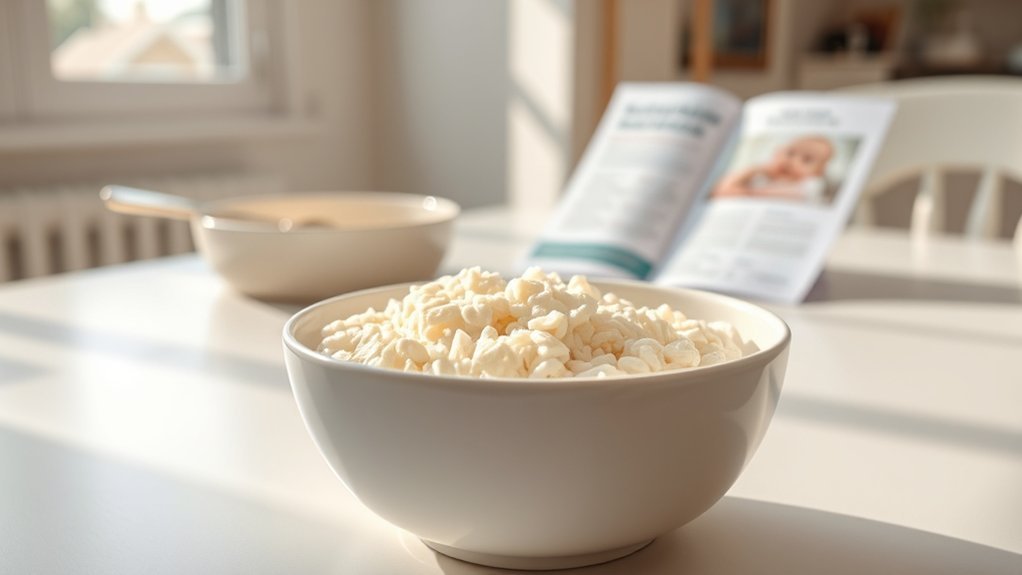
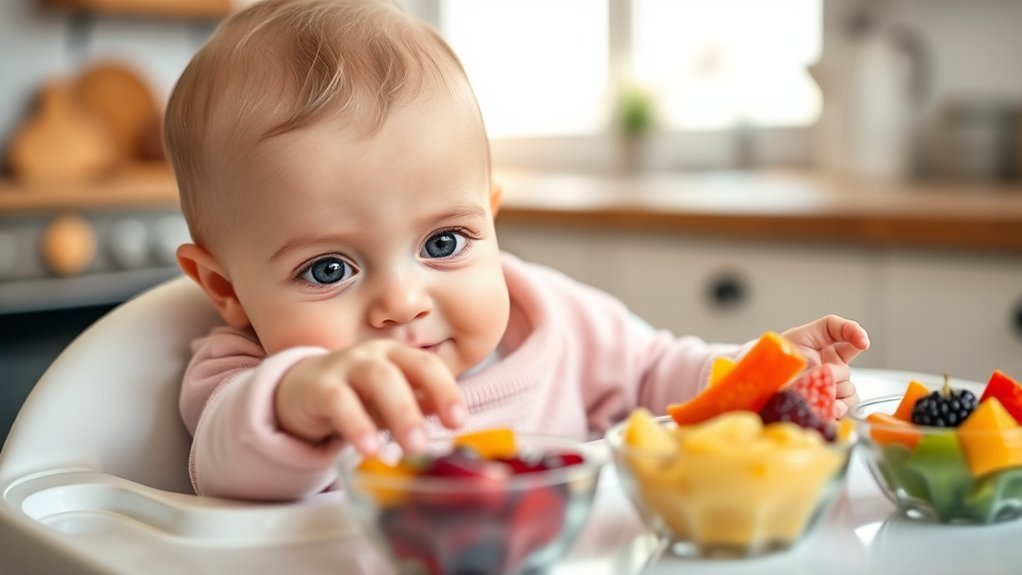
Starting solid foods is a big milestone, but the calendar is only part of the decision. Most babies are ready at about 6 months when they can sit upright with support, control their head and neck, bring food to their mouth, and swallow rather than push food back out. The safest approach combines developmental readiness, age-appropriate textures, close supervision, and continued breast milk or infant formula.
Quick Answer
Most babies can start solid foods at about 6 months, once they show developmental readiness. Begin with soft, nutrient-dense foods in small amounts, keep breast milk or formula as the main drink through 12 months, introduce common allergens without unnecessary delay, and always supervise meals to reduce choking risk.
Key Takeaways
- Start solids at about 6 months when your baby can sit upright with support, control their head and neck, and swallow food.
- Do not start before 4 months. Ask your pediatrician for individualized advice if your baby was born early, has feeding problems, or is not showing readiness near 7 months.
- Offer iron-rich foods early and include vegetables, fruits, grains, proteins, and full-fat pasteurized dairy foods such as plain yogurt.
- Introduce common allergens once your baby is ready for solids; delaying peanut, egg, dairy, wheat, sesame, fish, or shellfish does not prevent allergy.
- Use soft, developmentally appropriate textures, seat your baby upright, and watch them throughout every meal.
At a Glance
| Time Required | About 10–20 minutes for preparation and 5–15 minutes for an early meal |
| Difficulty | Beginner; constant adult supervision required |
| Tools Needed | Upright high chair, small bowl, infant spoon, fork or masher, and clean cup |
| Cost | Varies; many first foods can come from unsalted family ingredients already at home |
Note: This guide is general education, not a substitute for care from your child’s pediatrician. Babies born early or with poor growth, swallowing problems, severe eczema, known food allergy, or other medical needs may need an individualized feeding plan.
When Should You Start Introducing Solids to Your Baby?
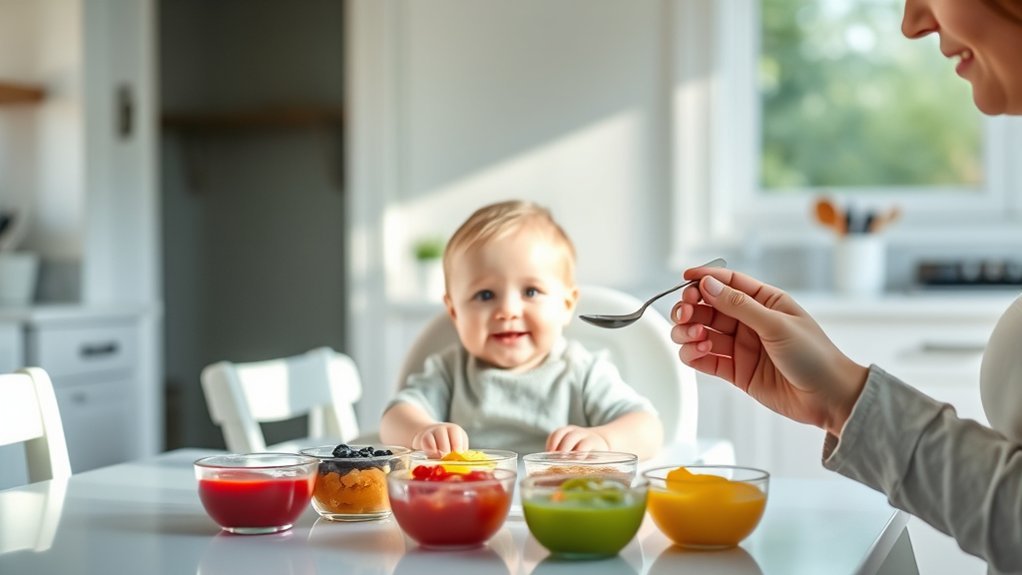
The Centers for Disease Control and Prevention says children can begin solid foods at about 6 months and should not start before 4 months. Age alone is not enough; your baby also needs the skills to eat safely.
Breast milk or iron-fortified infant formula should remain your baby’s main source of nutrition while solid foods are gradually added. Solids are “complementary” because they add nutrients, tastes, and textures rather than immediately replacing milk feeds.
If your baby was born prematurely, use corrected age and guidance from the baby’s clinician. If your baby is nearing 7 months without good head control, cannot sit upright with support, coughs or chokes repeatedly with feeds, or has poor growth, contact your healthcare provider rather than pushing ahead.

Power your essentials anywhere with a 999Wh pure sine wave power station delivering up to 1000W continuous with 2000W surge. It supports fast charging via USB-C PD 60W and USB-A QC 18W, plus simultaneous output for multiple devices through AC, USB, wireless, and car/DC ports. Recharge using AC, car, or solar with a built-in MPPT controller and dual cooling fans, while the upgraded battery management system protects against surges, short circuits, and overheating.

Feeder helps reduce the risk of choking— only small pieces of digestible food get through

【Baby Feeding Supplies】- Baby smock for eating babies and toddlers with crumb catcher, smock pocket apron helps contain spills, back tie closure, waterproof fabric is durable and stands up to messes, lightweight and comfortable.
What Are the Key Signs Your Baby Is Ready for Solid Foods?
Look for a group of readiness signs instead of relying on one behavior. A baby who watches you eat is interested, but interest alone does not mean they can safely manage food.
- Stable posture: Your baby can sit upright with support and keep their head and neck steady.
- Hand-to-mouth control: They can reach for an object or food and bring it toward their mouth.
- Improved swallowing: They swallow food instead of automatically pushing most of it out with the tongue.
- Interest in eating: They lean toward food, open their mouth for a spoon, or watch others eat.
- Ability to close the lips: They can take food from a spoon and move it backward in the mouth.
Pro Tip: Choose a time when your baby is alert, calm, and slightly hungry—not exhausted or frantic. Early meals are practice sessions, so one or two small tastes may be enough.
How Can You Safely Prepare Solid Foods for Your Baby?

Safe preparation means choosing nutritious ingredients, preventing foodborne illness, and changing the food’s texture and shape to match your baby’s skills. Wash your hands, use clean utensils and surfaces, and keep raw meat, poultry, seafood, and eggs away from ready-to-eat foods.
Safe Food Selection
Start with simple foods so it is easier to notice a reaction, but there is no required order. Good choices include iron-fortified oat cereal, well-cooked meat, mashed beans or lentils, egg, plain full-fat yogurt, avocado, sweet potato, banana, pear, broccoli, and other soft family foods without added salt or sugar.
- Choose pasteurized milk products and fully cooked eggs, meat, poultry, and seafood.
- Remove bones, hard pits, tough skins, and seeds that could be swallowed.
- Offer a variety of fortified infant cereals rather than relying only on rice cereal.
- Avoid unpasteurized milk, juice, yogurt, and cheese.
- Do not add honey, salt, sugar, low-calorie sweeteners, or no-calorie sweeteners.
Proper Cooking and Texture
Cook firm fruits and vegetables until they are soft enough to mash with a fork. Finely shred, mince, mash, puree, or grind foods as needed. Infant cereal can be mixed with breast milk, formula, or water until it is smooth enough for your baby to manage.
As feeding skills improve, move from smooth purees to thicker mashed foods, soft lumps, finely chopped foods, and safe finger foods. Staying on perfectly smooth purees for too long can limit texture practice, while moving to hard or slippery pieces too soon can raise choking risk.
Appropriate Serving Sizes
Begin with about 1 or 2 teaspoons once a day. Increase slowly to 1 or 2 tablespoons or more according to your baby’s hunger and fullness cues. Do not pressure your baby to finish a bowl or compare portions with another child.
- Offer small spoonfuls and wait for your baby to open their mouth.
- Stop when they turn away, close their mouth, push food away, or lose interest.
- Allow extra time for touching, smelling, and learning; mess is part of the process.
- Never put cereal or other food in a bottle unless a qualified clinician has told you to for a medical reason.
How to Prevent Choking
Seat your baby upright in a high chair or another secure eating seat. Keep meals calm and free of toys, screens, and rushing. Do not feed a baby while they are lying down, crawling, walking, riding in a stroller, or traveling in a car.
The CDC’s choking-prevention guidance recommends avoiding whole grapes and cherry tomatoes, raw hard apple or carrot pieces, whole nuts, popcorn, hot-dog rounds, large meat or cheese chunks, whole beans, hard candy, spoonfuls of nut butter, and other firm round or sticky foods.
Warning: Choking may be silent. If your baby cannot breathe, cough, cry, or make sound; turns blue or pale; or becomes limp, call 911 and begin age-appropriate choking first aid. Consider taking an infant CPR and first-aid course before starting solids.
Gagging can happen as babies learn new textures. It often includes noise, coughing, tongue movement, or a red face. Choking blocks airflow and may cause little or no sound. Never put your fingers blindly into your baby’s mouth, because this can push food deeper.
Best First Foods for Your Baby: A Guide
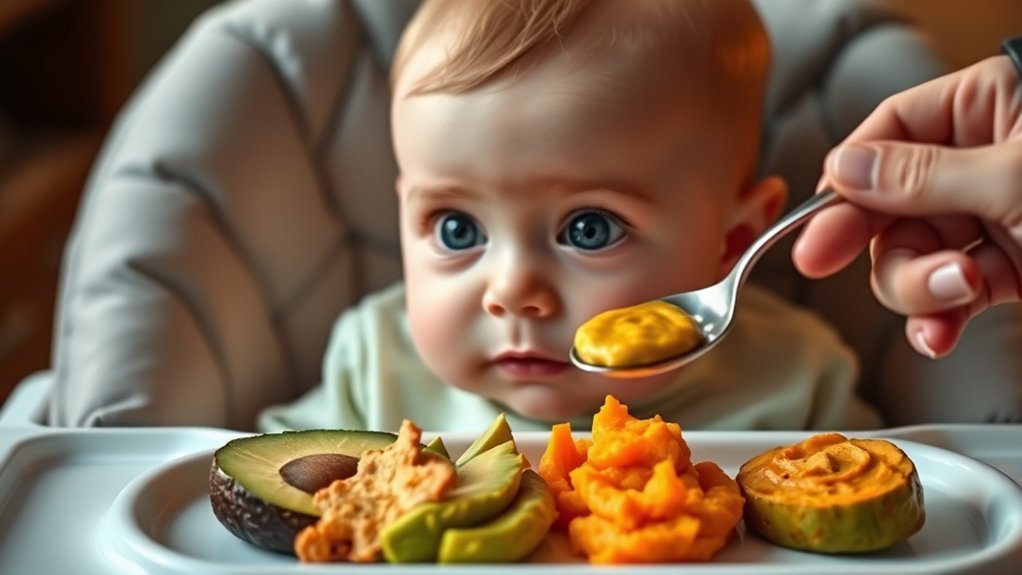
There is no single “best” first food or required sequence. The goal is to provide nutrient-dense foods, especially iron-rich options, while introducing many tastes and textures.
Prioritize Iron-Rich Foods
At about 6 months, babies need dependable sources of iron outside breast milk. The CDC lists iron-rich foods for infants such as meat, poultry, eggs, fish, iron-fortified infant cereal, tofu, beans, lentils, and dark green vegetables.
Pair plant sources of iron with vitamin C-rich foods to improve absorption. Examples include iron-fortified oat cereal with mashed berries, lentils with tomato, or beans with soft broccoli.
Balanced First-Food Ideas
- Proteins: Pureed or finely minced beef, chicken, turkey, fish, egg, tofu, beans, or lentils.
- Grains: Iron-fortified oat, barley, or multigrain infant cereal; soft cooked grains mashed as needed.
- Vegetables: Sweet potato, squash, peas, broccoli, zucchini, carrots, or avocado.
- Fruits: Banana, pear, peach, berries, melon, mango, or cooked apple.
- Dairy foods: Plain full-fat pasteurized yogurt or soft pasteurized cheese in a safe texture.
Note: Cow’s milk can be used in food, and pasteurized yogurt and cheese can be offered after solids begin. Do not use cow’s milk or a plant-based drink as the main drink before 12 months unless your child’s clinician gives specific instructions.
What to Expect When Starting Solids?
Early meals are mainly for learning. Your baby may taste only a little, spit food out, gag, smear food, or need many exposures before accepting a flavor. These responses do not automatically mean the food is disliked.
Starting solids is a gradual skill-building process, not a race to replace breast milk or formula.
- Mess: Touching and squishing food helps babies learn about texture.
- Small intake: A few tastes may be a full meal at first.
- Stool changes: Color, smell, and firmness often change after solids begin.
- Repeated exposure: A baby may need to see or taste a food many times before accepting it.
- Changing appetite: Intake varies from day to day during growth, teething, and illness.
Continue offering breast milk or formula on your baby’s usual schedule. You can offer solids before or after a milk feed depending on when your baby is calm and interested, but avoid waiting until they are extremely hungry.
How to Monitor for Allergies When Introducing New Foods?
Current guidance has changed from older advice. Once a baby is ready for solids, there is no benefit to delaying common allergens such as egg, peanut, dairy, wheat, sesame, soy, fish, or shellfish. The American Academy of Pediatrics explains that allergenic foods can be introduced in infant-safe forms after a baby has tolerated a few first foods.
Who Needs Medical Guidance First?
Talk with your pediatrician before introducing peanut if your baby has severe or persistent eczema, an egg allergy, a previous immediate reaction to food, or another condition that may raise allergy risk. The clinician may recommend testing or supervised introduction.
A Safe Way to Introduce an Allergen
- Choose one allergenic food and offer it at home when your baby is healthy.
- Use a developmentally safe form, such as fully cooked mashed egg, plain yogurt, or smooth peanut butter thinned with warm water, breast milk, formula, or a familiar puree.
- Start with a small taste, then gradually offer more if no symptoms appear.
- Watch your baby closely during and after eating.
- If the food is tolerated, keep serving it regularly in an age-appropriate form rather than offering it once and then stopping for months.
For general new foods, introducing one single-ingredient food at a time and waiting 3 to 5 days can make reactions easier to identify. This waiting period should not be used as a reason to postpone common allergens for weeks or months.
Watch for Rash Reactions
Hives, raised welts, facial or lip swelling, or a sudden widespread rash can signal an allergic reaction. A mild red patch only where food touched the skin may be irritation rather than allergy, but discuss uncertain or repeated reactions with your child’s clinician.
Monitor Digestive Symptoms
Repeated vomiting or diarrhea soon after eating can be part of an allergy. Gas, mild stool changes, or temporary constipation may occur as the diet changes and do not always mean allergy. Contact your pediatrician if symptoms are persistent, severe, bloody, or linked to the same food more than once.
Track Behavioral Changes
Sudden lethargy, unusual floppiness, a weak or hoarse cry, marked paleness, confusion, or a rapid change in behavior can accompany a serious reaction. Also watch for coughing, wheezing, trouble swallowing, or breathing difficulty.
Warning: Call 911 for trouble breathing, wheezing, tongue or throat swelling, a weak or absent cry, blue or pale skin, limpness, loss of consciousness, or symptoms affecting more than one body system. If your child has prescribed epinephrine, use it immediately according to the emergency plan.
Keep a simple food diary with the food, amount, time eaten, and any symptoms. Do not deliberately re-feed a food that caused an immediate reaction until you have spoken with a healthcare professional.
Foods and Drinks to Avoid or Limit
Some foods are unsafe for infants, while others crowd out needed nutrients. The CDC’s current list of foods and drinks to avoid or limit includes the following:
- Honey before 12 months: This includes honey in foods, water, formula, or on a pacifier because of infant botulism risk.
- Unpasteurized foods and drinks: Avoid raw milk and unpasteurized juice, yogurt, or cheese.
- Fruit or vegetable juice before 12 months: Whole fruit is a better choice.
- Cow’s milk as a main drink before 12 months: It does not replace infant formula and may be difficult for a young baby to handle nutritionally.
- Added sugar and high-sodium foods: Avoid sweet drinks, flavored yogurt with added sugar, desserts, processed meats, salty snacks, and heavily salted family foods.
- High-mercury fish: Avoid shark, swordfish, king mackerel, marlin, orange roughy, Gulf of Mexico tilefish, and bigeye tuna.
- Choking hazards: Avoid whole nuts, popcorn, whole grapes, hot-dog rounds, hard raw vegetables, large meat or cheese chunks, sticky spoonfuls of nut butter, and hard or gummy candy.
What Nutrition Tips Should You Follow for Your Baby?
Build meals around nutrient density rather than volume. Iron and zinc deserve special attention, but babies also need healthy fats, protein, fruits, vegetables, grains, and repeated exposure to varied flavors.
- Offer an iron-rich food at least once or twice daily as intake grows.
- Include foods from different groups across the week rather than serving only fruit purees.
- Use full-fat, unsweetened foods when appropriate because infants need dietary fat for growth.
- Offer a small amount of water in an open or straw cup with meals after solids begin, while keeping breast milk or formula as the main drink.
- Follow your baby’s hunger and fullness cues instead of using distraction or pressure.
- Ask your clinician about vitamin D, iron, and other supplements based on feeding type and medical history.
At first, one meal a day may be enough. Move toward two or three meals as your baby’s interest and intake grow. Exact timing varies, and there is no need to force a fixed schedule immediately.
How to Transition From Purees to Finger Foods?
You do not have to choose only purees or only baby-led feeding. Many families use both. The safest method is the one that matches your baby’s development and provides suitable textures while an adult watches closely.
As your baby becomes better at moving food around the mouth, progress from smooth foods to thicker mashes and soft lumps. When they can reach, grasp, and bring food to their mouth, offer soft finger foods that break apart easily.
- Ripe banana or avocado
- Very soft cooked sweet potato, broccoli, zucchini, or carrot
- Shredded tender meat or flaky low-mercury fish with bones removed
- Soft strips of omelet or well-cooked egg
- Toast fingers spread thinly with a smooth topping
- Soft beans flattened with a fork
Shape matters. Early self-feeders often manage soft pieces large enough to hold in a fist. Once a pincer grasp develops, smaller soft pieces can be offered. Test food by pressing it between your fingers; it should squash easily.
How to Encourage Healthy Eating Habits in Your Baby?
Healthy eating habits grow from repeated, low-pressure practice. Share family meals when possible, serve the same healthy foods in a baby-safe form, and let your baby decide whether and how much to eat.
- Keep meals calm and sit with your baby.
- Offer new foods alongside familiar foods without forcing a bite.
- Expect food refusal and try again on another day.
- Avoid using sweets as a reward or insisting on “one more bite.”
- Let your baby touch food and practice self-feeding.
- End the meal when your baby consistently signals that they are full.
Baby-led weaning can encourage self-feeding, while spoon-feeding can make certain iron-rich foods easier to offer. Neither method is automatically better for every family. Safety, dietary variety, responsive feeding, and growth matter more than the label.
Frequently Asked Questions
Can I start solids before 6 months if my baby seems ready?
Most babies are ready at about 6 months, and solids should not begin before 4 months. A baby also needs stable head control, supported sitting, hand-to-mouth coordination, and the ability to swallow food. Ask your pediatrician before starting earlier than about 6 months, especially for a premature baby or a child with medical or feeding concerns.
How do I know if my baby is allergic to a new food?
Watch for hives, swelling, repeated vomiting, diarrhea, coughing, wheezing, hoarse crying, trouble swallowing, sudden paleness, or unusual sleepiness soon after eating. Stop the food and contact your child’s clinician for a mild reaction. Call 911 for breathing trouble, tongue or throat swelling, blue or pale skin, limpness, or loss of consciousness.
What is the difference between purees and baby-led weaning?
Puree feeding usually starts with an adult offering smooth or mashed food by spoon. Baby-led weaning emphasizes self-feeding soft finger foods. Both can work, and many families combine them. The key requirements are developmental readiness, iron-rich choices, safe textures, upright seating, and close supervision.
Should I avoid peanuts, eggs, shellfish, or other allergens until my baby is older?
No. Once your baby is ready for solids, delaying common allergens does not prevent food allergy. Introduce them one at a time in infant-safe forms and keep tolerated foods in the diet. Ask your pediatrician first if your baby has severe eczema, egg allergy, or a previous immediate food reaction.
How often should I introduce new foods?
At first, offer one single-ingredient food at a time and wait about 3 to 5 days before another new food if you want to make reactions easier to identify. Continue serving previously tolerated foods during that period. Do not use the waiting rule to delay all common allergens for months.
When can my baby start finger foods?
Finger foods can begin when your baby can sit upright, reach for food, grasp it, bring it to their mouth, and manage soft textures. This may happen near the start of solids for some babies and later for others. Use soft pieces that squash easily and avoid round, hard, sticky, or tough foods.
Conclusion
Starting solids is an exciting step, but readiness and safety matter more than following a rigid date or feeding style. Begin at about 6 months with small amounts of soft, iron-rich food, continue breast milk or formula, introduce common allergens without unnecessary delay, and progress through textures as your baby’s skills grow. Stay close during every meal, follow hunger and fullness cues, and contact your pediatrician whenever feeding, growth, swallowing, or allergy concerns arise.
Sources
- CDC: When, What, and How to Introduce Solid Foods — timing, readiness, first foods, allergens, and preparation.
- CDC: Choking Hazards — safe seating, supervision, and foods that can block a young child’s airway.
- CDC: Foods and Drinks to Avoid or Limit — honey, juice, sodium, added sugar, unpasteurized foods, and high-mercury fish.
- CDC: Iron for Infants and Toddlers — iron needs and food sources after solids begin.
- American Academy of Pediatrics: Introducing Common Food Allergens — early introduction, high-risk babies, and infant-safe forms.
- World Health Organization: Complementary Feeding Guideline — evidence-based feeding guidance for ages 6 to 23 months.